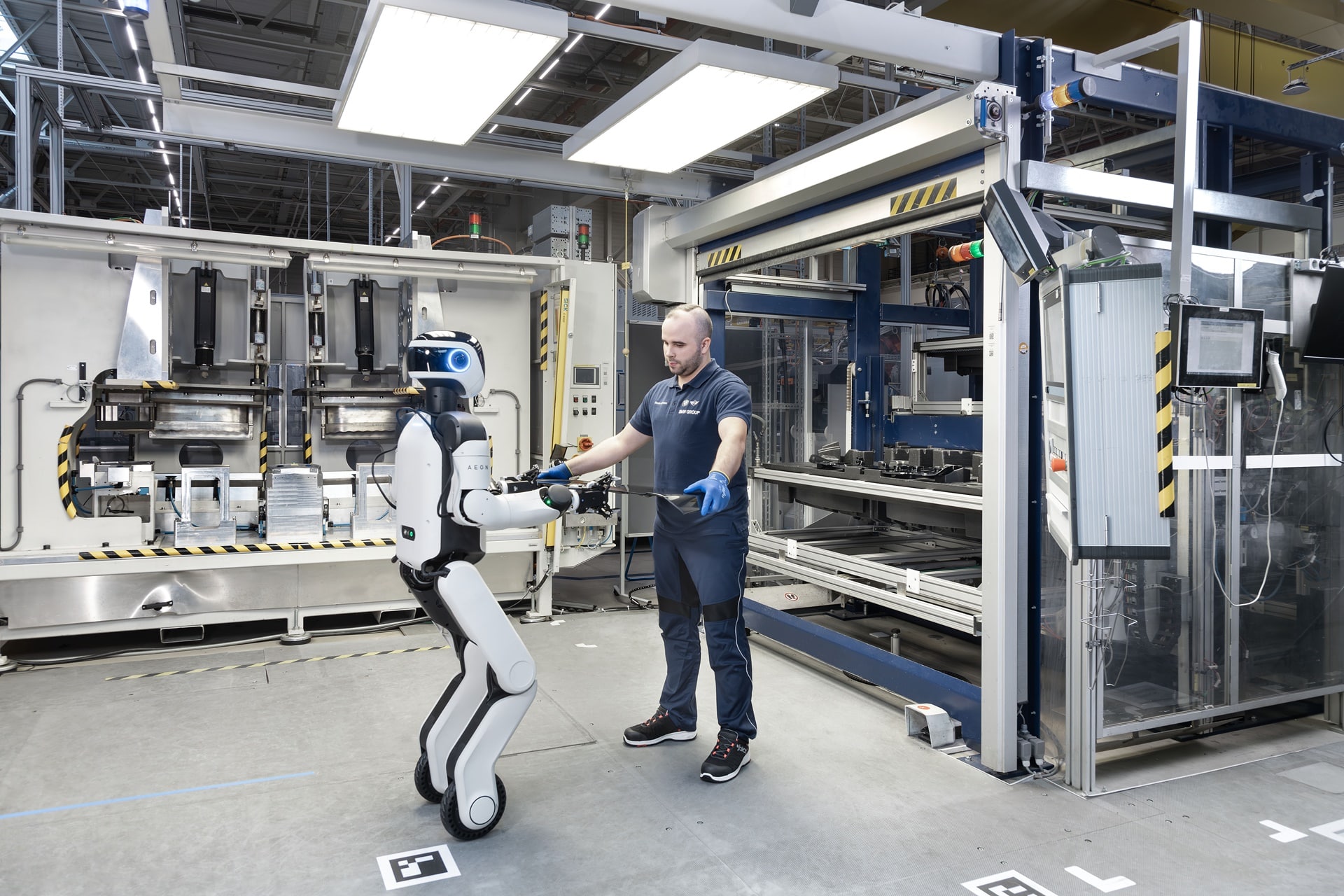
The BMW Group is constantly advancing in digitalization and the application of artificial intelligence in its production. A key element of this development is Physical AI, which combines digital artificial intelligence with real machines and robots, allowing the integration of intelligent systems such as humanoid robots in real-world manufacturing processes.
Milan NedeljkovicMember of the Board of Management of BMW AG, Production, said: “Digitalization increases the competitiveness of our production, here in Europe and around the world. The symbiosis between our engineering expertise and artificial intelligence opens up completely new possibilities.”

Humanoid robots as a complement to process automation
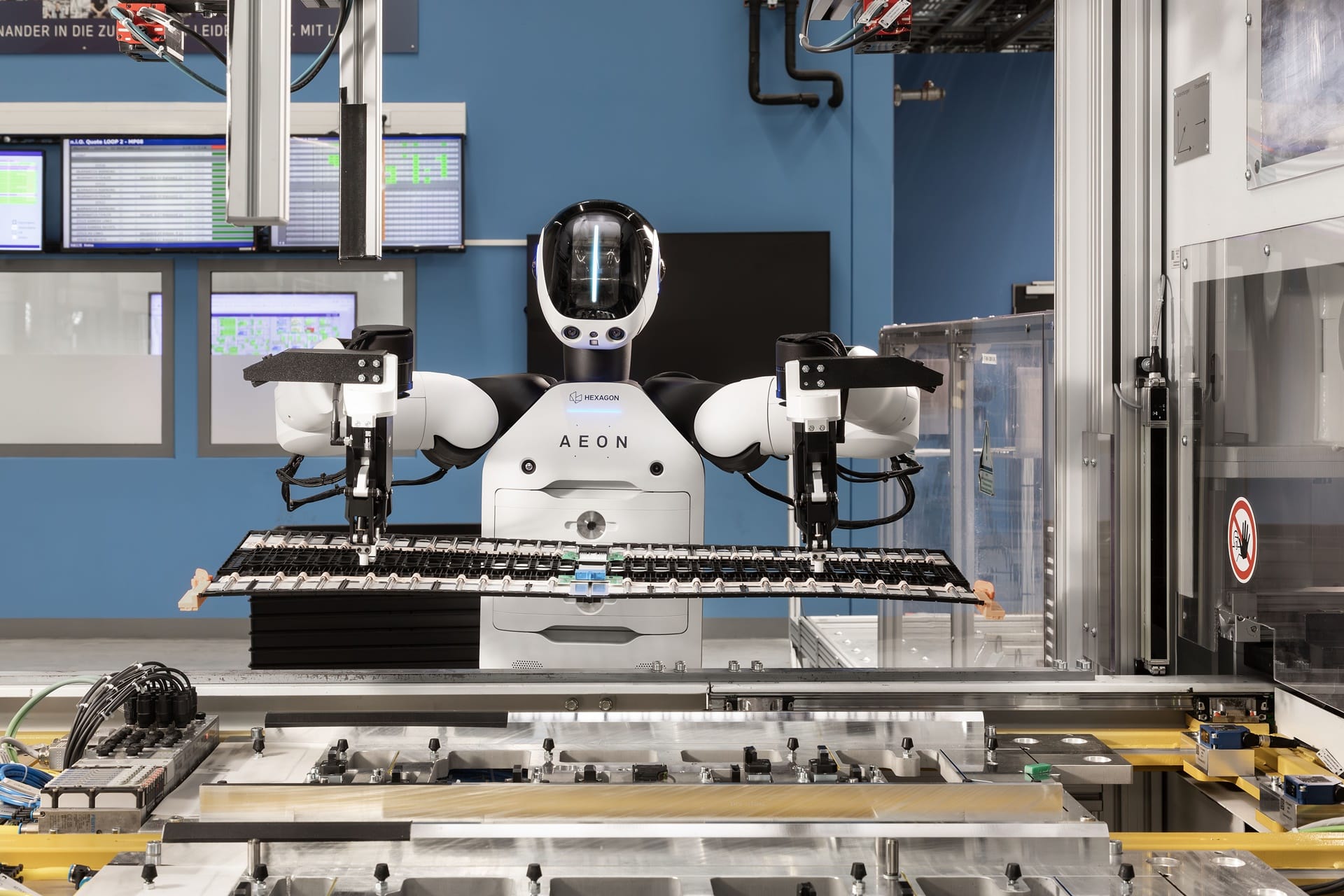
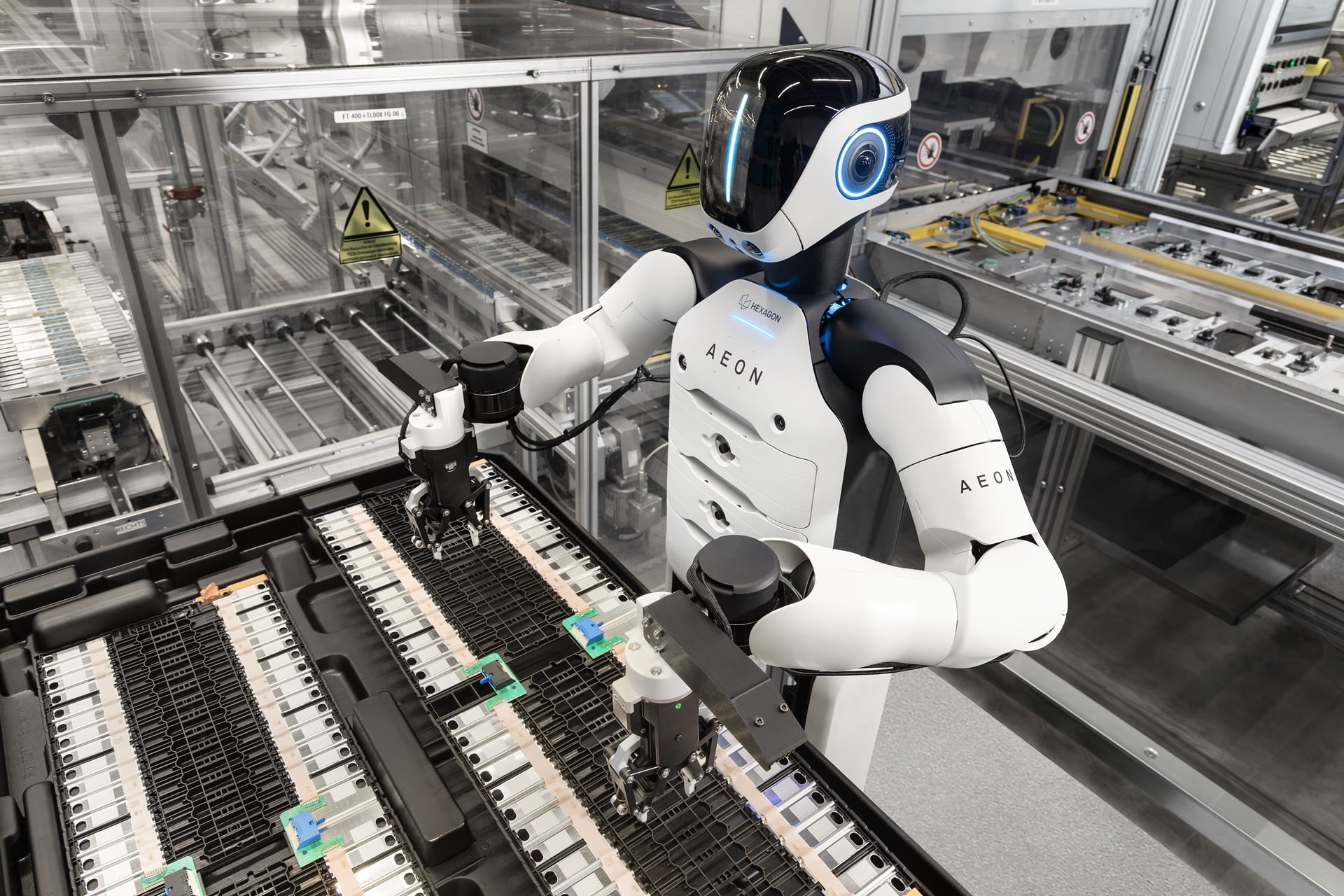
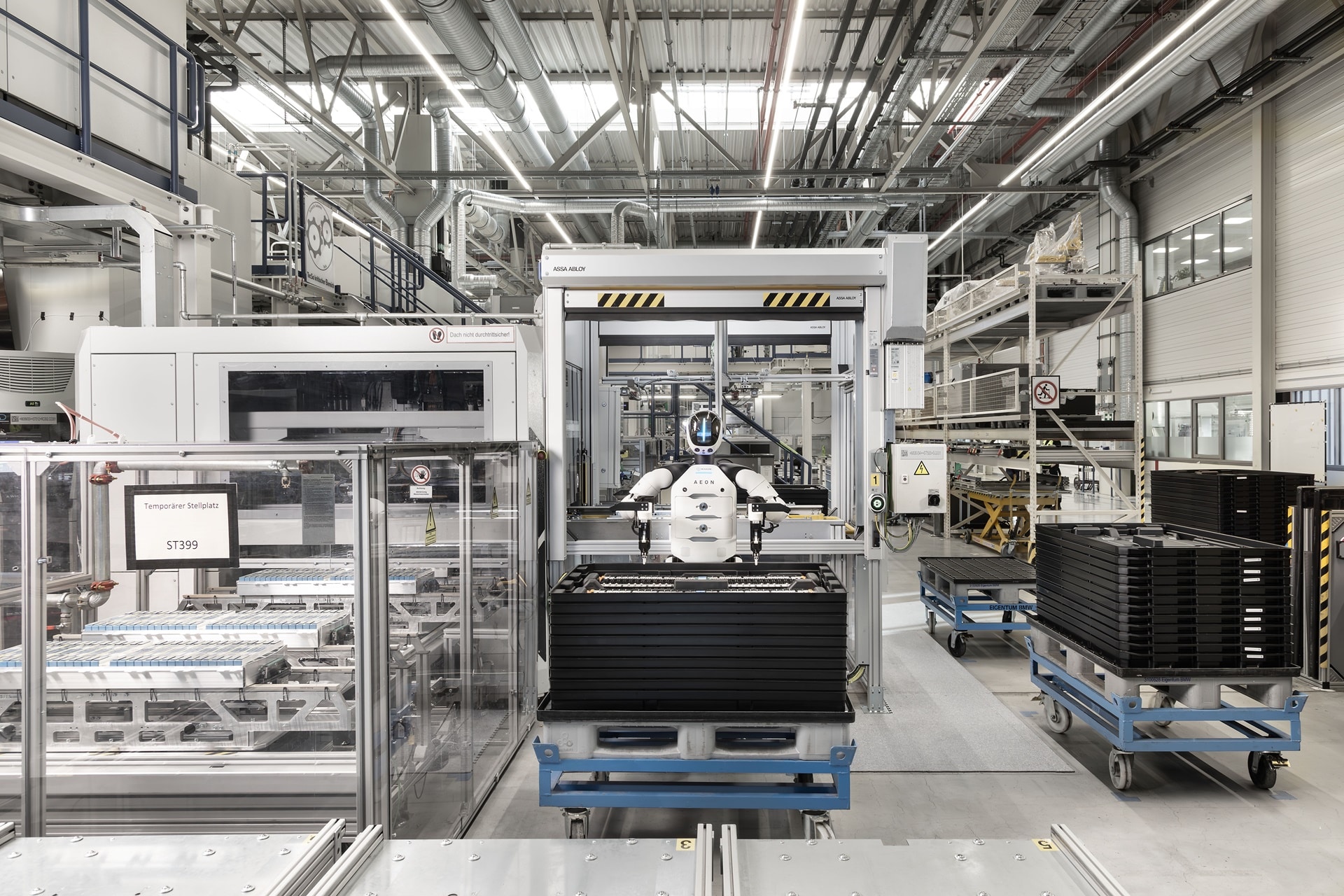
For the first time, the BMW Group is incorporating Physical AI in Europe through a pilot project with humanoid robots at the Leipzig plant. The goal is to integrate humanoid robotics into existing mass production and explore its application in battery and component manufacturing.
Last year, the BMW Group successfully carried out a pilot project with humanoid robots at its Spartanburg plant in the USA. The insights gained are now being used to further develop and expand the applications of Physical AI.
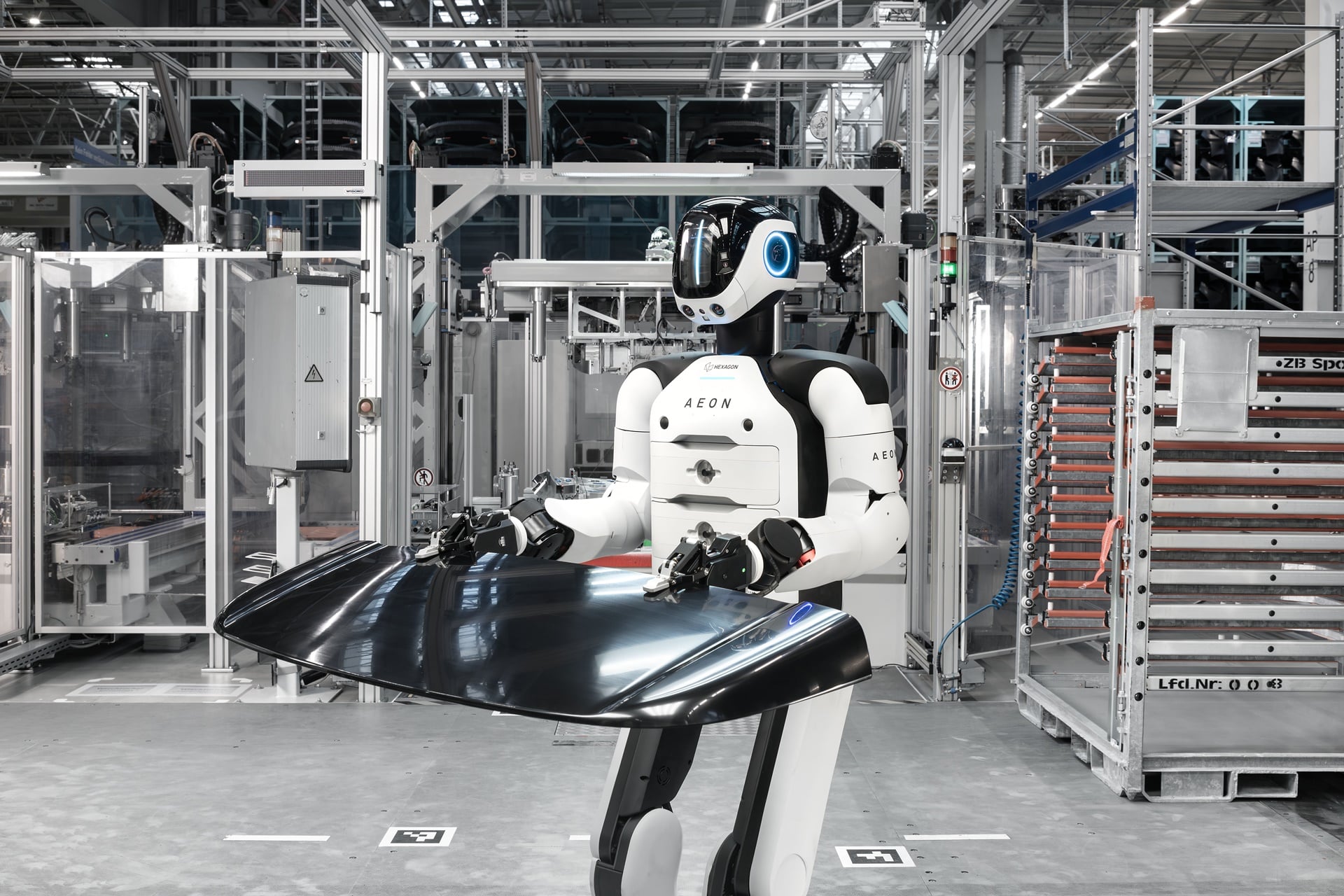
In collaboration with Hexagon, a long-standing partner of the BMW Group in sensor and software technology, the first pilot project with humanoid robots in Europe is already underway. Its Zurich unit, Hexagon Robotics, specializing in Physical AI, presented its first humanoid robot, AEON, in June 2025.
After an initial phase of theoretical evaluation and successful laboratory tests, a first test deployment was carried out in December 2025 at the Leipzig plant. A new test is planned from April 2026 to ensure full integration of the pilot phase, which will begin in the summer of that same year.
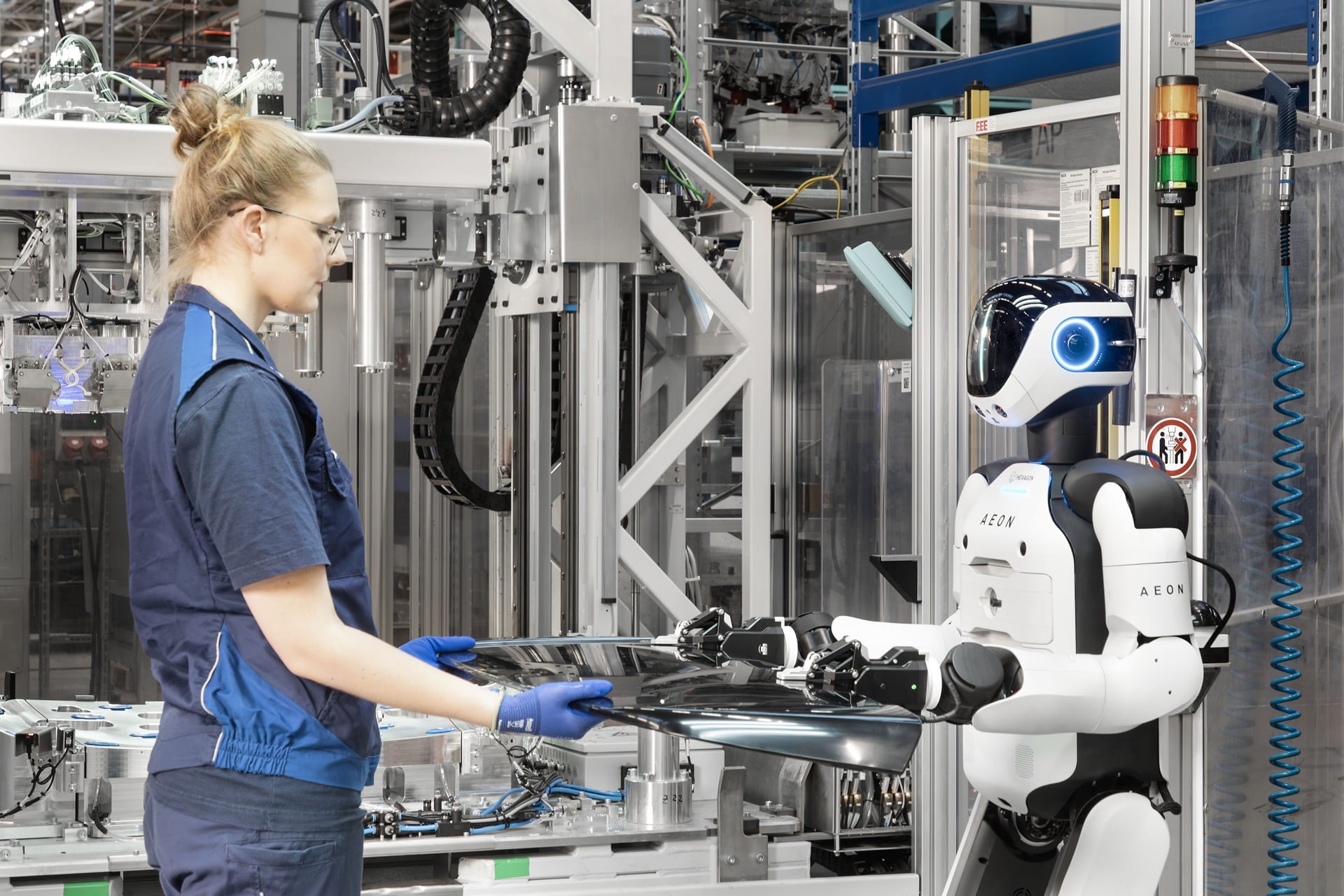
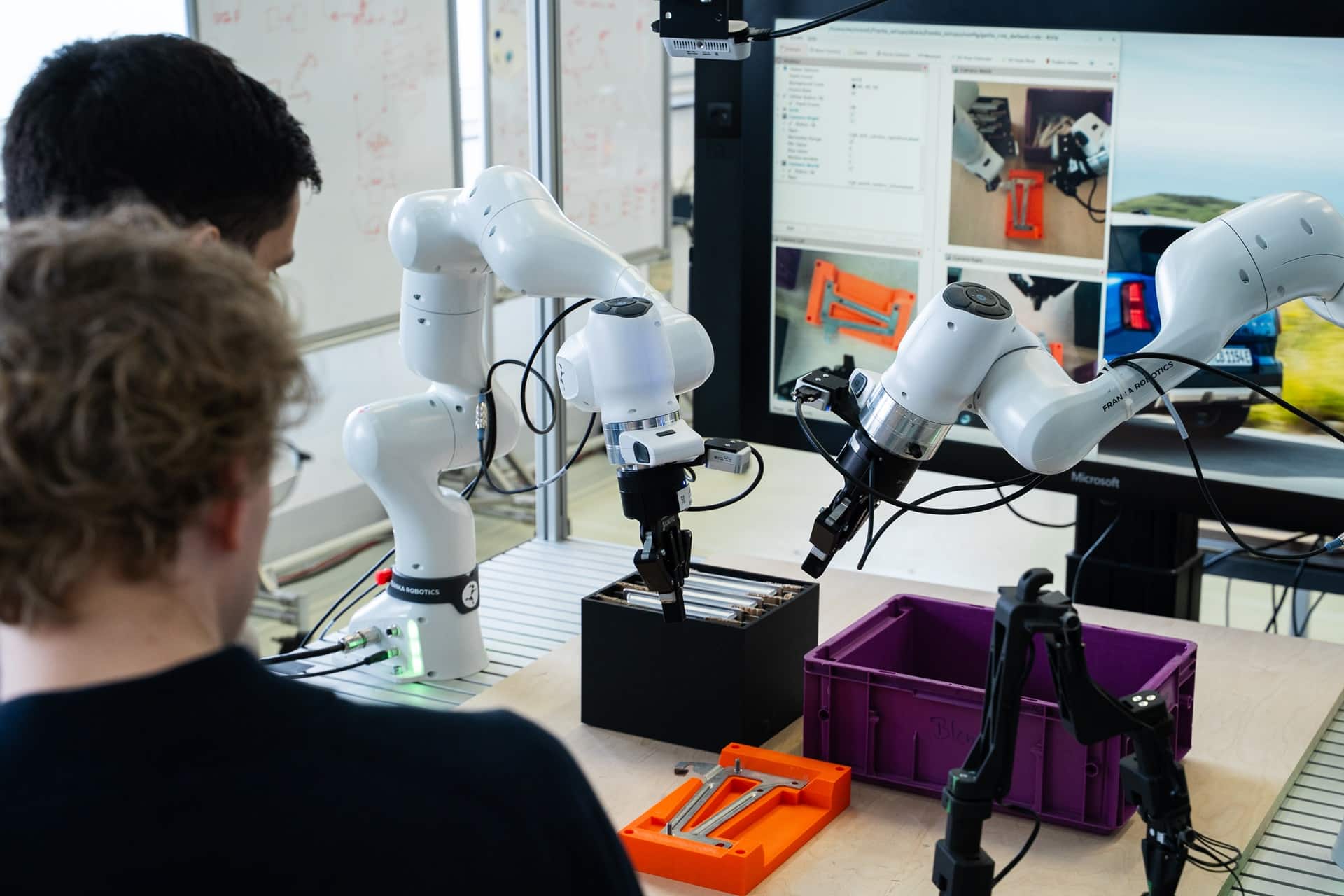
The project focuses on a multifunctional application of the robot. The AEON design, with a body of humanoid proportions, allows the attachment of a wide variety of hand tools, grippers or scanning systems, and enables dynamic use by moving on wheels. During testing and later in the pilot phase, the robot will be used in the assembly of high-voltage batteries and in the manufacturing of components.
Likewise, artificial intelligence is already an integral part of the BMW Group’s production system. From the virtual factory with digital twins and AI-enabled quality controls, to intralogistics with autonomous transportation solutions, intelligent systems are present in practically every stage of the production process.
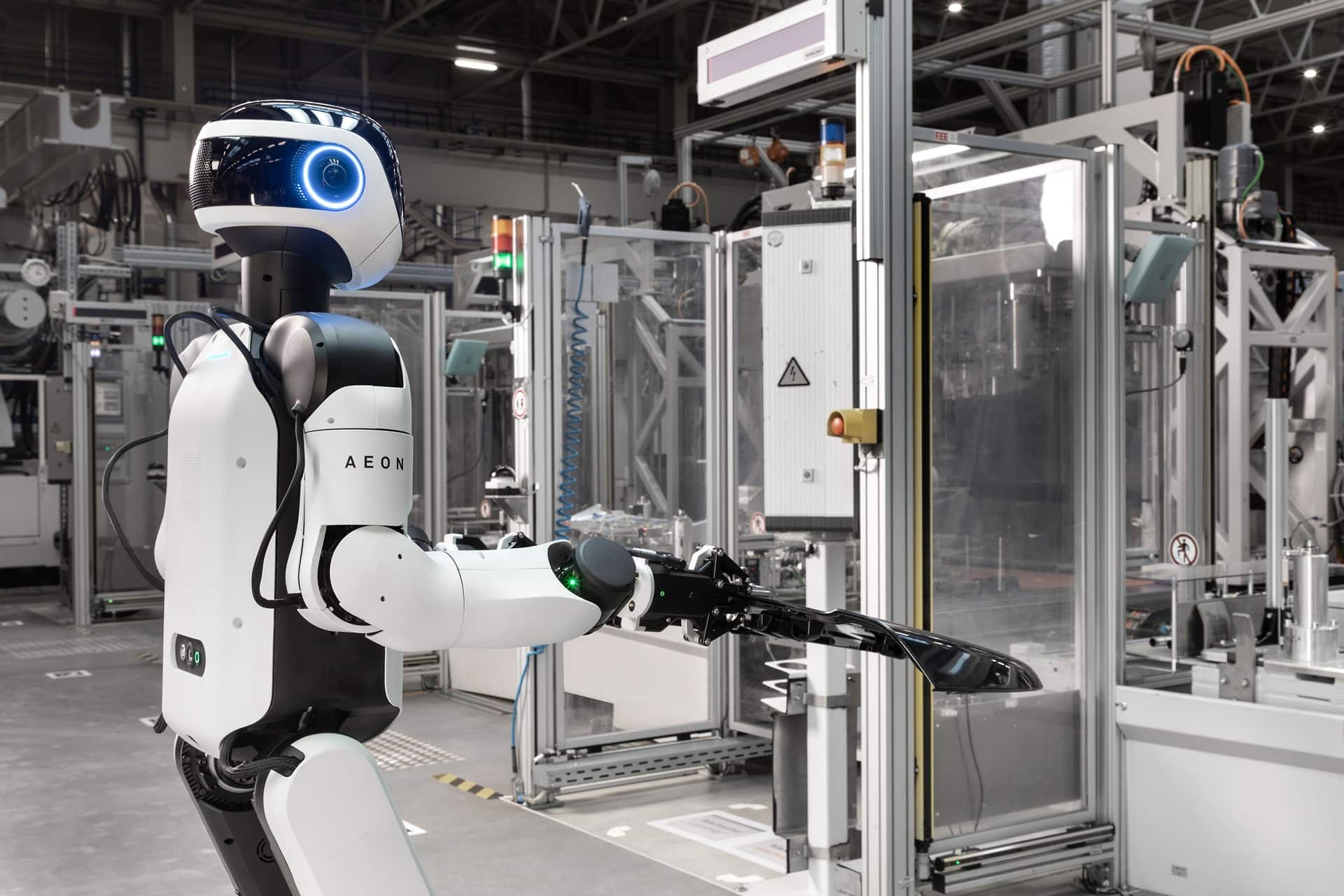
A key requirement for effective use of AI is a unified IT and data model across the system. The BMW Group has systematically transformed former data silos into a common platform, where information is consistent, standardized and available at all times. This enables AI-based digital agents to take on increasingly complex tasks in demanding environments, continuously learn and be available for new application areas.
The introduction of intelligent and autonomous agents constitutes a paradigm shift in production. In combination with robots, these agents form the basis of Physical AI. Michael NikolaidesSenior Vice President of Production Network and Supply Chain Management at the BMW Group, said:
“Our goal is to be technological leaders and integrate new technologies in early phases. Pilot projects allow us to test and continue developing the use of Physical AI, that is, robots based on AI and capable of learning in real industrial conditions.” Digitalization and artificial intelligence are essential pillars of BMW iFactory and represent the basis of flexible, competitive and future-ready production.
The BMW Group is strategically expanding its automation portfolio to include Physical AI and humanoid robotics. These robots are considered a complement that provides added value to current systems, especially in monotonous, ergonomically demanding or safety-critical tasks. The goal is to ease the burden on employees and improve working conditions.
The BMW Group’s robust data platform makes the company an attractive partner for technology companies that want to test Physical AI solutions especially humanoid robotics in real industrial environments. With the creation of the new Competence Center for Physical AI in Production, the BMW Group takes a step forward in consolidating its expertise and ensuring that knowledge can be leveraged throughout the organization.
The BMW Group follows a structured process: technology partners are evaluated based on maturity and industrialization criteria, tested in the laboratory and subsequently in initial tests in real plants. If these phases are satisfactory, we move on to the full pilot deployment. The first global deployment of humanoid robots at a BMW Group plant took place in Spartanburg (USA) in 2025, in collaboration with the technology company Figure AI.
The results demonstrated that Physical AI can provide quantifiable added value in real conditions. For ten months, the Figure 02 robot supported the production of more than 30,000 units of the BMW X3, working ten-hour shifts from Monday to Friday. He was responsible for the removal and positioning of sheet metal parts for the welding process, a physically demanding task with high requirements for precision and speed.
In total, moved more than 90,000 components and traveled around 1.2 million steps in about 1,250 hours of operation. The pilot confirmed that humanoid robots can safely and accurately execute repetitive tasks, such as millimeter positioning of components, and provided key insights for the future use of Physical AI in production.
During the initial phases, it was essential to involve the IT areas of production, occupational safety, process management and plant logistics from the beginning. One of the most relevant conclusions was that the transition from the laboratory to the real manufacturing environment occurred faster than expected. Laboratory-trained movement sequences were quickly translated into stable turn-based operation.
To ensure seamless coexistence with existing systems, integration into the BMW Smart Robotics ecosystem was carried out using standardized interfaces. The body shop was deliberately selected for the test, given its high level of automation. Employees have extensive experience in integrating new technologies and processes.
For example, material supply is already carried out almost entirely through intelligent automated transport robots (STR). Early communication with the project team ensured transparency from the start and encouraged buy-in. The presence of humanoid robots aroused great interest and quickly became naturally integrated into daily routine. The BMW Group and Figure are currently evaluating new use cases for the robot Figure 03.