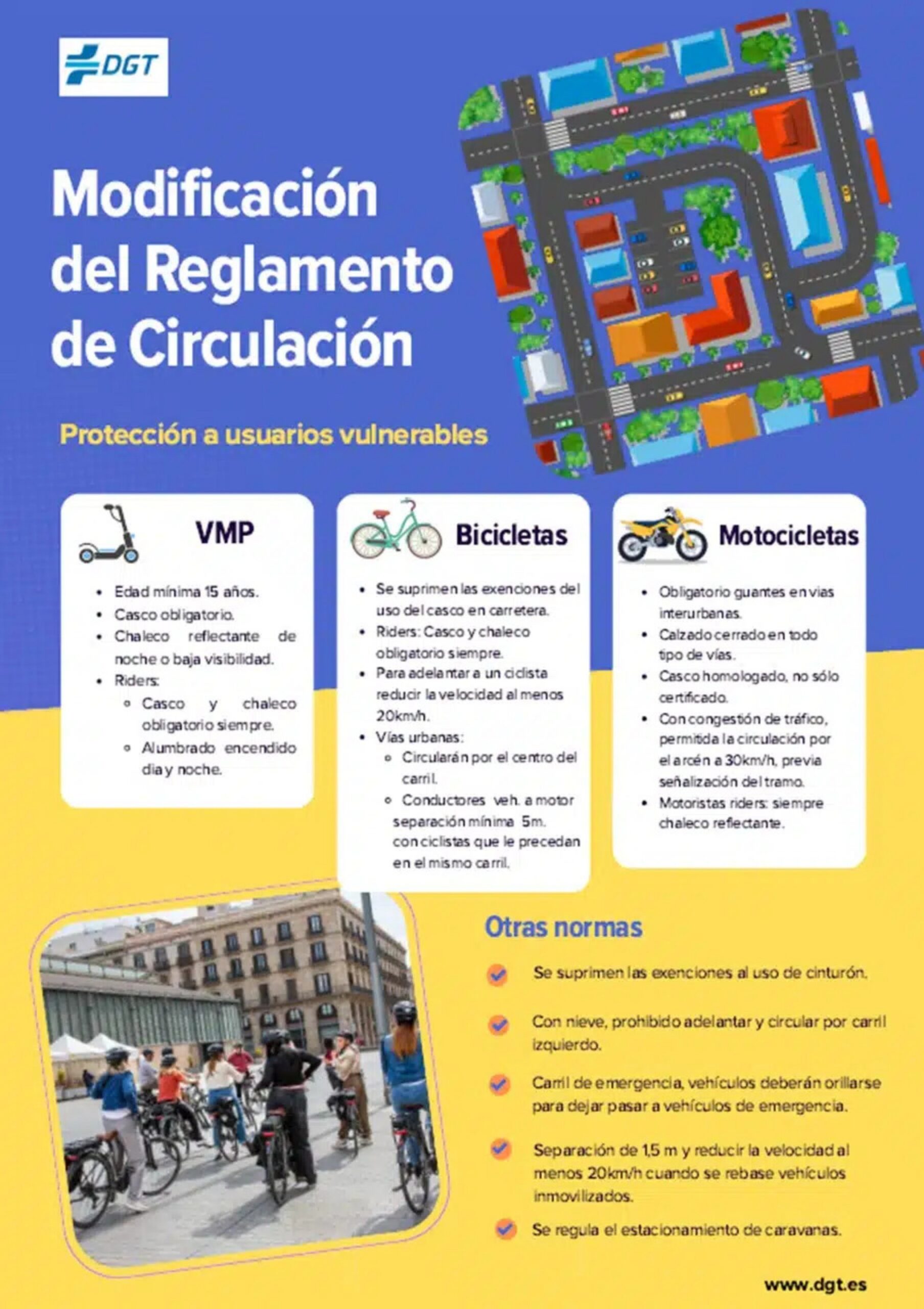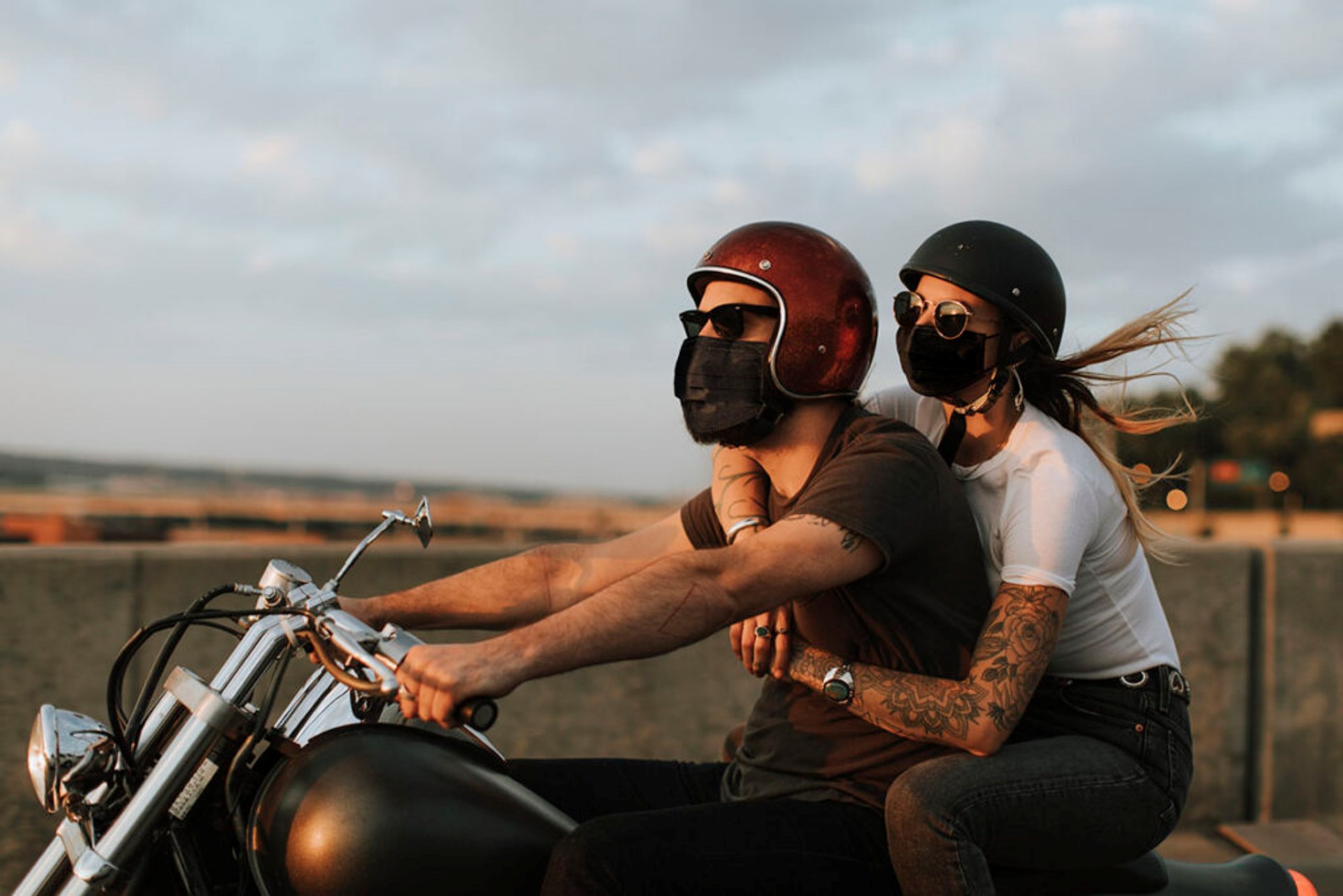
Until now it was a common scene in summer. A driver with all the equipment and a companion who got on the motorcycle with sneakers, sandals or even flip-flops to travel just a few km around the city. It was also common to use a “motosharing” without considering too much whether the passenger was wearing the appropriate clothing. However, the reform of the General Traffic Regulations approved by the Government changes that reality. And it’s not a small change.
The new regulations, which, as we all know, will come into force on October 1, 2026introduces for the first time specific obligations for drivers and passengers regarding protective equipment. And although the focus has been on motorcyclists, the rule makes it very clear: those traveling behind must also meet certain requirements.

According to the DGT: the passenger must also wear gloves… but only on the road
One of the most important changes affects the use of protective gloves. The obligation does not distinguish between who is driving and who occupies the back seat of a motorcycle or moped.
Of course, the requirement will only be applicable when traveling on interurban roads. That is, on conventional roads, highways or highways. In the city, both the driver and the passenger will be able to continue driving without gloves, at least as long as there is no other future regulation of the DGT to expand this obligation.
In addition, there is an important transitional period. Until the Ministry approves the order that will establish the mandatory technical characteristics of future approved gloves, the “current protective gloves” commonly used by bikers. Here we find a “some room for interpretation” of the regulations.
With flip flops, the DGT’s response is much clearer
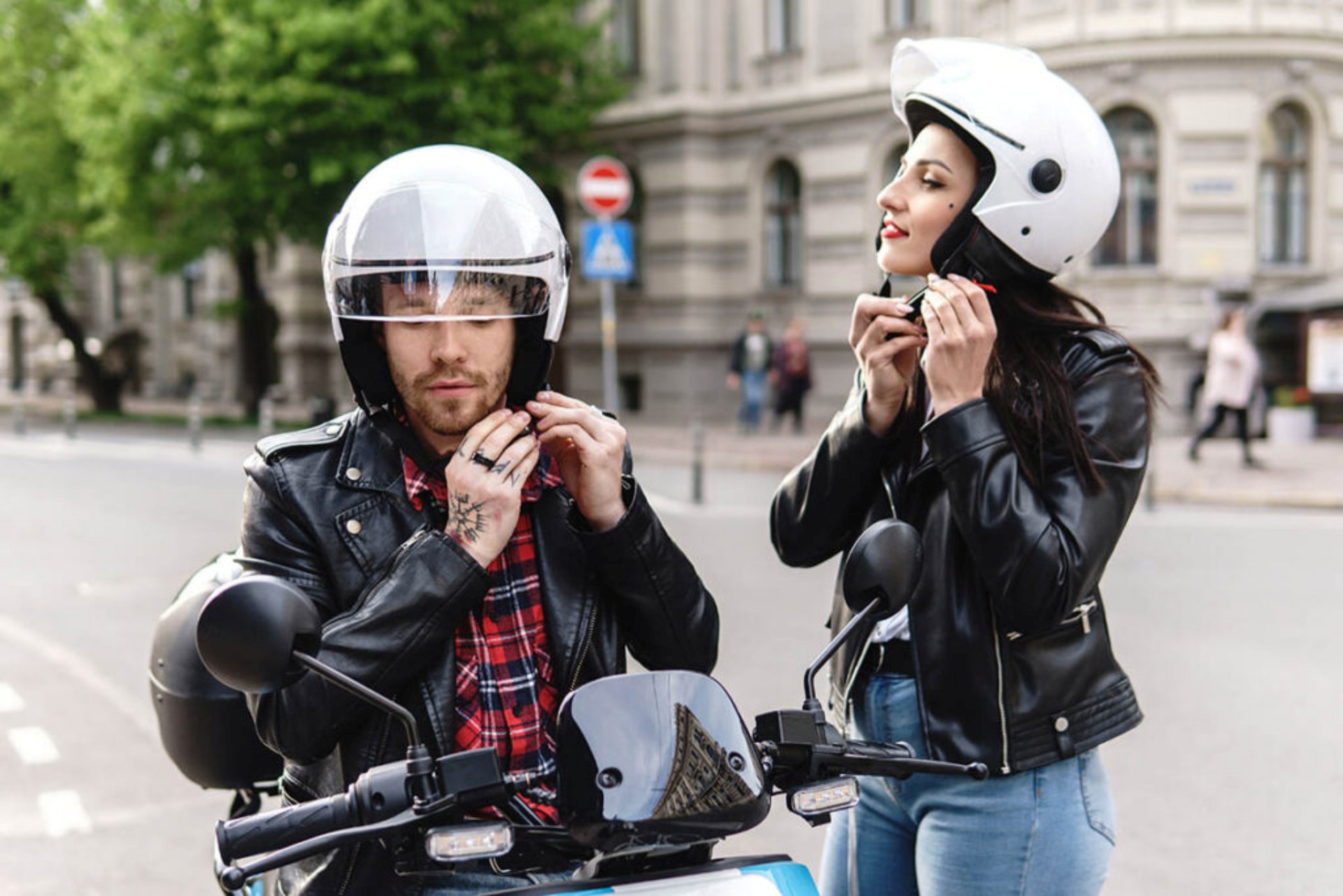
Where the reform of the DGT leaves no room for interpretation is in the footwear. The regulation establishes that both the driver and the passenger must wear closed shoes on any type of road, both urban and interurban. The obligation will be general and its failure to comply will constitute a serious infraction punishable by 200 euros.
This means that traveling as a companion with flip-flops, open sandals or any other footwear that leaves the foot exposed will no longer be permitted, even for very short urban journeys.
The measure responds to a reality well known to road safety specialists. In a fall, even at low speed, the feet are one of the first parts of the body to impact the asphalt, and inadequate footwear multiplies the risk of serious injuries.
Motosharing faces a new challenge
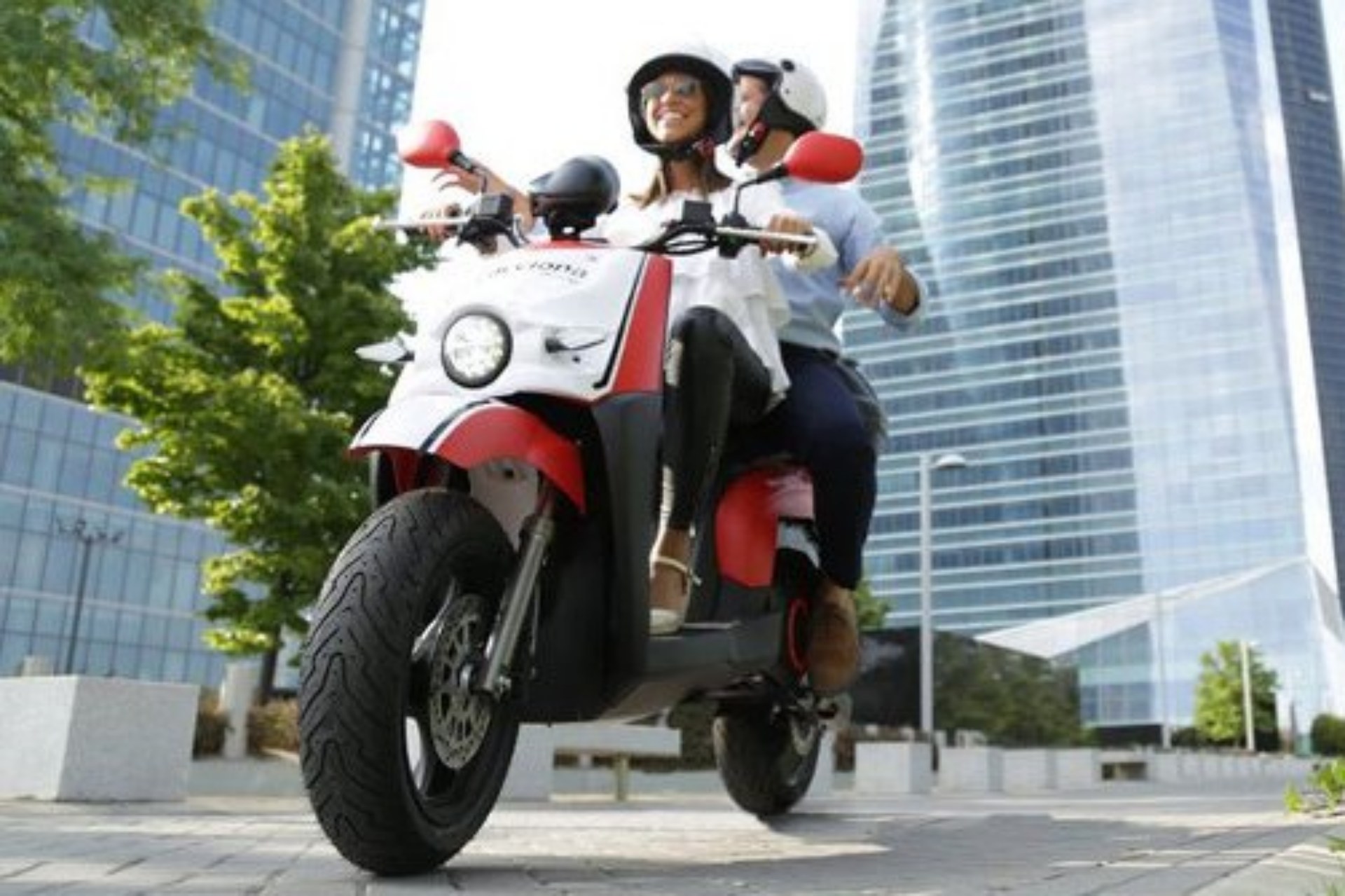
These new obligations also raise questions for companies in “motosharing“, especially those that allow traveling with a passenger. While the helmet is usually part of the service itself. In fact, some companies even offer two helmets in certain models, the rest of the equipment has always fallen on the user.
Starting in October, anyone who wants to use a shared motorcycle to make an intercity journey with a companion must ensure that they both have protective gloves. And, regardless of the road on which they travel, both driver and passenger must wear closed shoes.
In practice, this hinders one of the most spontaneous uses of “motosharing”. We talked about picking up another person impromptu. And, as we have told you, it will be necessary and completely mandatory that both carry the required equipment before starting the trip.
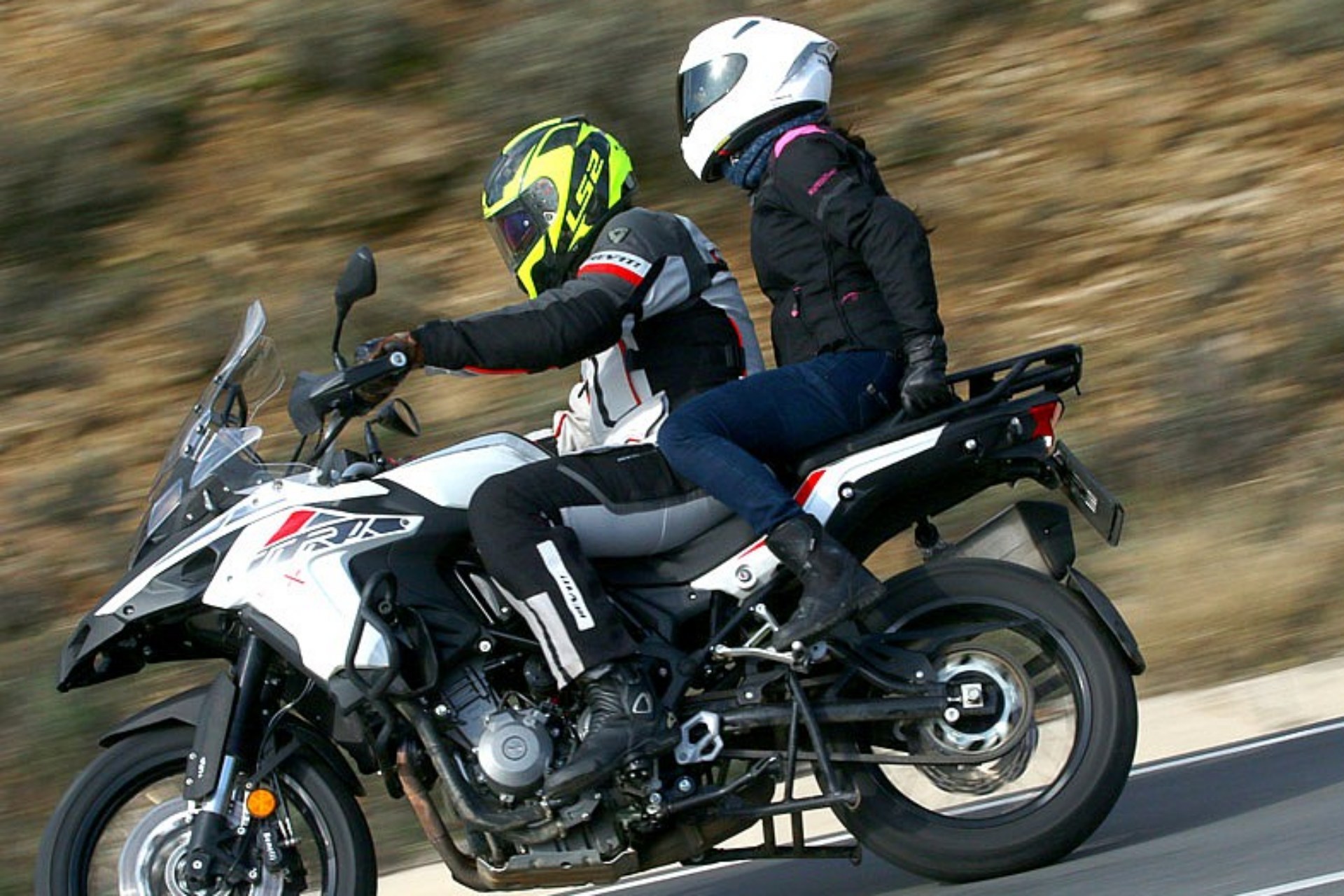
A DGT standard that seeks to improve the protection of all occupants
Although some of these obligations may seem obvious to those who use the motorcycle on a regular basis, the reality is that until now there was no such specific regulation for passengers.
With this new standard, the General Directorate of Traffic aims to reduce the severity of injuries suffered by the most vulnerable users, and obviously all occupants of a motorcycle are part of that group. The new Regulation thus converts into legal obligation recommendations that instructors, manufacturers and safety experts had defended for years.
Starting in October of this year, it will no longer be enough for the driver to be properly equipped. Whoever travels behind must also do so. Because, in the event of an accident, the asphalt does not distinguish between pilot and passenger. By the way, and this is an exam question from the DGTdowho will pay the complaint, or complaints? The “recipe“will pay for it” always the driver. So you know, you have been warned.