Mandatory motorcycle equipment from October 1, 2026
| Element | Mandatory since | On what roads | Who is affected? | Sanction |
|---|---|---|---|---|
| Protective gloves | October 1, 2026 | Interurban roads | Driver and passenger of motorcycle, moped, tricycle, quadricycle and quad | €200 (serious) |
| Closed footwear that covers the entire foot | October 1, 2026 | All roads, also urban | Driver and passenger of motorcycle, moped, tricycle, quadricycle and quad | €200 (serious) |
| Reflective vest included with the motorcycle (take it and put it on when getting off) | October 1, 2026 | Mandatory use when leaving the motorcycle and occupying the road or shoulder of interurban roads | motorcycle drivers | €200 (serious) |
| Reflective vest worn while driving | October 1, 2026 | All roads | Professional motorcycle, moped, bicycle, cycle and VMP drivers | €200 (serious) |
| Helmet approved in accordance with UNECE R22 Regulation | Motorcycles, tricycles, quadricycles and quads: October 1, 2026. Mopeds: October 1, 2027 (certified helmets are allowed until then) | All roads | Driver and passenger of motorcycle, moped, tricycle, quadricycle and quad | €200 (serious) |
| Airbag, jacket, technical pants and motorcycle boots | It is not mandatory | — | Recommended, without legal obligation |

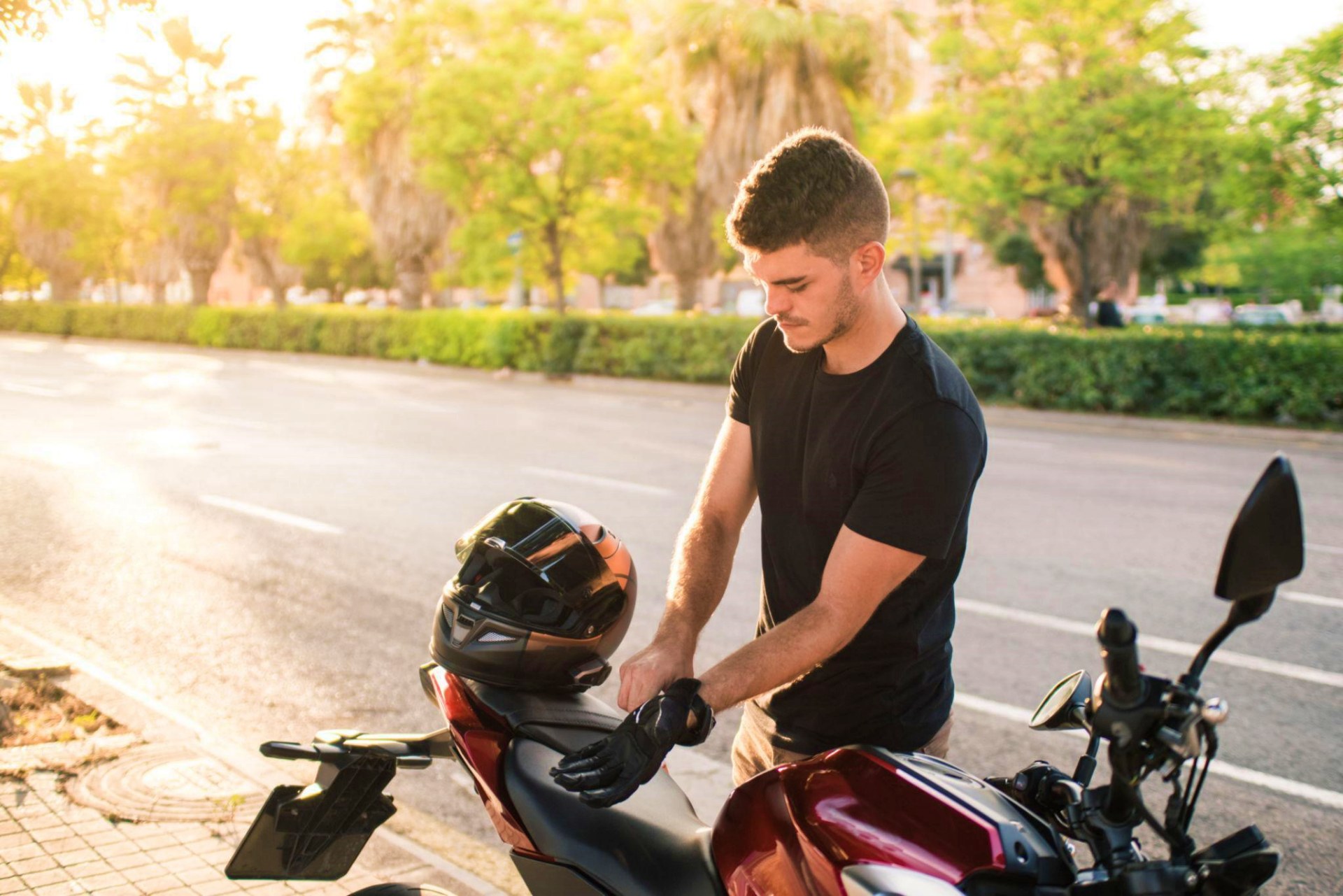
Since October 1, 2026, drivers and passengers of motorcycles and mopeds are required to wear protective gloves on interurban roads as mandatory motorcycle equipment, as well as closed footwear that covers the entire foot on any type of road. All this is included in Royal Decree 518/2026, published in the BOE on June 26. Each non-compliance is a serious infraction punishable by 200 euros and almost certainly entails the withdrawal of 4 points, although this point remains to be confirmed.
(related news title=»Mandatory equipment guide on October 1» extract=»yes» words=»20″ urls=»https://soymotero.net/noticia/guia-equipacion-obligatoria-en-moto-1-octubre/»
Up to this point, we have the part that has been told the most, but the decree brings more things. The obligation does not stop at motorcycles and mopeds: the new article 118 of the Regulation also includes tricycles, quadricycles and quads. Only vehicles with a self-protection structure and seat belt that are reflected in the technical sheet are released; Its occupants are exempt from helmets, gloves and closed shoes and what is required of them is to wear their seat belts fastened. Only BMW C1 owners would be exempt from this.
But to this are also added two other novelties with the same date of application: The reflective vest becomes part of the mandatory equipment of motorcycles, and the helmet must be approved in accordance with the UNECE R22 Regulation. For motorcycles, it is required from day one and for mopeds there will be a year’s margin to apply the changes. Interior presented the package in June as the largest reform of the regulations in two decades, and its focus is vulnerable users. We told it the same day in Goodbye to riding a motorcycle in any way: gloves, closed shoes and a vest are mandatory, and since then the BOE text has clarified several nuances.
How much does the fine cost and how to pay half
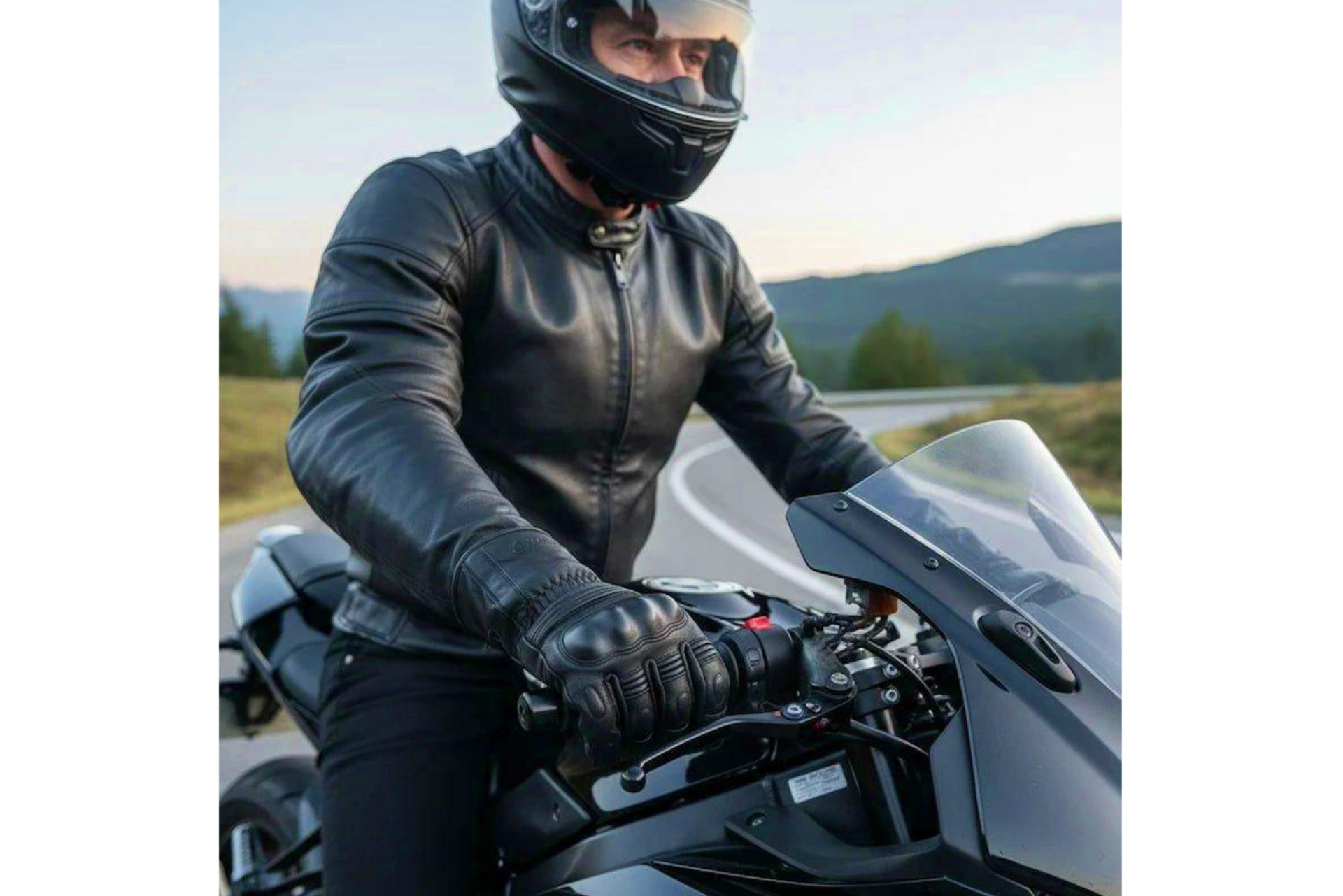
The DGT classifies as serious both driving without gloves on interurban roads and doing so without closed shoes, and sets the penalty at 200 euros for each. Like the rest of traffic fines, it accepts a discount for prompt payment: if you pay it within 20 calendar days of notification, it remains at 100 euros. Another issue is the loss of points, since serious violations normally include the loss of 4 points on the driving license.
But a detail that is often overlooked is that the two obligations also affect the passenger. If you go out on Sunday with your partner behind you and she goes without gloves on a country road, the problem is not solved by you wearing yours.
The cases that arise on a daily basis: fine or no fine
Day-to-day life is where real doubts arise. For this reason, we detail five very common cases and what the regulations for each one say regarding mandatory motorcycle equipment:
- Go for bread on a scooter with flip flops. Fine. Closed footwear is required on all roads, including in the city. Gloves, on the other hand, cannot be required within the urban area.
- The weekend departure through mountain passes, with the passenger without gloves. Fine. Interurban route and passenger included in the obligation.
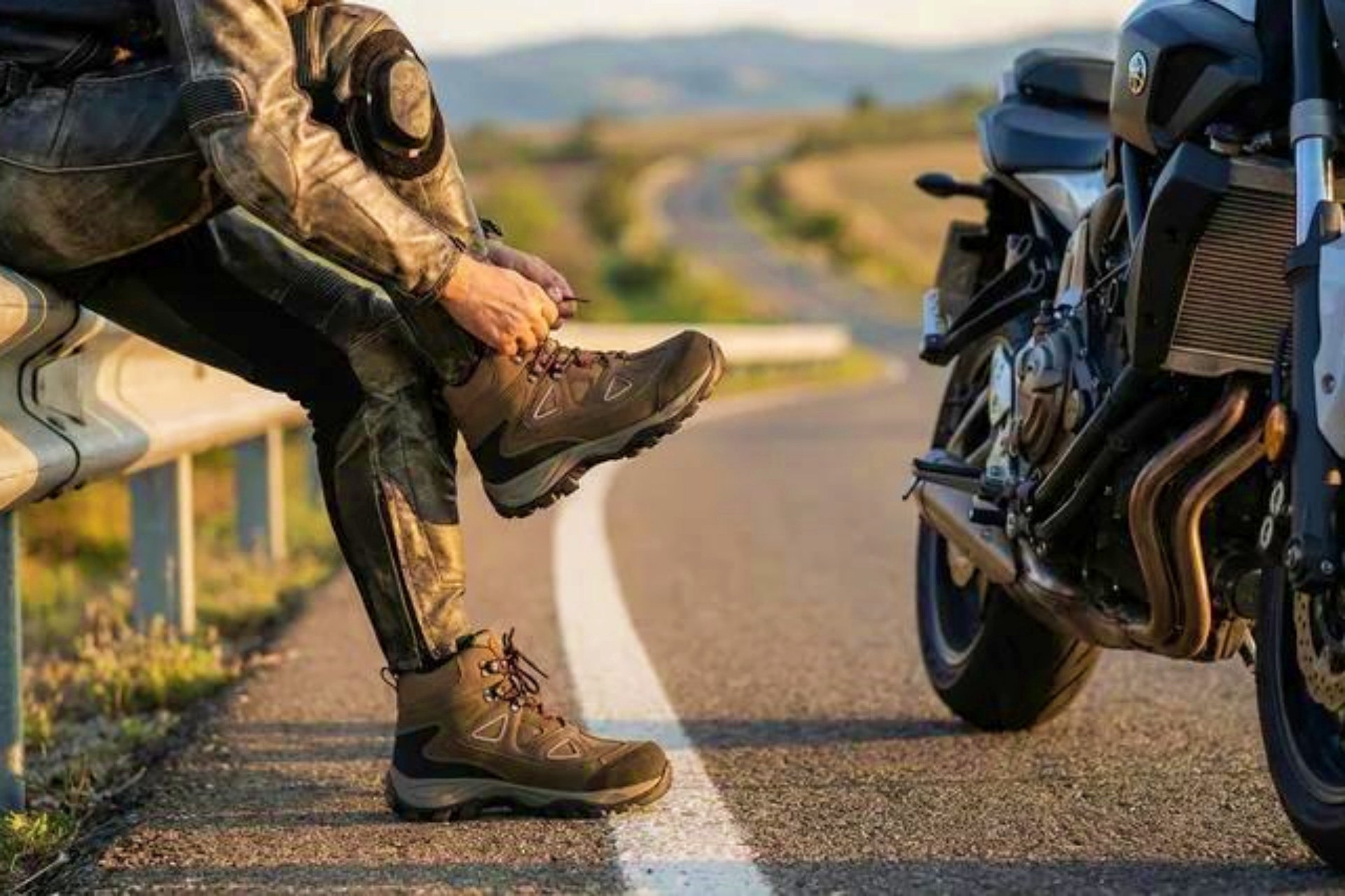
- Canvas sneakers to go to work. They comply with the letter of the standard, because they cover the entire foot. Another thing is how much they can withstand in a fall, which is rather little. Not all closed footwear offers the same level of protection. The motorcycle-specific reinforcement reinforces the heel, ankle and toes. Simple sneakers, at the moment of collision, will be scattered due to the hyperextension of the joints and will be of no use.
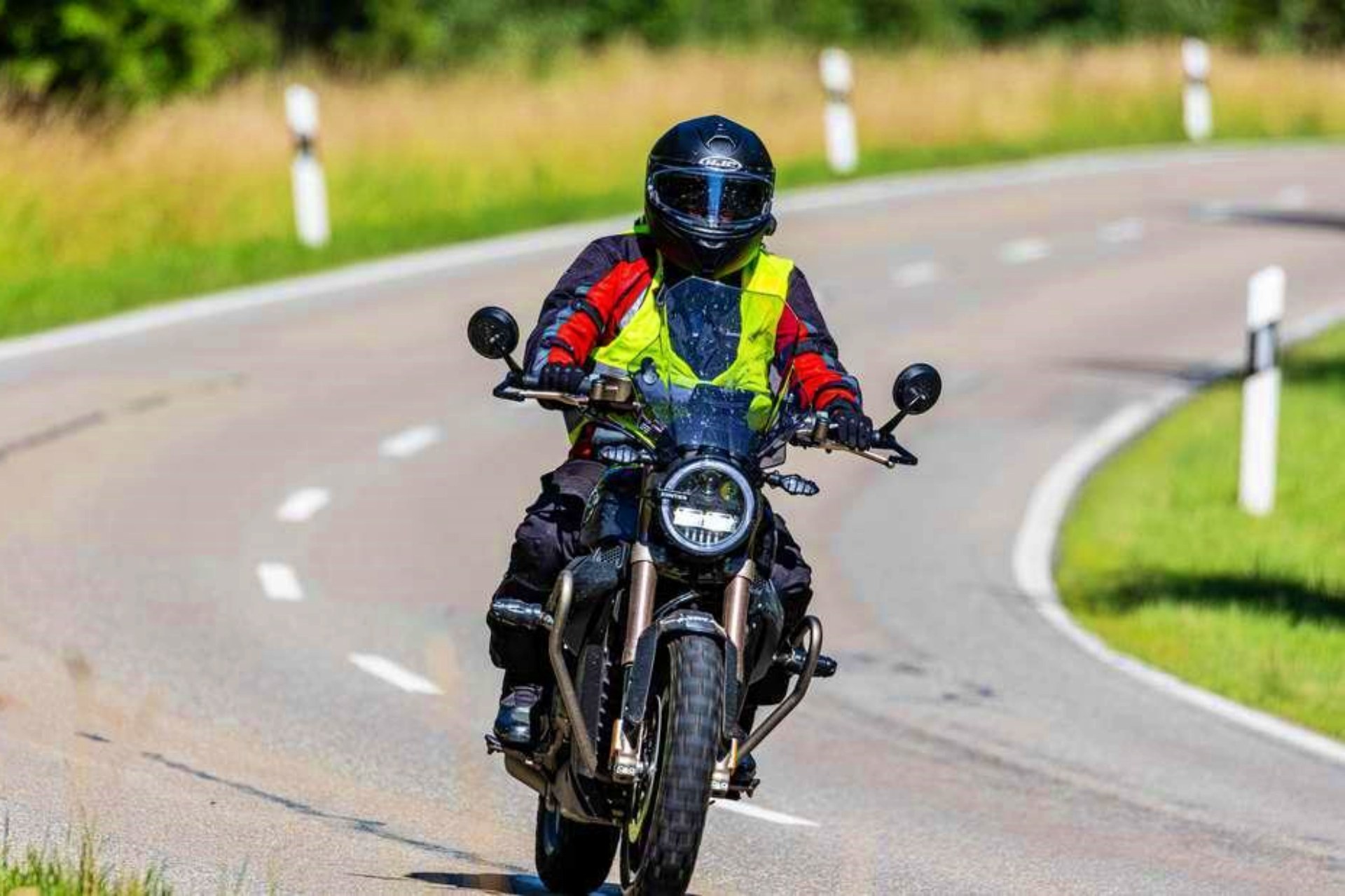
- A sports car without a gap under the seat. The vest has to go on the motorcycle anyway. The decree does not say where, so it can go on the motorcycle, in a suitcase, in the glove compartment, in a pocket, a leg bag, on the tank…
- A 49cc moped with a certified helmet. You can continue using it until October 1, 2027. On motorcycles, the R22 approved helmet is required from October 1. If you have a helmet approved for 22.5 it works, even if the current one is 22.6.
What is not mandatory motorcycle equipment, but is raising questions
Neither the airbag, nor the motorcycle jacket, nor the technical pants, nor the specific boots become mandatory. Nor gloves in the city, nor wearing the vest while riding if you don’t use the motorcycle to work (we talk about it in the next point). But you should not read this list as an invitation to go out in jeans and a T-shirt. The standard sets a legal minimum, not a safety one. Remember that you dress to fall, and you never know when that day will be.
Professionals: the vest, always on
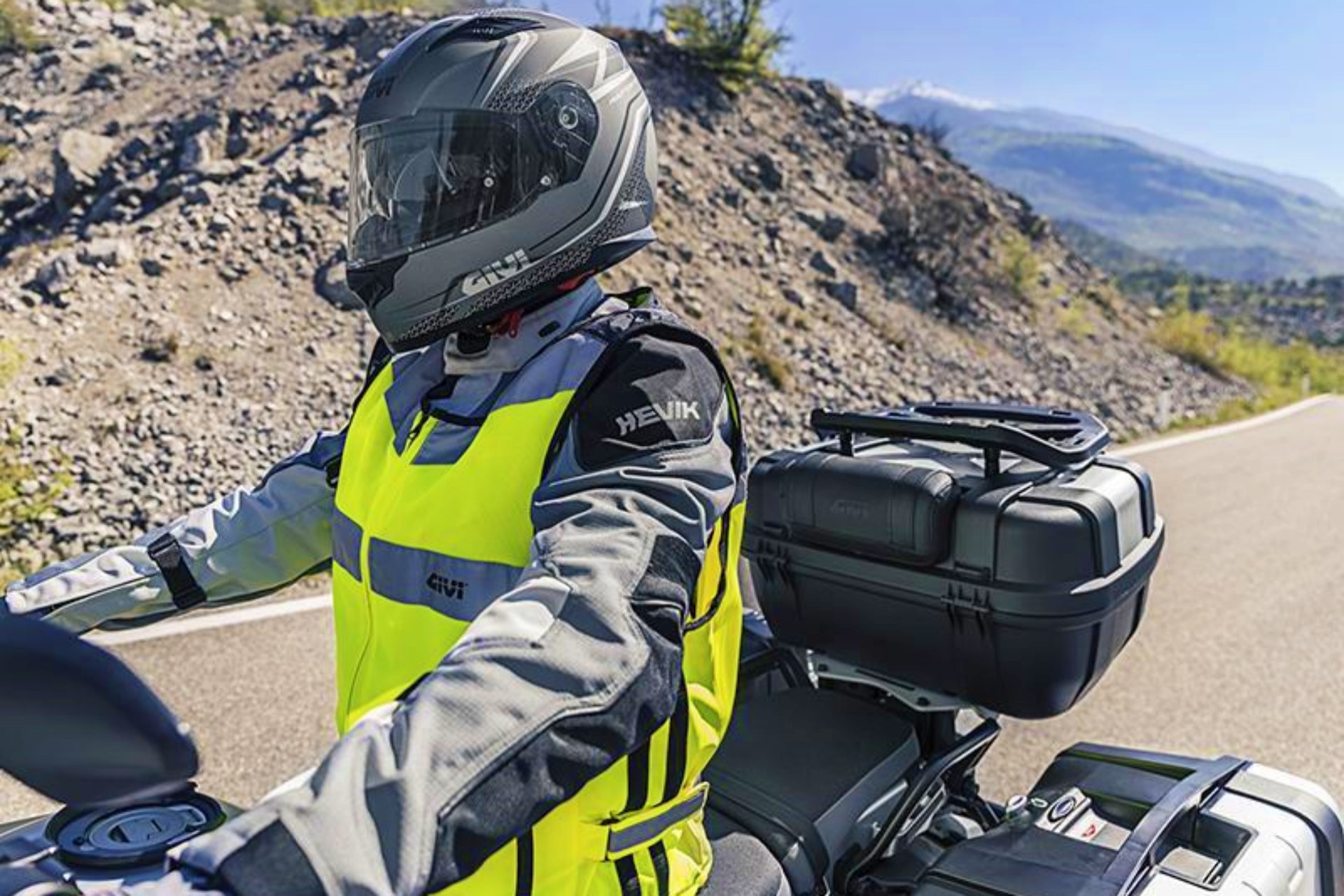
For those who work on two wheels, the decree goes one step further. Article 118.4 points out that mandatory motorcycle equipment for those “who carry out their professional activity while riding” on a motorcycle, moped, bicycle or VMP is to wear a reflective vest on all types of roads, including urban roads.
The DGT sets the penalty at 200 euros. It affects delivery drivers, couriers, driving course instructors and any other activity carried out on a motorcycle, without distinguishing between employed workers or self-employed workers.
Gloves: the ones for now are valid, until further notice
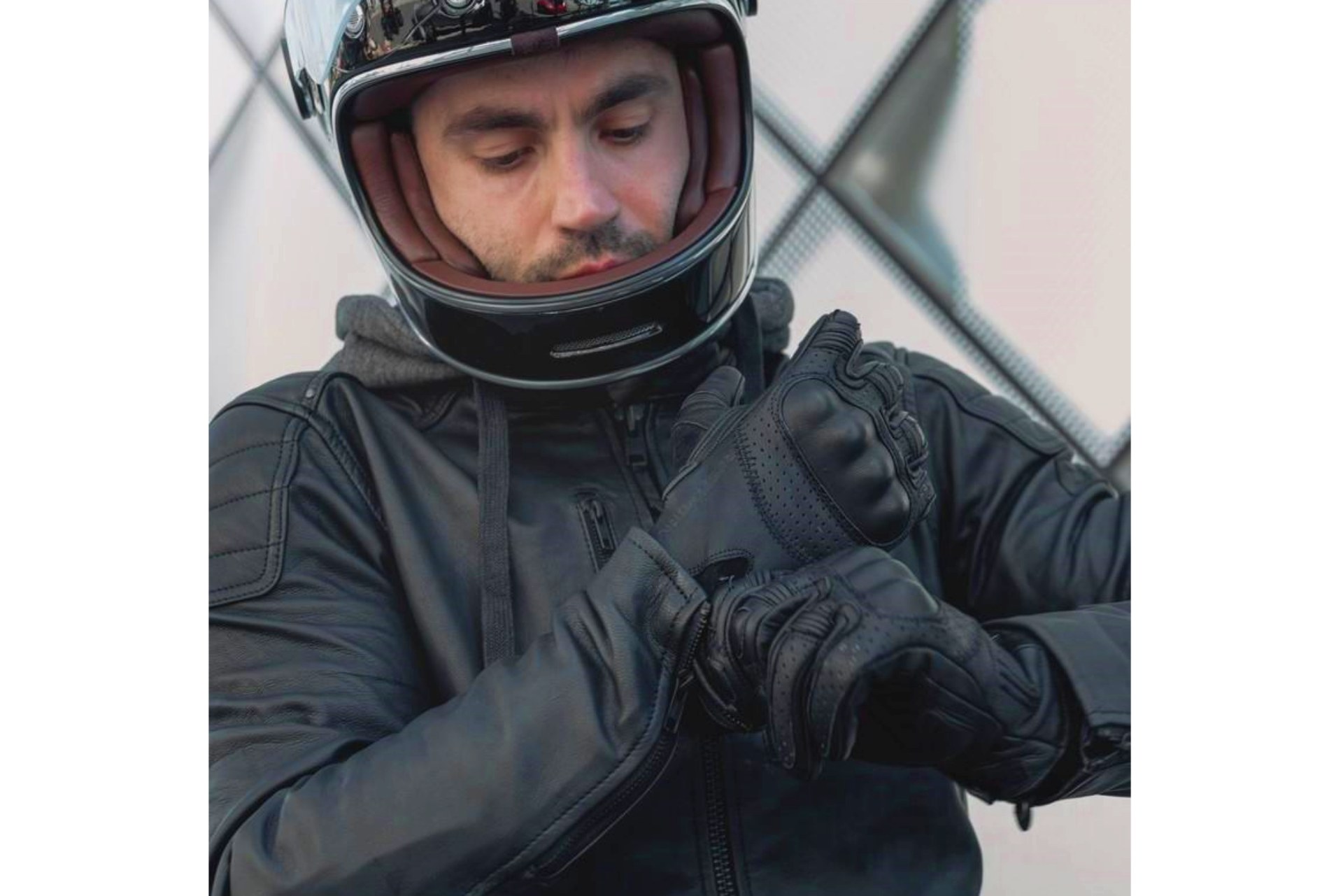
The decree speaks of “protective gloves” and leaves the technical definition for a ministerial order that, to date, has not been published. Meanwhile, the second transitional provision establishes that “protective gloves with the same characteristics as those currently used” will be used. That is, motorcycle gloves. Not just any glove will do (work, scrubbing, wool, butcher, latex), but neither can it be required today with a specific regulation like, for example, helmets.
But they are all obligations. The same decree allows motorcycles to use the shoulder in traffic jams, at 30 km/h and only on authorized sections. It has more conditions than it seems, and we will detail them in a later article.
Remember, the fall can be next to home
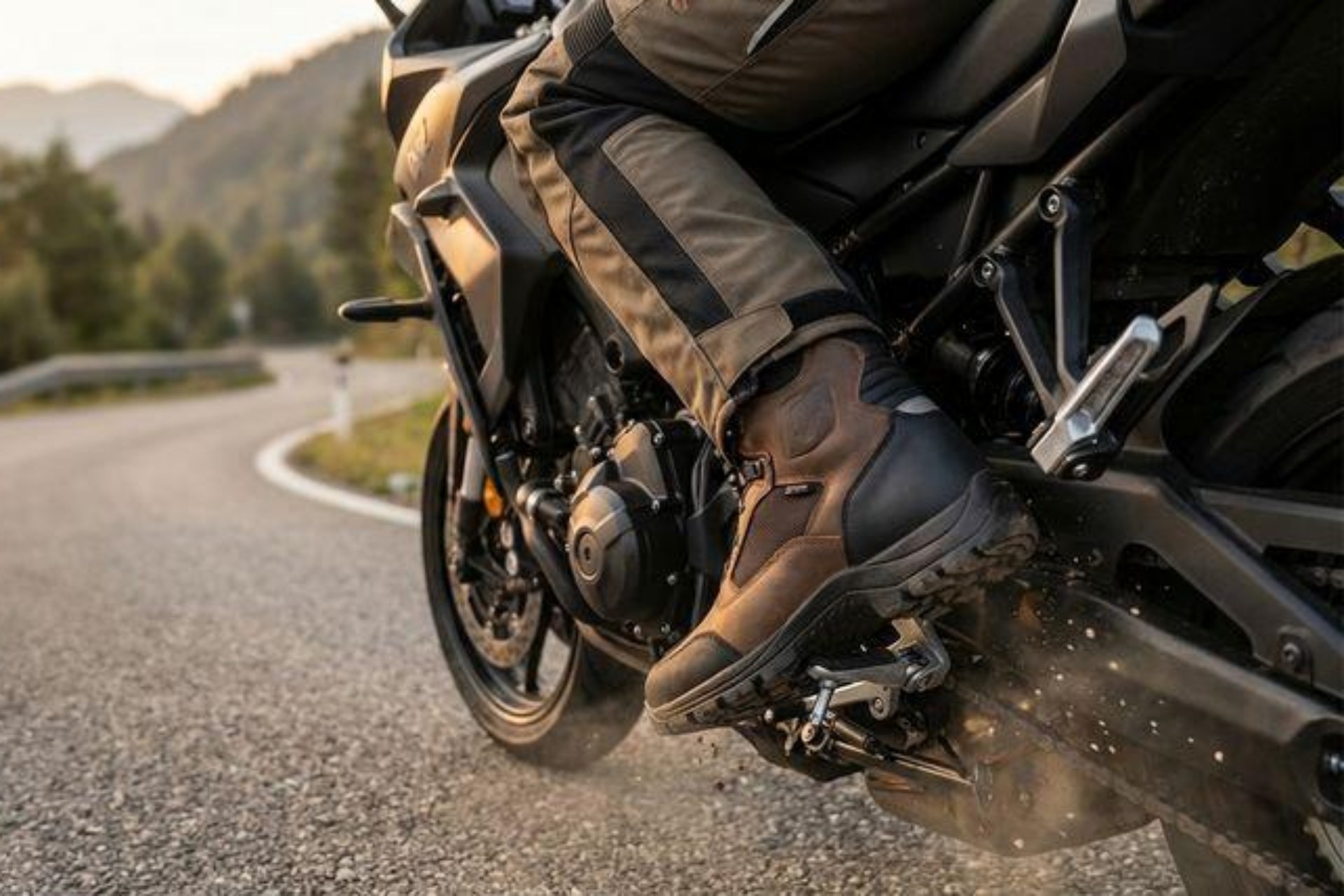
Sometimes we think about motorcycle equipment only when we are on a long trip, but a fall can also occur on a trip of a few hundred meters. Having adequate equipment, even if you are riding next door, should be part of the ABCs of any motorcycle user.
Because precisely, the short trip through the city is the one that is most done with the same things that one carries to dress casually, but there is a lot of traffic and intersections in a short time. That is why October 1 is a good time to open the motorcycle closet calmly and check that we have the necessary mandatory motorcycle equipment: protective gloves on hand, footwear that covers the foot, a vest stored on the motorcycle and the helmet label checked. It’s ten minutes and you save a fine. And if you protect yourself more, much better.
Frequently asked questions
Is it mandatory to wear gloves on a motorcycle in the city from October 1, 2026?
No. Royal Decree 518/2026 requires drivers and passengers of motorcycles, mopeds, tricycles, quadricycles and quads to use protective gloves when traveling on interurban roads. Therefore, this obligation does not exist on urban roads, although it is still advisable to use them.
Is motorcycle footwear mandatory to ride a motorcycle?
Not necessarily. The standard requires closed footwear that covers the entire foot, but does not establish that it has to be specific motorcycle footwear. Therefore, closed shoes may meet the legal requirement, although footwear designed for motorcycles offers a much higher level of protection against a fall.
Do I have to wear a reflective vest on the motorcycle from October 2026?
Yes. From October 1, 2026, motorcycles must carry a high-visibility reflective vest among their mandatory equipment. The driver must put it on when leaving the motorcycle and occupying the road or shoulder of an interurban road. Drivers who carry out a professional activity riding a motorcycle must wear it on all types of roads.
What helmet will be mandatory on motorcycles from October 1, 2026?
Drivers and passengers of motorcycles must wear a helmet approved in accordance with UNECE R22 Regulation and correctly fastened. For mopeds there is a transitional provision: for one year from the entry into force of the decree, certified helmets may continue to be used, so the new homologation requirement will apply to mopeds from October 1, 2027.
Does the passenger of a motorcycle also have to wear gloves and closed shoes?
Yes. The new obligations are not limited to the driver. Article 118 establishes that drivers and passengers of motorcycles, mopeds, three-wheeled vehicles, quadricycles and quads must wear a helmet, gloves when traveling on interurban roads and closed footwear that covers the entire foot.