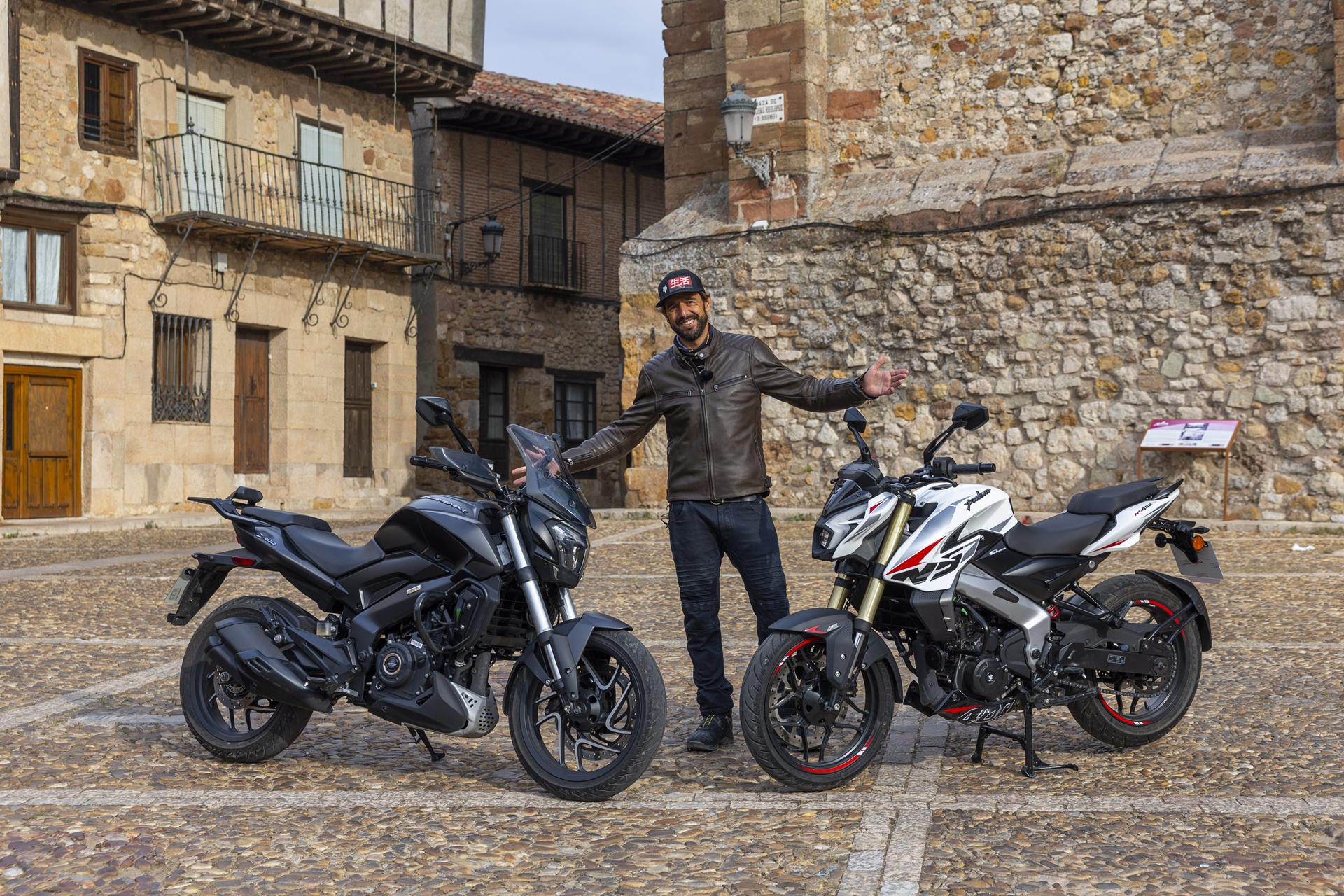
Bajaj Pulsar and Dominar 400 a very reasonable option.
For decades, in Spain we have lived under a maxim that seemed practically unquestionable: “big horse, whether it walks or not“In the world of motorcycles, this philosophy has had a very clear translation: more displacement, more power, more equipment, better suspensions, more sophisticated brakes and, of course, an increasing price.
For years we have seen how motorcycles with 100, 120 or even more than 150 HP became relatively common among users who, in many cases, neither needed nor had the necessary experience to take advantage of such potential. Cubications above 1,000 cc were our daily bread.
But the market is changing…

It’s not just the big trail bikes that are beginning to explore more rational displacements. Brands are recovering medium-displacement engines and more A2 motorcycles are no longer seen exclusively as an intermediate stage before making the leap to a large motorcycle. And, above all, more and more users are beginning to ask themselves something that perhaps we should have asked ourselves a long time ago:
What motorcycle do I really need?
It is difficult to answer this question because it forces us to let go of many prejudices. Don’t think about what motorcycle you would like to have, or what motorcycle you can buy. The key is what motorcycle you need for your daily life.
And that is precisely where a motorcycle of around 400 cc and about 40 HP starts to make a lot of sense. During these days we have been able to test two Bajaj models, the Pulsar 400 and the Dominar 400, traveling different types of roads and using both practically as any normal user would: city, highway, secondary roads, curves and daily trips.
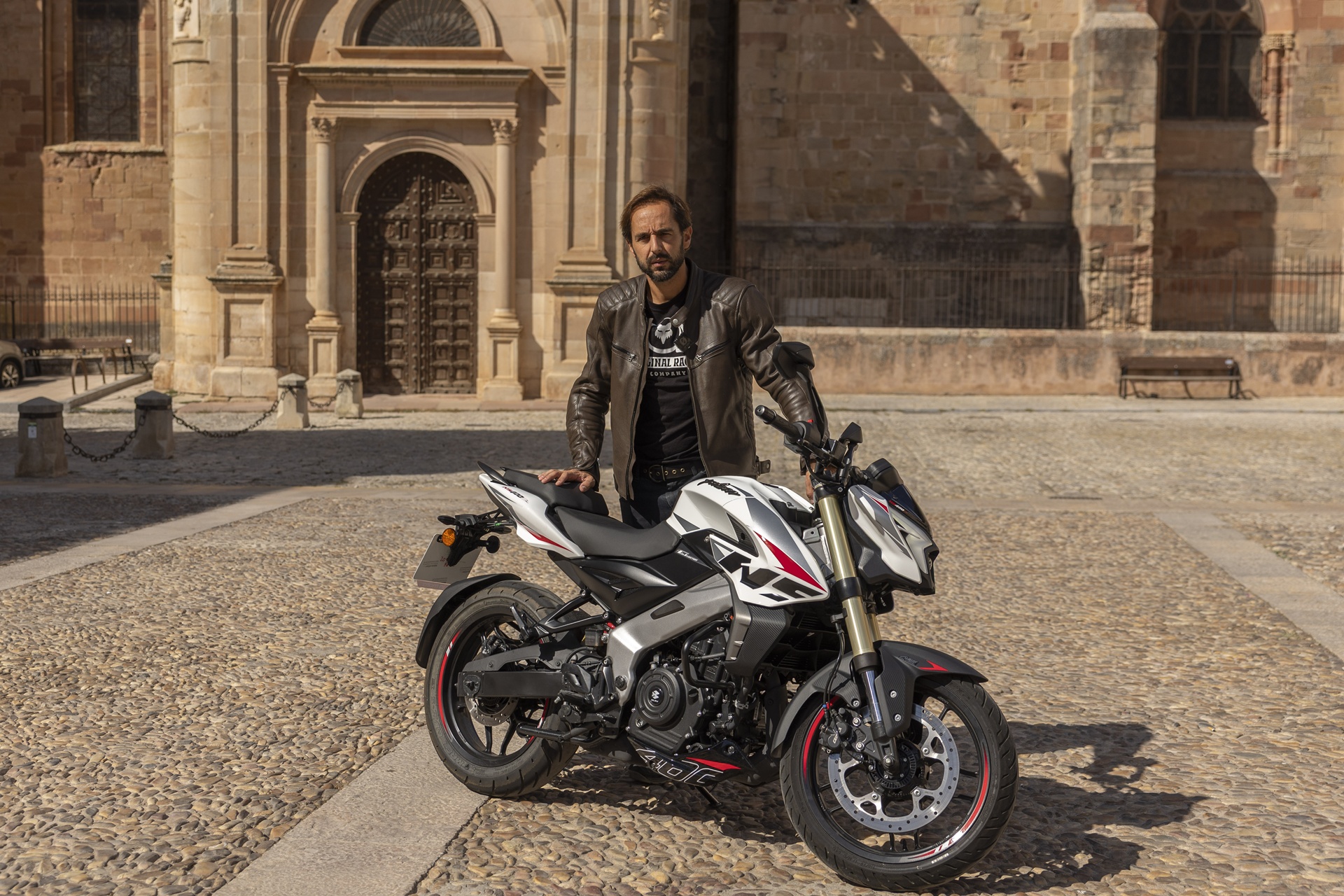
And experience has led me to a fairly simple conclusion: Maybe we have been buying too many motorcycles.
The first thing to do is to banish a fairly widespread idea: that a 400 cc motorcycle is a “small” motorcycle or that 40 HP is insufficient. They are not. A motorcycle of around 40 HP, especially if it is light, is capable of moving with great ease in practically any everyday scenario.
It allows you to drive on the highway, overtake, merge safely, travel, climb mountain passes and enjoy a curvy road. It has a top speed of almost 170 km/h!
And it also does so with a feature that I find especially interesting: it is a power that can really be used. Because here there is an important difference between having more than 100 horses in your fist and 40 horses.
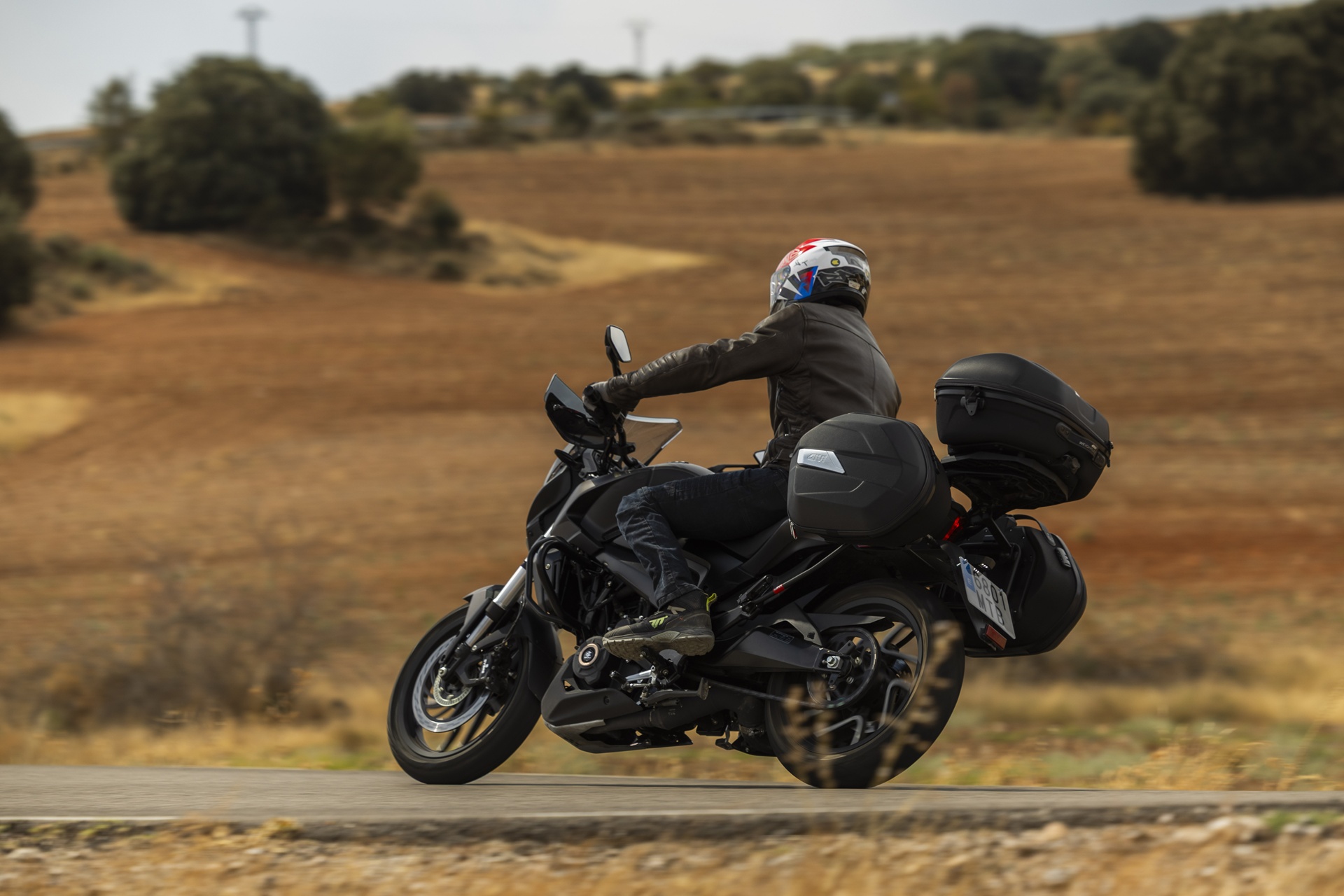
A high-end motorcycle with more than 100 horsepower will give us impressive sensations. Acceleration, braking, cornering, smoothness… technology. A pass. But the reality is that, on the open road and especially in everyday life, a very small part of those features is actually available to be used reasonably.
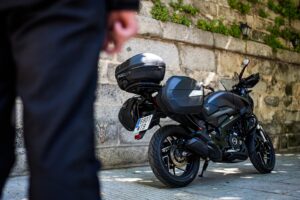
With 40 HP, on the other hand, you can open the accelerator hard, take advantage of all its travel and really feel that you are using a good part of everything the bike offers you. And that’s also fun and makes you feel like a better pilot.
True luxury: not needing more
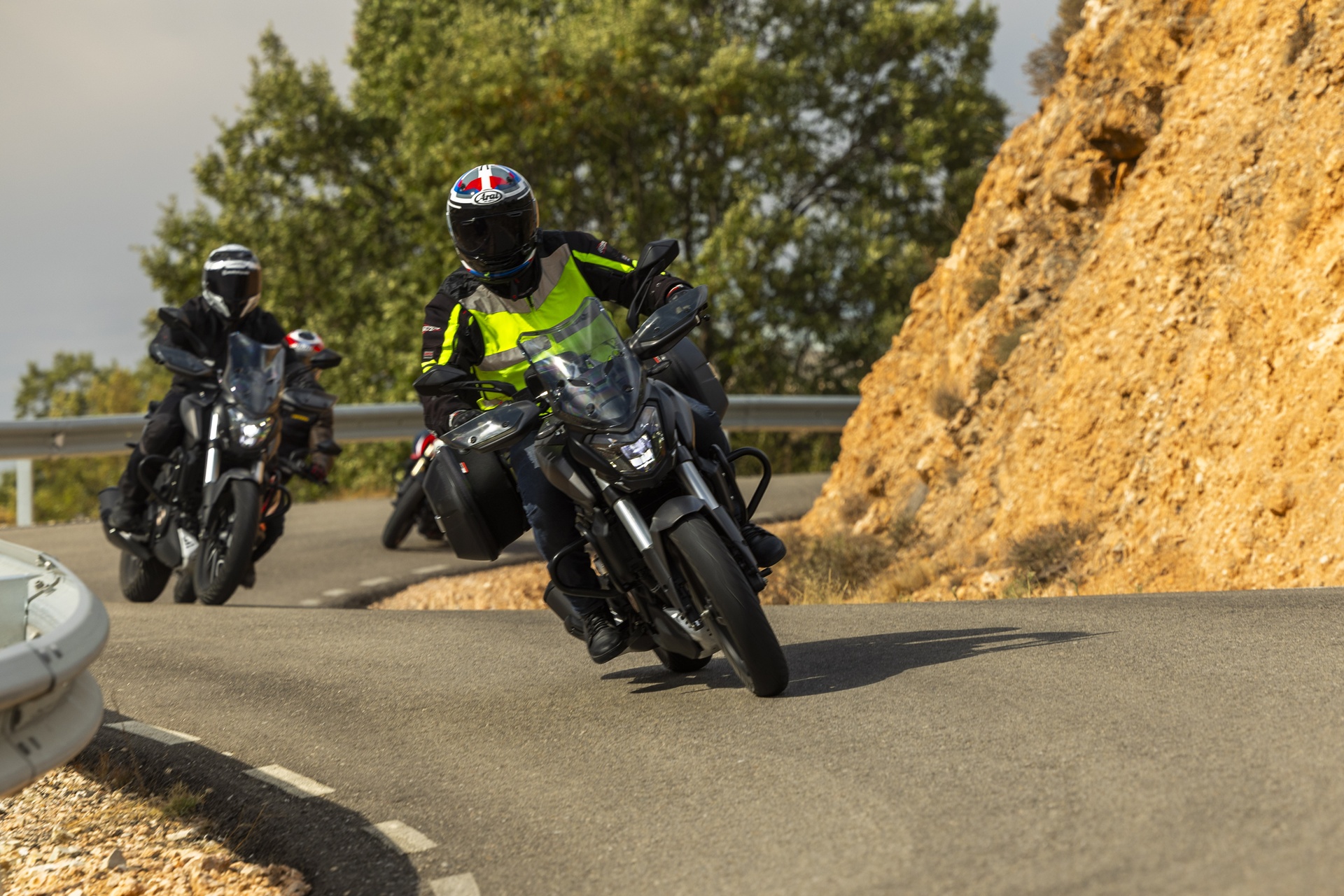
The Pulsar 400 and the Dominar 400 share a philosophy that I find especially interesting. They are simple, robust and relatively light motorcycles, equipped with a single-cylinder engine of almost 400 cc that offers a very lively response. They do not intend to compete with a super naked or a 150 HP maxitrail. And that is precisely why they work.
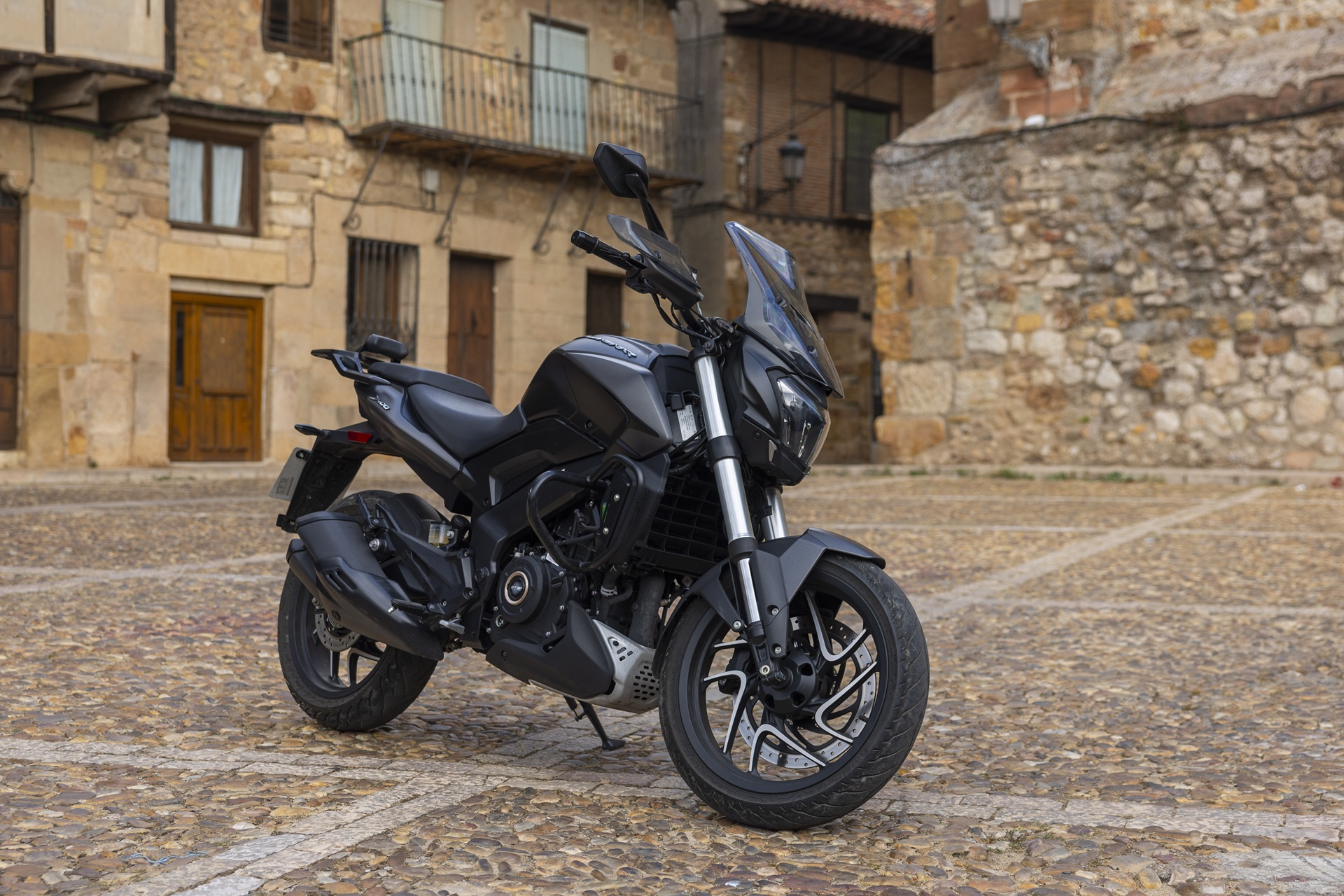
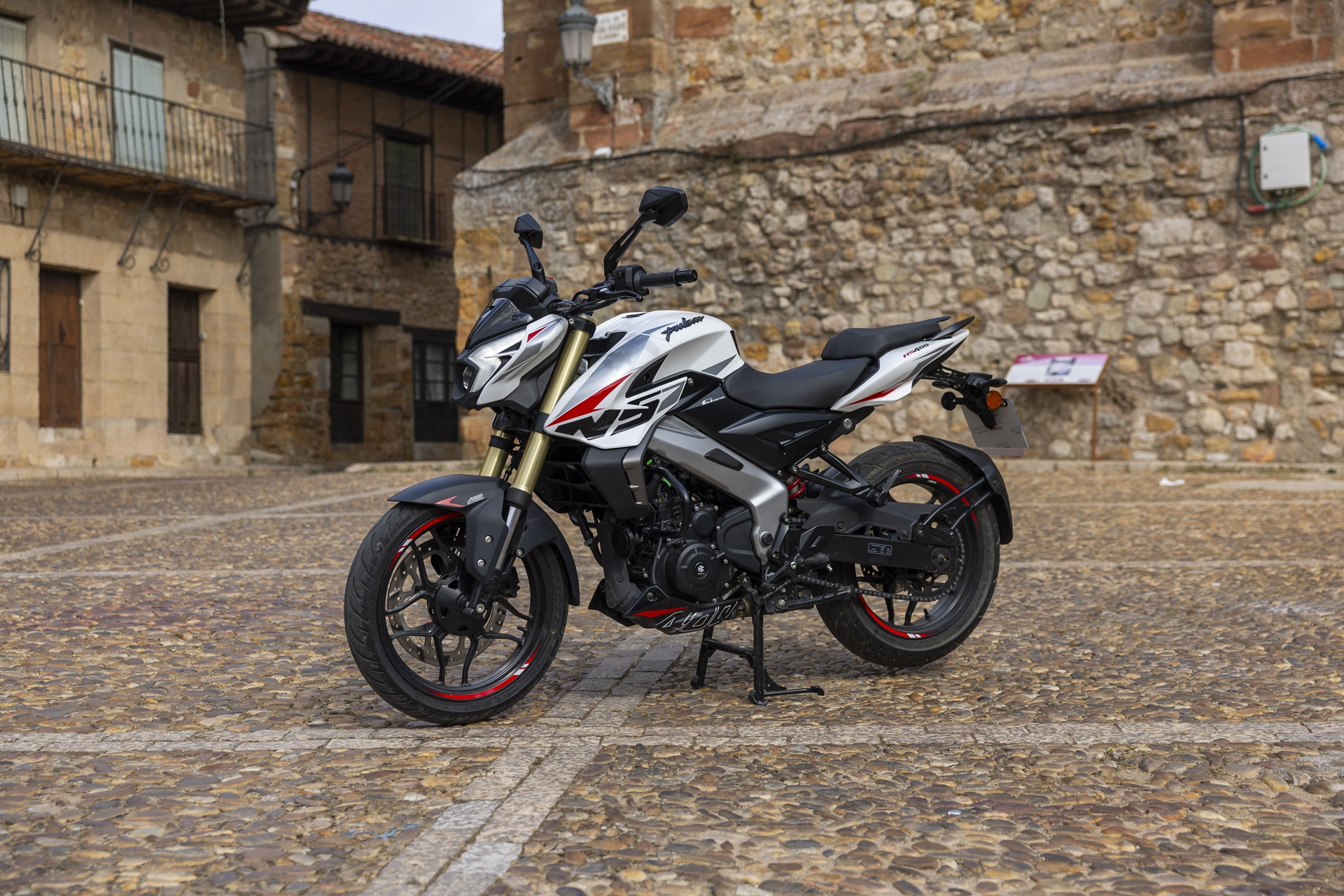
The Pulsar has a naked approach, with an aggressive design and modern electronics. The Dominar, for its part, has a philosophy somewhat closer to the asphalt trail concept and a position that can be especially practical for covering more kilometers. In markets like India, furthermore, this type of single-cylinder motorcycles are also used on unpaved roads and paths, which says a lot about the philosophy of robustness with which they have been conceived. They are two different motorcycles, but with the same idea behind them: to do a lot with relatively little.
Economical is not just the purchase price
When we talk about an affordable motorcycle, we usually think exclusively about how much it costs to buy it. And it is a mistake. An economical vehicle can also be one that costs little to maintain.
The data speaks for itself:
- Consumption: With consumption that can be below 3 liters per 100 kilometers. Calculate the annual fuel cost…sometimes it’s almost ridiculous. If you drive 5.00 kilometers a year, you will spend approximately 250 euros on gasoline. About 20 euros a month.
- Component wear: One of the great advantages of a motorcycle with contained power lies in something that often does not appear in the technical sheets: the cost of wear and tear. Tires, brake pads, transmission kit, clutch… And all those elements that inevitably suffer with use.
It does not mean that a 40 HP motorcycle does not wear out these components. Obviously it does, but the demands to which certain components are subjected are lower than on a much more powerful and heavier motorcycle. You don’t need a tire capable of withstanding brutal accelerations. You do not need a braking system sized to stop a 250 kilo machine traveling at very high speeds. You are not constantly subjecting the mechanical assembly to enormous loads. And in the end all that translates into something very simple: less money and less worries. Motorcycle maintenance still exists. You must check, change oil, tension and lubricate the chain and comply with official inspections. But the general feeling is that of having a simple tool that does not demand too much.
- Psychological cost: This is probably one of the arguments that made me think the most during this test. What do you feel when you park a 4,000 euro motorcycle on the street? And what do you feel when you park a 15,000 or 20,000 euro motorcycle?
The answer is surely not the same. When you have a very expensive motorcycle, every time you leave it out of sight there is an additional worry about how you will find it when you return. Even if you are extremely careful, that concern is there. And, honestly, it conditions. You may end up looking for where to park. You can avoid certain sites. You can think twice about whether to take the motorcycle or the car. With an economical motorcycle that concern practically disappears or is greatly reduced. And that carefreeness is also a form of quality of life.
Ease of control and lightness
Another of the great arguments of motorcycles in this category is weight. A light motorcycle is a motorcycle that is easier to handle in any circumstance: When stopped. When parking. When moving it. In traffic jams. In city. And, of course, in the hands of a driver who does not have much experience.
Reaching the ground reasonably well, having a comfortable position and being able to move the motorcycle easily are aspects that often disappear when we start looking for increasingly larger motorcycles.
The paradox: a more powerful motorcycle is not always a faster motorcycle in real life.
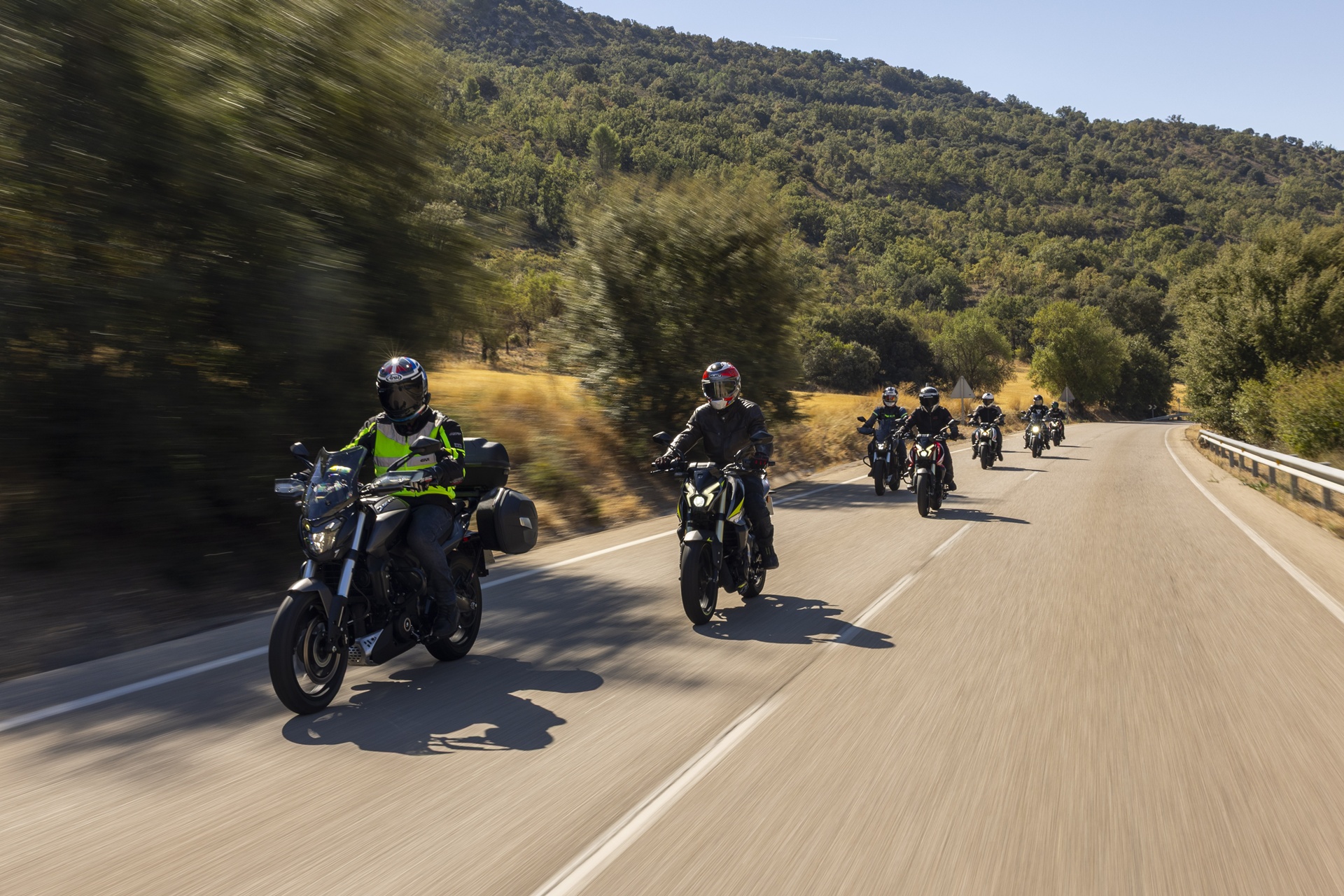
In the city, for example, a light and narrow motorcycle can handle very easily. On certain urban trips, it can even allow you to arrive faster than a much more powerful motorcycle simply because it is more manageable and requires less effort.
From point A to point B, is there really that much difference?
This is another interesting question. Let’s imagine traveling from Madrid to any nearby town. Are we going to arrive much sooner with a 100 HP motorcycle than with one with 40?
In strictly performance terms, obviously there is a difference. But when we talk about real traffic, with traffic, speed limits, traffic lights, junctions, roundabouts and congested roads, the time difference can be much smaller than we imagine. In fact, it is practically nil if we respect the speed limits.
And that brings us to an interesting question: We are paying a lot of money for features that we may only be able to use for a very small fraction of that motorcycle’s entire useful life.
The A2 is no longer a limitation
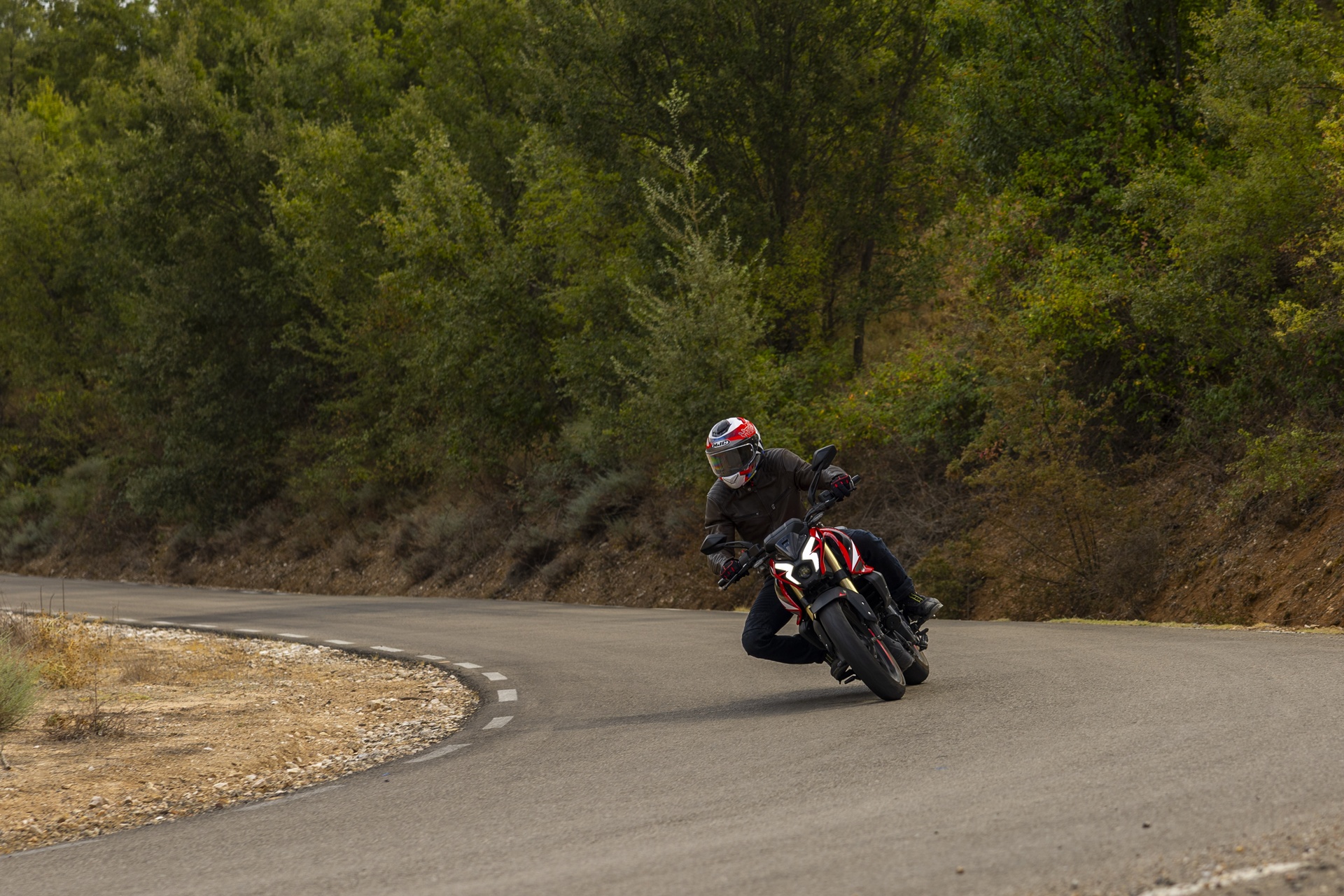
For years we have considered the A2 license as a kind of transition period. “I get the A2 and in two years I will buy a big motorcycle“But perhaps we should start to change that mentality. Because an A2 motorcycle does not have to be a passing motorcycle. It can be the definitive motorcycle for many people who prioritize logic over other aspects when making the purchase decision.
You don’t have to be hypocritical. A motorcycle with an A2 engine does not transmit the same as a superior one. It is undeniable that at the level of sensations it is a lost battle. But having fun on a motorcycle is not exclusively about having maximum performance. It also consists of knowing how to take advantage of them.
And a light motorcycle, with an engine with character, direct response and good behavior in corners can provide a lot of satisfaction. In fact, there is a very particular fun in riding a motorcycle trying to get everything out of it.
Robustness is also part of the equation
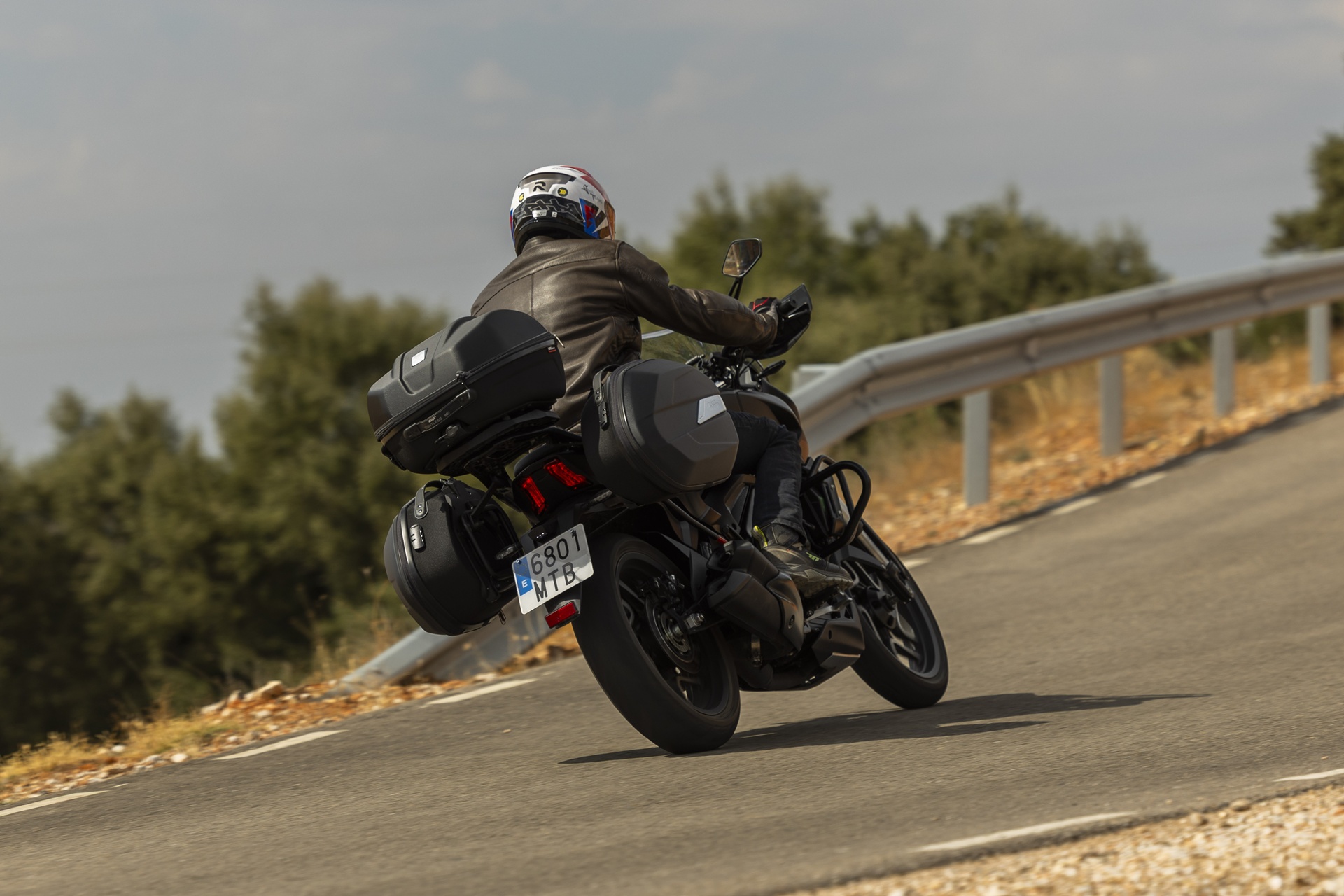
There is another aspect that I find especially interesting in the case of Bajaj. These motorcycles are designed for markets where the motorcycle has a very different importance than it does in Europe. In countries like India, the motorcycle is a fundamental mobility tool for millions of people. And robustness, mechanical simplicity and operating costs are fundamental factors.
Bajaj has a huge international presence and models from this family are used in markets such as Latin America, where the motorcycle is part of the daily lives of millions of users. In Colombia alone they sell more than 100,000 Bajajs a year.
If in countries with roads in worse conditions they are the perfect weapon for the daily lives of thousands of people… Imagine how long they can last in Europe.