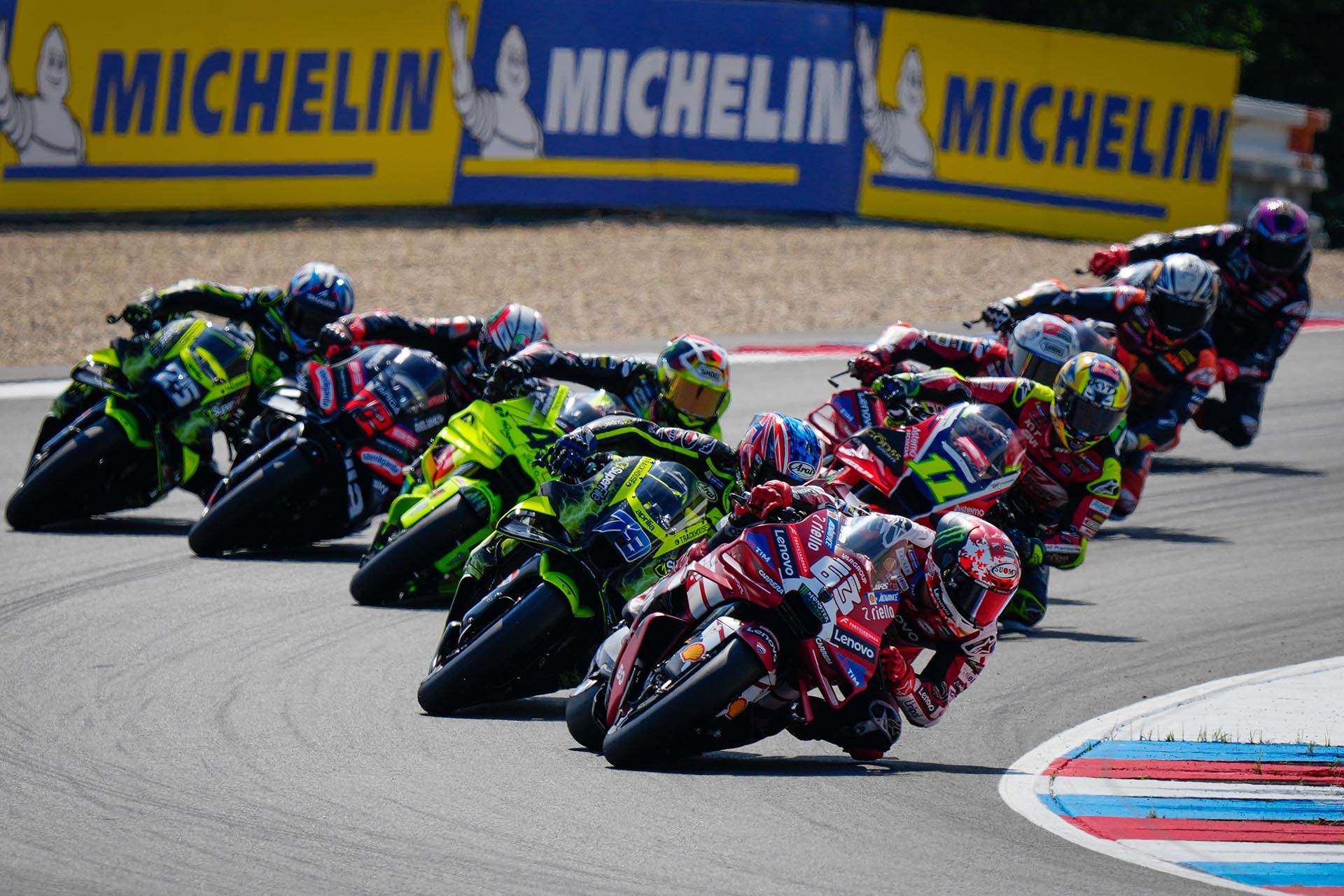
Grandiloquent advertisements and agendas to look good to the public usually have a B side that others always end up paying for. In MotoGP this is no exception, and the self-demand of having 100% non-fossil gasoline is one of those situations in which an idea taken in an office costs thousands of euros to the rest.
Currently, MotoGP fuel costs between 10 and 15 euros per liter. It is a gasoline in which 40% must come from non-fossil origin. It has already caused the price of competition fuel to practically double although, like everything in prototype racing, knowing the exact cost is not so simple.

But things are going to get much uglier as the latest information reveals. By 2027 there will not only be a change in the technical regulations that include displacement, but also a change in the supplier of tires and fuel, which will have to be 100% of non-fossil origin, whether synthetic or bi-fuel. Paradoxically, it will be this last change that will complicate life for everyone on the grid, although it will especially be more difficult for the private teams.
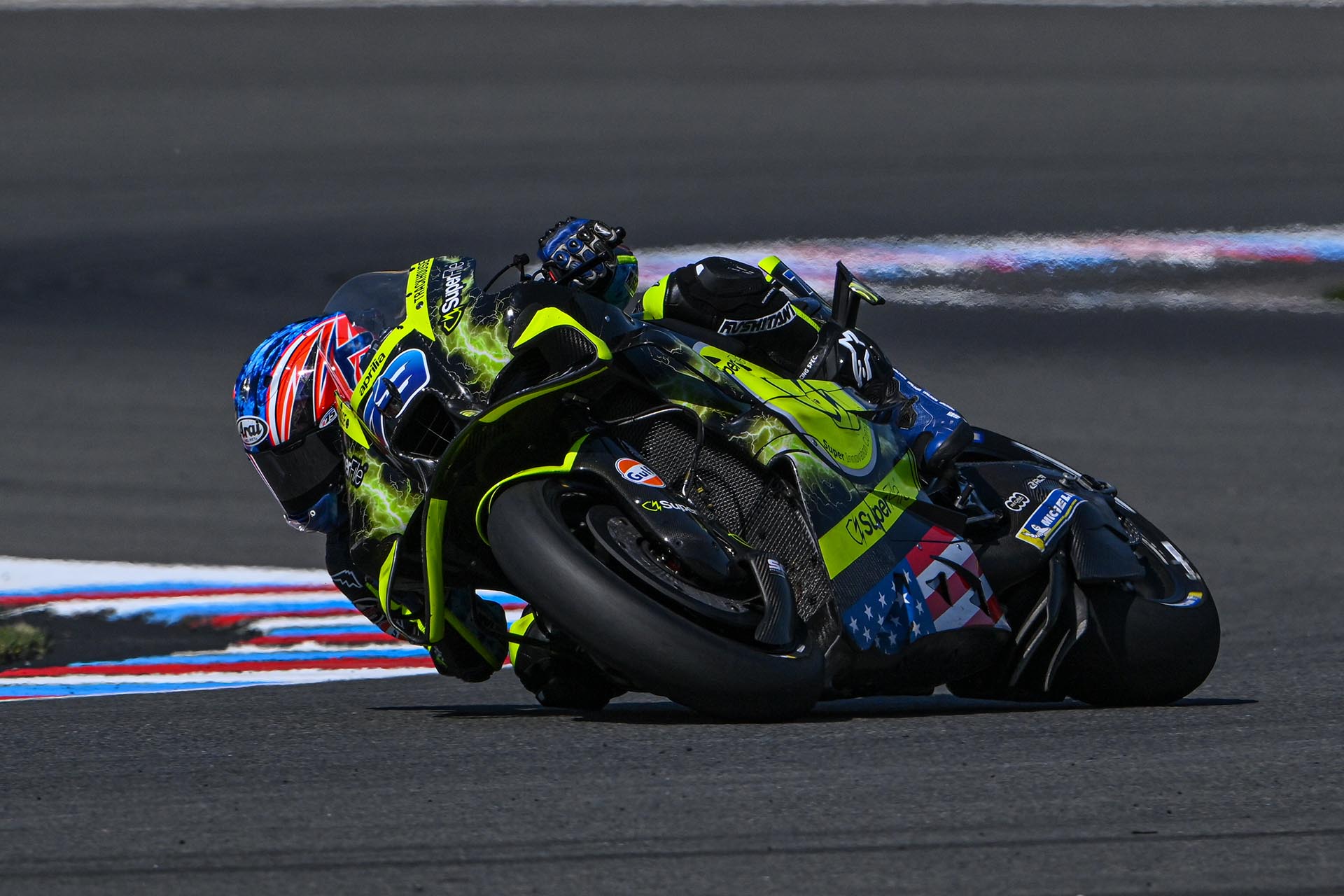
And although there are no official prices, during the Austrian GP it was reported that ETS Racing Fuels has offered Aprilia the new fuel, no more and no less, than 86 euros per liter. We are talking, therefore, of practically multiplying by eight the cost that the teams would have with respect to the current season.
Gasoline could cost more than 200,000 euros per driver and season
But the complicated thing about such a high price of the new gasoline is not the cost per liter. Things get really ugly when estimates are made of what a team spends for each driver it has on the track during a weekend. To cover all the current sessions, each driver consumes about 105 liters, so the budget for a GP would be above 9,000 euros. If we multiply it by the 22 events, the figure rises to almost 200,000 euros per driver in gasoline alone.
We must add to these numbers the test days, about 245 more liters, which is neither more nor less than 21,070 extra euros. Remember that we are only talking about official drivers and a supposed cost of 86 euros liters. Be careful, in F1 the price per liter greatly exceeds these figures. Depending on the provider, the range ranges between 170 and 225 dollars, approximately between 150 and 200 euros at the current exchange rate.
In addition to all this, we have the costs of the tests of the test drivers in the case of the brands and, of course, the hours on test benches. To give you an idea, the approximate consumption of a MotoGP is one liter every minute and a half.
So the situation is quite complex and even more so in the case of private teams, for which obtaining technical sponsors is more complicated because they do not have the commercial part of the brand. And not only that, MotoGP would have proposed a solution that included a single fuel for all in exchange for great sponsorship, something that the brands opposed.
The next point they are working on now is for the championship to cover the teams’ fuel costs, but allowing the teams to continue having their own sponsorship. That is, they would all have the same fuel but the stickers would be different.
The paradoxical thing about this whole situation is that the fuel consumed by the MotoGP on the track is insignificant compared to the millions of liters that are burned to move the entire World Cup caravan around the world in trucks, cars and planes. In the end, the positive or negative footprint of the motorcycles themselves on the track is ridiculous, a drop in the middle of the ocean. But, as we said, that’s what you have to do when you make decisions thinking about how handsome you are.