The case of KTM, and how the entire business group was on the brink of the abyss, is a management lesson worth learning. The way things got out of control, and the group led by Pierer almost disappeared when everything seemed to be going well, is something that should not go unnoticed. Nor should it be overlooked that without Bajaj, the Austrian manufacturer would most likely be little more than a memory.
And while the ship had leaks that made many think about jumping overboard, Bajaj jumped in with a loan of 450 million euros to begin the restructuring, and finance the process that the courts allowed to save the company. Then, the Indian manufacturer has continued to inject liquidity, with another 350 million euros, and has become the majority owner of KTM.

Right now, Bajaj owns 74.9% of the brand and not only that, in just over a year positive movements have begun to be seen. So much so that the year-on-year sales increase is at 125%, and first quarter revenue is 70% higher as well. Furthermore, if the entire group is added (KTM, Husqvarna and GASGAS), the revenue increase for the first quarter of 2026 is 151% higher than the first quarter of 2025.
Bajaj has a future plan for KTM and does not rule out including partners in it
This has been possible thanks to all the changes that have been taking place, and which seem like a prelude to those that could come in the future. And Bajaj seems to be open to finding a partner that will allow the project to continue growing. Of course, it is not that the Indian manufacturer is looking for it according to Rakesh Sharma (Deputy Managing Director of Bajaj), but that they would be open to listening to offers.
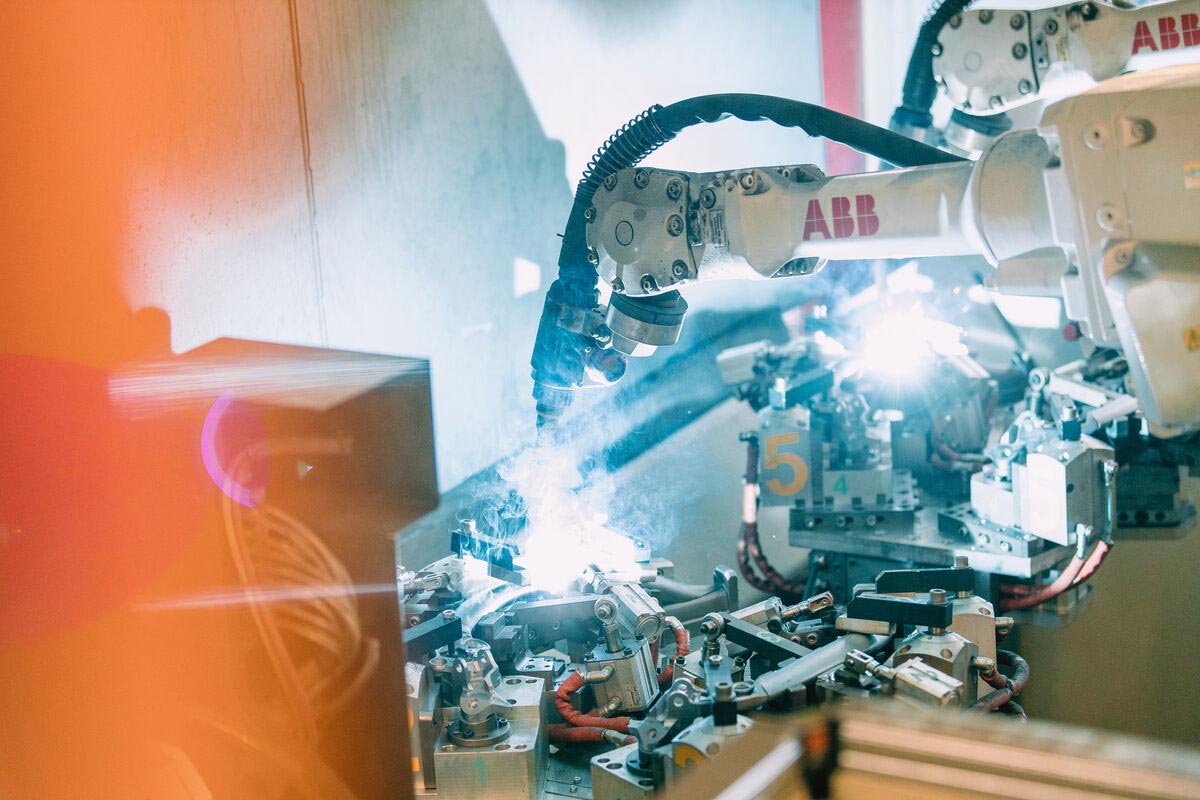
Even so, this would be one of the changes because the most important at the moment seems to involve trying to integrate KTM’s purchasing process into the global network already established by Bajaj. This measure, always on paper, would increase profit margins by reducing operating expenses. Some operating expenses that would also be reduced if more production is taken to India.
The challenge, in this case, would be to maintain the KTM at the same level they are now and continue betting on quality instead of seeking to lower prices. That, along with the rest of the distribution and sales work, would allow the Austrian brand to continue being one of the leaders in the sector and finish leaving behind the darkest moment in its history.