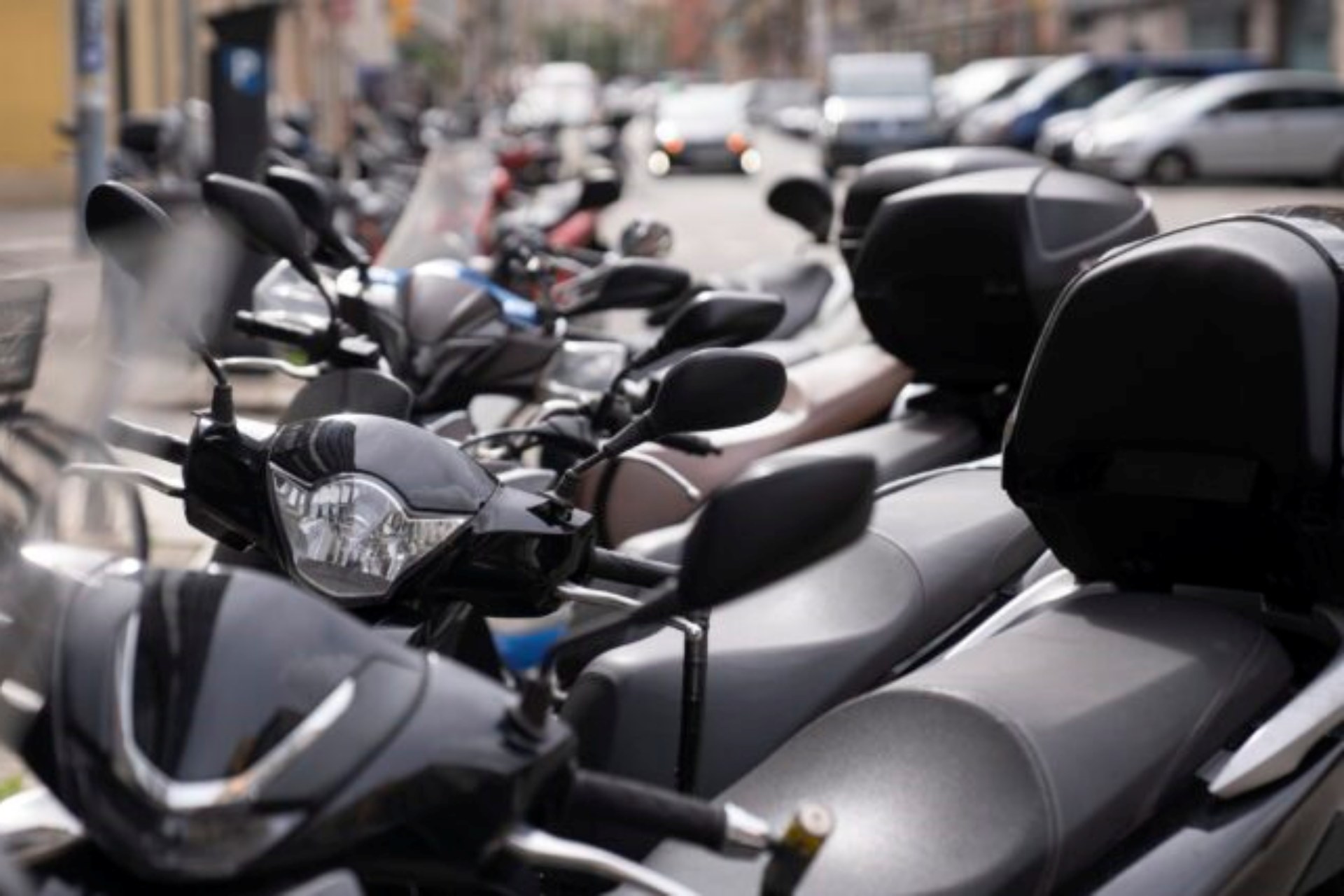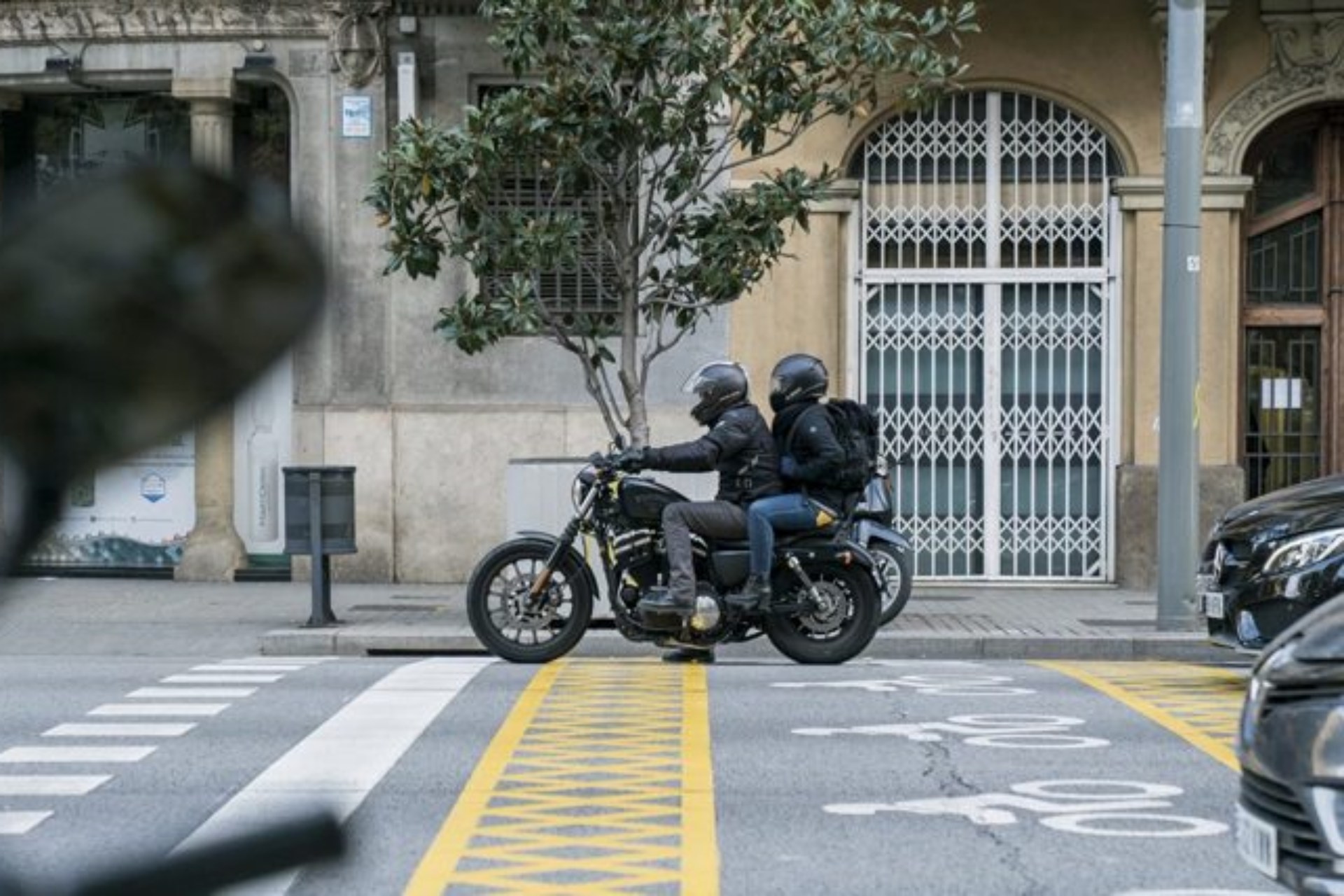
Yes, Barcelona is preparing a new battery of measures to improve the safety of motorists on its streets. The City Council wants to reinforce the well-known ZAMthe advanced areas for motorcycles located at traffic lights, and will carry out 2 pilot tests with solutions aimed at improving the protection of motorcycle users and increasing their visibility at certain points of the road network.
The actions will begin to be carried out at the end of 2026 and will continue during 2027, within the work carried out by the Barcelona Motorcycle Observatory. An initiative in which the City Council, Motoristes per Barcelona, the victims’ association P(A)T, ANESDOR and the DGT participate.
As we are telling you, the initiative comes at a time when the safety of bikers continues to be one of the great challenges of urban mobility. The DGT considers that infrastructure constitutes one of the 3 major pillars to reduce the consequences of accidents, along with prevention and protection systems. Unfortunately, in 2024, 441 colleagues died on the road.
Barcelona will expand advanced areas for motorcycles
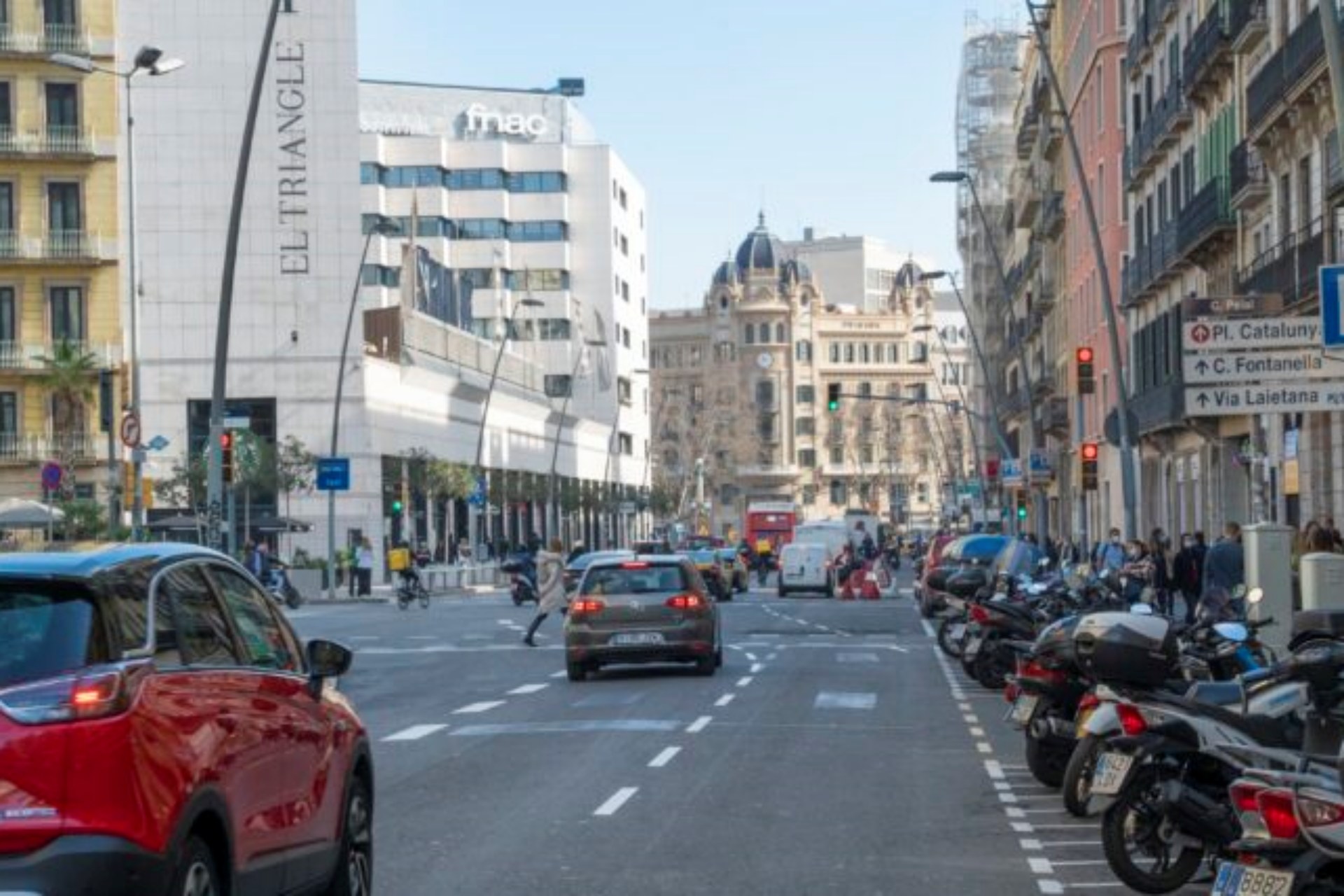
One of the main planned actions directly affects the ZAMadvanced motorcycle zones that allow motorcyclists to stay ahead of other traffic when a traffic light is red. Currently there are 52 of these zones in the district of L’Eixample. Now, Barcelona City Council plans to review and improve its signage and, in addition, progressively increase its number until it reaches around a hundred.
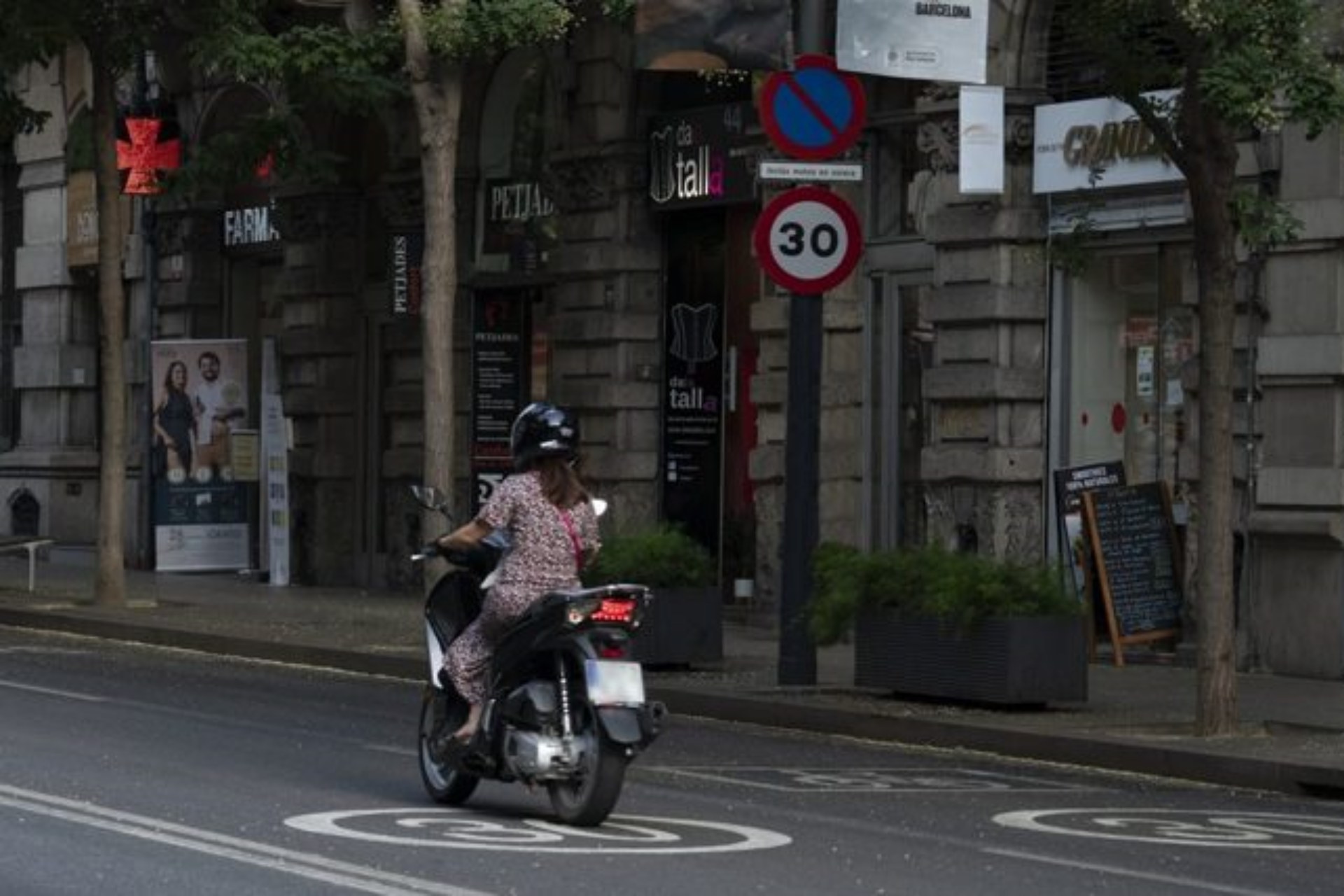
The expansion will have a special role in two of the most important arteries of the city: the Aragó street and the Gran Via de les Corts Catalanes. The objective is obvious, to improve the visibility of motorcyclists and organize their position with respect to the rest of the vehicles, reducing conflict situations that may occur at intersections and making motorcycles more visible to drivers.
It is not an unimportant matter in a city like Barcelona, where motorcycles have an especially important weight in daily mobility. According to data from ANESDORmotorcycles represent approximately 20.1% of the city’s vehicle fleet.
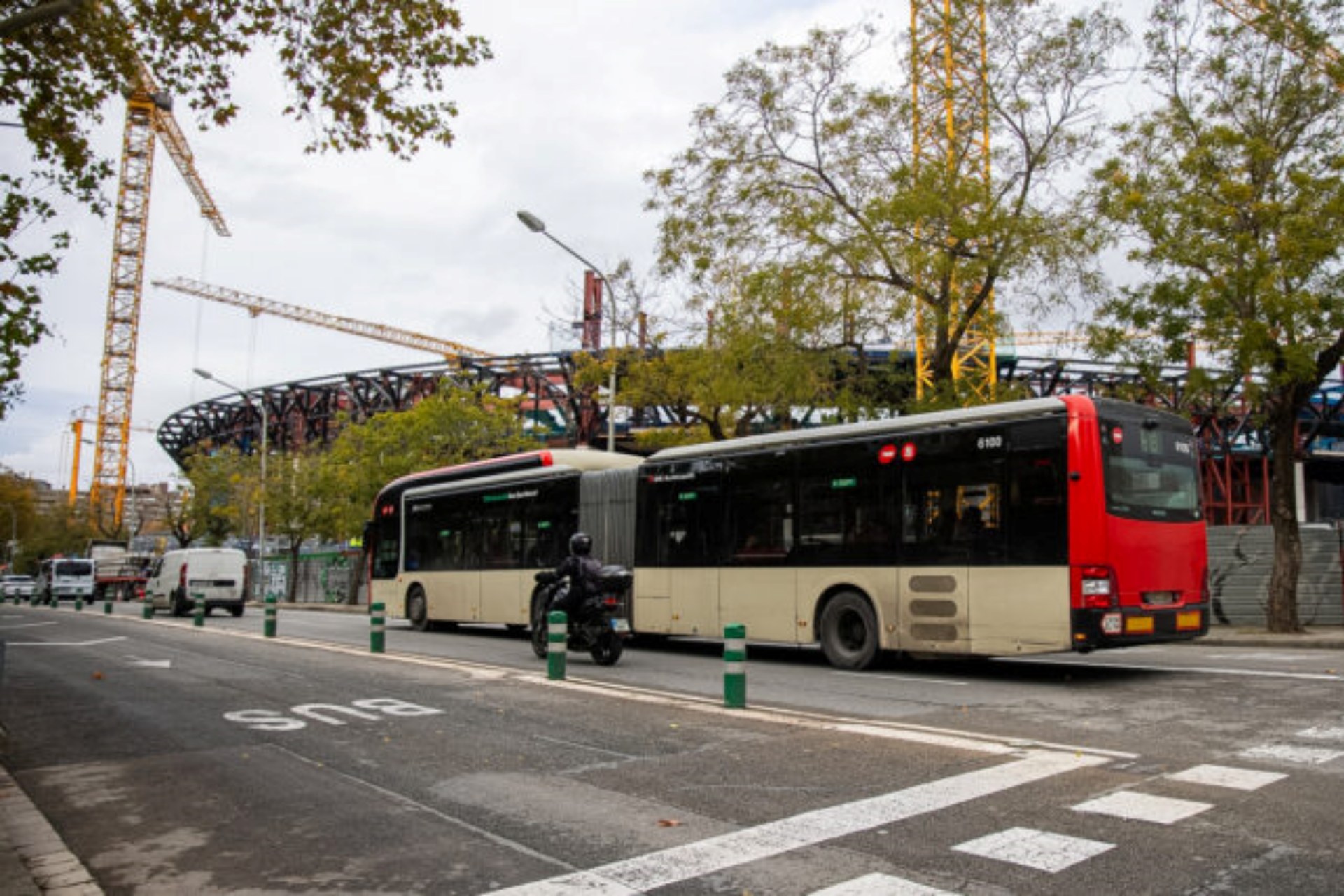
Six shock absorbers to reduce the consequences of an accident
The most striking performance will probably be the pilot test of six impact absorbers designed specifically for use in urban environments. These devices are designed to absorb and dissipate part of the kinetic energy generated during an impact and, in this way, reduce the severity of injuries that a motorcyclist may suffer in an accident.
Obviously, the location will not be random. Barcelona is studying installing them in especially sensitive points, such as forks and accesses or exits of expressways, where a fall can end up causing an impact against rigid elements of the infrastructure. Among the locations being analyzed are the entrance to the Glòries tunnel towards Besòsaccess to Lesseps tunnel towards Llobregat wave entrance of the tunnel of the General Miter ring road towards Llobregat.
More visibility with fluorine yellow reflective elements
The second pilot test will have a different objective: to make certain obstacles and urban elements easier for motorists to identify. For this, the use of fluorine yellow reflective elementsa solution that will be tested both in construction zones and in different elements of the urban infrastructure itself.
One of the chosen places are the exits 5 and 6 of the slow lane of the Ronda de Daltcoinciding with the area affected by the coverage works on this road. These elements will also be installed in 3 points of the Tetouan squarespecifically on the curbs that delimit the central islands of the pedestrian crossings that cross the Gran Via both in the Llobregat direction and in the Besòs direction.
The expansion of the ZAM and the 2 pilot tests will be carried out between the end of 2026 and 2027, so we will still have to wait to know the results and check if these solutions are later extended to other parts of Barcelona.
In any case, the direction seems clear: the safety of the motorcyclist does not depend solely on how he drives or the equipment he uses. It also matters a lot how the city through which it circulates is designed. And Barcelona wants to start acting on that third element, infrastructure, with solutions specifically designed for those who travel on 2 wheels.
José María Riaño, general secretary of ANESDORhas declared: “At ANESDOR we consider these measures very positive, the result of the joint work of the Motorcycle Observatory under the leadership of Barcelona City Council. For us, it is essential that the infrastructure is designed specifically to protect the motorcyclist: shock absorbers designed for urban speeds (not adapted to the highway), improvements to signage at construction sites and conflict points, and a clear commitment to advanced areas for motorcycles. It is the way: technical solutions that seek to improve the safety of motorists in a practical, useful and differentiated way from passenger cars”.