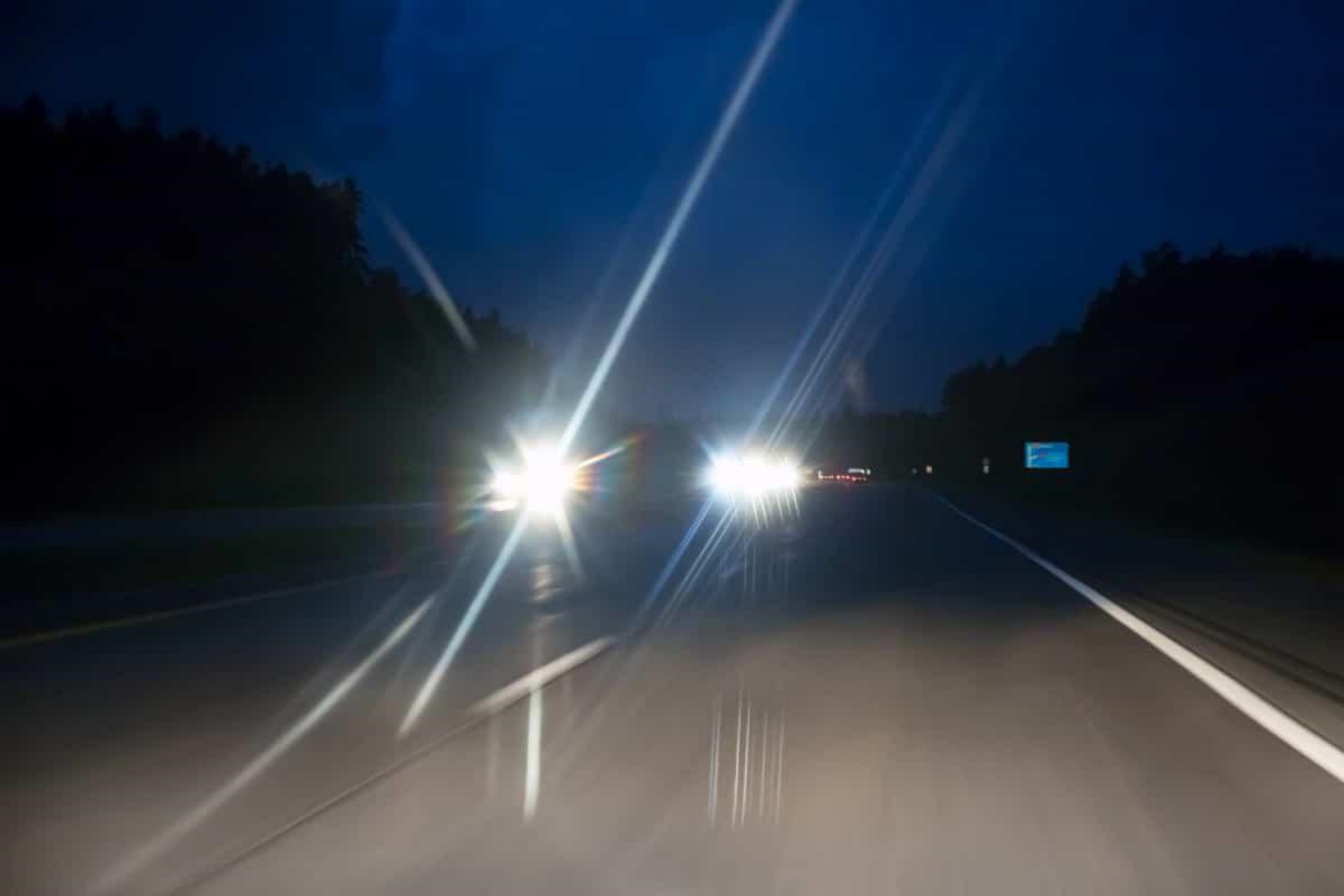
Riding a motorcycle at night has always required special attention. Less protection against inclement weather, the absence of bodywork and the rider’s own vulnerability mean that any momentary loss of visibility has potentially more serious consequences. Now, in recent years there is one more enemy that has become common on the roads: headlights of the most modern cars.
The massive arrival of LED technology, matrix systems, adaptive headlights and increasingly sophisticated optical groups has made it possible to illuminate the road much better. The problem appears when all that technology ends up sending “too much light” into the eyes of those traveling in the opposite direction. And that’s where bikers have reason to be especially concerned.

The problem is not simply that the headlights are more powerful
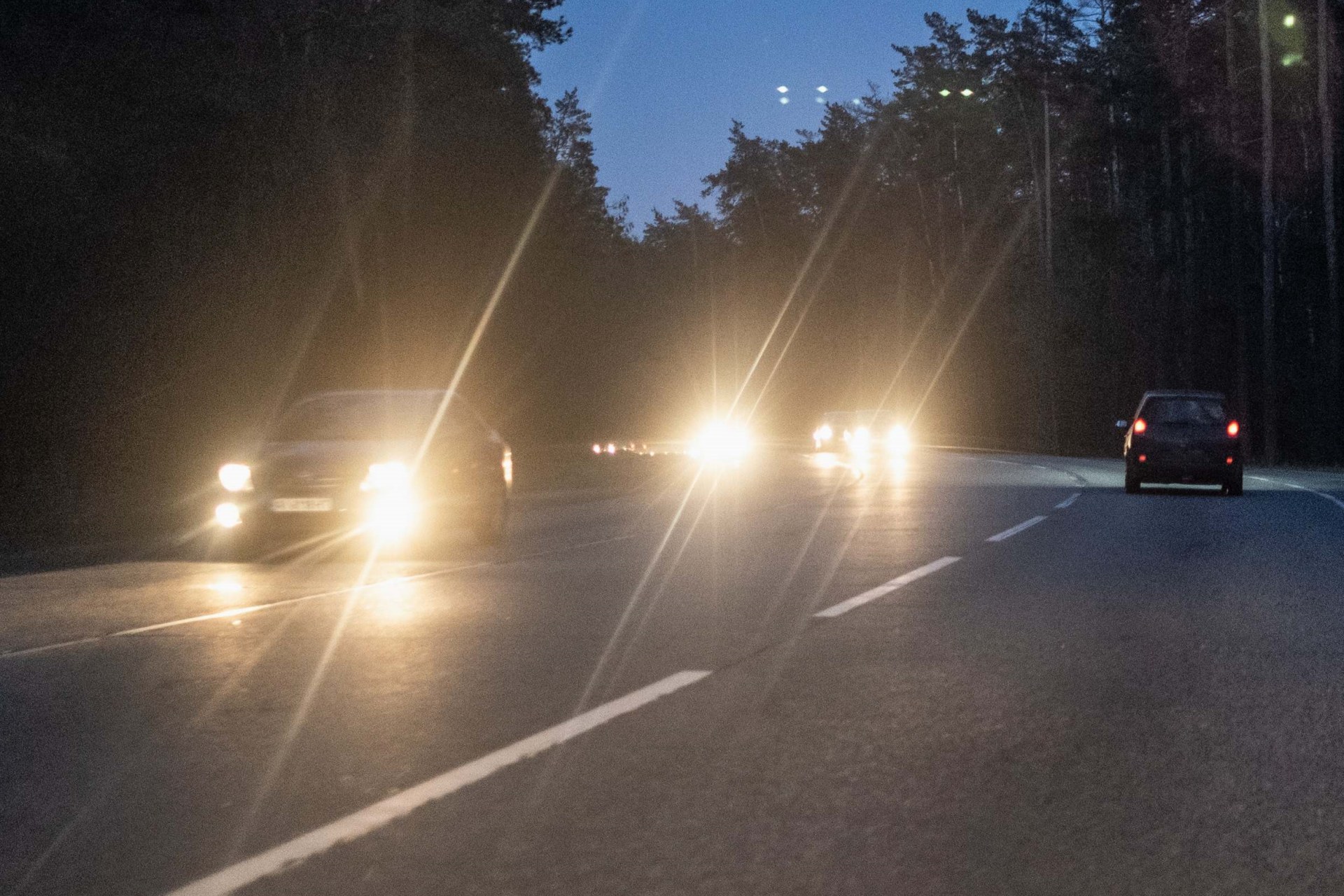
The feeling of many drivers is that today’s cars have much brighter headlights than those of a few years ago. However, the phenomenon is much more complex. own Insurance Institute for Highway Safety (IIHS) has been analyzing the behavior of lighting systems for years and does not establish an automatic relationship between LED technology and glare. In fact, their evidence shows that it is possible to have headlights that illuminate the road very well and, at the same time, reduce inconvenience for those traveling in front. Yeah I know…
The evolution has also been positive in certain aspects. According to the most recent data from the IIHSonly 5% of the systems headlights analyzed for vehicles of the 2026 model year presented a excessive glarecompared to the 21% recorded in 2017. The problem, therefore, is not that all modern cars are necessarily worse, but that there are still systems capable of generating a glare very annoying.
Of course, the design of the vehicle also plays a role. A SUV or one pick-up With a higher headlight position you can project light directly into the mirrors and field of vision of a lower vehicle. For a motorcyclist, the situation can be even more uncomfortable. And then there is the simplest factor of all: a lighthouse perfectly designed can become a problem if it is poorly oriented.
A poorly regulated headlight can become a real danger
The height of the headlights, their orientation and the operation of the automatic high beams are fundamental elements to understand why some vehicles dazzle so much. He National Highway Traffic Safety Administration (NHTSA) has been investigating the glare of the headlights and recognizes that it can affect night vision. Their own work indicates that resistance to glare decreases with age and that light from other vehicles can reduce the driver’s ability to correctly perceive what is happening in front. That is, a danger that we see, or we see it late and poorly.
In addition, research on vehicle lighting remains open. A study recently presented in the framework of research related to road safety reflects a growing concern among drivers about headlights too intense and points to several factors that can increase glare: light intensity, shade of LEDs, mounting height, orientation of the lighthouse and the operation of the automatic high beam systems. As we will never tire of repeating.
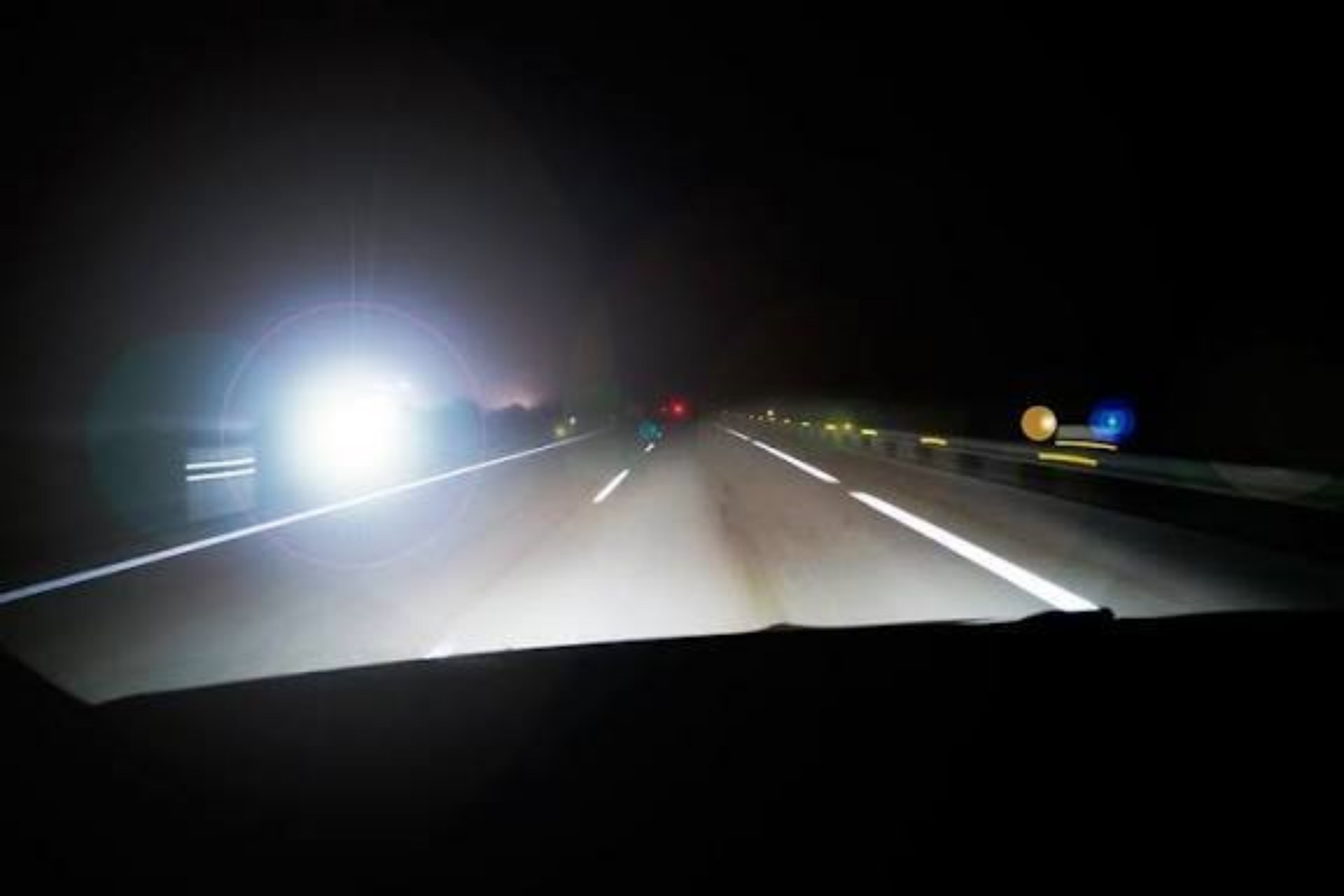
For those who ride a motorcycle, the combination can be especially dangerous. The biker does not have the visual protection offered by the windshield of a car and, when he directly receives the beam of an approaching vehicle, he can lose, for a few seconds, a good part of the ability to distinguish the layout of the road and what is in front of him.
That, on a curve, on a secondary road or simply when encountering a pothole, can be much more than a nuisance. It can cause an accident, “without eating or drinking it”
Tesla and GM have had to answer for their lighting systems
The debate has even reached some of the most important manufacturers in the world. In the United States, regulation and investigations of NHTSA have brought into focus certain problems related to lighting systems. One of the cases mentioned in recent years is that of tesla and some Model 3 and Model Y. Documentation related to US safety procedures has raised the issue of headlights that can exceed certain illumination limits in specific circumstances.
But tesla It is not an isolated case. General Motors It has also had to face campaigns related to specific lighting problems. In 2022, for example, the NHTSA published documentation on a call for review of certain GMC Terrain manufactured between 2010 and 2017 due to a reflection in the optical assembly that could project a beam of light above the established limits.
The issue, therefore, is not simply to ban LEDs or return to old technologies. The real challenge is to ensure that vehicles can illuminate more and better without turning this improvement into a problem for those traveling in the opposite direction and even on motorcycles.
The paradox for motorcyclists: we need to be seen, but also be able to see
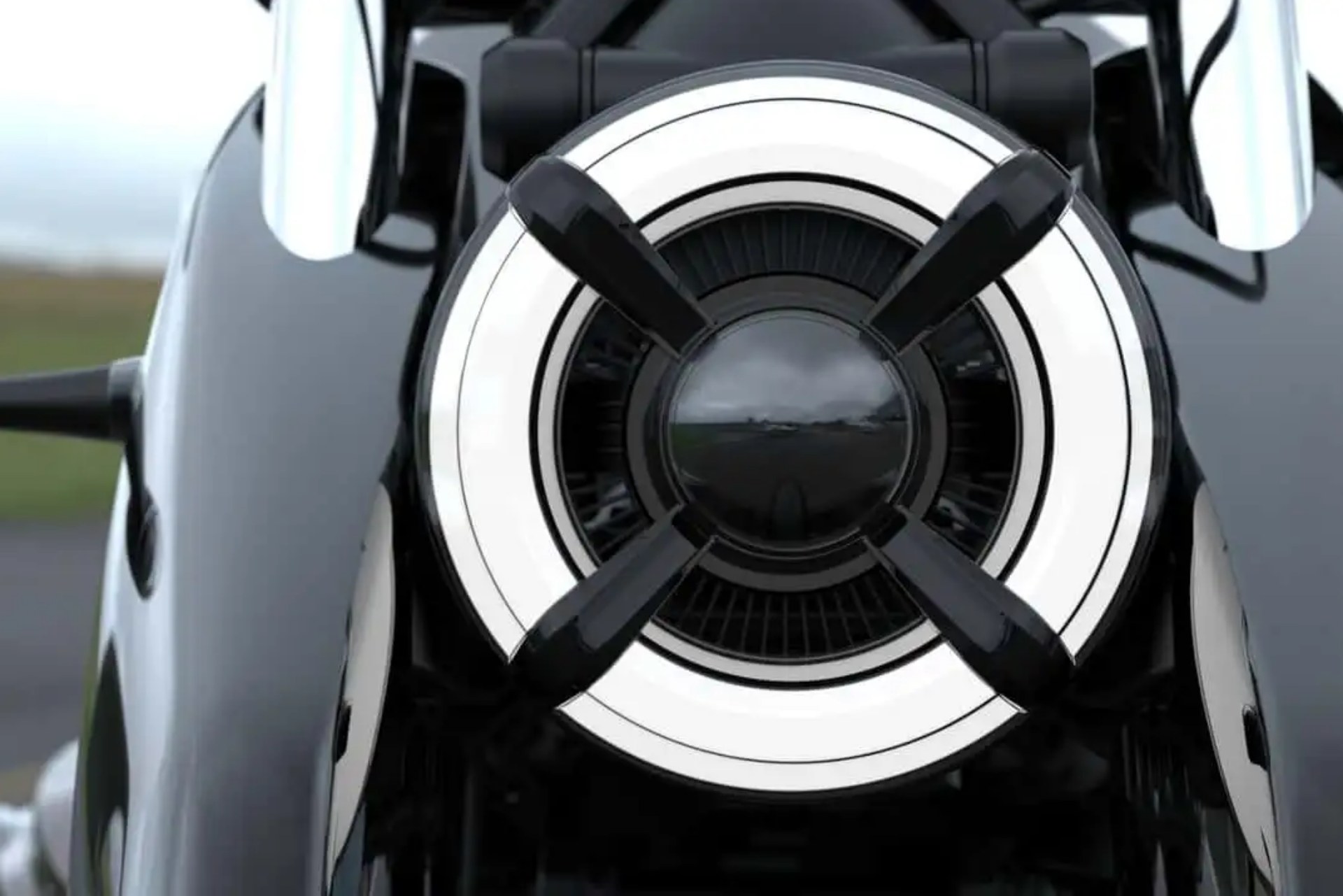
Here a curious contradiction appears that directly affects motorcycles. For decades, one of the main safety objectives for motorcyclists has been to increase their visibility to other users. own NHTSA considers that the permanent use of lighthouse front helps improve visibility of motorcycles and remembers that the ability of automobiles to detect a motorcycle is a critical factor in numerous accidents.
But the more widespread the use of daytime running lights and headlights fronts on cars, the more difficult it is for the lighthouse of a motorcycle standing out from the traffic. And when night comes the second problem appears: “we need others to see us, but we also need to be able to see ourselves.”
The solution is to improve the regulation of lighting systems, control their orientation more precisely and continue developing technologies capable of adapting the light beam without disturbing others. The headlights Modern technologies can be extraordinarily good, but technology only fulfills its function when it lights the way without turning other users into victims of its own power. Because for a motorcyclist, a second of glare can seem like an eternity.
And if it happens on a dark road, on a curve and at a certain speed, it is not exactly a situation in which we want to check how long it takes our eyes to recover night vision.