Electrification in the world of motorcycles continues to explore alternative paths, and some are more unexpected than others. From China comes a proposal that breaks with what is established and points directly to one of the great challenges of the sector: autonomy. The prototype Chery e-Vo REEV bursts into the 2026 Beijing Motor Show as one of the most disruptive ideas of the moment: an electric motorcycle that incorporates a gasoline generator to eliminate the problem of autonomy.
The appearance of Cherry In the universe of 2 wheels it is by no means a coincidence. The Chinese automobile giant, known for its strong presence in the SUV segment, has decided to explore new avenues in electric mobility with a concept that, at least on paper, redefines the rules of the game. The e-Vo REEV It is not a typical electric motorcycle, nor is it a conventional hybrid: it is an engineering exercise focused on solving one of the biggest obstacles to electrification.

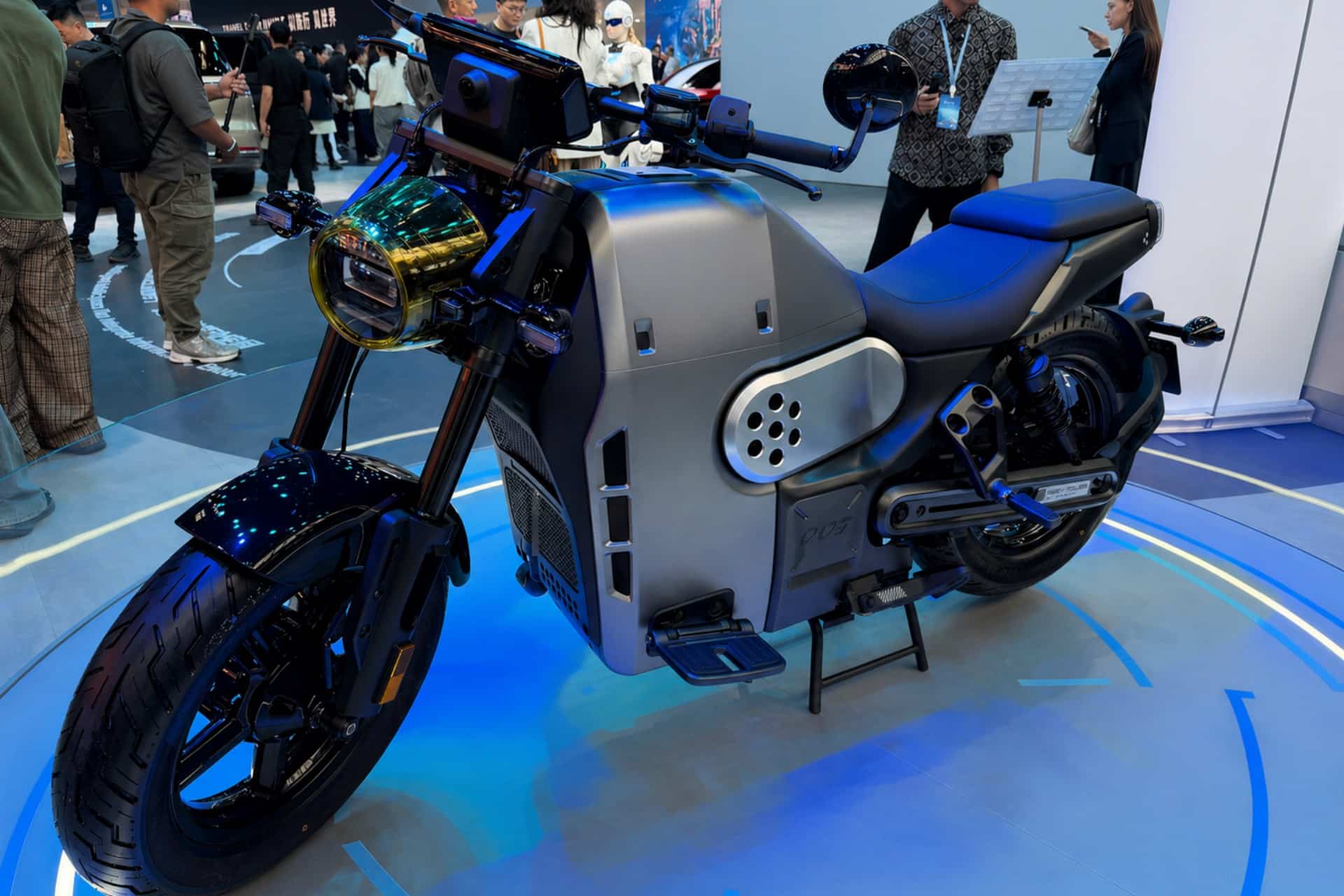
This is the Chery e-Vo REEV proto
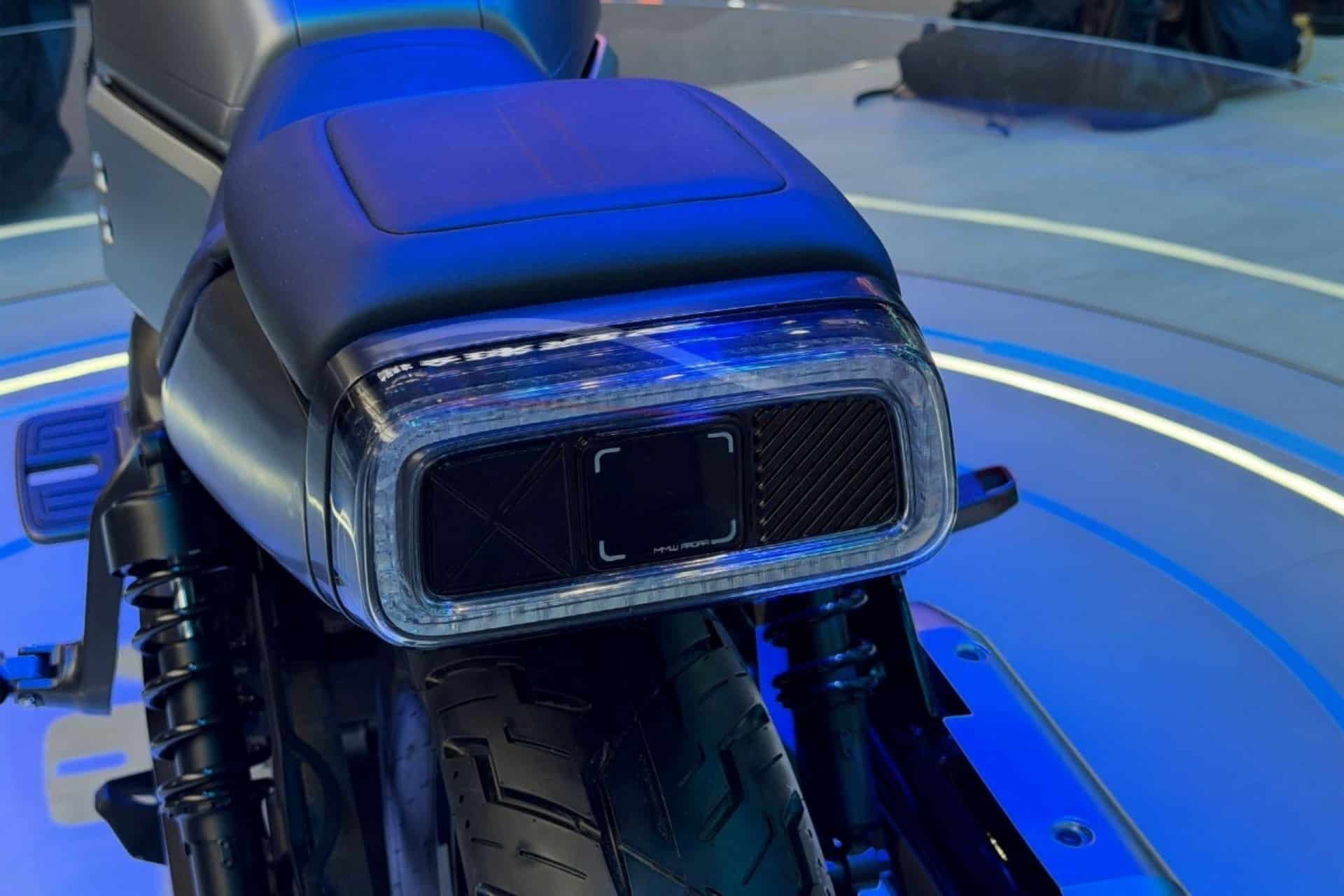
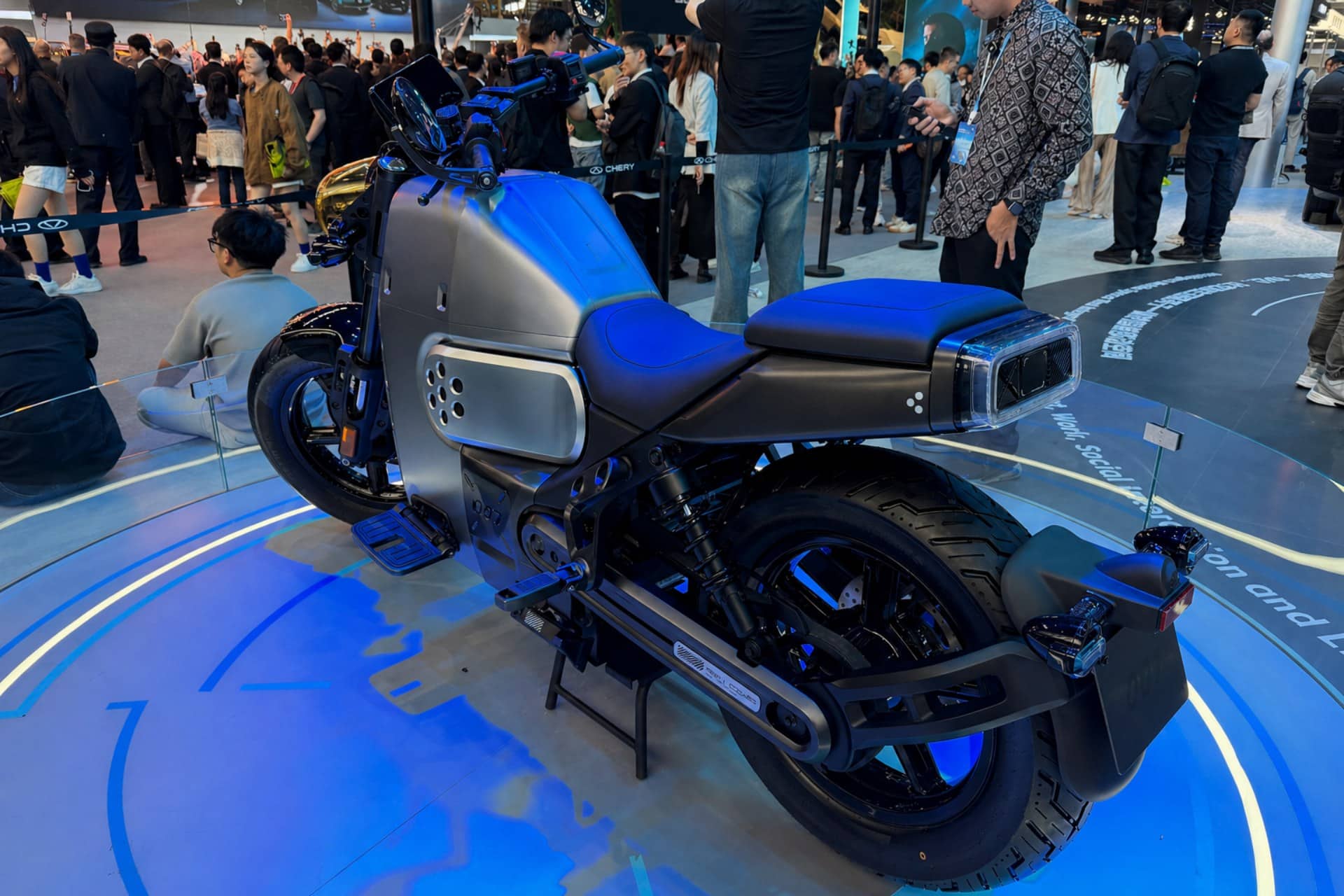
At the design level, the prototype adopts an aesthetic that the brand itself defines as “cyber cruise“Angular lines, low proportions and a muscular presence draw a futuristic motorcycle that moves away from any classic reference. The whole is supported by multi-spoke alloy wheels and a robust-looking chassis, while elements such as the minimalist LED headlight or the forward footpegs reinforce its conceptual character.
However, the really interesting thing is under the bodywork. The system REEV (extended range electric vehicle) is committed to an architecture that is unusual in motorcycles. Propulsion is carried out exclusively by an electric motor located on the rear wheel, responsible for delivering all the torque immediately. So far, nothing out of the ordinary for an electric car.
The key difference is the presence of a small internal combustion engine that has no mechanical connection to the wheel. Its function is to act as a generator, recharging the battery while driving. That is, it never drives the motorcycle directly. This approach allows you to maintain the sensations of an electric vehicle (silence, smoothness and instantaneous response) while eliminating total dependence on a charging network.
In practice, this translates into a very particular hybrid solution: if the battery runs out, simply refueling the generator will continue to power the electrical system. An idea that, although it has already been seen in cars, is practically unprecedented in the world of motorcycles.
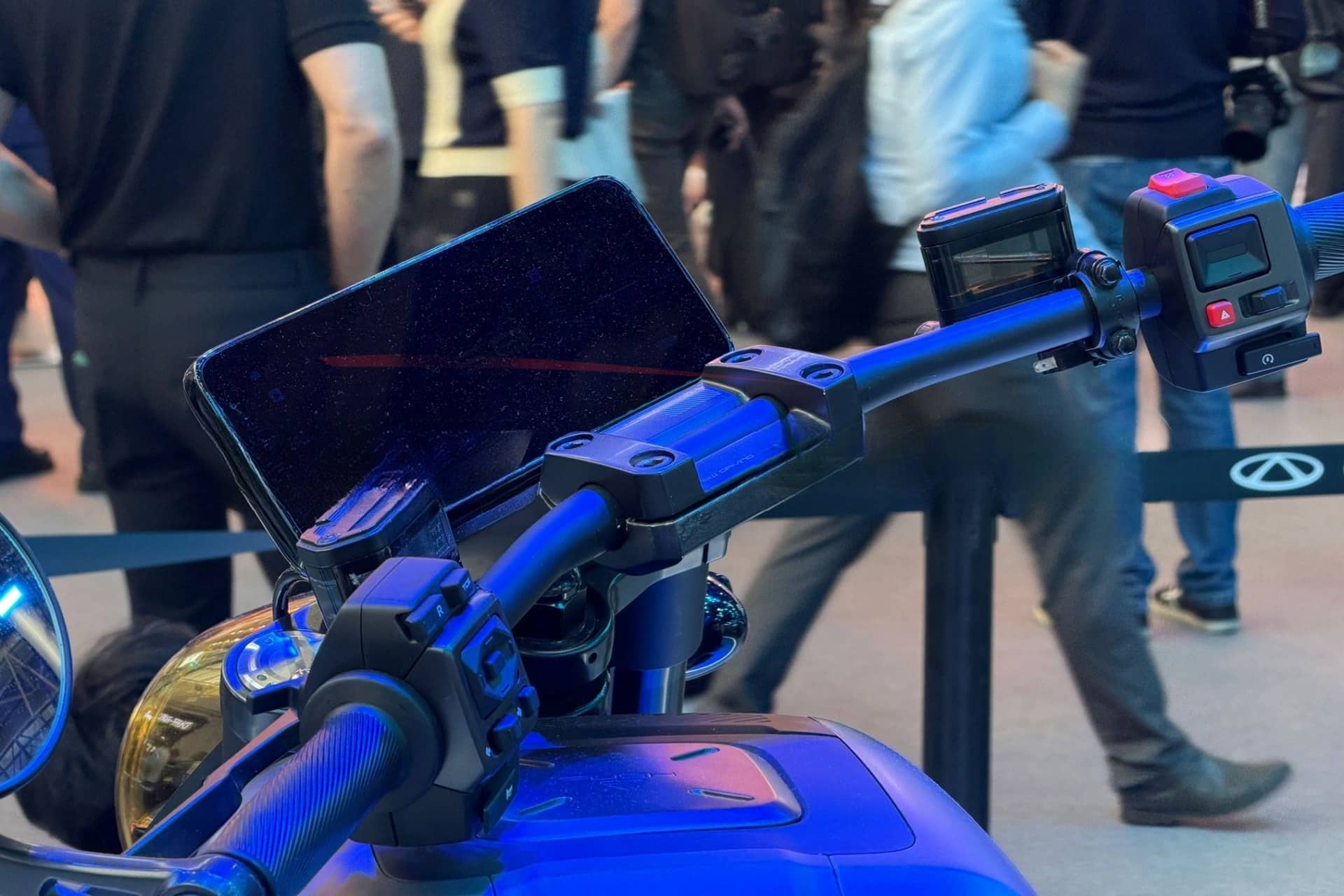
He Chery e-Vo REEV It also incorporates advanced technology in terms of assistance. Among its most striking elements are systems ADAS intermediate level, with haptic blind spot alerts integrated into the handlebars, as well as a high-definition TFT screen that shows the energy flow between the generator and the battery in real time.
For now, the e-Vo REEV It is only a design study, but its approach opens the door to interesting solutions in markets where charging infrastructure remains limited. In regions where plugging in an electric motorcycle is not always feasible, this formula could offer a balance between efficiency, autonomy and practicality.