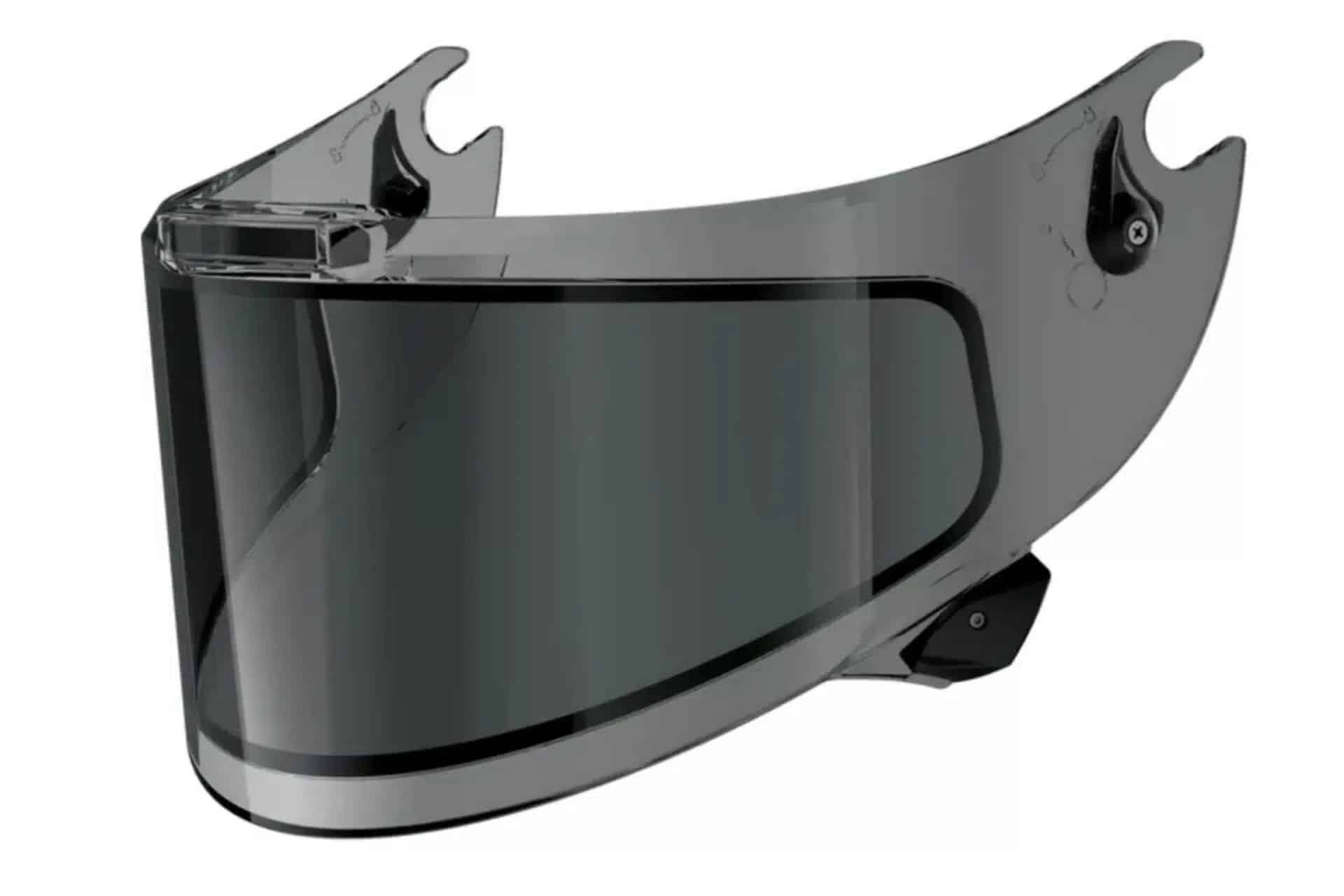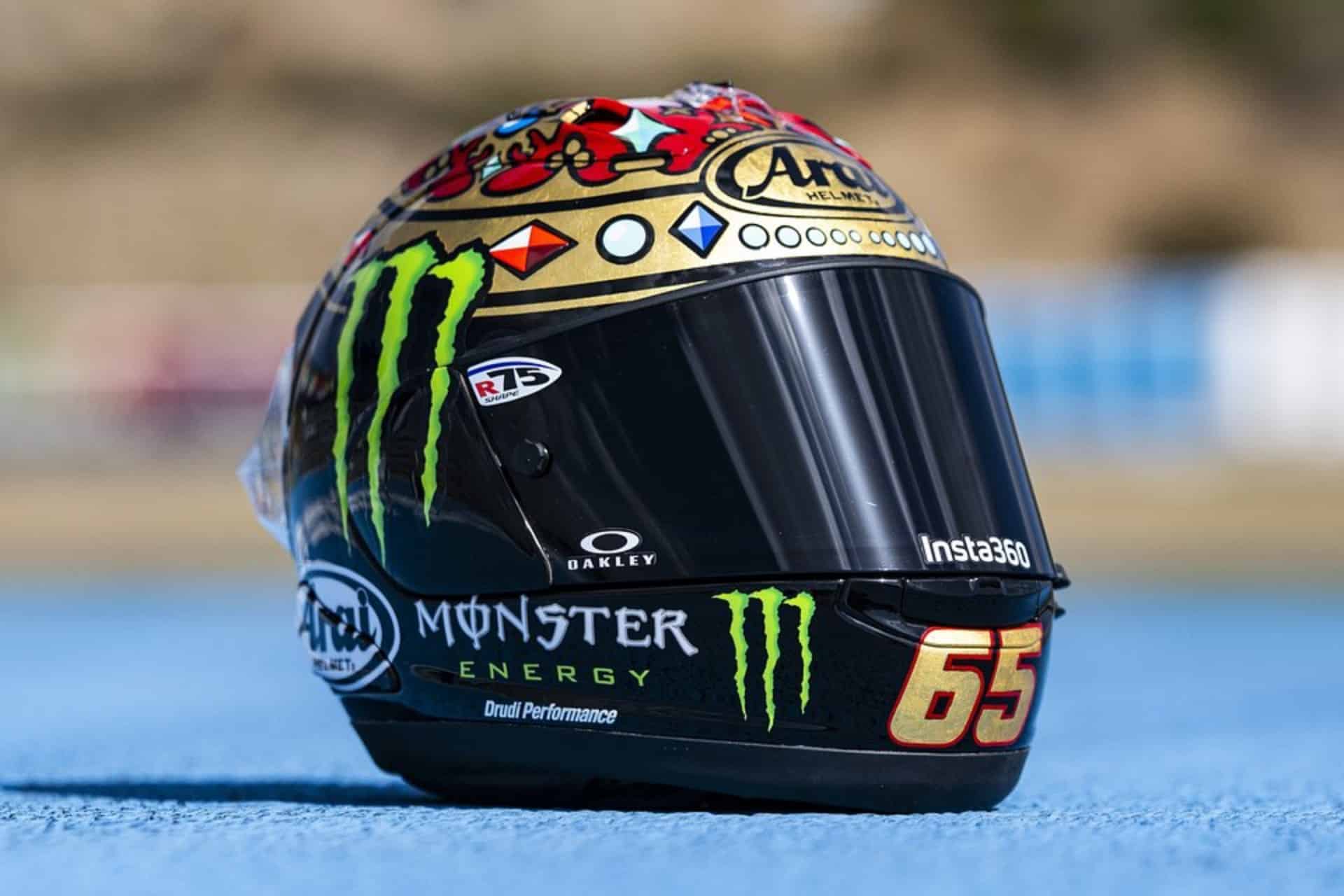
The helmet screens They are often seen as a simple aesthetic accessory, but in reality they form an essential part of the rider’s safety system and, as such, are subject to a Very specific approval regulations. Using a non-approved screen or using it outside the permitted conditions can lead to penalties… And much more serious problems in the event of an accident.
A helmet is a set in which all the elements count: the outer shell, the shock-absorbing interior, the retention system and, of course, the visor. Its function is not limited to protecting from wind, dust or insects, but must guarantee optimal visibility at all times, something that the ECE 22-06 regulations regulates precisely.
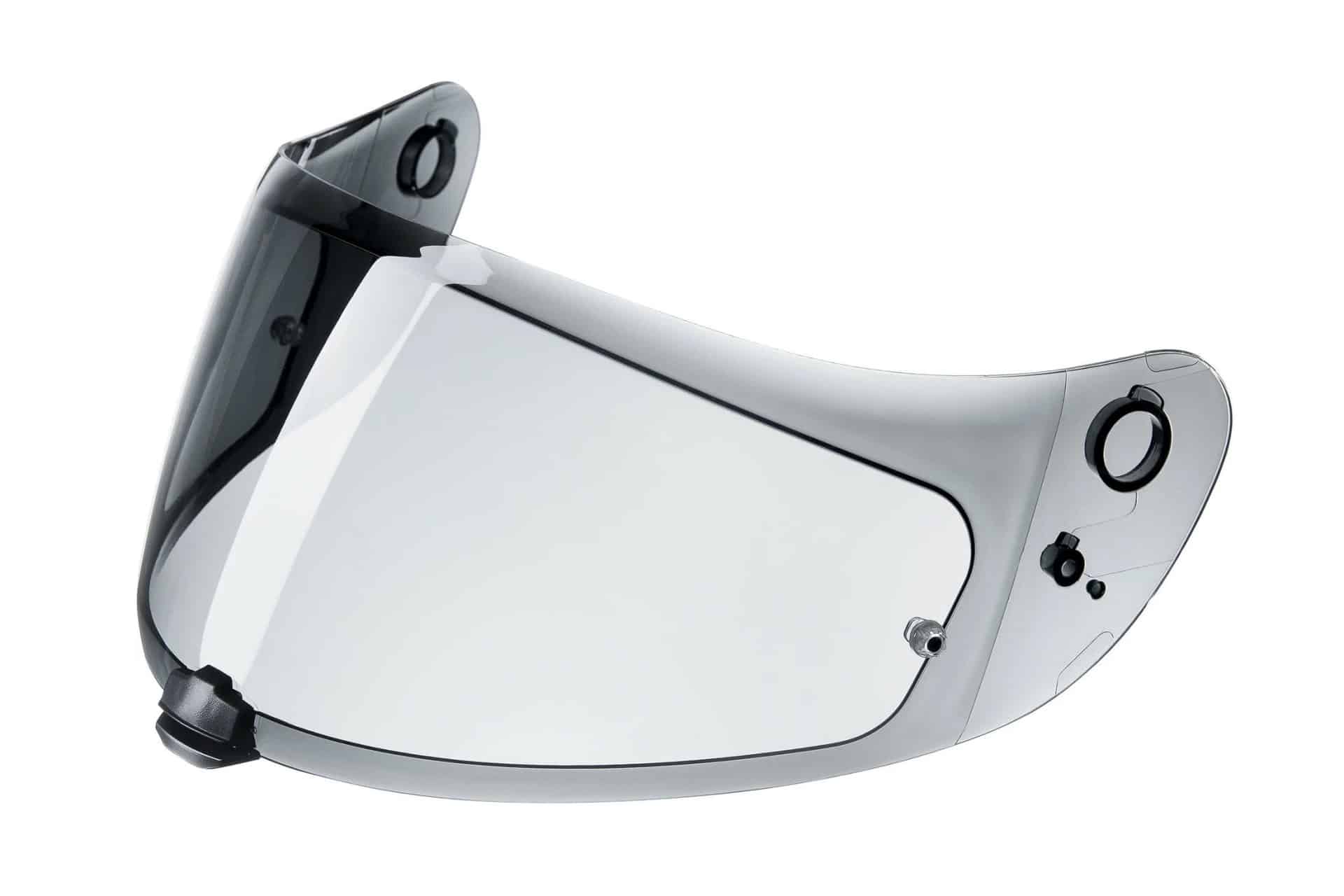
This is what your helmet screen should look like
According to this approval, the transparent screensnormally made of polycarbonate, must offer a luminous transparency equal to or greater than 80%. In the case of dark screens, they can also be approved, as long as their transparency is between 35% and 80%. These screens must visibly bear the indication “for daytime use only” or a clearly identifiable solar symbol.
On the other hand, the photochromic screens, capable of darkening or lightening depending on the outside light, they are also contemplated in the regulations. In this case, the allowed transparency moves between 20% and 80%, and its use is restricted exclusively to the day. Like dark screens, they must expressly indicate that they are not suitable for night driving.
Something similar happens with the latest generation liquid crystal screens, whose darkening is practically instantaneous thanks to sensors and solar power, although their high price, around 400 euros, limits their popularity.
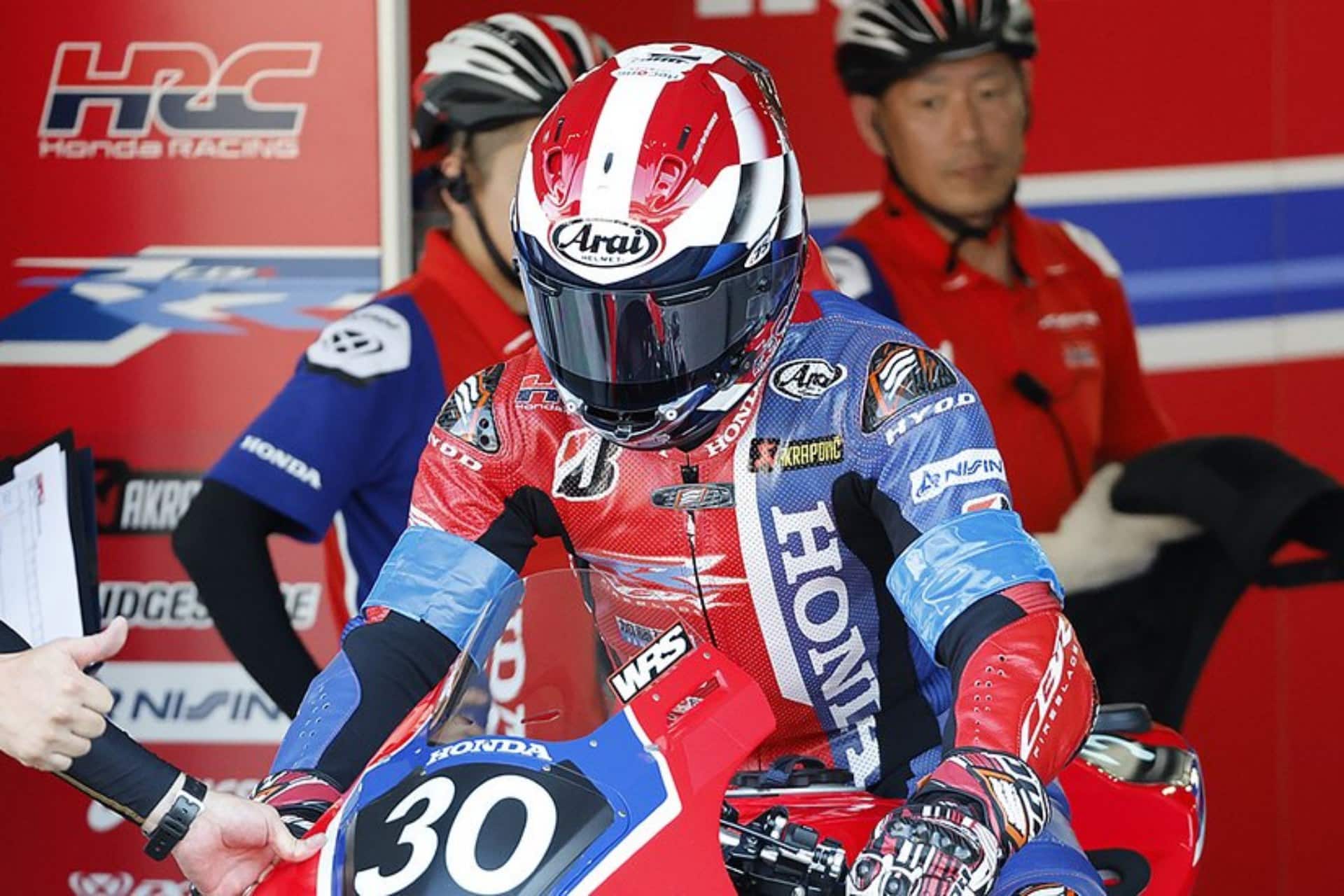
One of the least known points affects the foldable interior screens, common in many touring and modular helmets. They must have a transparency greater than 20%. Even the internal anti-fog films, such as the Pinlockare subject to approval: The manufacturer must certify the visor together with the installed sheet, ensuring that the clarity is not altered or the required values are not met.
There are also screens with transparency lower than the legal minimums, designed for circuit use. These, which usually offer between 10% and 15% light passage, They are not approved for road use and can only be used on roads closed to traffic.
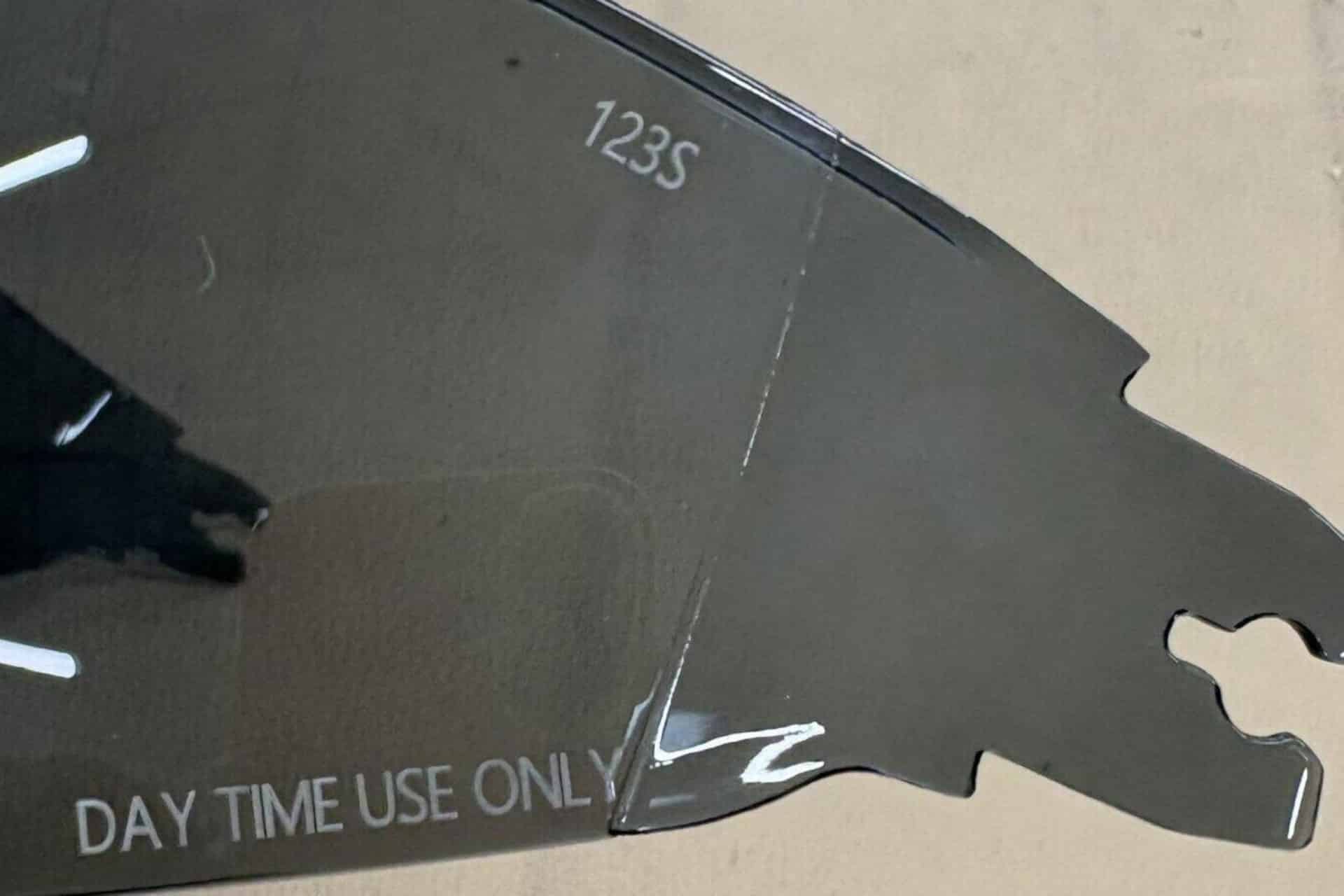
Obviously, the problem is that many motorcyclists are unaware of these limitations. Use a screen marked “day use only” at night or in low visibility conditions can not only result in a fine, but, in the event of an accident, the insurance could refuse to cover the incident if The helmet does not comply with the current approval, including screen.
One thing is very clear: beyond aesthetics or fashion, screens are a key security element. Therefore, in addition to the manufacturers’ responsibility to provide correct information, distributors and points of sale play a fundamental role in advising the motorcyclist on which screen to use, when to do it and, of course, always taking into account the ECE 22-06 regulations.