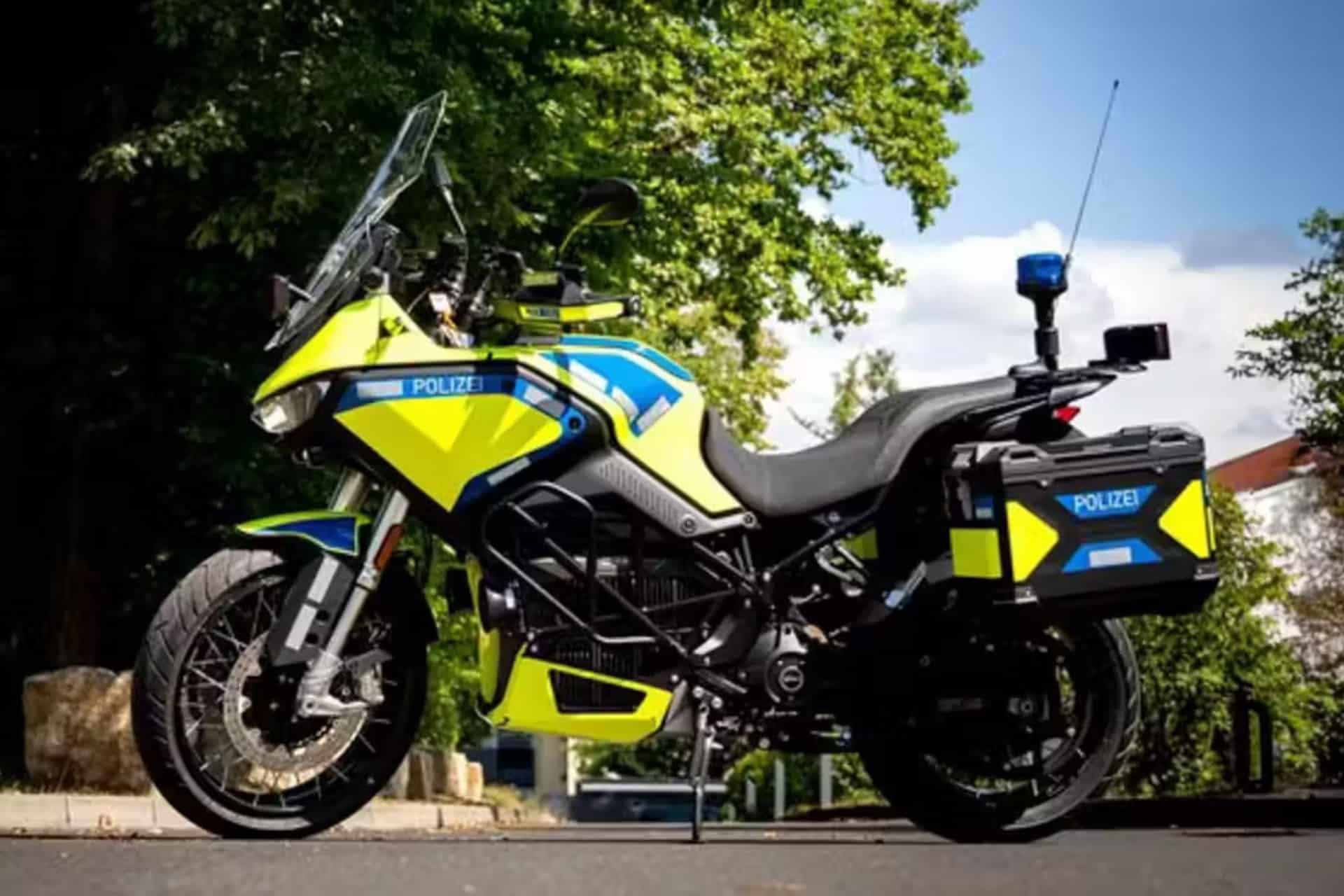
The Interior Ministry of Bavaria has launched an experimental program of one year that will be carried out in two representative cities: Nuremberg, with dense traffic and historical streets, and Kempten, a smaller city at the gates of the Alps. The objective is to collect real use data that allow determining whether electric motorcycles can become a usual police tool. In this case, two Zero Californians
As we are telling you, it is not just an improvised test. In fact, the project has the scientific supervision of the University of Applied Sciences of Würzburg-Schweinfurt. Researchers will analyze key aspects such as autonomy in different scenarios, operating costs against conventional motorcycles, citizen acceptance, acoustic impact and emission reduction.
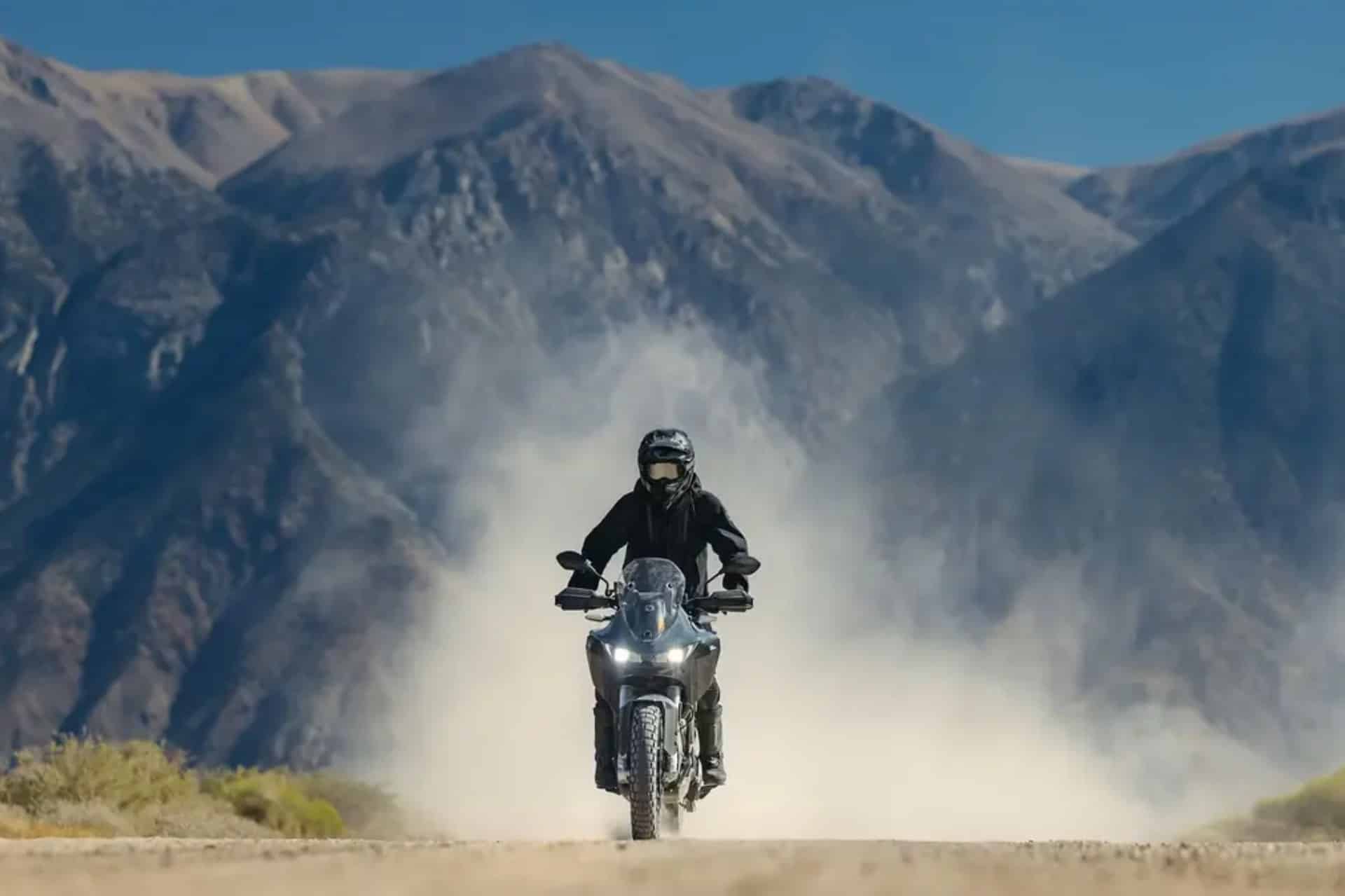
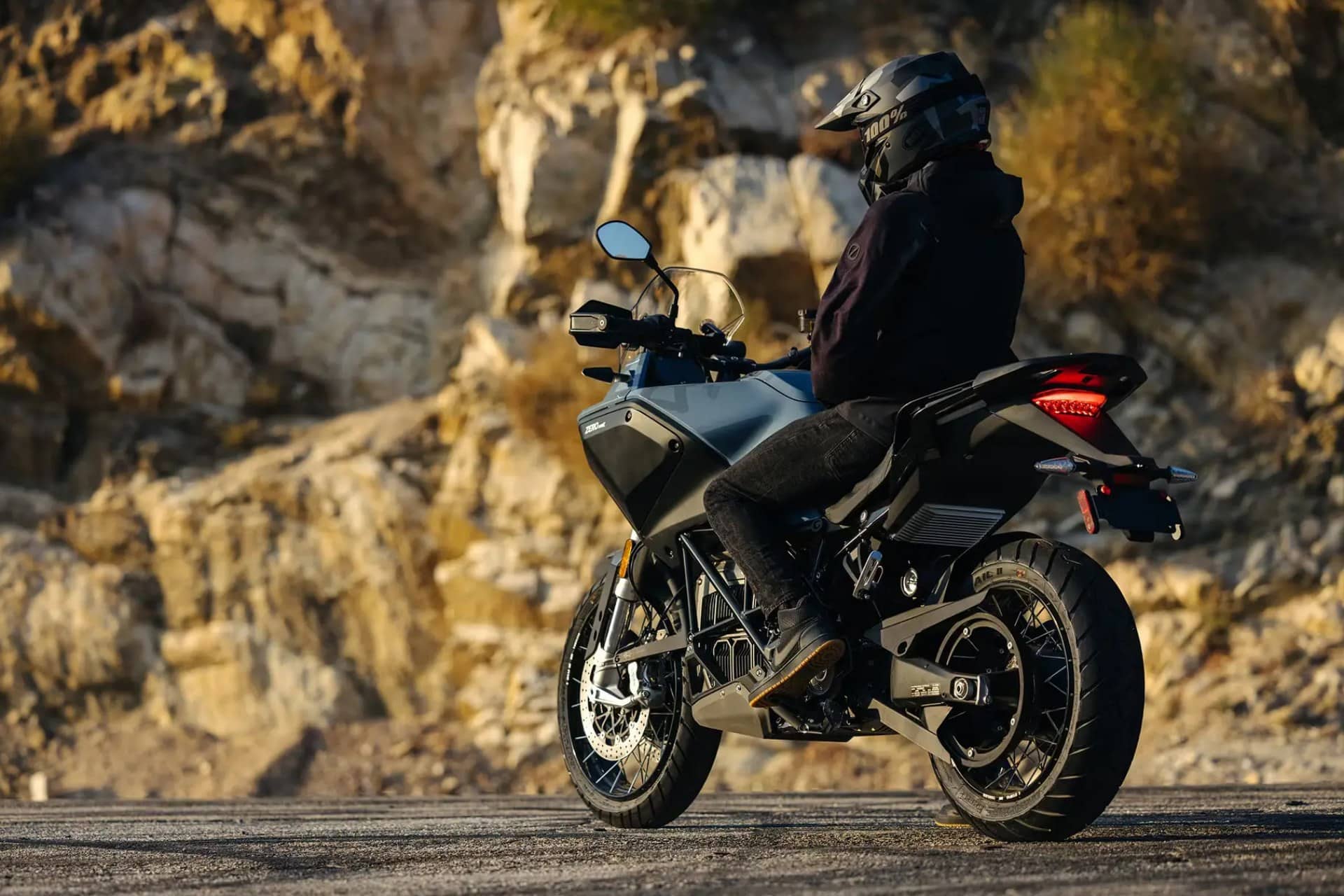
For this experiment, two units of the ZERO DSRone of the most robust and versatile electric motorcycles of the brand catalog. With a power equivalent to about 100 hp And an instant torque superior to many large -displayed gasoline motorcycles, offers an ideal acceleration for emergency situations.
The DSR It can be equipped with batteries of up to 17.3 kWh, which provide autonomies around 250 km in urban use and about 150 km in mixed conditions, more than enough figures for a standard patrol day. In addition, the fast charge option allows 95 % of the battery to be recovered in just over an hour with adequate loaders, which avoids long times of inactivity.
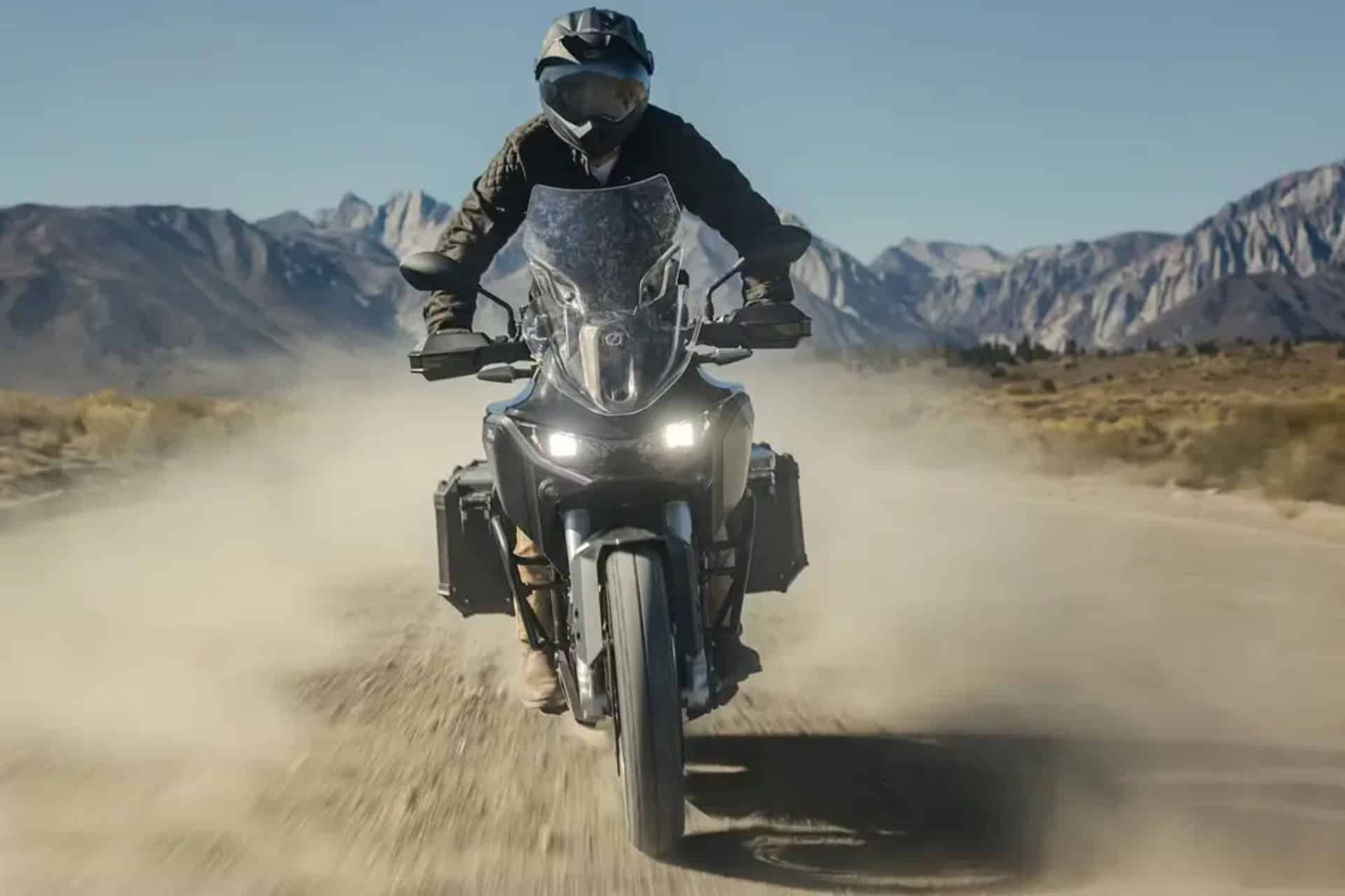
Although officially there is talk of the ZERO DSReverything indicates that the model used will be the DSR/xthe most equipped and adapted version of police and adventure uses, with greater route suspensions, advanced connectivity and the possibility of adding specific suitcases for material transport.
The application of electric motorcycles in the public service not only has to do with the environment. In fact, these machines offer very significant practical advantages:
- Silent functioningwhich allows agents to move discreetly in certain interventions.
- Reduced maintenancesince they lack clutch, engine oil or complex exhaust systems.
- Lower operating costwith an energy expenditure per kilometer well below that of a gasoline motorcycle.
- Greater social acceptancesince they fit sustainability policies and can serve as an example in the energy transition.
The launch of the program took place on August 12 in the central Hallplatz of Nuremberg. There, Interior Minister Bavaro, Joachim Herrmannaccompanied by the police chief Adolf Blöchlpublicly showed the new motorcycles, highlighting that electrification in the security forces “It is a coherent step towards modern and respectful mobility with the environment”
If the experience is positive, Bavaria could expand the electric fleet to more police stations and even combine these motorcycles with other electric vehicles already in tests, such as vans and cars plug -in hybrid patrol. In the medium term, it is not ruled out that these types of initiatives extend to other German federated states.
In short, Bavaria turns its streets into a living laboratory of sustainable mobility applied to citizen security. One more step towards the future where the siren and the blue lights can arrive accompanied by a silent engine, but equally cash.
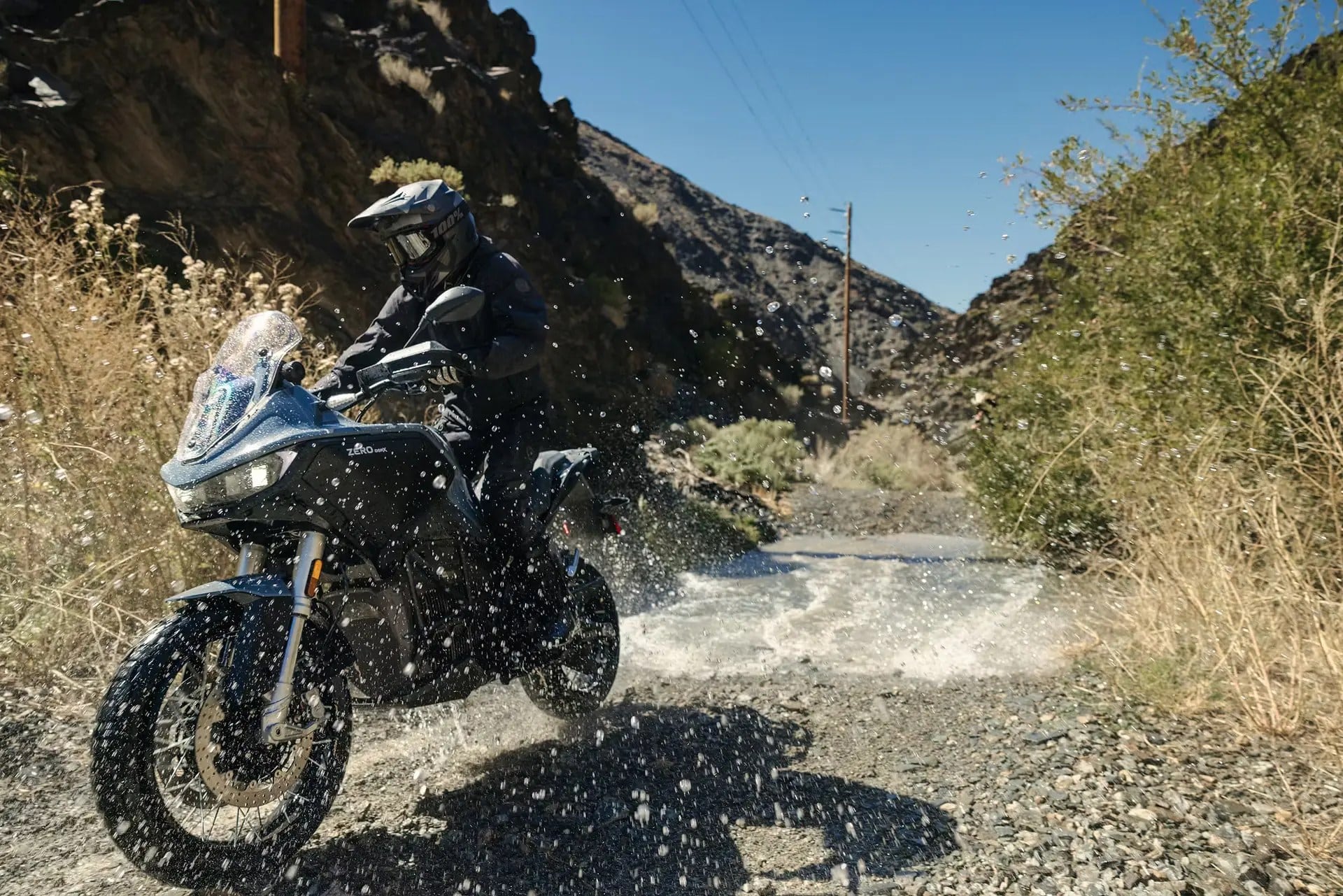
Performance data and autonomy of the Zero electric motorcycle
- Power: maximum 75 kW (100 hp).
- Motor torque: maximum 229 nm.
- Maximum speed: approx. 180 km/h.
- Urban autonomy: approx. 288 km; Combined (city/road): 172 km.
- Battery: at least the lithium ion battery of 17.3 kWh, although possibly also the 21 kWh battery available.
- Load time: 1.6 hours (100%) / 1.1 hours (95%) using the integrated fast charging option; 2.7 hours (100%) / 2.2 hours (95%) using the standard load.
- Weight: 247 kg standard, but with police equipment, it is much greater. Admissible payload: 252 kg.
- Price (PVP): approx. 24,140 euros.