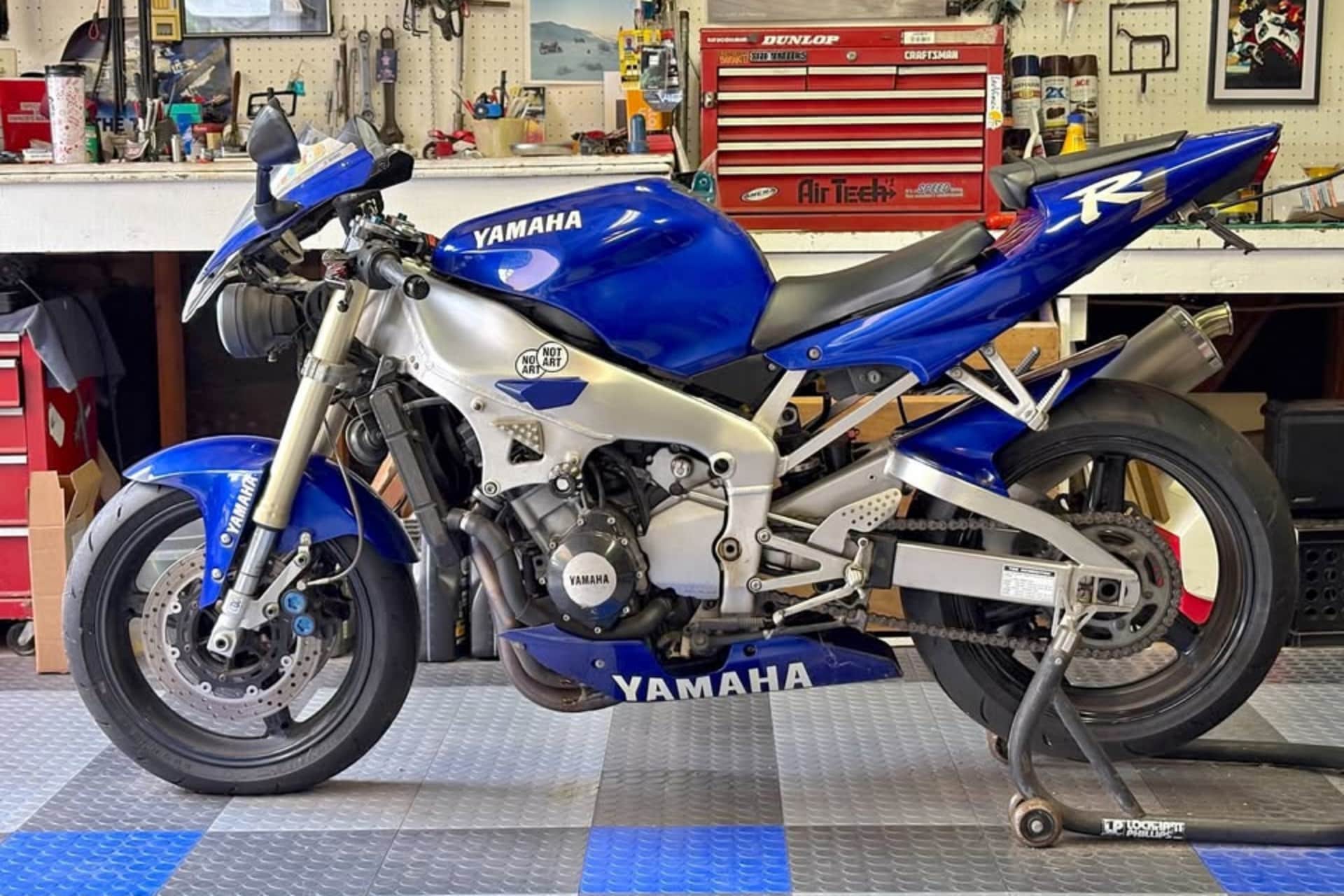
The Yamaha Yzf-R1 From the year 2000 it was not simply an evolution within the Iwata sports saga. In fact, it was a turning point that is still remembered today. He represented the farewell of the era of carburetors, before the brand embraced electronic injection, and therefore has become a very coveted jewel among those who value the most pure and direct mechanical character.
If this historical base is added a meticulous preparation, developed by renowned specialists, the result is not only a transformed motorcycle, but a unique piece that condenses the irreverent and passionate spirit of a whole generation of Japanese supercar.
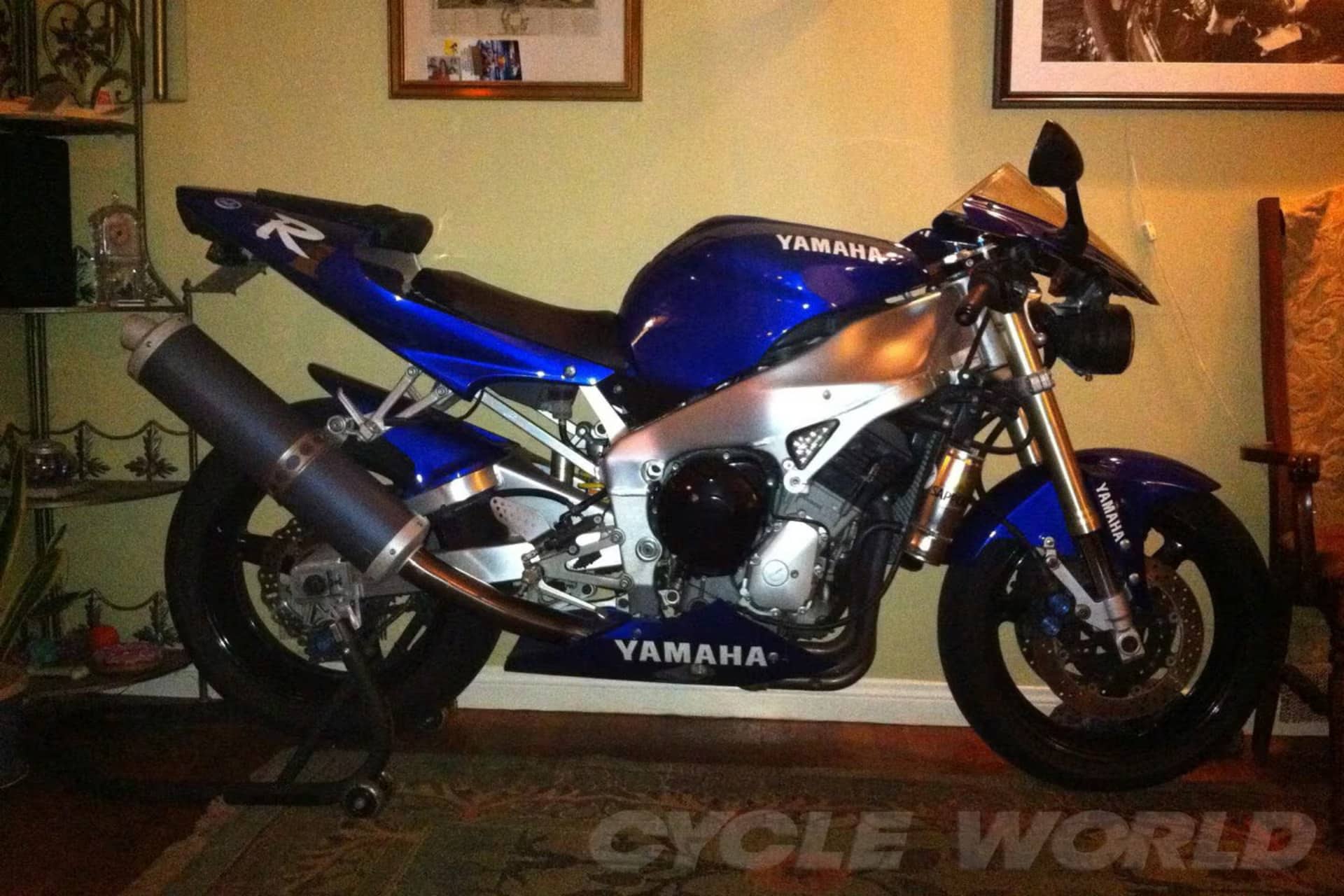
The well -known journalist and figure of American motorcycling John Burns He was the first owner of this R1 transformed. By the way, a motorcycle that came to appear in means of reference. With the passage of time, Burns He decided to get rid of her, opening the possibility that another passionate enjoy this sport that is already much more than a simple vehicle. In fact, it is a fragment of the biker culture of the early 2000s.
To improve its performance, the engine was trusted Evan Steel Performancea coach specialized in squeezing Japanese sports. The idea was clear: check to what extent a R1 It could be potential face to subsequent versions with crossplane crankshaft and electronic injection.
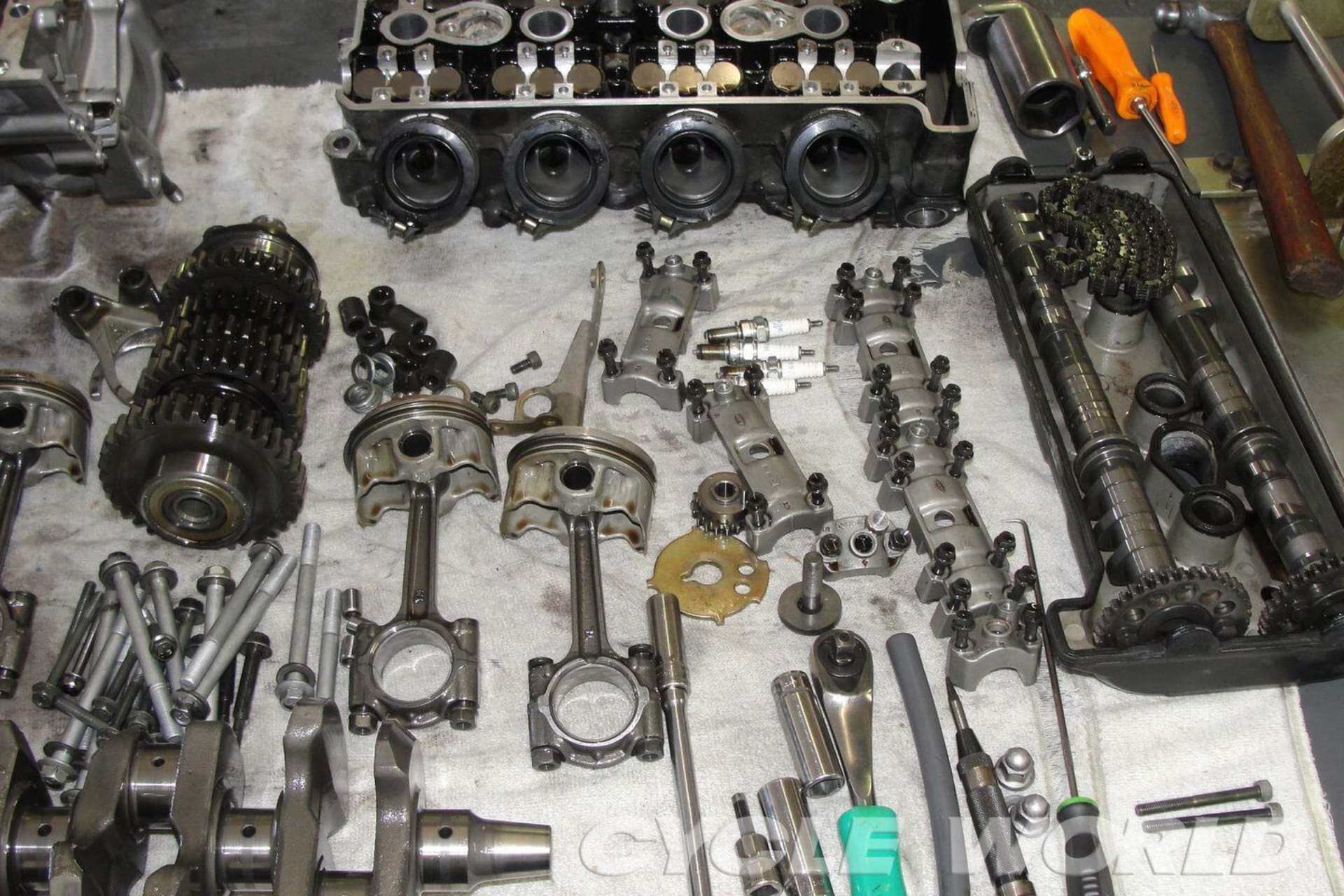
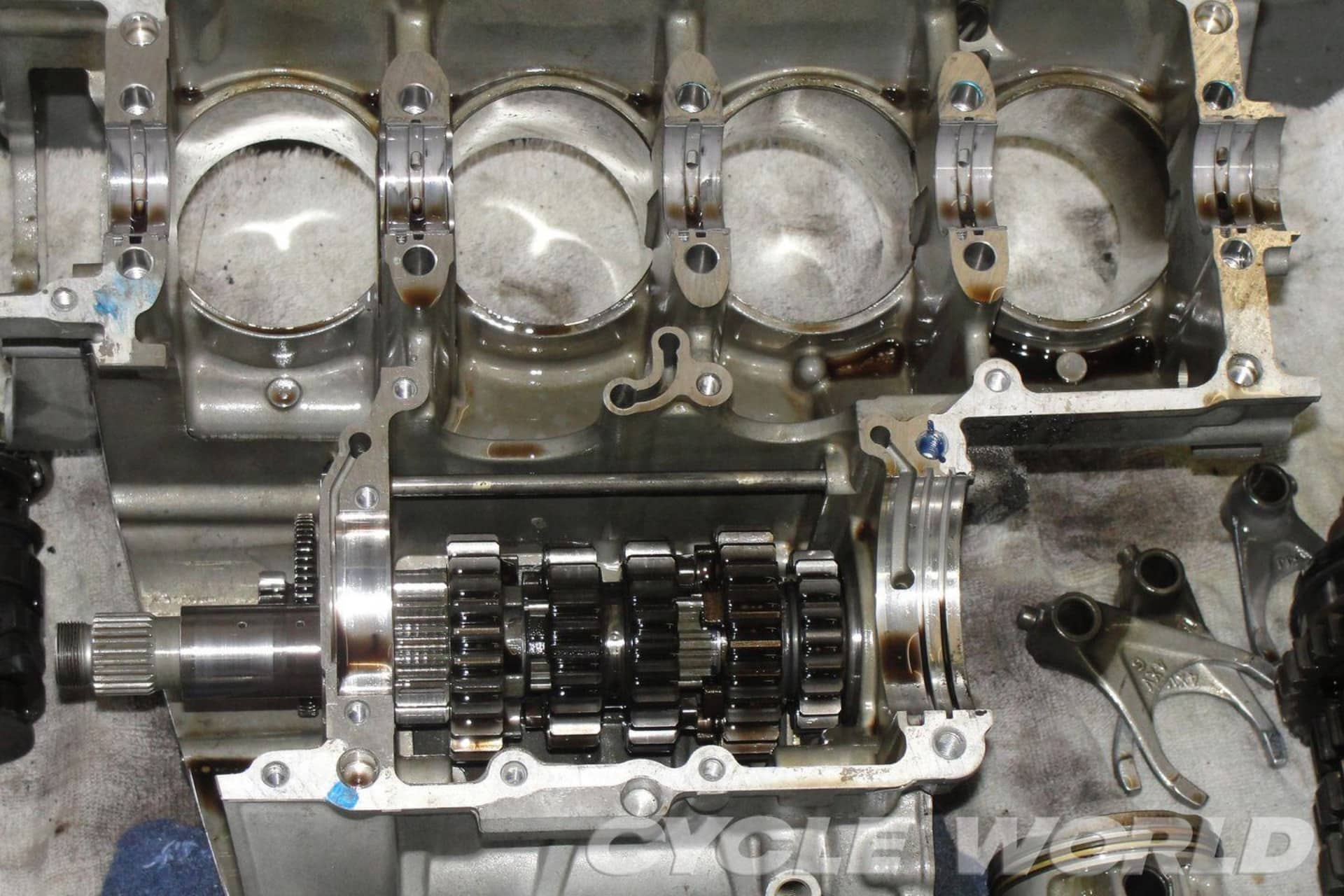
The 998 CC tetrachinder block received a deep review and a selection of high -level components. Among them stand out:
- Crankshaft AP to reduce inertia and improve the response in high revolutions.
- Full escape Akrapovovičone of the most prestigious brands in competition, which brings lightness and an unmistakable sound.
- Air filter BMC Competition, designed to maximize engine breathing.
- Carburation kit Dynojetessential to adapt feeding to new specifications.
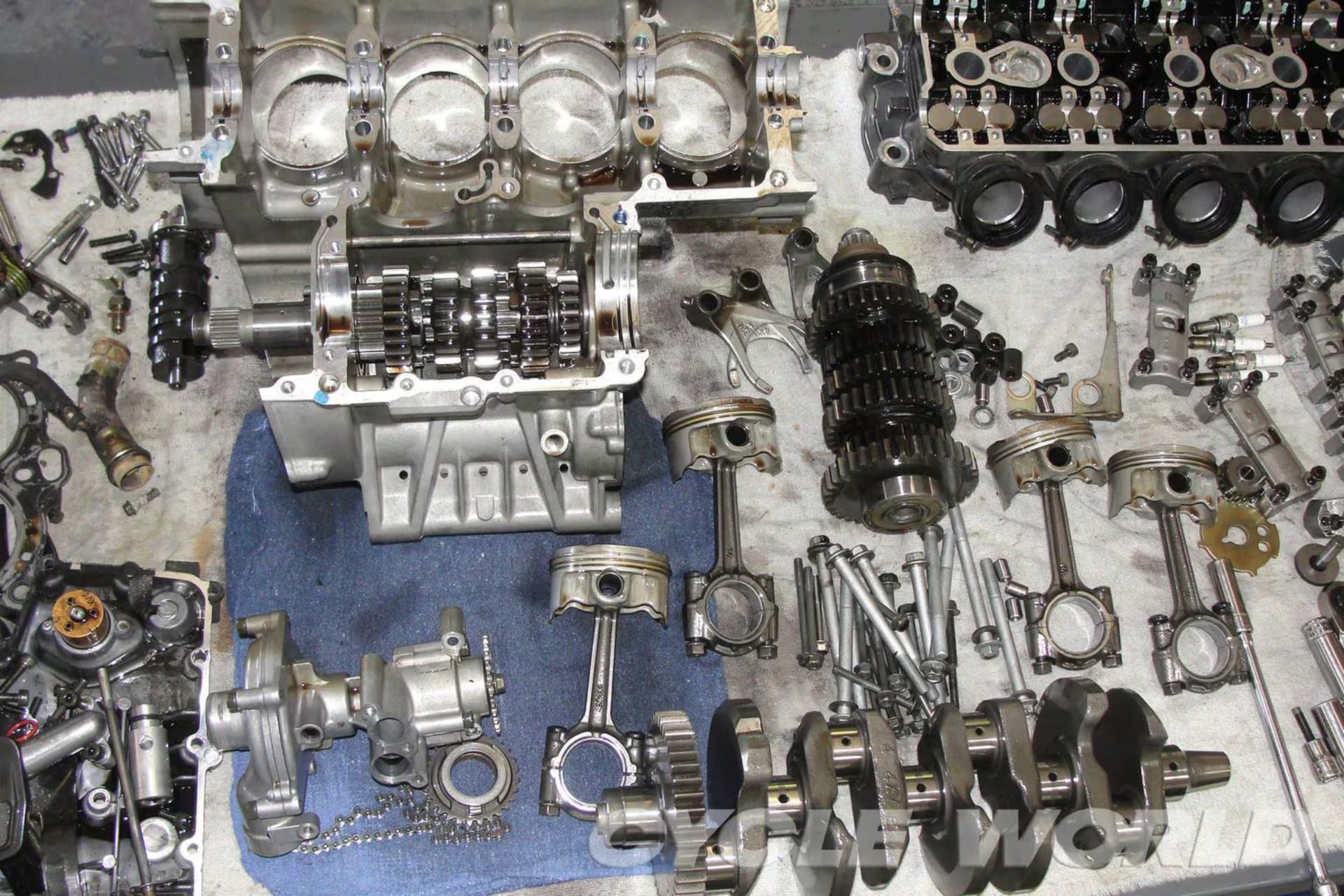
The result was a propeller that, despite maintaining the charm of the carburetor, could offer very competitive figures in the power bank, demonstrating that “the”old school“He still had a lot to say in front of modernity.
The preparation was not limited to the engine. The chassis of the R1 He underwent a alignment and straightened process, ensuring maximum precision in sports driving. To this were added improvements in key suspensions and components:
- Management shock absorber Öhlinsindispensable to control the reactions of such a radical motorcycle.
- Rear shock absorber Penske (replacing al Jri which appears in some listings), adjustable and designed for circuit.
- Bieleta Seriousoptimizing the geometry of the rear train.
- Fork kit GP suspensionraising the level of precision in the front train.
At ergonomic and aesthetic level, handlebars were incorporated Heli (higher than original) and curious headlights from a Buell xba detail that gives that streetfighter air so characteristic of the time.
Beyond the technical file, as we have told you, this Yamaha R1 Custom 2000 It embodies the fashion of the “streetfighters”, those naked, aggressive and somewhat rebellious sports ones that dominated the urban panorama at the beginning of the century. Today, when sportsmen are measured more by their electronic aids than by mechanical purity, this R1 It stands as a testimony of the golden era of Japanese superbikes. A motorcycle built to feel, with that direct touch of the accelerator and the metallic roar of the carburetors rising up to 12,000 rpm.
Who acquires it will not only take a motorcycle prepared with care, but also a piece of history that directly connects with the first years of the new millennium, when Yamaha He surprised the world with a sports car that redefined the concept of accessible and extreme superbike at the same time.