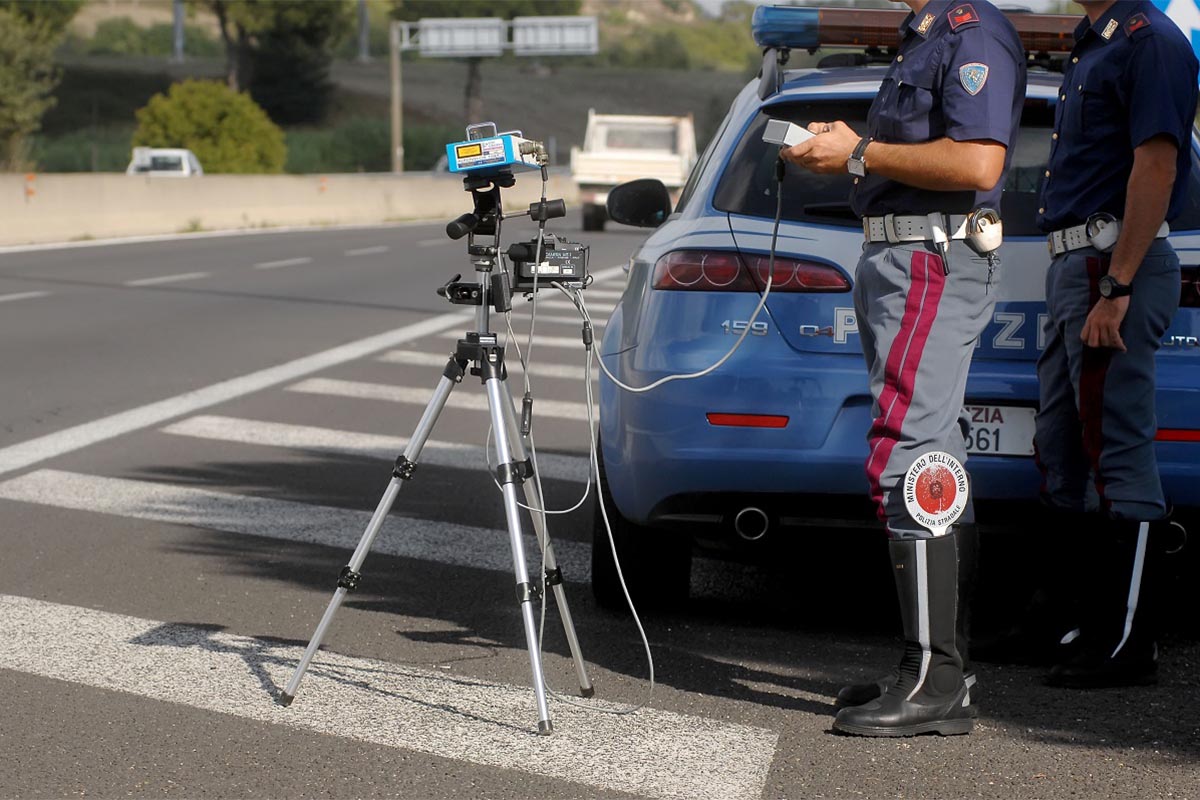
Until now in Italy, fines for speeding work as we are used to in Spain: there is a period in which you are penalized with X euros and X points. And if you pass it and reach the next strip, then more points and more euros. A system that has been working for a long time and that now the transalpine country could change.
And analyzing it, one realizes that it is exactly as “expensive” to skip the speed limit on the low side of that strip as on the high one, and in between there are important differences. In Italy, which is the case we are seeing, between going 145 km/h or going at 165 km/h on the highway has the same penalty: 173 euros and 3 points. Logically, the risk and the violation are not the same with 20 kilometers per hour more.

So what they are preparing is a system that “fines the weight”, and in which practically every kilometer counts. It is not exactly like that, but the ranges proposed for the new Italian regulations mean that the sanction varies depending on the infraction. But it must also be said that they would decrease in some sections compared to the current situation, and in others they would increase.
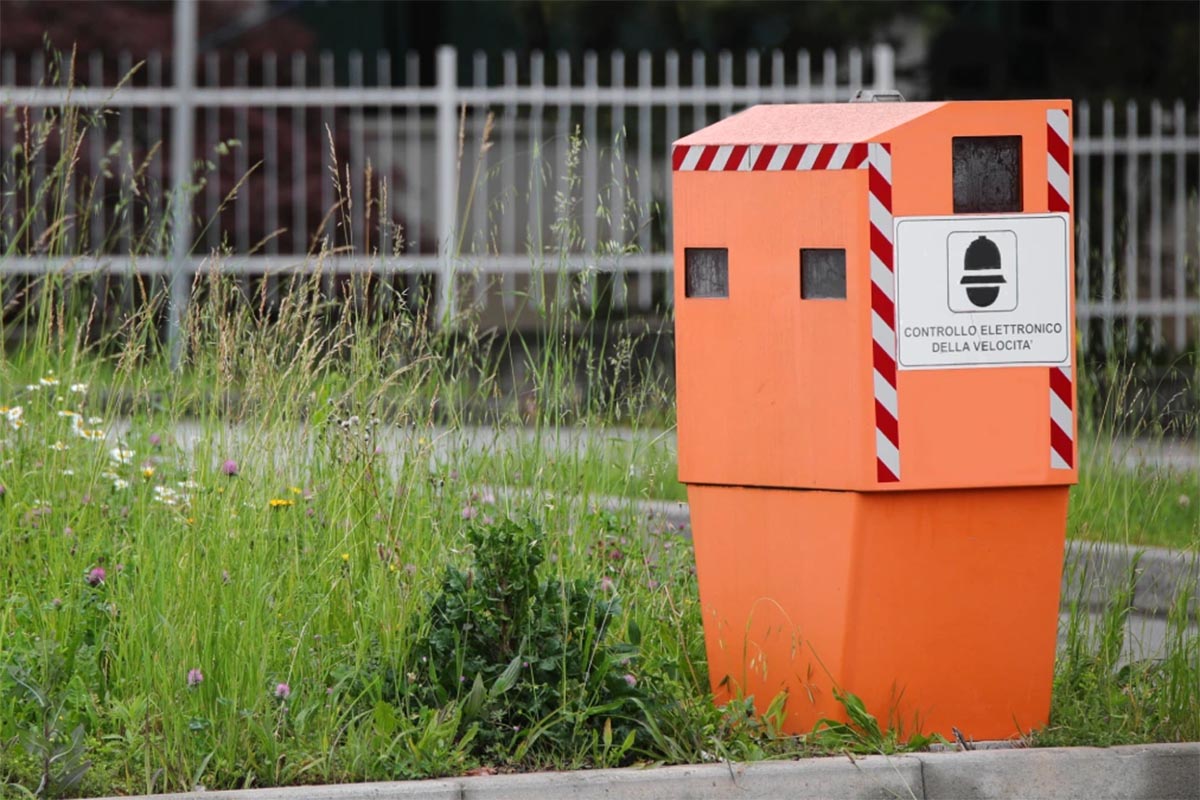
In theory, this change in fines proposed in Italy seeks greater proportionality and at a glance, as we said, it seems that the financial penalty is reduced although there is fine print. And it would be subject to many sanctions and automatically, along with the fine, the driving ban.
The system proposed by Italy may seem more benevolent, but in reality it is harsher and fairer
This is the most striking part because until now, there was time and bureaucracy, but if the draft comes into force, Italy will establish a system in which along with the fine comes an immediate ban on driving, in addition to the fine and points. We are talking, of course, about fines on urban roads and highways, since for now we do not know the proposal for the streets.
For example, on an urban road with a limit of 50 kilometers per hour, the current penalty if it is exceeded by 5 km/h is 42 euros and will become 25. But the important change comes in examples like the following and is that right now the fine between going 65 or 85 km/h is the same on that urban road limited to 50: 173 euros and 3 points. With the change to 65 it would be 75 and without withdrawal of points, but at 85 it would mean 350 and withdrawal of two points.
A similar thing happens on the highway, although the minimum fine for exceeding the maximum speed of 130 km/h by 5 km/h (there its limits are 130 and not 120) would go from 42 to 50 euros. Then an escalation would begin that would remove from the same package the sanction of going to 145 and going to 165. Currently all speeds in that range carry a fine of 173 euros and 3 points, but if the reform goes ahead it would be 150 euros up to 145, 250 euros, 4 points and 15 days of prohibition for 155 and the same time and points but 350 euros of penalty up to 165 km/h.
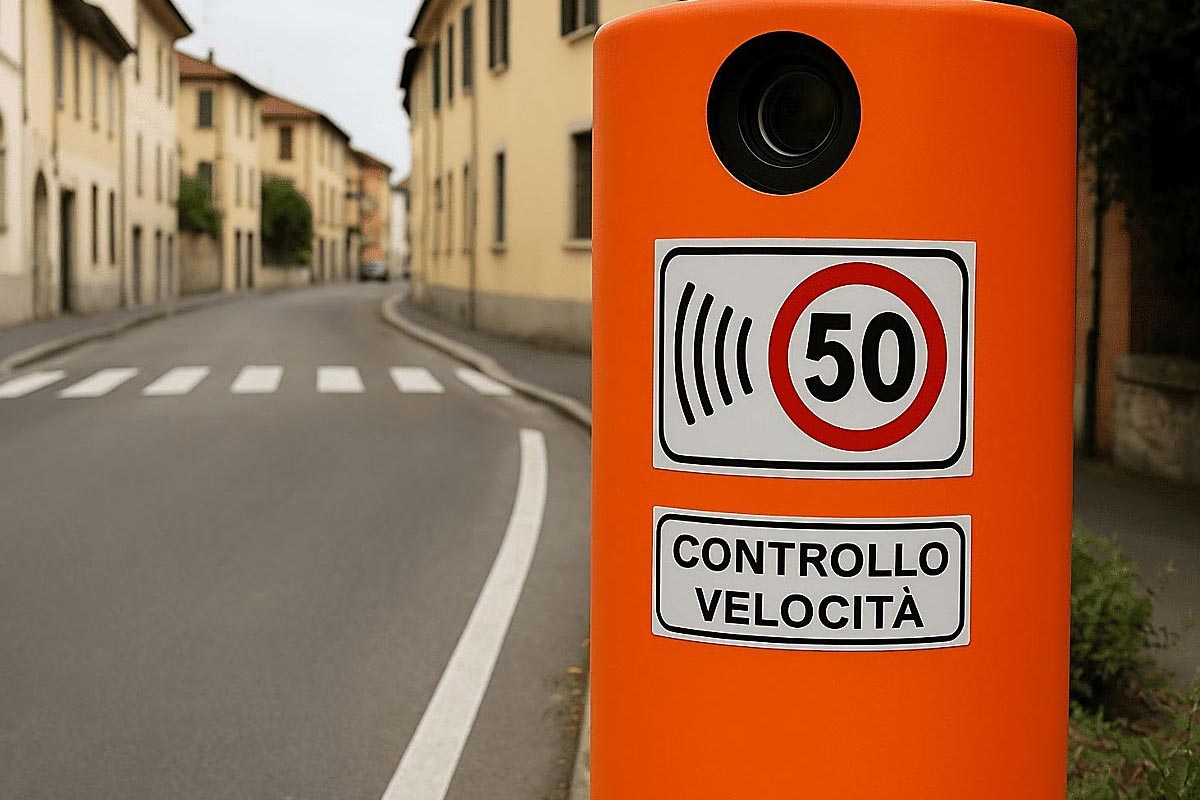
Therefore, it can be stated that what this Italian reform seeks is to adapt the punishment to the infraction. What’s more, curiously, in the highest fines the financial penalty is maintained or reduced, but it entails the immediate and automatic withdrawal of the license between 1 and 3 months, while before it was a prefect who decided the sanction within a time range.
As we said, for now it is a draft and it is in the hands of the Italian authorities to see whether it comes into force, but in general terms it seems like a system with certain criteria, don’t you think?