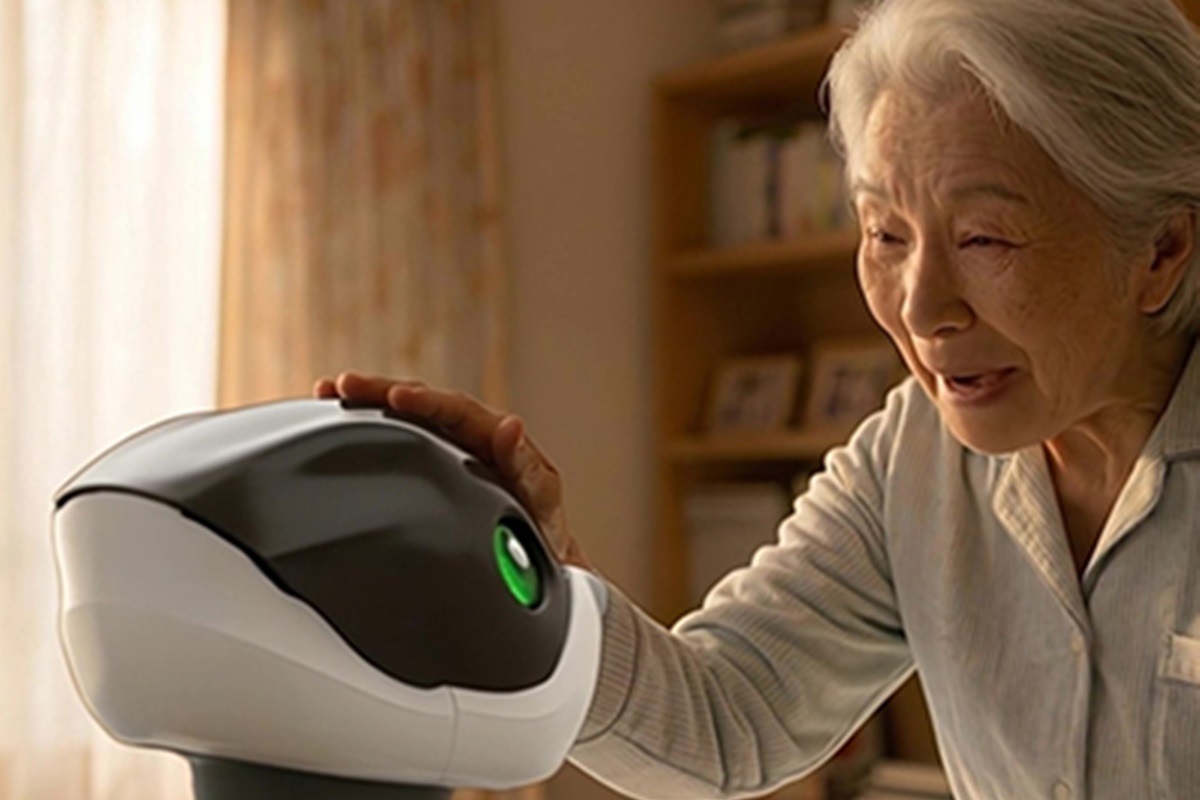
Recently, Kawasaki Heavy Industries has completed the first field tests with its latest prototype robot “Home LEO“According to the brand, this has been developed to help older people living in their homes. Thanks to artificial intelligence applied to physics, it recognizes its environment, makes appropriate decisions according to the situation and acts autonomously.
The chosen name is based on the central concept for which it was created: that older people stay connected with the family home they love. Its initial name is the result of “from the initials of three English phrases that express the aspirations behind the development of the robot”they explain from the brand itself:

- l: Linking Life – “Connecting people and robots”
- AND: Empowering You – “The power to improve your daily life”
- EITHER: Optimizing – “Making everyday life smarter.”
Home LEO, “a social robot for the healthcare sector”
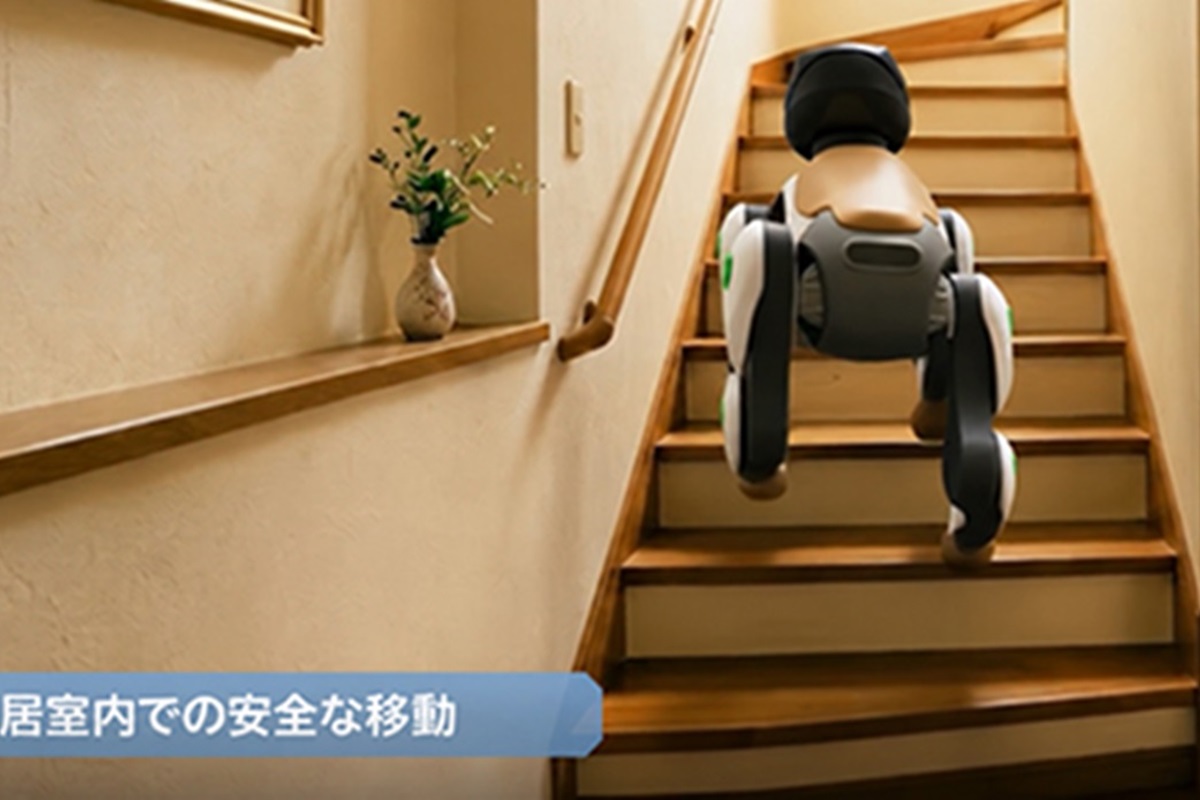
Home LEO, a robot in the shape of a “bionic dog”, aims to accompany the elderly people in its care, offering them company through conversation, caring for them and assisting them in their daily activities. In addition, it continually collects data about your personal preferences and daily life, including food, clothing, and housing, and uses this information in your daily interactions.
“By sharing this data and coordinating with medical institutions, nursing homes and other relevant organizations as necessary, Home LEO seeks to help seniors receive appropriate support and prolong the time during which they can continue to live safely and securely in a familiar environment.”they confirm from Kawasaki.
The social context that has motivated its development
Its development is conditioned by the special and difficult moment that the Japanese health sector is experiencing. As Kawasaki explained during the official presentation of Home LEO, “The Japanese healthcare sector is currently facing significant challenges arising from the continued decline in population, driven by the low birth rate and aging population”.
Not only that, “Regional disparities in medical and nursing care, chronic shortages of health professionals and caregivers, and rising social security costs create a serious situation that medical institutions and nursing care facilities cannot solve alone.” Given this social, economic and health situation, Home LEO makes all the sense in the world within a paradigm of such magnitude.
Here the brand emphasizes that its goal is not only to contribute to reducing social security spending in Japan, but also to alleviate the psychological and physical burden suffered by older people and their families. That is why they are already working on pilot tests in collaboration with Japanese government agencies, as well as with medical and long-term care institutions and AI technology companies, with the goal of launching Home LEO in fiscal year 2028.
Main Features of Home LEO
Kawasaki announces final levels of 640mm × 675mm × 390mm (L x H x W) with a maximum kneeling height of 830mm. Technically it stands out, mainly for have personalized communicationthrough daily conversations and constant supervision of users. Home LEO collects and understands the habits and preferences of each person.
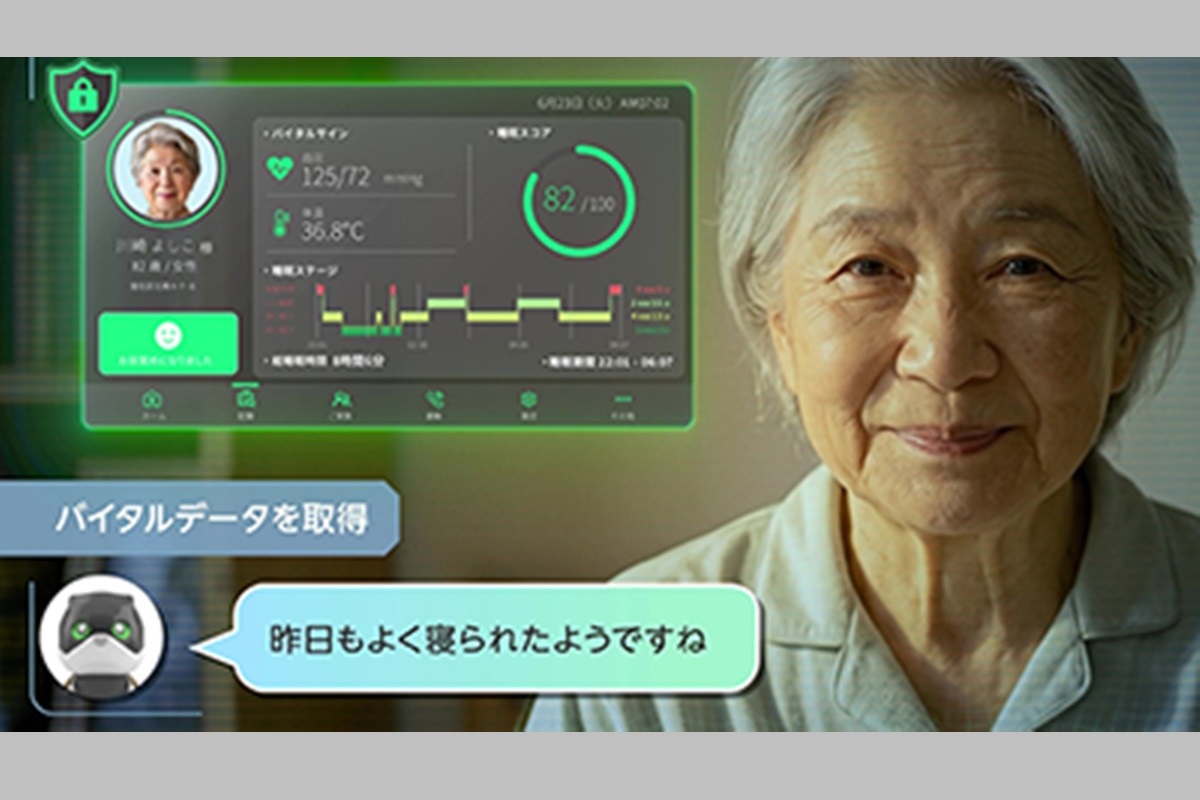
By communicating in a personalized way over time, you stay close to older people in their daily lives. In addition, offers support for safe living at home: “Home LEO monitors daily life, detecting various unusual situations such as falls, changes in physical condition, unattended fire hazards, and visitors at the door.”
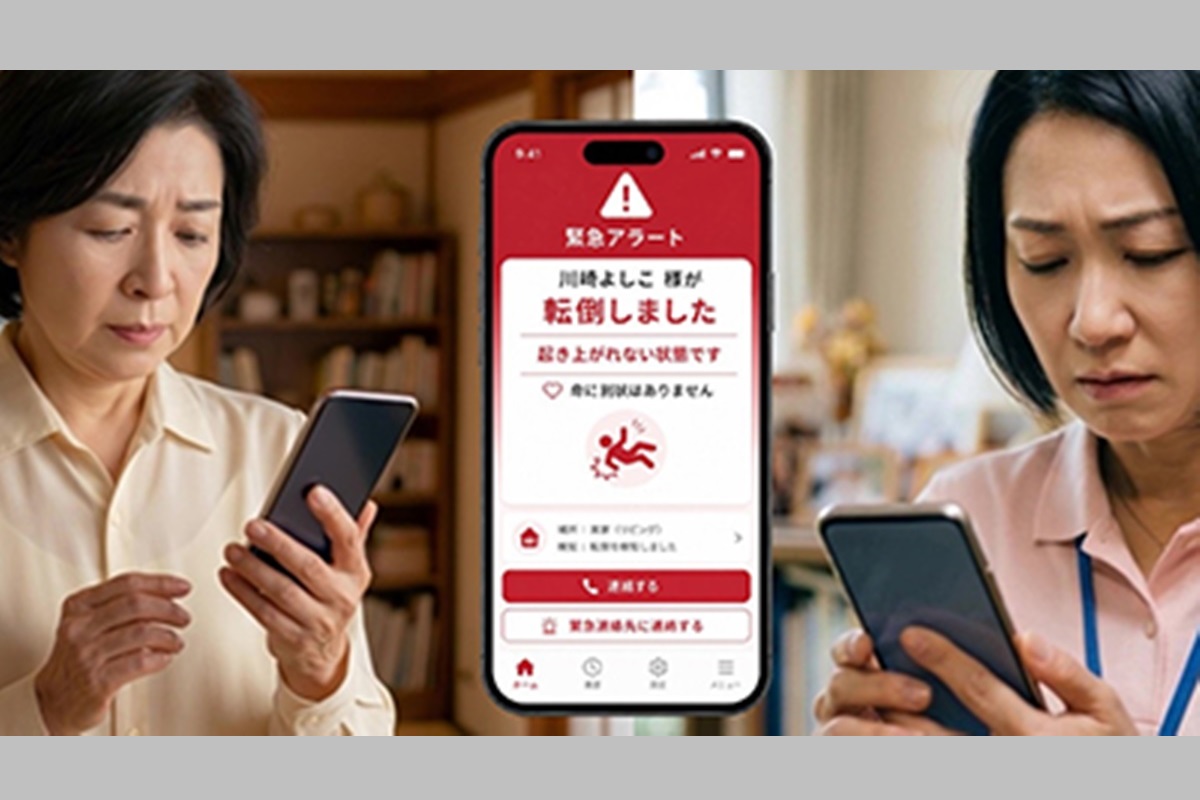
“It notifies the user directly and coordinates with family members and health professionals, helping to guarantee a safe life at home. Its development is conditioned by the special and difficult moment that the Japanese health sector is experiencing.”explains the brand itself.
Besides, has autonomous assistance for daily living powered by physical AIcombined with the robotic technologies that Kawasaki has developed over many years. Home LEO recognizes users and their environmentand moves and acts autonomously. It proactively helps with tasks such as moving around the house, finding and delivering objects, reducing the burden and effort of daily living and supporting older people to live independently.
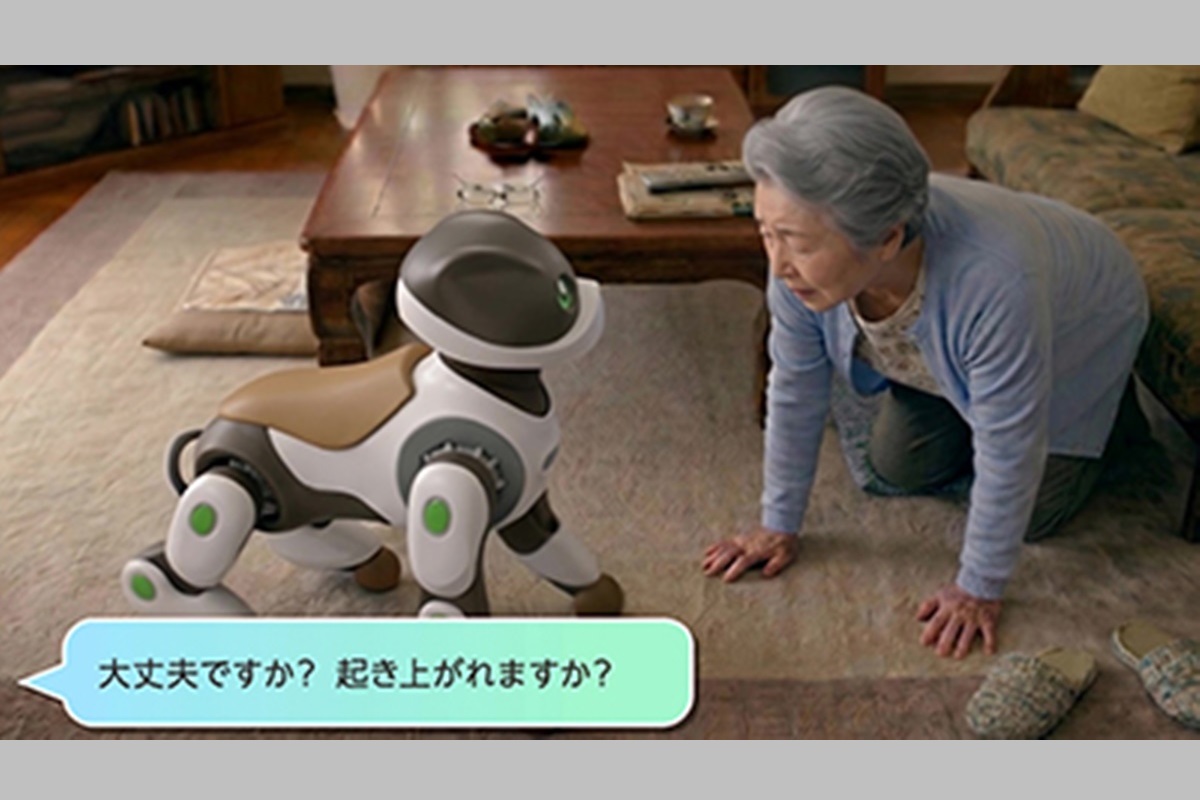
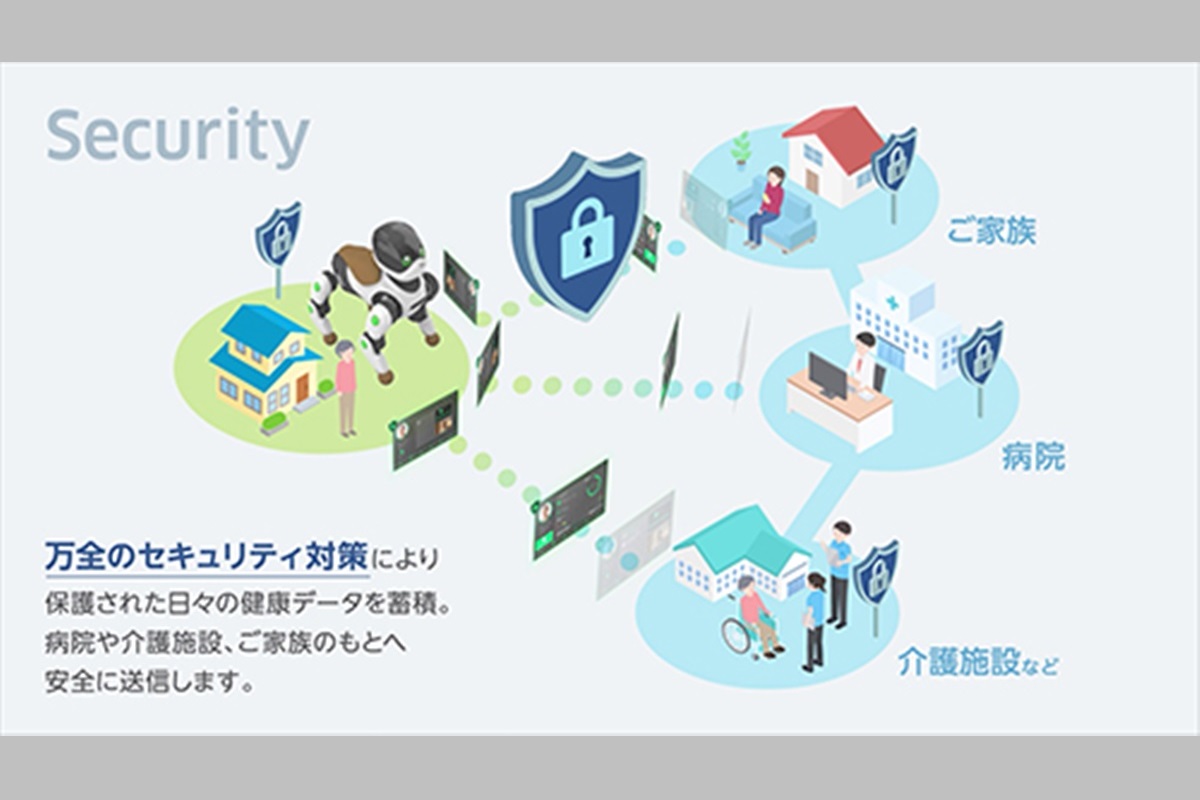
Finally we can highlight the health care platform that connects medical care, nursing care and home. Home LEO securely records everyday data such as conversations, daily routines and general well-being information.
“With user consent and under appropriate information management, this care data is shared and coordinated between medical institutions and nursing care facilities, connecting hospitals, nursing homes and the home to provide comprehensive and seamless care”they conclude from Kawasaki.