Can motorcycles circulate on the shoulder from October 1?
| Extent | In force since | Where | Who is affected? | Conditions |
|---|---|---|---|---|
| Driving on the right shoulder in traffic jams | October 1, 2026 | Only in sections agreed upon between the owner of the road and the traffic authority, marked with a fixed vertical sign and road markings. | Motorcycles | Lanes stopped due to congestion; maximum 30 km/h; in column one by one; give way to vehicles forced to circulate on the shoulder |
| Sections enabled today | No official list published as of September 24, 2026 | Catalonia has announced that it will not apply it | — | — |

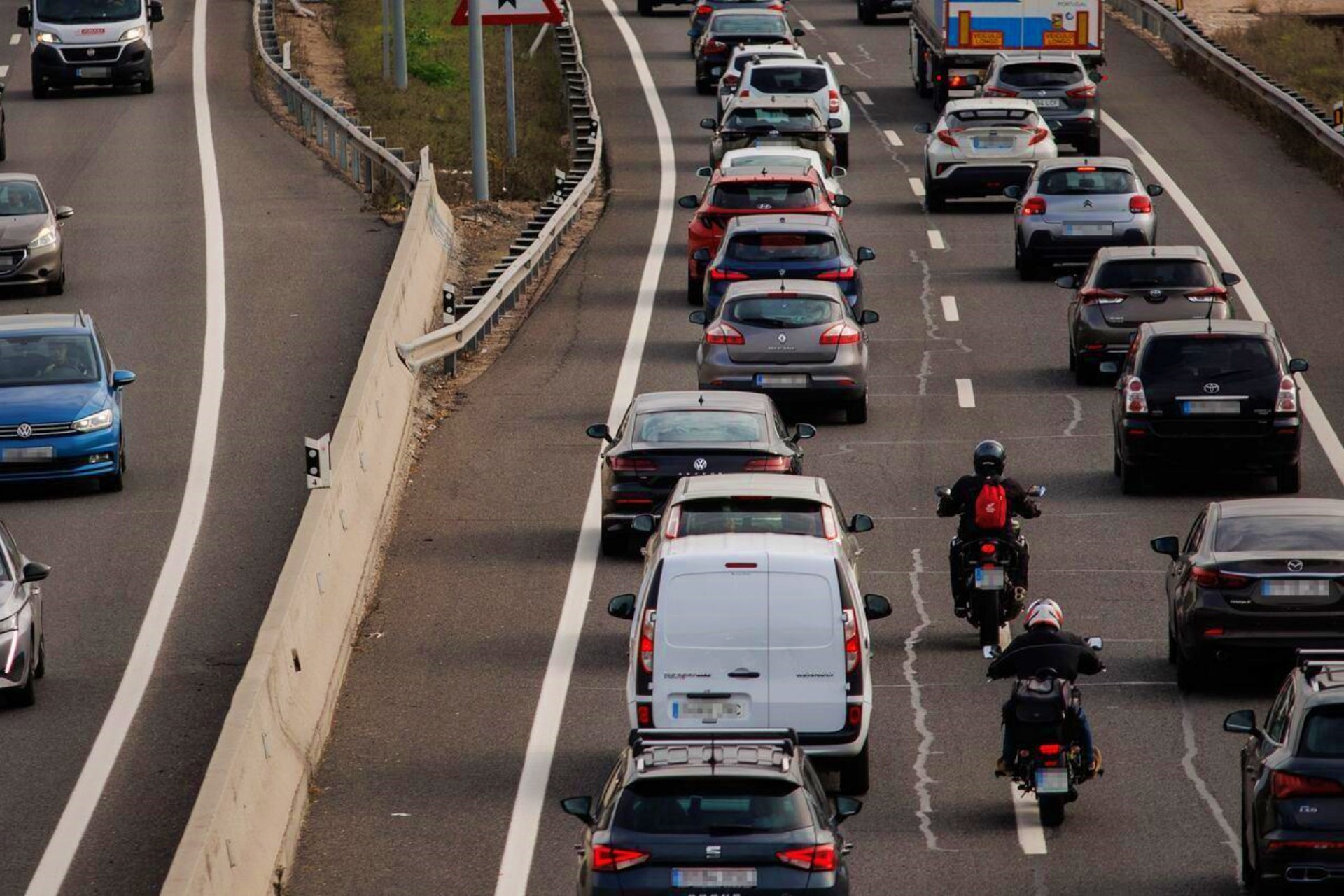
Yes, but only in enabled sections. Since October 1, 2026, article 36.3 of the General Traffic Regulations, reformed by Royal Decree 518/2026, allows motorcycles to use the right shoulder at a maximum of 30 km/h when the lanes are stopped due to congestion, as long as the section has been previously agreed and signposted.

After weeks of talking about gloves, shoes and vests, it’s a respite. For once, the reform doesn’t ask you for anything: it gives you something. But the news that circulates the most, that of «Motorcycles can now go on the shoulder in traffic jams», is not entirely correct and the truth is that it falls quite short. That is why we are going to clarify it with the BOE in hand.
What exactly does the BOE say?
The new article 36.3 starts like this:
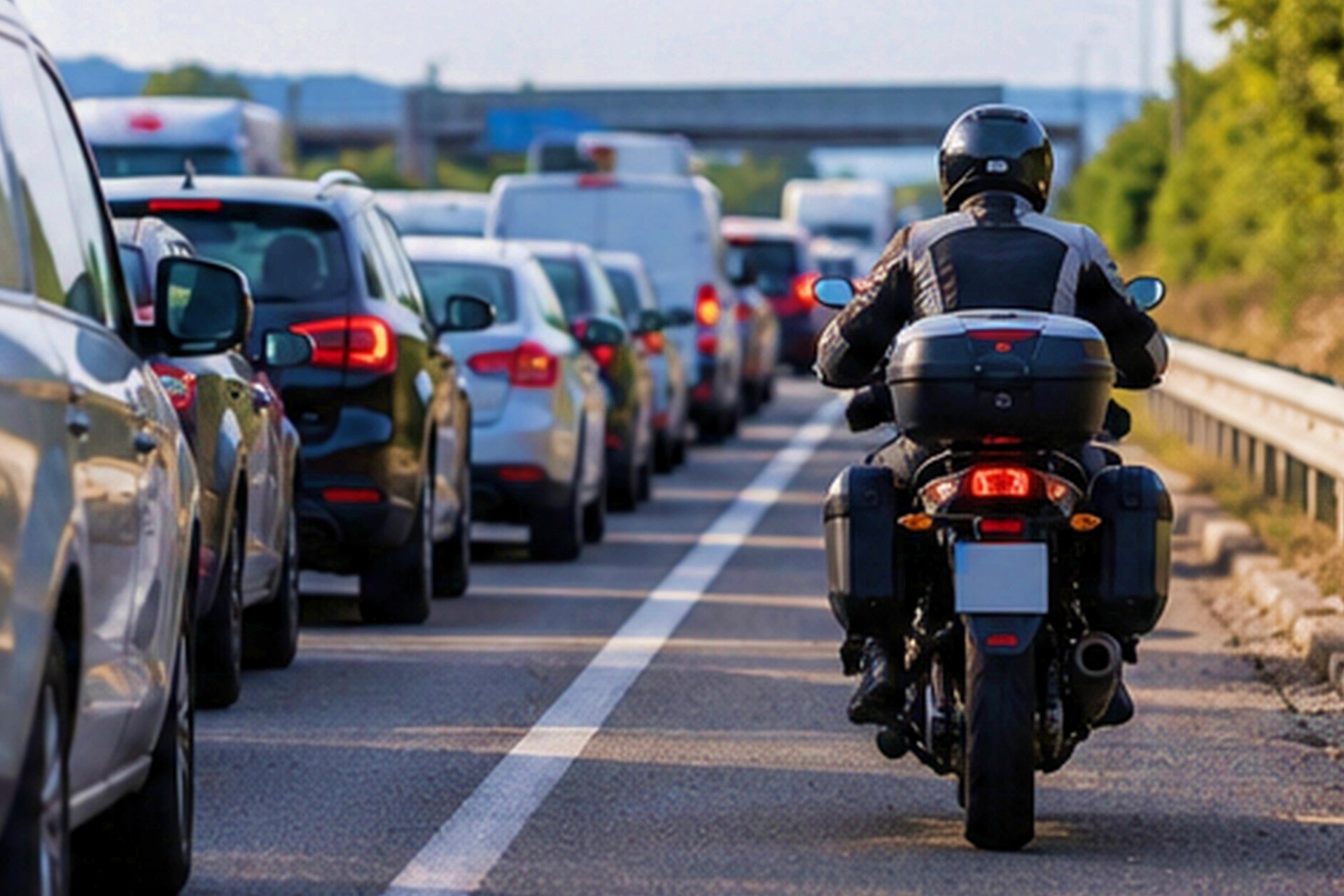
“The extraordinary use of the right shoulder by motorcycles may be enabled in those sections previously agreed between the owner of the road and the autonomous body Central Traffic Headquarters or, where appropriate, the regional or local authority responsible for traffic regulation.”
And continue with the rules of the game: the sections will be «conveniently signposted by fixed vertical signage and road markings»; the speed «It will be limited to 30 km/h and you will only be able to circulate in a column of one, taking extreme caution.»; and it can only be done “cWhen the circulation of the road lanes is stopped due to traffic congestion».
The preamble of the decree explains why: it is about separating motorcyclists from the rest of the traffic in a specific situation, because their accident rate has been going on for years.well above average».
The five conditions, one by one
To use the shoulder they all have to be done at the same time. It’s not enough to have just one.
- Section enabled. The traffic authority and the road owner must have agreed. Without this agreement, the shoulder remains closed for motorcycles.
- Visible signage. Fixed vertical sign and road markings. If you don’t see them, you are not in an enabled section.
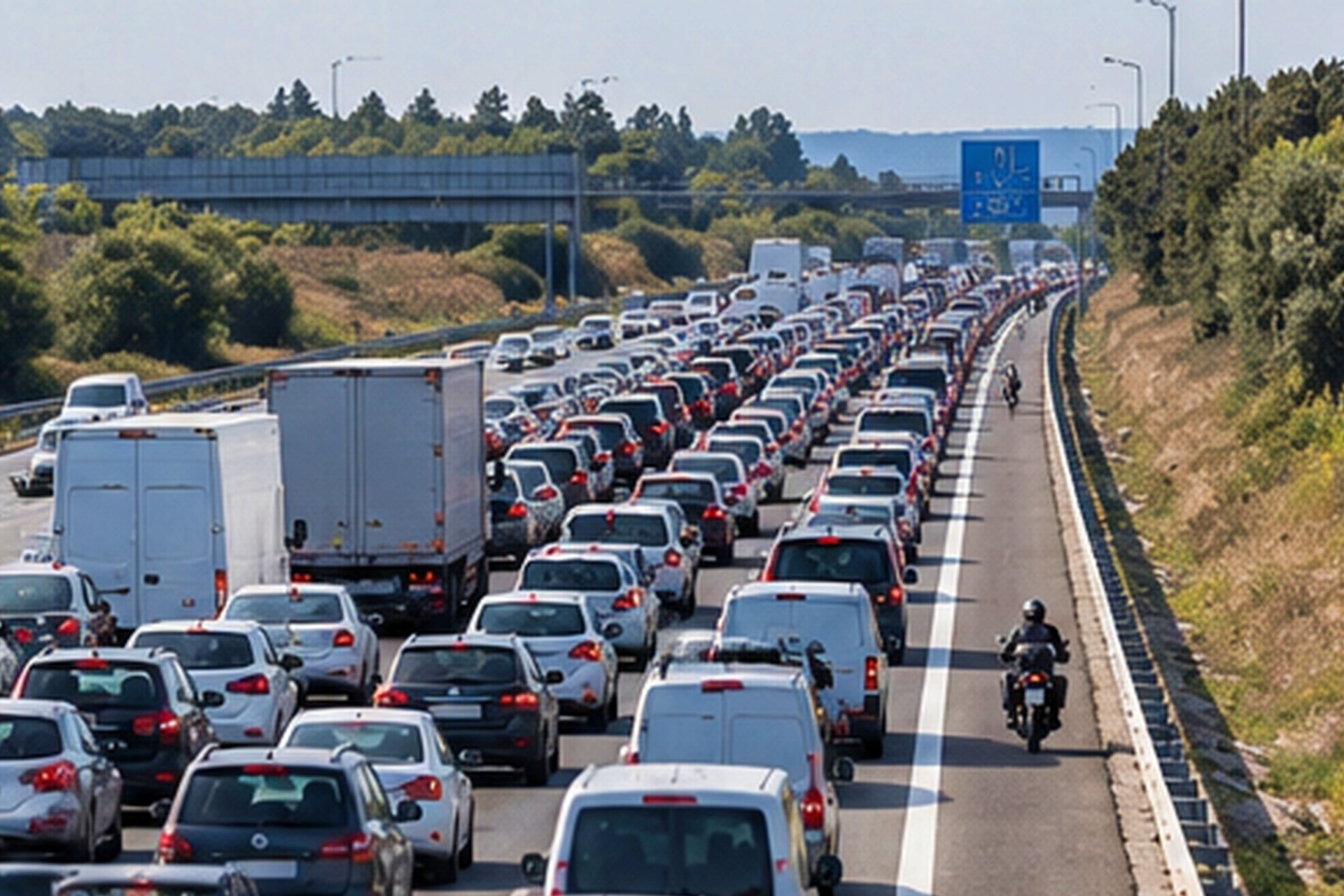
- Stopped traffic. The text does not speak of slow or dense traffic, but of lanes “stopped due to congestion.” A traffic jam that moves at 20 km/h and you want to sneak in because you’re late doesn’t count.
- Maximum 30 km/hlined up one by one and taking extreme caution. Don’t believe Márquez coming out of the box and overtaking a scooter as if it were the MotorLand joining lane.
- Priority for those who already circulate on the shoulder. Cyclists, mopeds and other vehicles required to use it have preference. The decree says that the motorcycle must «leave the shoulder if necessary». Just because we can use it does not mean that we monopolize it. Better to share, we were the last to arrive.
What sections will be signposted on October 1?
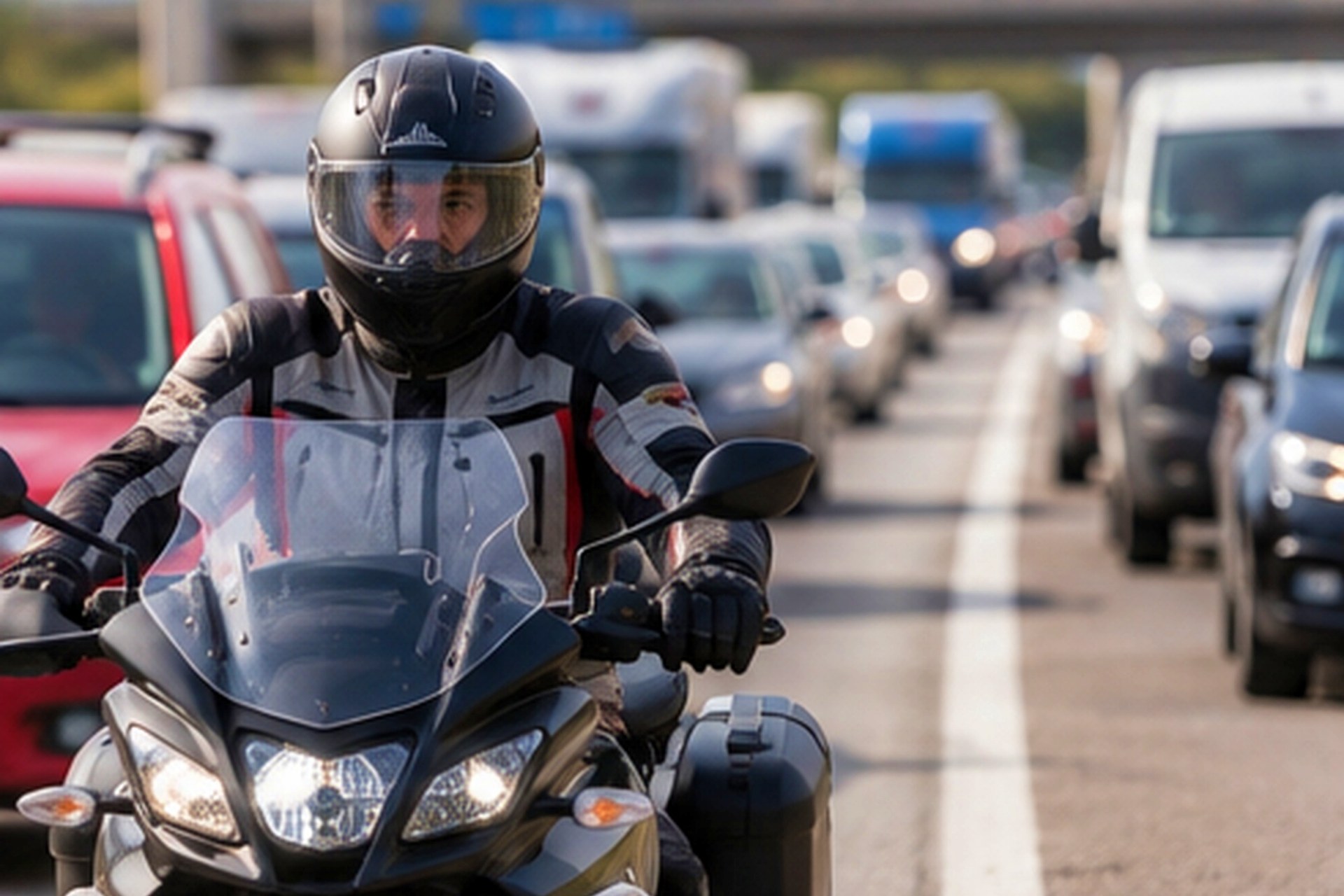
It is the million dollar question, and today it has no official answer. We have not found any list published by the DGT or by any autonomous community with the first sections enabled. It makes sense: each section requires an agreement between administrations, in addition to signs and paint on the asphalt. Most likely, on October 1 the rule will be in force but there will be hardly any sections (if any) where it can be applied.
Where there is an answer, and it is negative, is in Catalonia. Traffic there is managed by the Servei Català de Trànsit, and its director, Ramon Lamiel, has made it clear that he will not enable the shoulder: “In no way are we in favor of legalizing it and opening the door to a use that would end up being discretionary,” according to El Motero. Trànsit’s argument is that the shoulder should be left free for emergencies and broken down vehicles.
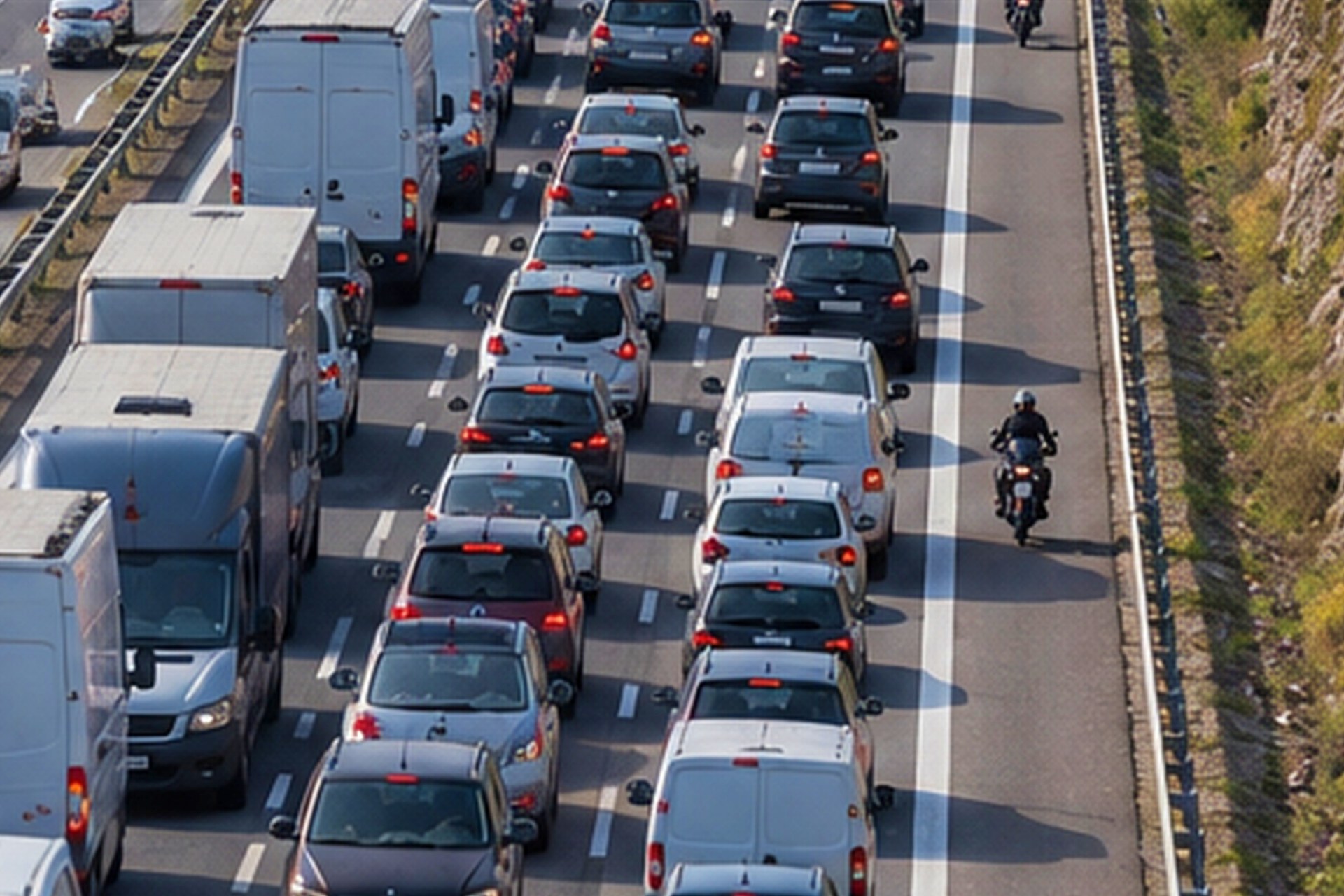
The first step to regulate filtering
Until now, getting around a traffic jam on a motorcycle in Spain was a practice that was as widespread as it was foreign to the norm. This article 36.3 is the first time that the Regulations expressly provide for the motorcycle to separate from stopped traffic to move forward. It does not legalize crossing between lanes, but it recognizes the problem.
The sector has received it well. José María Riaño, general secretary of ANESDOR, described the reform as “an important milestone in Spanish road safety policy.” The employers value that the motorcycle can get out of the traffic jam as long as the section is signposted and the speed does not exceed 30 km/h.
Outside of Spain there are more open models. For years, Belgium has allowed motorcycles to travel between lanes at low speed with stopped or slow traffic, and California has regulated the use since 2016. lane splitting. Spain has opted for a more prudent formula: the shoulder, not the gap between cars, and only where the administration decides. Although in practice filtering was already done and will continue to be done, even if it is prohibited.
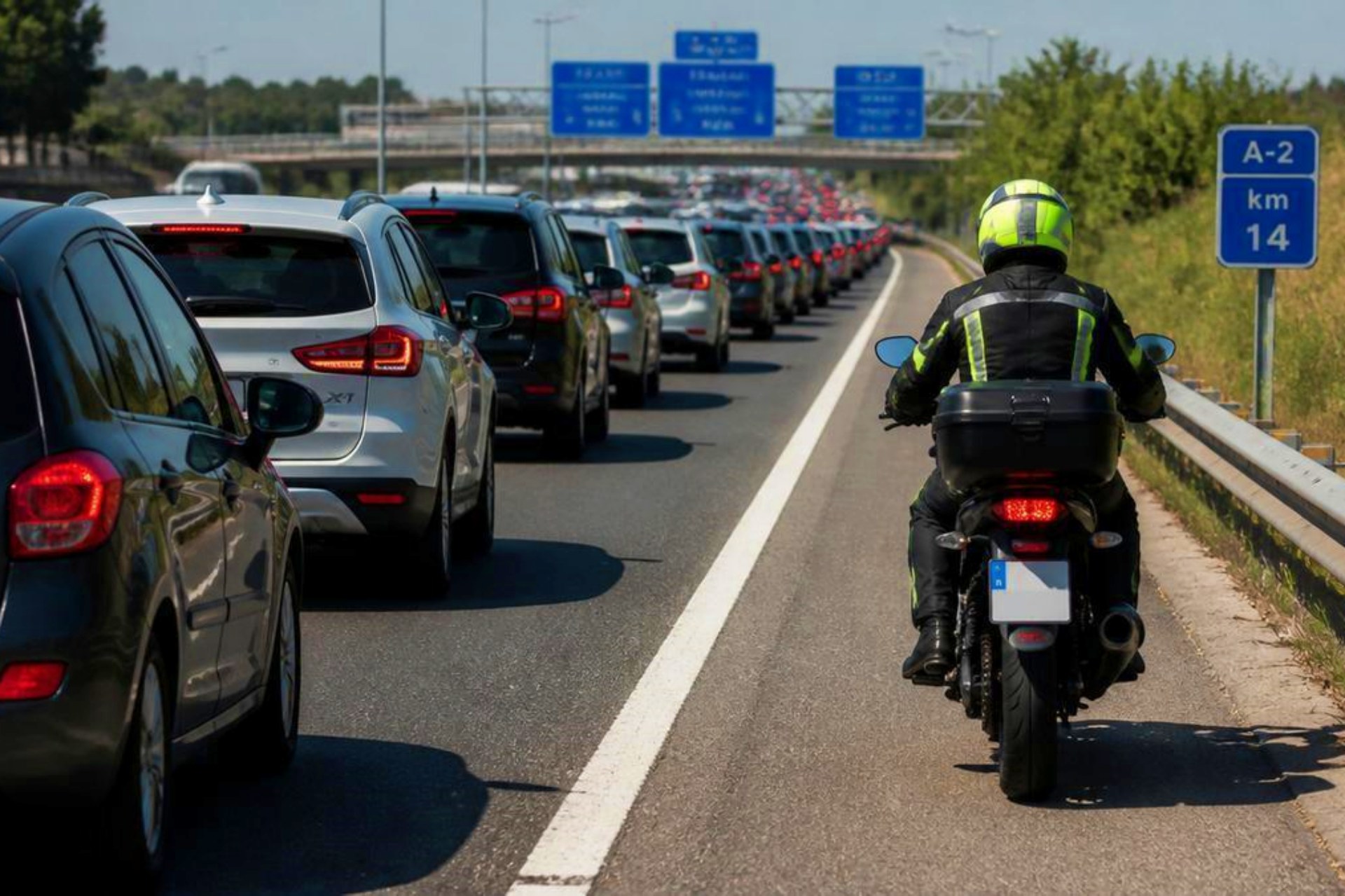
What is still prohibited
It is important to be clear about this to avoid disappointment:
- Driving between lanes still has no legal coverage.
- Use the shoulder on an unmarked sectioneven if there is a traffic jam.
- Use it in moving trafficeven if it goes slowly.
- Go over 30 km/h either go in parallel with another motorcycle.
You can also find more information about what changes in the equipment in our news about mandatory equipment, and also about the use of the vest and under what conditions.