
Although Northern Ireland is not a country in the European Union, it has made a decision that, perhaps, could open the doors in the future for us to see it in our territory. This is the gradual driving license, a way with which the Northern Irish government seeks to achieve greater security in younger, novice drivers.
And in 2024, 24% of serious or fatal accidents involved drivers between 17 and 23 years old despite the fact that they only account for 8% of driving licenses. It is a measure that addresses exclusively these hard figures and that means carrying out a forceful structural reform.

In Northern Ireland they are not inventing anything new, because in reality the gradual driving license has been around for years in different countries around the world. For example, in New Zealand, accidents involving injuries to novice drivers were reduced by 25%. And all after introducing the phased learning period system and, very importantly, night restrictions on passenger transportation.
How does the gradual driving license work?
The program to be implemented has three phases in practically all the places where it is carried out. The first of them is, after obtaining the permit, supervised driving. The new driver cannot drive unless supervised by an experienced adult. This is how you burn through the early stages with someone with experience to control the situation.
After that first moment comes the second phase of the gradual driving license and is, according to experts, the most important. From that moment on, you can drive autonomously but limiting the times in which you can take passengers with you. In the case of Northern Ireland, the limitation has been set for beginners under 24 years old, who will not be able to carry passengers between 14 and 20 years old (except immediate family) between 11 p.m. and 6 a.m. This process takes six months.
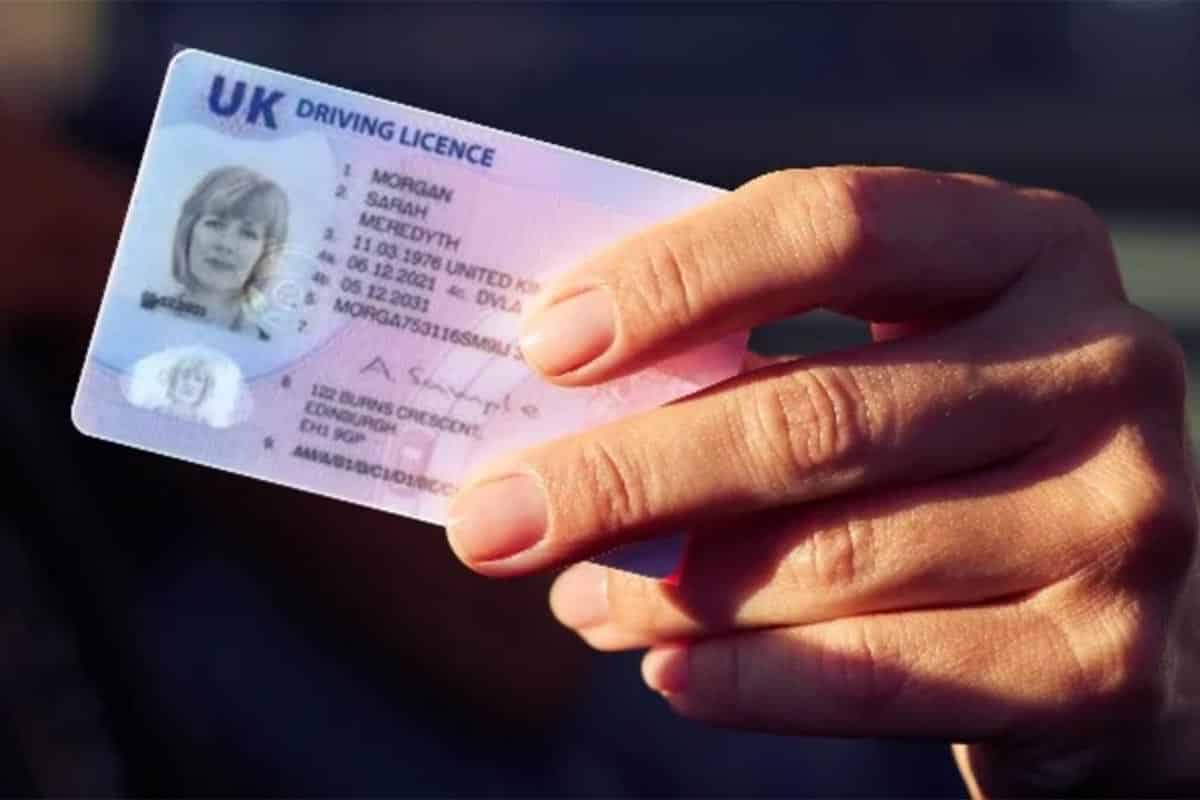
If there are no incidents in either of the two previous phases, it is time for the third step which, in some places, depends on new tests before becoming a full driver without any type of limitation.
The question is whether or not this system will expand to more countries. This will depend, to a large extent, on the situation of each country and the decisions made regarding Road Safety. What is striking in this case is that these are not restrictions on all novices but on the youngest, and in that sense the balance is complicated because it can result in a lack of extra incentive to access driving.