“FACUA-Consumers in action” has recently presented a report that will leave more than one with their mouths open. But beyond the surprise factor, it once again reveals the totally disproportionate differences in the price of the ITV depending on the autonomous community where we live.
Specifically up to 294%if we stick specifically to the motorcycle sector, the average rate being 24.28 euros. Thus, the most expensive are in the Community of Madridwhere the average price of the stations compared by FACUA -they have liberalized rates- reach 40.22 euros. At the other extreme, Mallorca, where passing the ITV costs 10.21 euros.

The ITV in Spain and its varied management system
The association’s analysis includes the ITV rates for passenger cars, both diesel and gasoline with catalytic converters (non-catalyzed ones have less and less presence in Spain’s vehicle fleet), as well as motorcycles. The prices collected include 21% VAT (or 7% of the Canarian IGIC, 9% of the IPSI of Ceuta and 4% of that of Melilla), but not the Traffic fee, established at 4.18 euros for all inspections.
As an important fact, in 2026 there has only been a tariff freeze in six autonomous communities (Andalusia, the Balearic Islands, Catalonia, the Valencian Community, Extremadura – only in the Administration stations – and La Rioja) and in Ceuta. The largest increase, of 30.3%, has occurred in the Asturias rate for motorcycles.
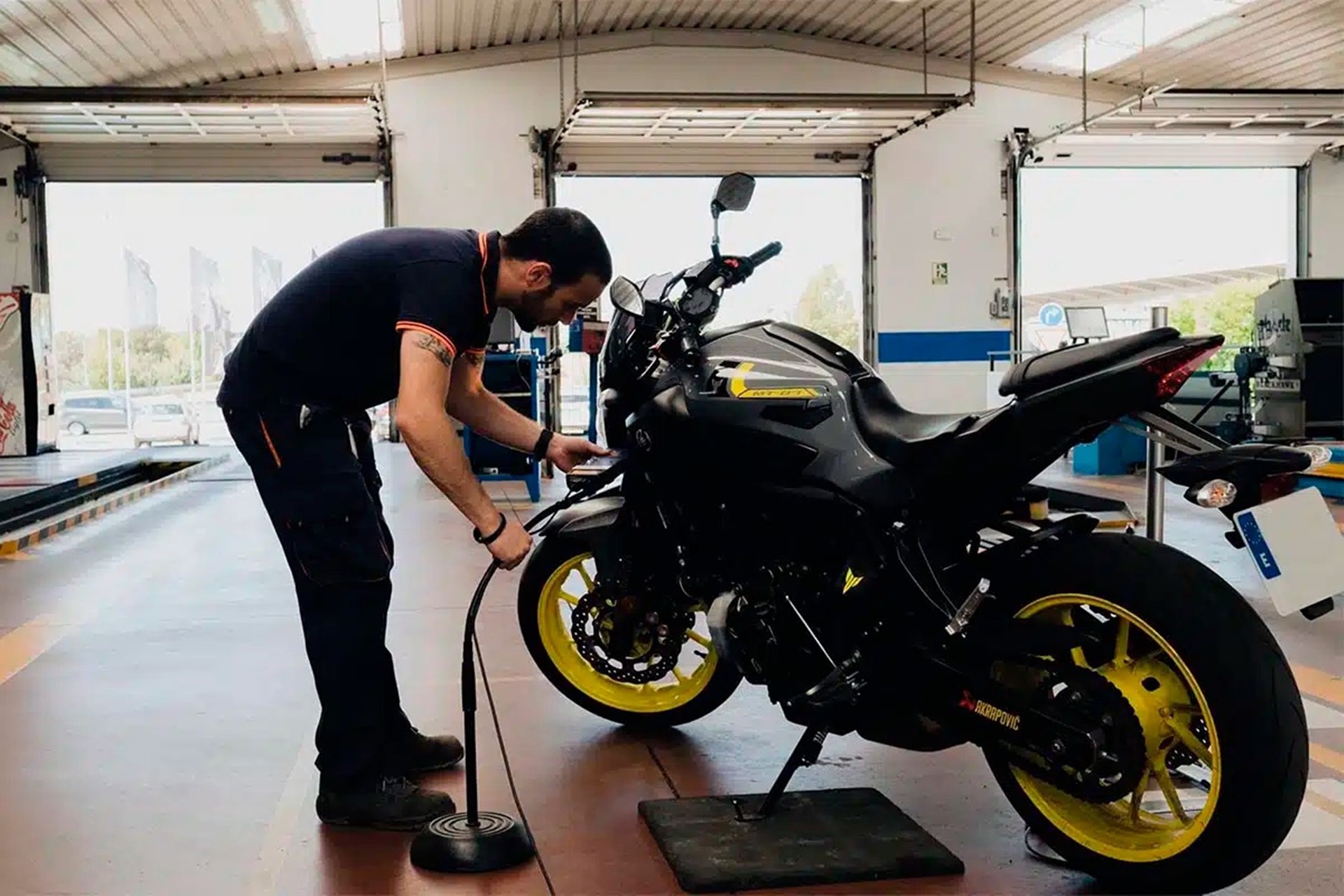
The second and third highest increases have been in the autonomous community of Extremadura, where rates for motorcycles have increased by 11.9%. It should be noted that, as in the previous year, the analysis considered the current offers and discounts on ITV prices in the Community of Madrid, where the service is liberalized and rates are set without regional regulation (as in Murcia).
Mixed public and private management
In this sense, each company charges the prices it deems appropriate, although most companies apply different discounts to the rates published on each ITV station to try to attract more customers, depending on the times at which the appointment for the inspection is requested or if it is contracted through telematic means.
Depending on the autonomous community, the operation of ITV stations can be public or private. In those places where it is private, it is usually provided through a concession regime in which prices are controlled by the corresponding administration, except in the cases of Madrid and Murcia, where they are free. There are also communities where a mixed public and private model coexists.
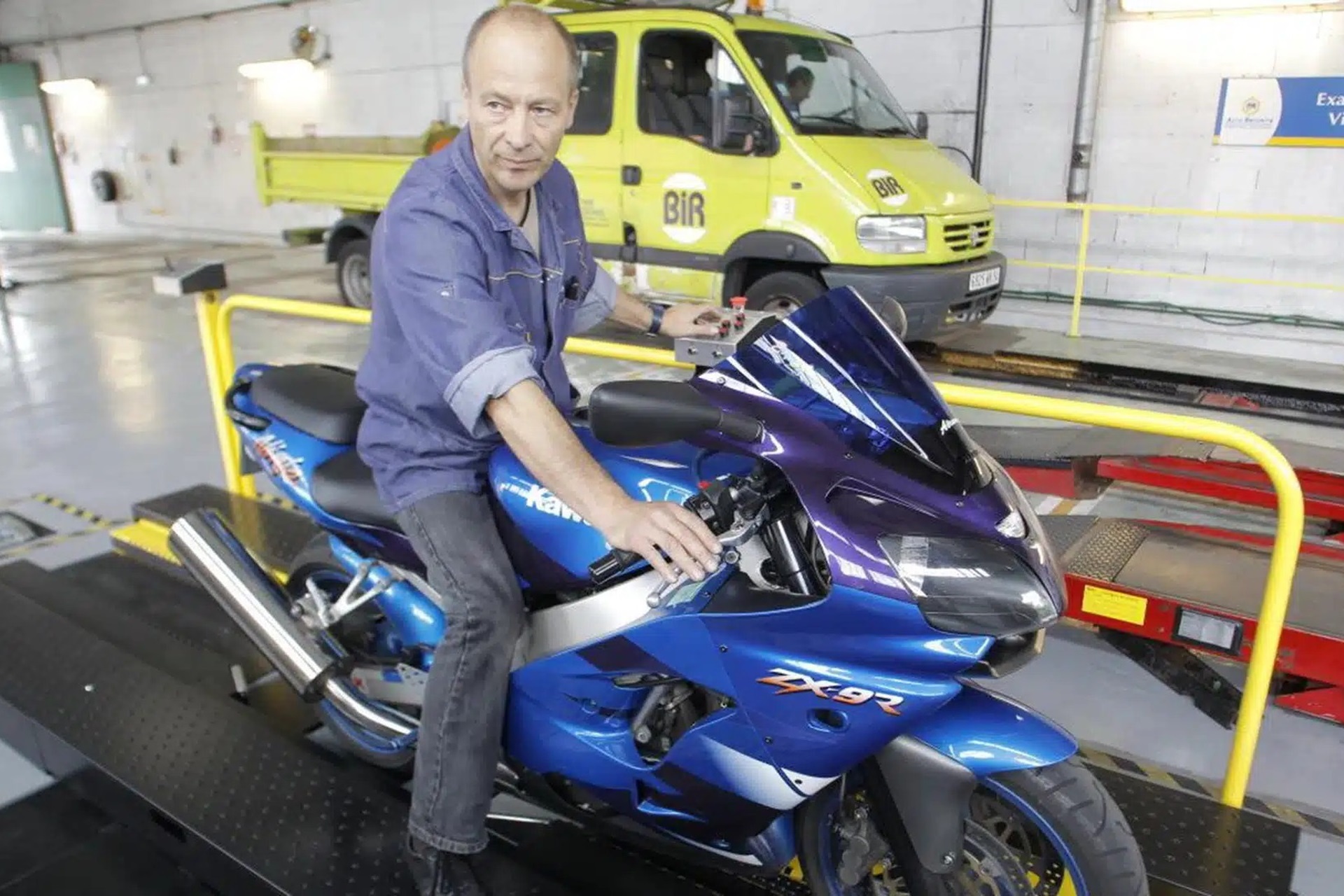
In the Valencian Community, the Generalitat approved in July 2022 that the management of the Technical Vehicle Inspection (ITV) would once again be public once the concession to the private companies that had been in charge of periodic reviews for 25 years was concluded. The launch of the new company began on December 31, 2022.
In Extremadura, some public stations, operated directly by the administration, coexist with other private ones, which operate under a concession or authorization regime, which causes notable differences in the prices of inspections, since VAT is not applied to the amount charged at public stations, since they are rates and not prices.
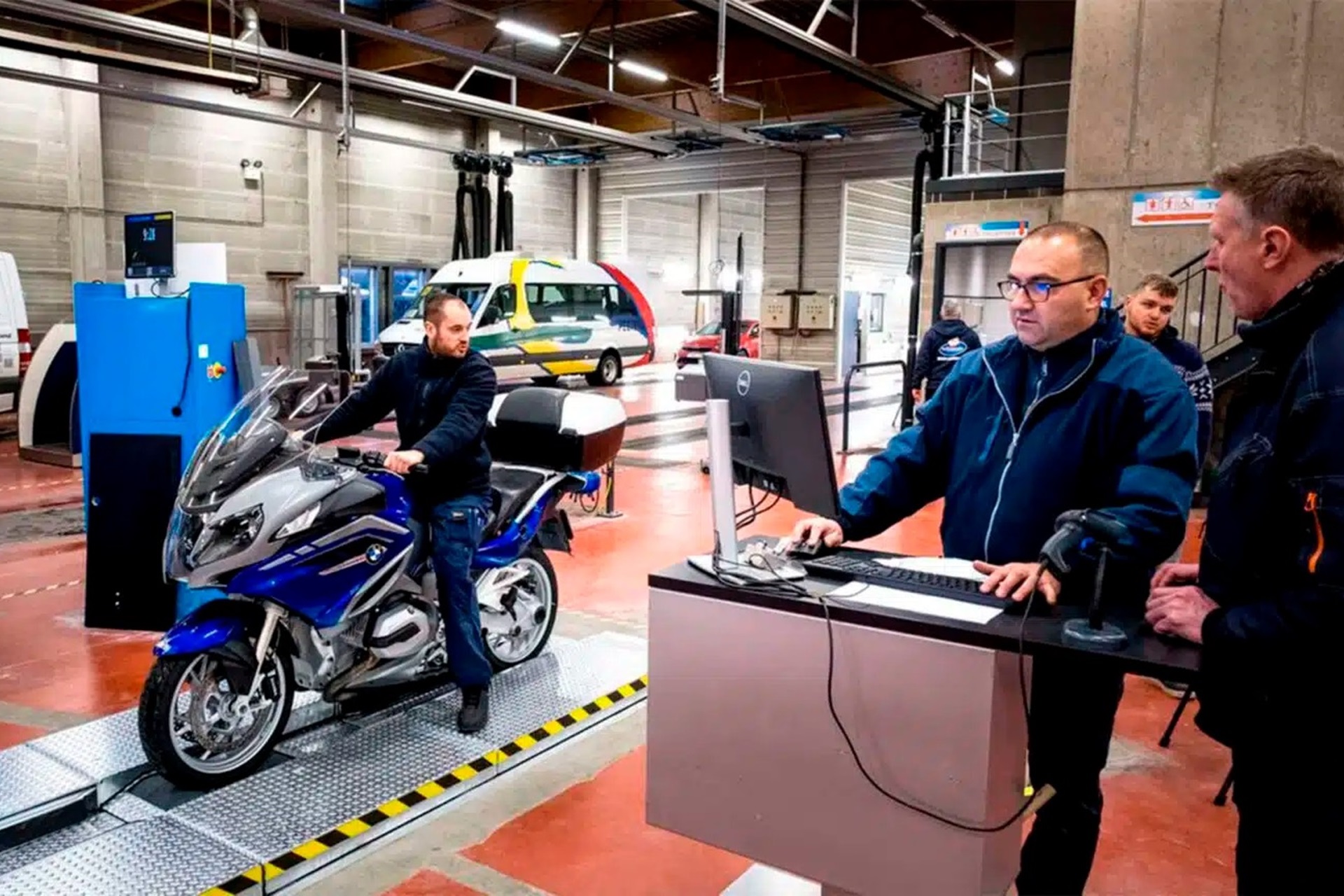
Different concepts in each autonomous community
The Region of Murcia functioned in a similar way until the only public station, Alcantarilla, closed in 2023. In Mallorca, which changed its model in 2020, the Island Council is directly managed through a company (Itevebasa). Andalusia is, on the other hand, the autonomous community that offers a more complex tariff system.
In general, there is enormous heterogeneity with respect to the way in which each autonomous community sets its own ITV rates. And this, despite the fact that the inspections are regulated by state regulations, so in all of them the procedure for the ITV is exactly the same as that included in the Royal Decree 920/2017 of October 23e, which regulates the Technical Vehicle Inspection throughout Spain.
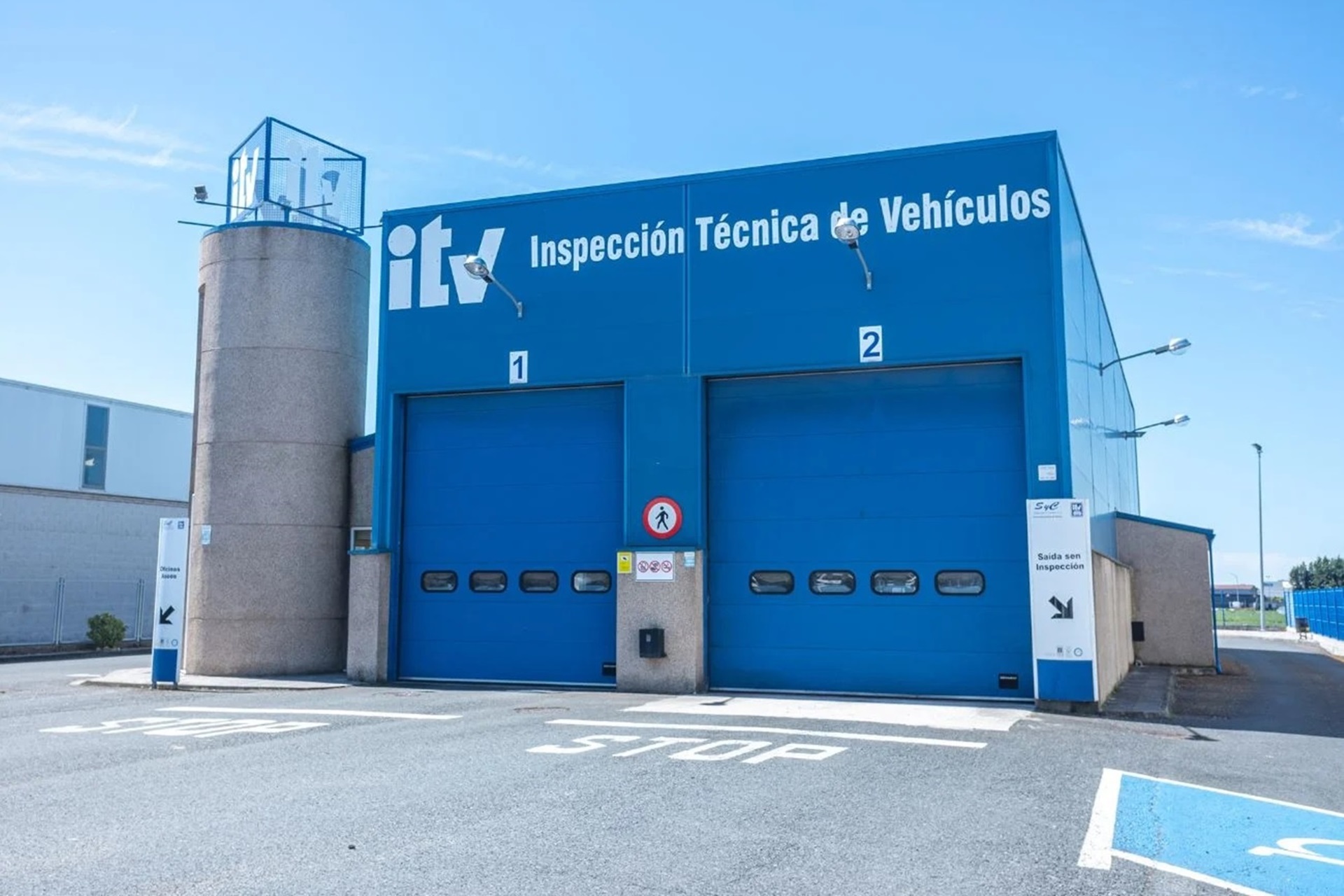
In this sense, not only do prices vary from one community to another. Rates are also broken down into different concepts in each autonomous community. There are those that include all the reviews and those in which the publication in the Official Gazette of the corresponding autonomous community breaks down the cost of each section (gas emission, noise control, etc.), even though it is included in the mandatory inspection.