For more than 70 years, Honda has built its reputation on internal combustion engine engineering, ranging from cars and motorcycles built for the world’s leading racing series to urban scooters, Kei cars, minivans, SUVs and everything in between.
As the automotive industry continues to explore various avenues to reduce emissions, the company is evolving its approach, analyzing how new technologies can complement its already established strengths in its different product portfolios to offer true diversity and choice to its customers.
Rather than looking for a single solution, Honda is developing a range of electrified technologies for both its motorcycle and automobile businesses, recognizing that mobility needs vary by lifestyle, geography and usage patterns. To achieve this, it has forged alliances with leading companies in the sector, such as Yuasa or LG.
It’s a journey that began more than a quarter of a century ago with the Honda Insight, the first mass-produced hybrid vehicle to go on sale in Europe, ventured into hydrogen with the Clarity and laid the foundations for today’s range of four-wheeled vehicles, with a variety of hybrid and plug-in hybrid options powering every model from the Jazz to the CR-V.

Honda WN7: a new chapter in history
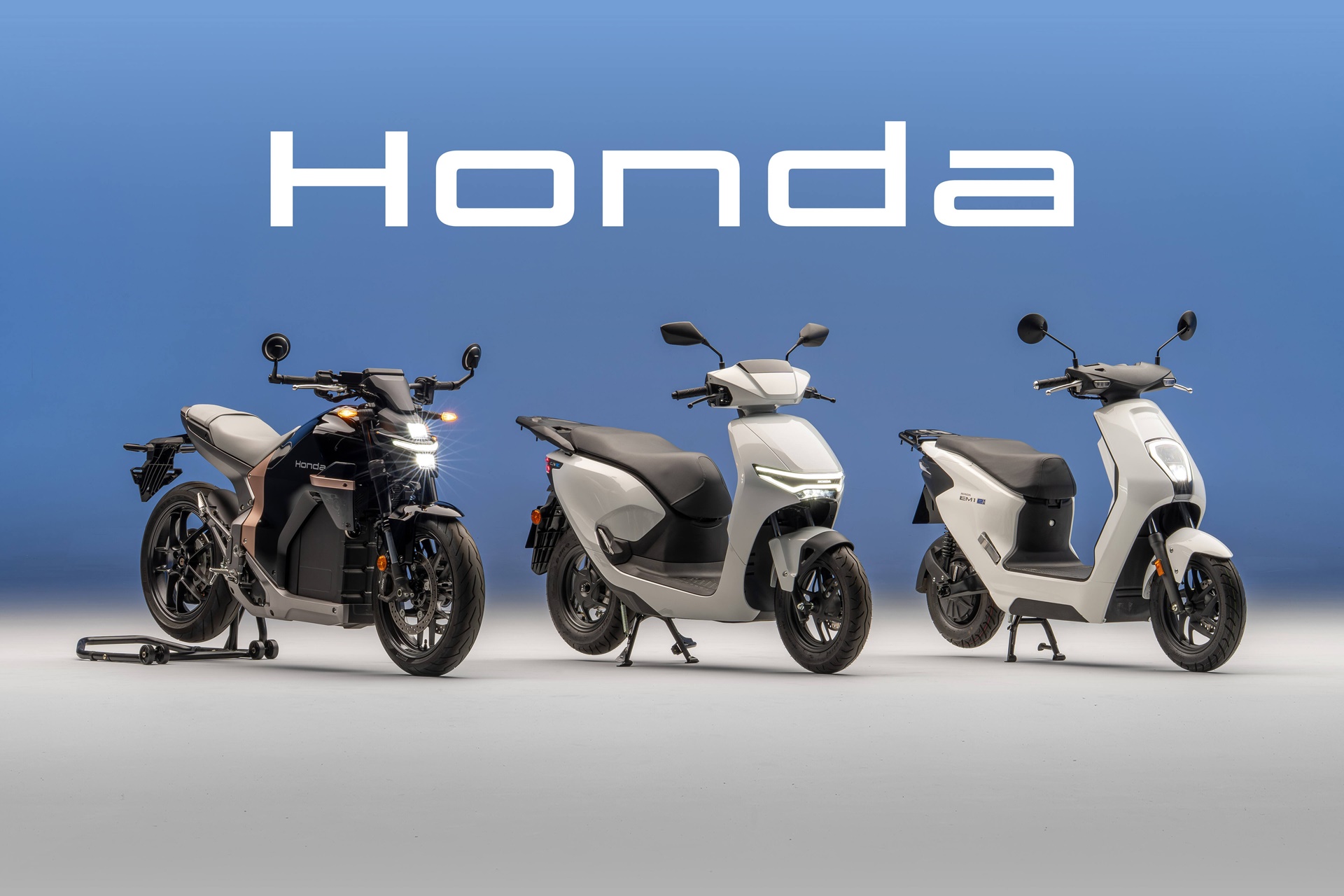
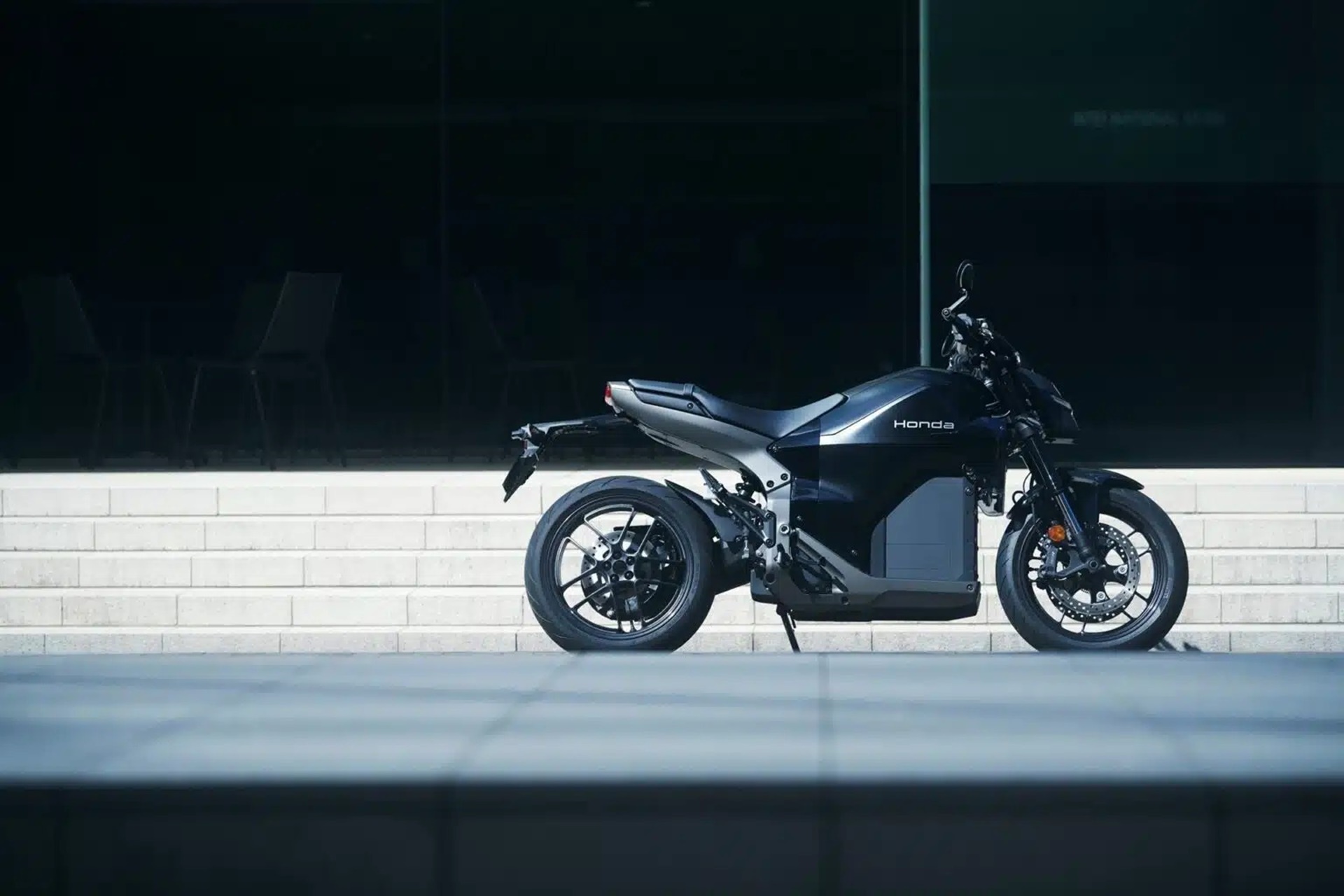
The Honda WN7, which has just landed in the brand’s official dealerships, represents the latest chapter in this broader exploration, joining the EM1 e: and CUV e: scooters in its range of electric two-wheeled vehicles. This trio reflects the changing mindset in how future mobility experiences could be shaped and embodies the same spirit of research, development and engineering that characterizes Honda’s current range of cars and SUVs.
Although Honda motorcycles have always been based on combustion engines, the Honda WN7 completely dispenses with this technology. However, according to head of development Masatsugu Tanaka, the fundamentals remain unchanged: “A motorcycle still has two wheels. Accelerating, braking and cornering: those basic dynamics do not change.”
That philosophy reflects Honda’s overall transition in its automotive division, where its hybrid platforms maintain a strong focus on driving dynamics. The WN7 follows that model, applying decades of chassis and control systems experience to a new propulsion format.
From its inception, the WN7 was not conceived as a direct replacement for gasoline motorcycles. Similar to the application of e:HEV hybrid technology, the WN7 was designed to explore the unique advantages that electric mobility offers. The absence of engine noise and vibration, long considered essential to a vehicle’s character, became an opportunity rather than a limitation.
A new way of understanding driving
Without combustion, new sensory layers emerge. Wind, road surface feedback and ambient sounds take on greater prominence, creating a stronger connection between the rider and their environment. The benefits don’t end there, as the throttle response becomes smoother and more linear.
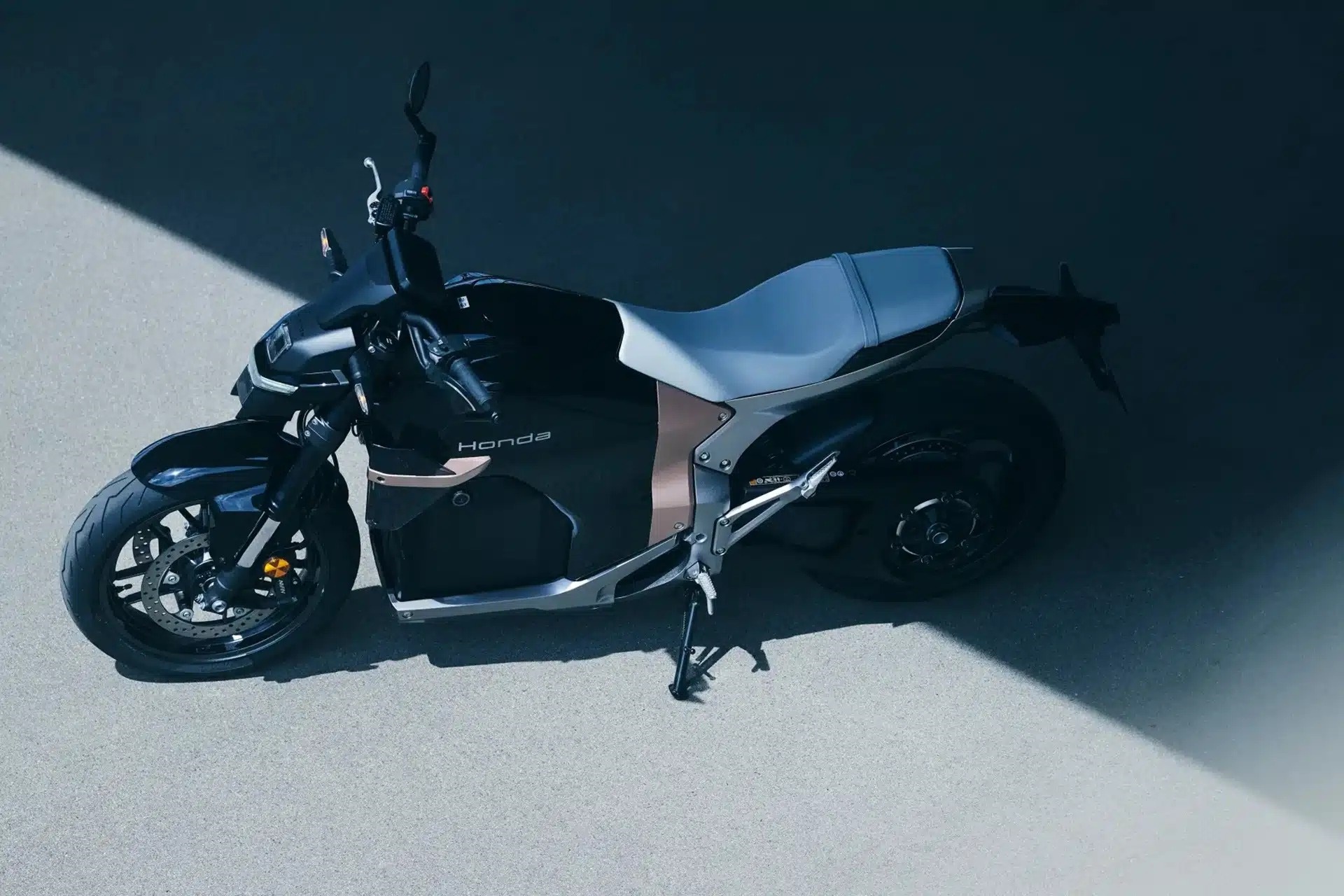
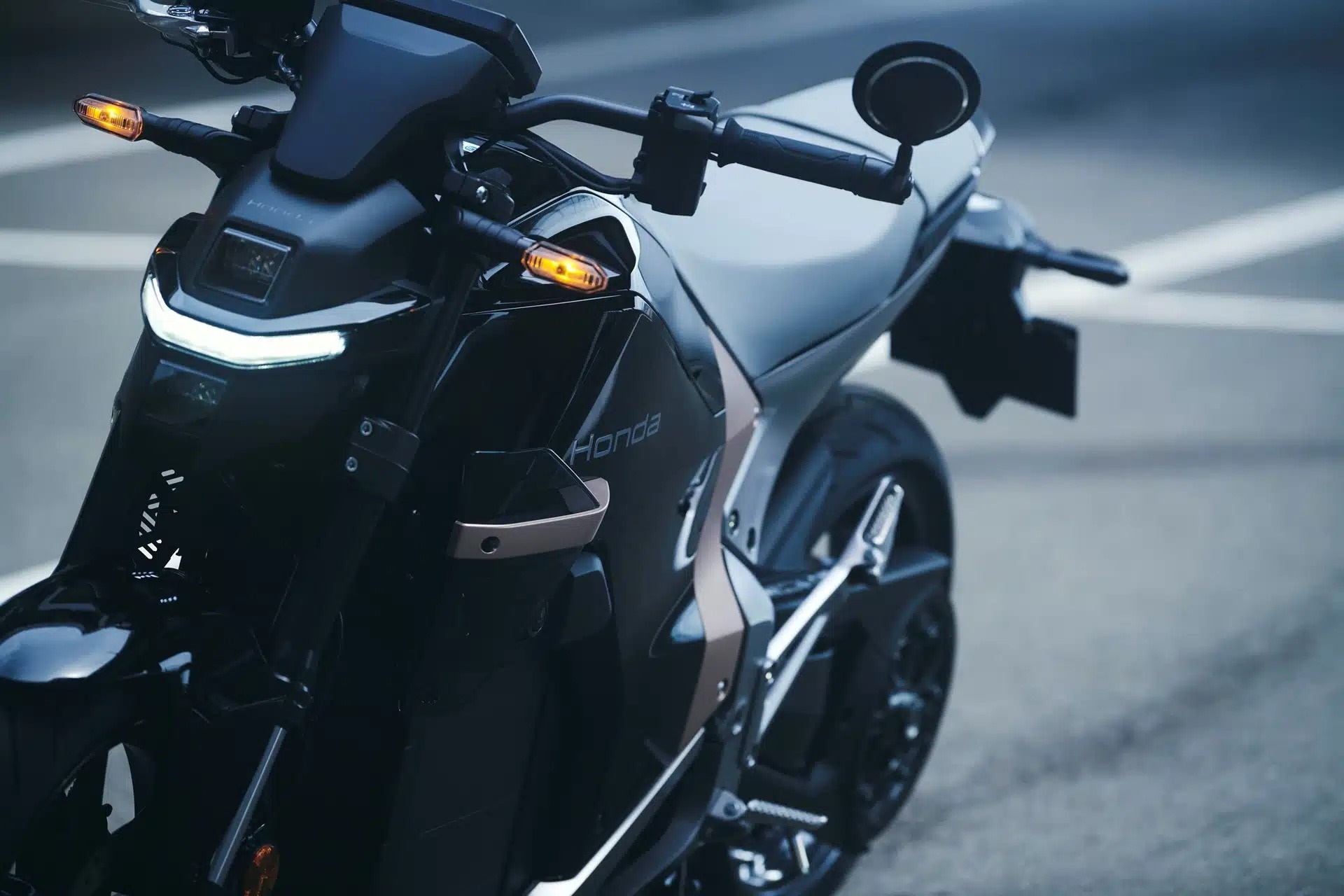
The design has evolved accordingly. While combustion motorcycles typically focus visually on the engines, the electric architecture offers freedoms and opportunities, shifting the emphasis toward battery integration and structural efficiency. Honda designers considered the battery and motor as central elements in both form and function.
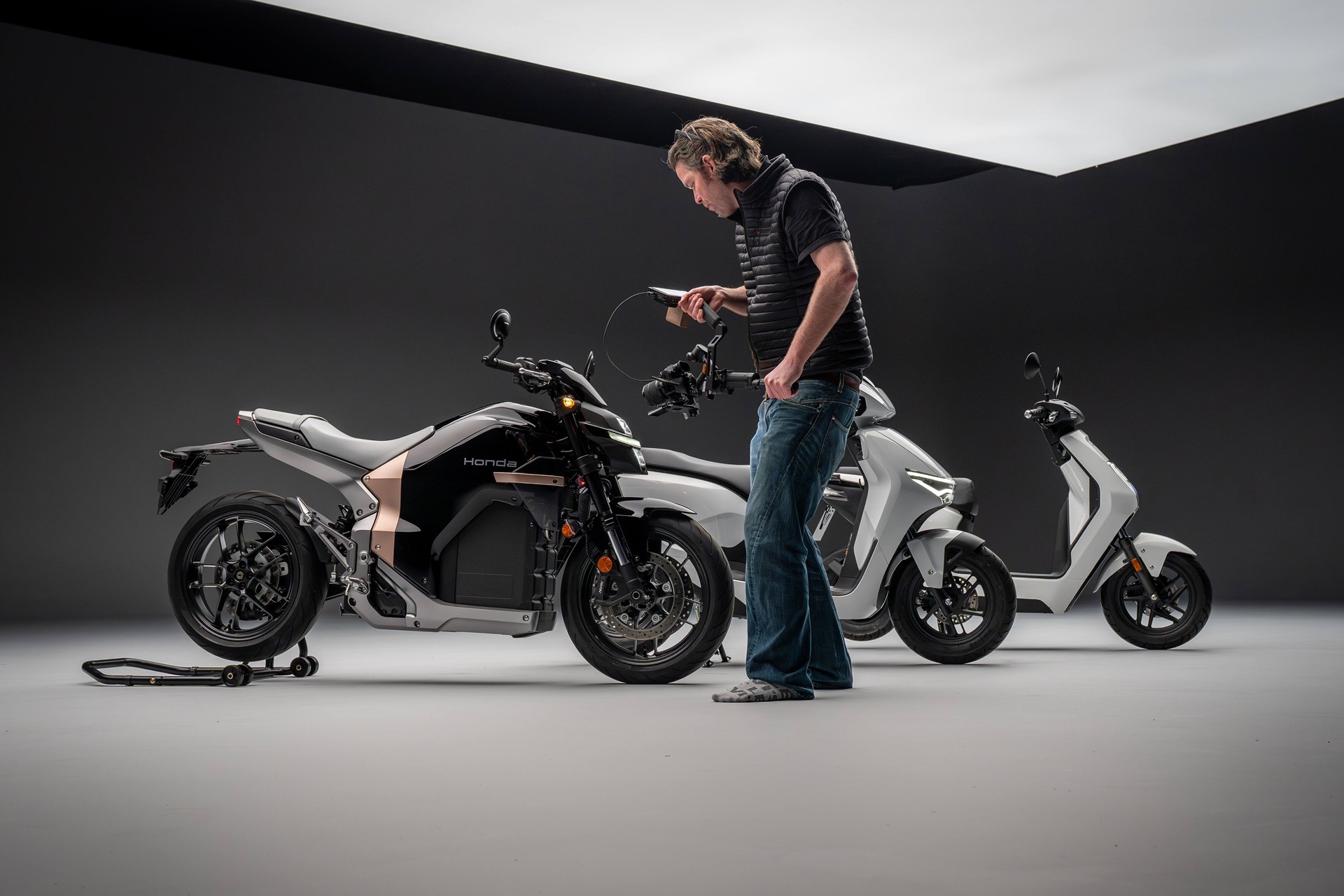
They also paid special attention to colors, materials and finishes to enhance the overall design. This once again reflects the philosophy of the Honda car range, where the interior design is distinguished by practical ergonomics, tactile touch points and premium materials. Engineering challenges, particularly battery packaging, thermal management and weight distribution, were addressed comprehensively.
Efficiency as the main pillar of the project
By centralizing mass and refining the chassis, the WN7 aims to deliver high-speed stability and low-speed agility. This reflects the strategy that Honda is implementing in its electric vehicles, where the location of the battery is key to achieving a fun drive. Charging infrastructure was another crucial aspect. The WN7 adopts the same standards as electric and plug-in hybrid vehicles, such as the CR-V e:PHEV, and uses Type 2 AC charging and CCS2 fast charging.
This allows integration with existing public charging networks, preparing the WN7 for longer weekend trips. It also highlights Honda’s philosophy when it comes to powering and charging electric vehicles. The WN7 is Honda’s first electric motorcycle with a fixed battery, which bears similarities to the range of automobiles, as it is mounted low and centrally within the vehicle to reduce its center of gravity and improve maneuverability.
But it is not the only solution. The EM1 e: and CUV e: electric scooters introduce a new way of thinking and are built around Honda’s unique Mobile Power Pack e: (MPP) system: a removable and interchangeable battery pack, designed to address the main problems faced by electric mobility products, namely charging time, limited range and the high cost of batteries.
Maximum performance for everyday life
One way the WN7 surpasses its electric siblings is its performance, which also reflects a shift in priorities. Instead of focusing solely on acceleration figures, Honda emphasized the quality of throttle response, much like the Civic and Prelude e:HEV, offering a smooth and effortless driving experience.
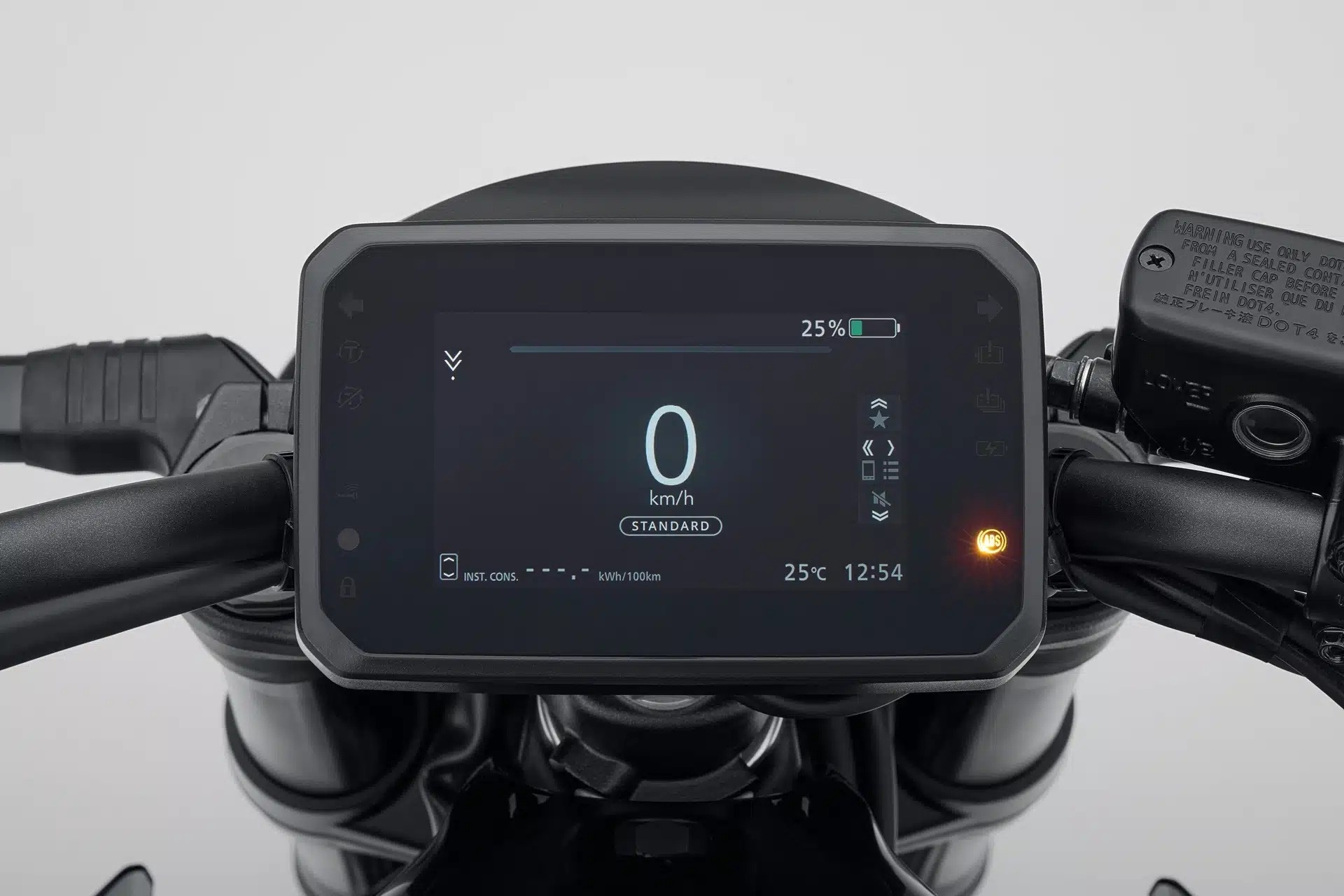
The instantaneous electric torque is optimized for smoothness and control, while regenerative braking is integrated through several driving modes (Standard, Sport, Rain and Economy), each with different driving characteristics. This adaptability reflects a broader advantage of electrification: consistency.
As Tanaka points out, “Throttle response is exactly what you expect, every time.” This predictability allows users to focus more on control and less on compensating for mechanical variability. The WN7 is part of a broader transformation. Honda has committed to achieving carbon neutrality in all its corporate activities by 2050, including motorcycles, automobiles and electrical equipment.
Over the next decade, hybrid systems and fully electric vehicles will coexist, offering customers multiple paths to electrification, through powertrains that integrate seamlessly into everyday life. In that context, the WN7 has an importance that goes beyond being Honda’s first fully electric motorcycle. It is part of a broader strategy that connects Honda’s tradition of engineering excellence with its future in electrified transportation.
More information and details on the brand’s official website or by visiting your nearest authorized distributor.