The use of organic waste for the production of biofuel is nothing new. In recent years, the study and progress in this matter has focused precisely on this area. There are even companies that are working to convert organic waste into fuel.
Others have created a new biofuel from sargassum, a type of slimy algae that proliferates in the Caribbean Sea, and there are even projects, carried out by scientists at the University of Cambridge, that use innovative technology based on artificial photosynthesis. The latest in this field is the call “sustainable synthesis of ethyl levulinate from waste bread”.

Biofuel from bread
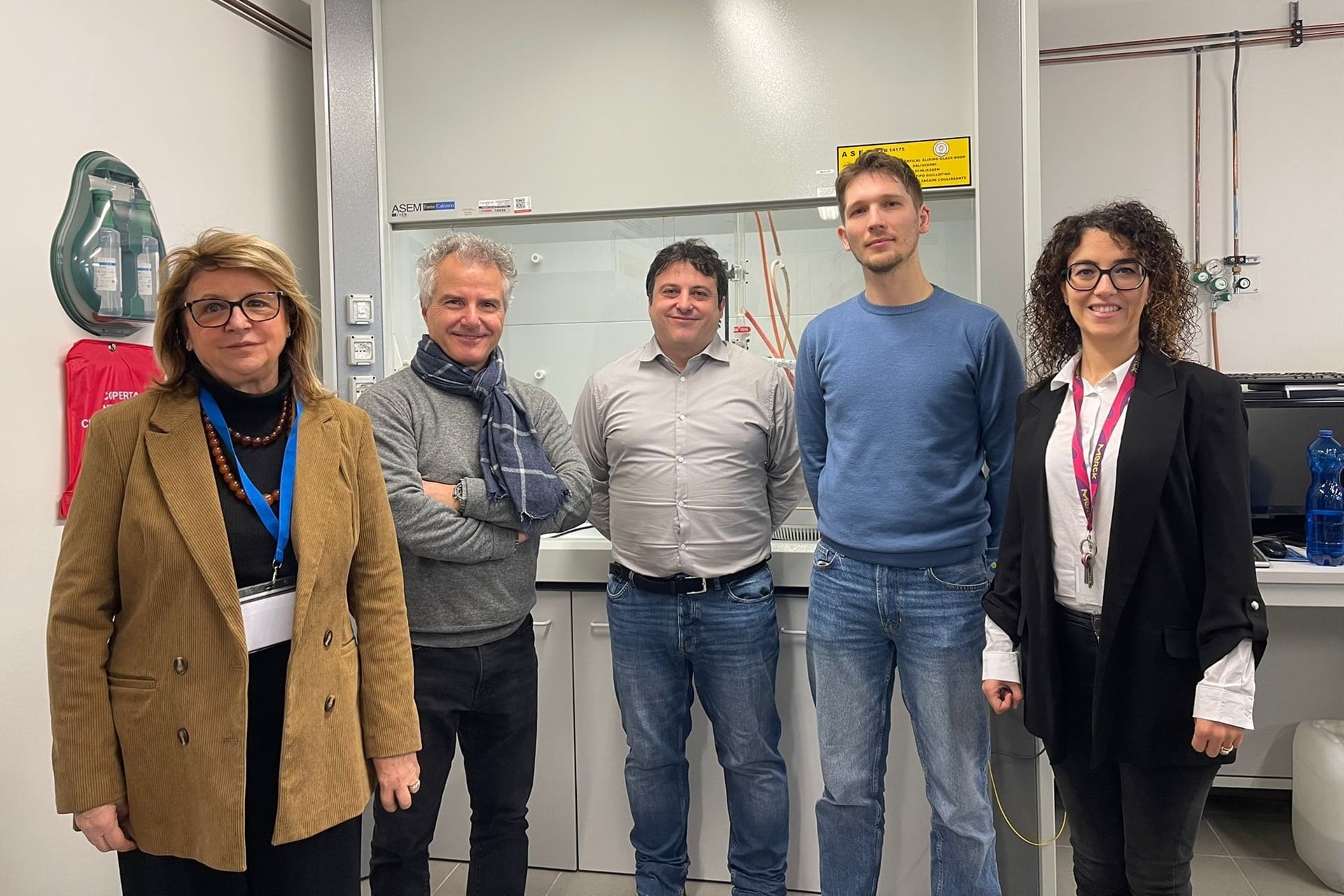
Behind this new advance in the world of biofuels is the University of Pisa. The study, funded by PNRR NEST, is a collaboration between the Department of Chemistry and Industrial Chemistry and the Department of Energy, Systems, Land and Construction Engineering.
A human team of six people has determined that it is possible to transform bread waste, one of the most abundant food wastes in the world (almost one million tons per year), into a sustainable biofuel. The study, published last December in the “Journal of Environmental Chemical Engineering”, addresses for the first time the sustainable synthesis of ethyl levulinate from waste bread.
Ethyl levulinate is a high-value bio-based compound, already known for its applications in the chemical industry and as an oxygenated fuel additive. The researchers have developed a simple, cost-effective and easily scalable process using a low-cost catalyst, dilute sulfuric acid and high initial concentrations of biomass.

This approach allows for more concentrated product streams, reducing separation costs and increasing overall process efficiency. In this way, by optimizing parameters such as temperature, reaction time and the amount of catalyst, a maximum ethyl levulinate yield of 57% was achieved, a particularly significant result considering the residual origin of the raw material.
Ethyl levulinate has already been widely studied as an oxygenate additive for diesel fuel, but this research opens up new possibilities. For the first time, the compound has also been tested in gasoline engines, mixed with commercial fuel in very high concentrations, up to 40% by volume.
Experimental tests have shown that these mixtures do not significantly alter engine performance, so they do not require modifications to existing internal combustion engines. On the contrary, the use of ethyl levulinate reduces polluting emissions and the proportion of fossil fuels in commercial fuels.

This result significantly expands the market potential of ethyl levulinate, confirming its position as a versatile oxygenated additive of renewable origin, usable in both diesel and gasoline engines. The research team itself commented after the publication: “The conversion of leftover bread into ethyl levulinate represents a concrete example of how scientific research and technological innovation can contribute to the development of easily applicable solutions for the production of renewable energy.”
They conclude: “Reducing food waste, valuing abundant waste and transforming it into biofuels as an alternative to fossil fuels represents an important step towards more sustainable mobility, capable of responding to current environmental needs without sacrificing compatibility with existing technologies.”