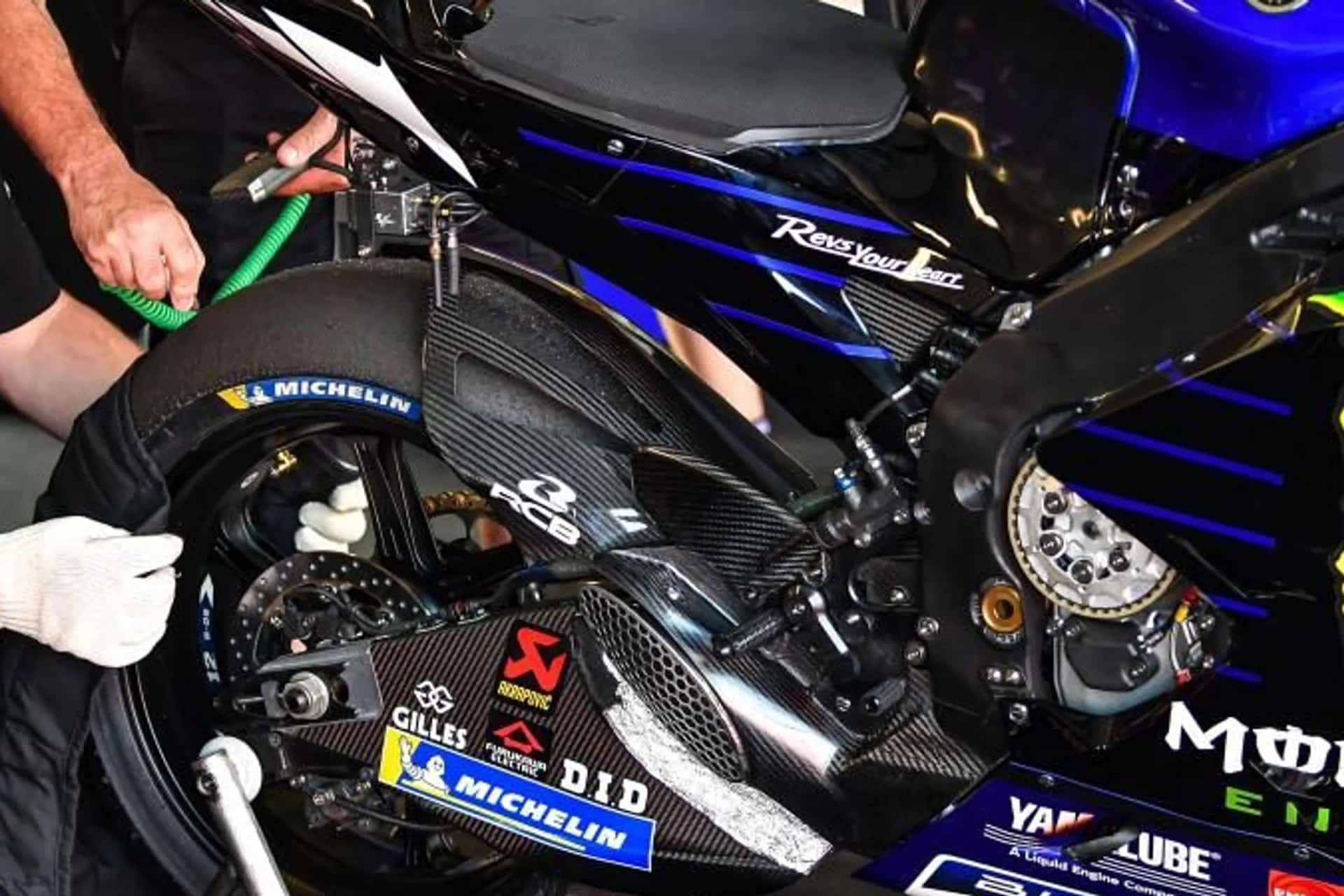
In recent years, Yamaha has filed several focused patents, like this one on a variable geometry swingarmto achieve dynamic behavior in their street motorcycles very close to that offered by those used in high-level competitions. Whether MotoGP or WSBK, we are talking about reference research centers where the Japanese firm tests technical solutions like the one we show you today.

Variable geometry swingarm in detail
A little less than two years ago we discussed another of these patents that shares a technological basis with the recently registered variable geometry swingarm. Then we were talking about an active suspension system that would improve braking behavior. To do this, Yamaha focused on balancing the transfer of weights, essentially seeking to keep the motorcycle much more stable, preventing it from sinking, but only if necessary.
With this variable geometry swingarm design, Yamaha emulates the systems used by, for example, well-known dragsters. However, unlike these, as detailed from Cycle World, “Yamaha’s new idea also uses a hydraulic shock absorber, but instead of being fixed to the rear shock absorber link, it is located inside the swingarm itself and is coupled to a system that adds a hinge in the central part of it.”
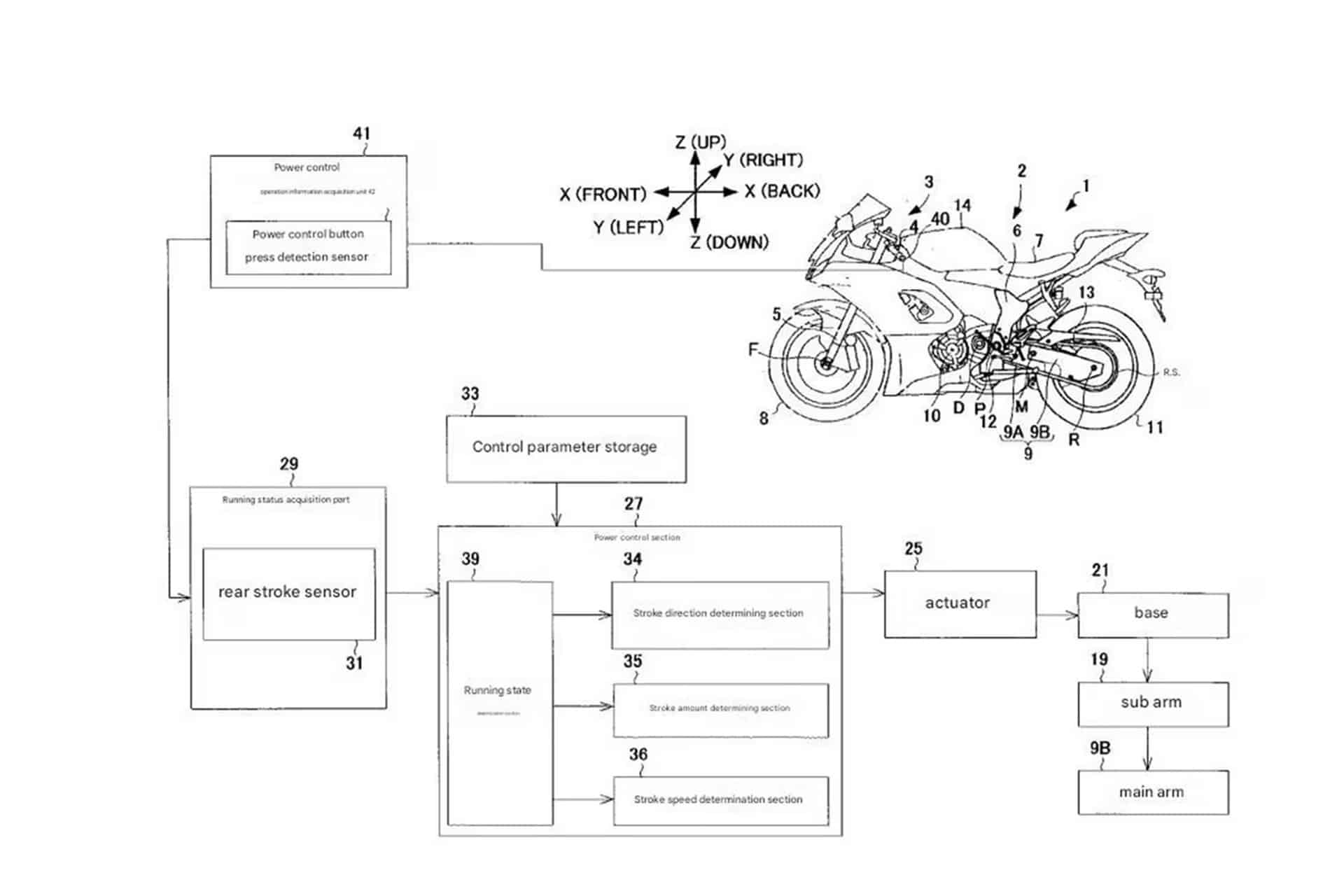
In this way, the front section of the swingarm is secured “conventionally to the rear shock link, but the rear wheel can be adjusted up or down independently thanks to that hinge and the hydraulic shock absorber. The shock absorber is attached to an eccentric mechanism that extends or shortens the length of the swingarm bottom bracket.”
This variable geometry swingarm system would not be intended for MotoGP, since currently the use of this type of technology is limited to this 2026 season only, as a result of the change in regulations for the following year. Furthermore, the well-known “rear device” of the MotoGP is controlled manually and not electronically as in the case of this variable geometry swingarm.
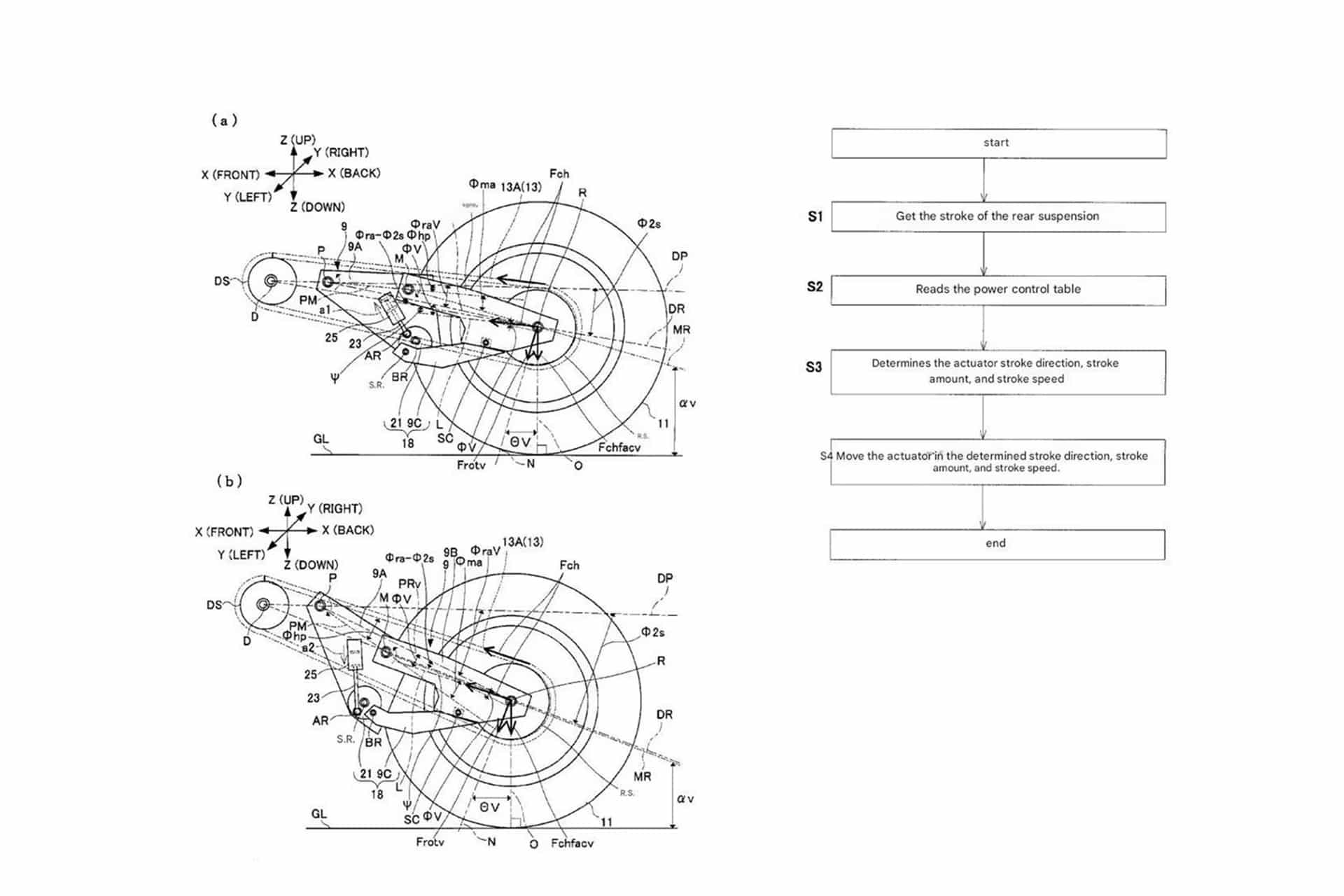
Finally, the description of the patent itself describes how “The system can react to forces on the rear suspension from changes in chain tension during acceleration and deceleration.” Without a doubt, a technological display that could improve the behavior of street sports motorcycles both when accelerating and when cornering. The question here is obvious: is this level of complexity necessary in a registrable motorcycle?