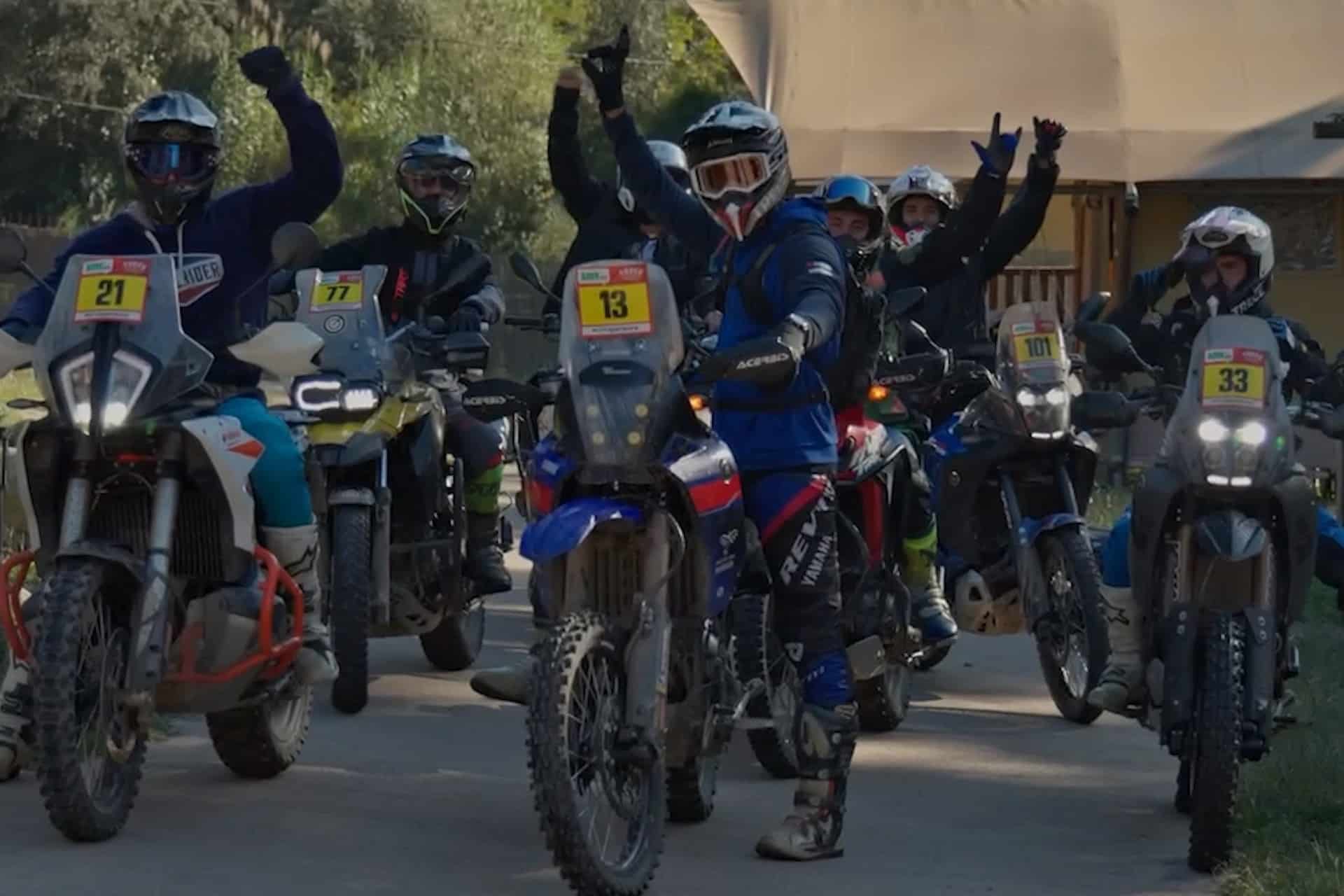
We have been saying it for years at every bend, at every rally, at every stop for coffee on the side of the road: riding a motorcycle changes you. Not only as a driver, but as a person. And now there’s a study to back it up with numbers, neuropsychological tests, and heart rate meters. So the next time someone looks at you strangely for riding a motorcycle in the rain, you already have a scientific argument.
AMVin collaboration with the service of Applied Psychology from the University of Murciahas subjected a group of bikers and another of non-bikers to a battery of nine tests that measure everything from mental agility to empathy, including stress and creativity. The result, without going into spoilers: those on two wheels win in almost everything.

The numbers, which are the ones that rule
Let’s start with what interests us most, those of us who live glued to the handlebars. The bikers in the study processed information 12.6% faster than non-bikers, planned 12% better when faced with a problem and, thanks to that, made 36.5% fewer errors. It makes all the logic in the world: when you spend years anticipating what that car that hasn’t seen you is going to do, your brain learns to function differently. Faster. More efficient.
But the data that draws the most attention is creativity: 48.3% more than non-bikers. Almost half more capacity to find alternative solutions. Think about it: when you get a flat tire in the middle of nowhere, or when you have to improvise a braking line because the person in front has decided to brake without warning, the biker brain doesn’t panic. Look for options. And he finds them.
Less stress, more cool head
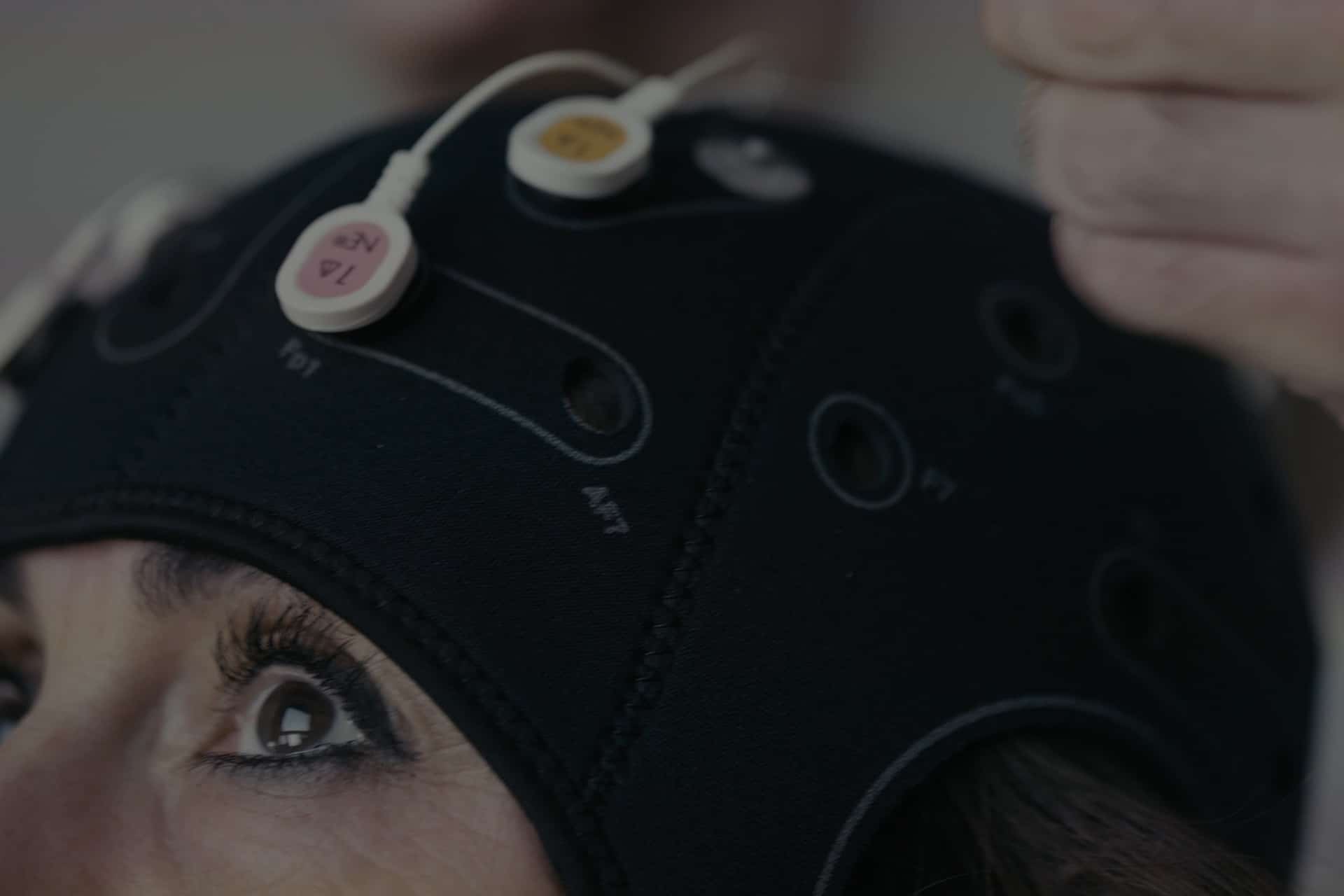
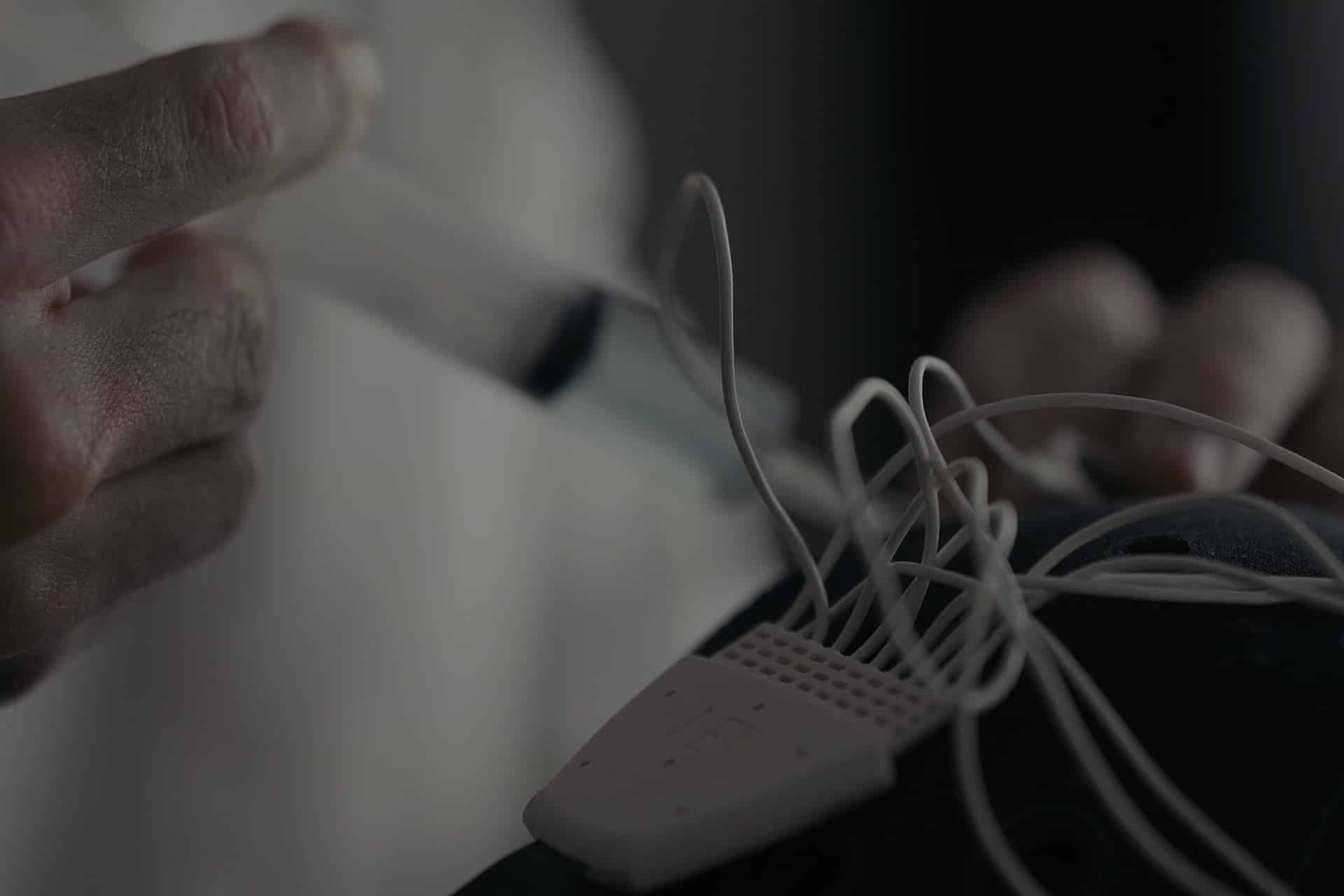
Here comes another classic that any biker will recognize: the motorcycle as therapy. The study quantifies it. The bikers were 55% less likely to experience anxiety and 45% less stress than the non-biker group. And it is not just subjective perception: physiological measurements—skin conductance, heart rate variability—confirm that the biker’s body responds in a calmer and more balanced way to pressure situations.
In other words: the group of those who do not ride a motorcycle had greater physiological activation, which in Roman paladin means that their body was more nervous. The data doesn’t lie.
And on top of that, better company
As if all of the above were not enough, the bikers in the study also scored almost 15% higher in empathy and 24% better in interpreting the emotional state of others. The camaraderie we experience on each route, that instinct to stop when you see another biker lying on the shoulder, has a neurological basis. It’s not just biker culture. It’s just that we are better calibrated to put ourselves in each other’s shoes.
Conclusion, in case anyone had doubts
Riding a motorcycle is not just a way to get around. It is a continuous training for the brain: decision making under pressure, real-time planning, emotional management, sustained attention. All the things that business coaches sell in two-day workshops, we bikers practice every time we go out on the road.
Science has just given us the official seal. Welcome.
Annex: Details of tests carried out
- STAI (State-Trait Anxiety Inventory): evaluates anxiety in two dimensions: state anxiety (nervous activation at a specific moment) and trait anxiety (a person’s general tendency to experience anxiety).
- PSS-14 (Perceived Stress Scale): measures the level of perceived stress in daily life.
- TECA (Test of Cognitive and Affective Empathy): evaluates a person’s empathic capacity: to understand what others feel and to react emotionally to others.
- Reading in the Mind in the Eyes Test: measures the ability to interpret emotional and mental states from subtle signals, such as gaze.
- WAIS-IV (Nuance subtest): Assesses abstract reasoning and the ability to identify logical patterns and relationships without the aid of language.
- CREA (Creative Intelligence Test): measures the ability to generate ideas, formulate questions and produce alternative answers.
- Tower of London: evaluates the ability to plan, organize and solve problems.
- Wisconsin Card Sorting Test (WCST): measures cognitive flexibility, the ability to change strategies and adapt to new rules.
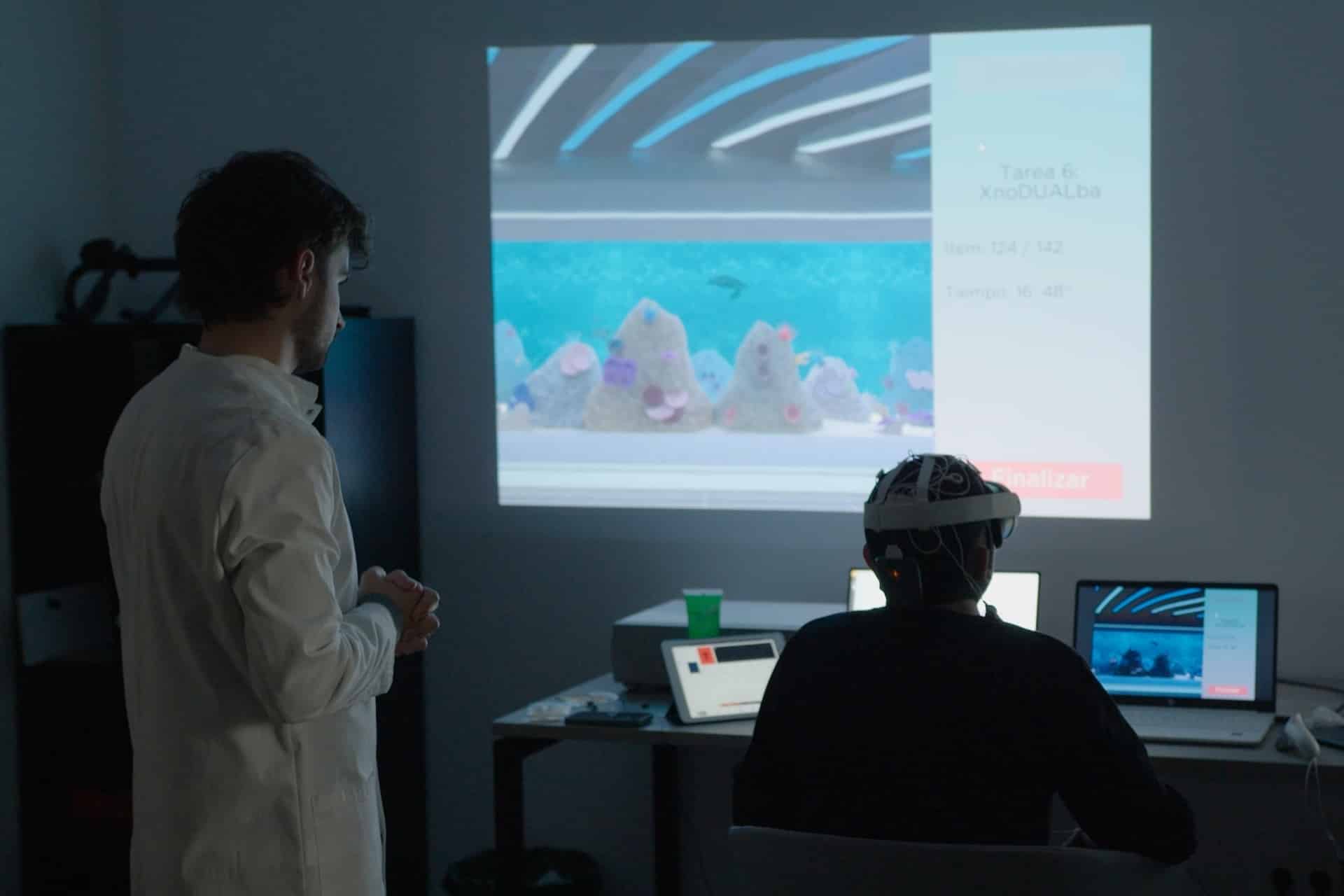
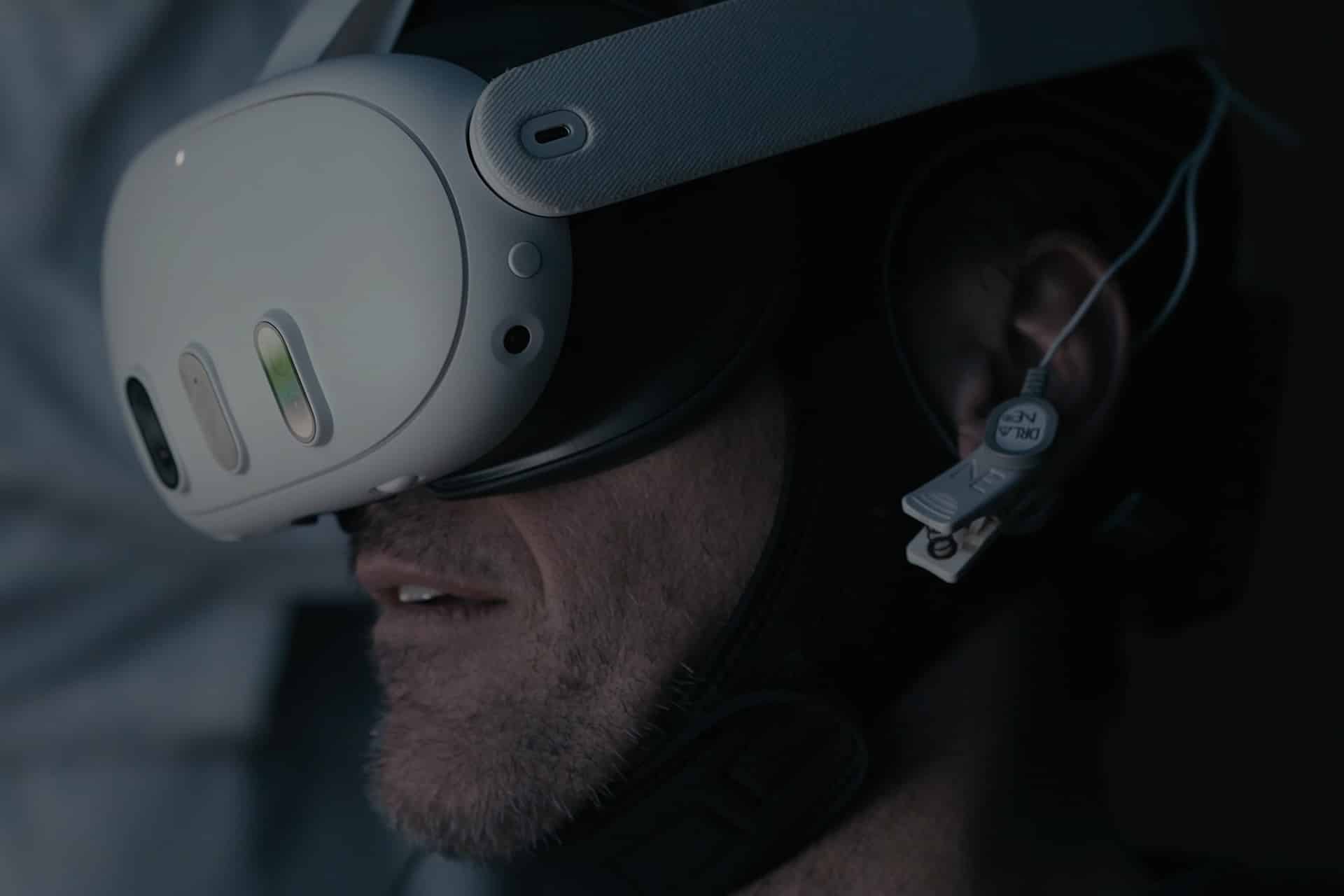
- Nesplora Aquarium: evaluates different components of attention in a simulated environment: activation level, vigilance, inhibitory control, ability to change, working memory.
Physiological measures studied
- eSense (skin conductance): recording of the electrodermal response, related to the activation of the autonomic nervous system, allowing the analysis of physiological reactivity to stimuli.
- EmWave (heart rate and coherence): evaluates heart rate variability and the level of physiological coherence, indicators related to emotional regulation and autonomic balance.