We have been hearing for years that something had to change. That the traffic regulations were a dinosaur from the last century incapable of responding to a reality where scooters share traffic lights with trucks, where delivery riders cover dozens of kilometers a day on motorcycles, and where weekend motorcyclists continue to be, statistically, the most vulnerable in the equation. Well: the change has arrived. And as almost always in this country, everything has arrived together, suddenly, and with a deadline.
The Government has approved a substantial modification of the General Traffic Regulations whose central axis is the protection of the so-called “vulnerable road user.” Pedestrians, cyclists, VMP drivers and motorcyclists: we all fall into that category. And although the rule affects us all, for those of us who live on two wheels with an engine the changes are the most concrete, the most immediate and the ones that will be most noticeable on a daily basis.
What changes for motorcyclists
We go in parts, because there are important nuances that should not be confused.
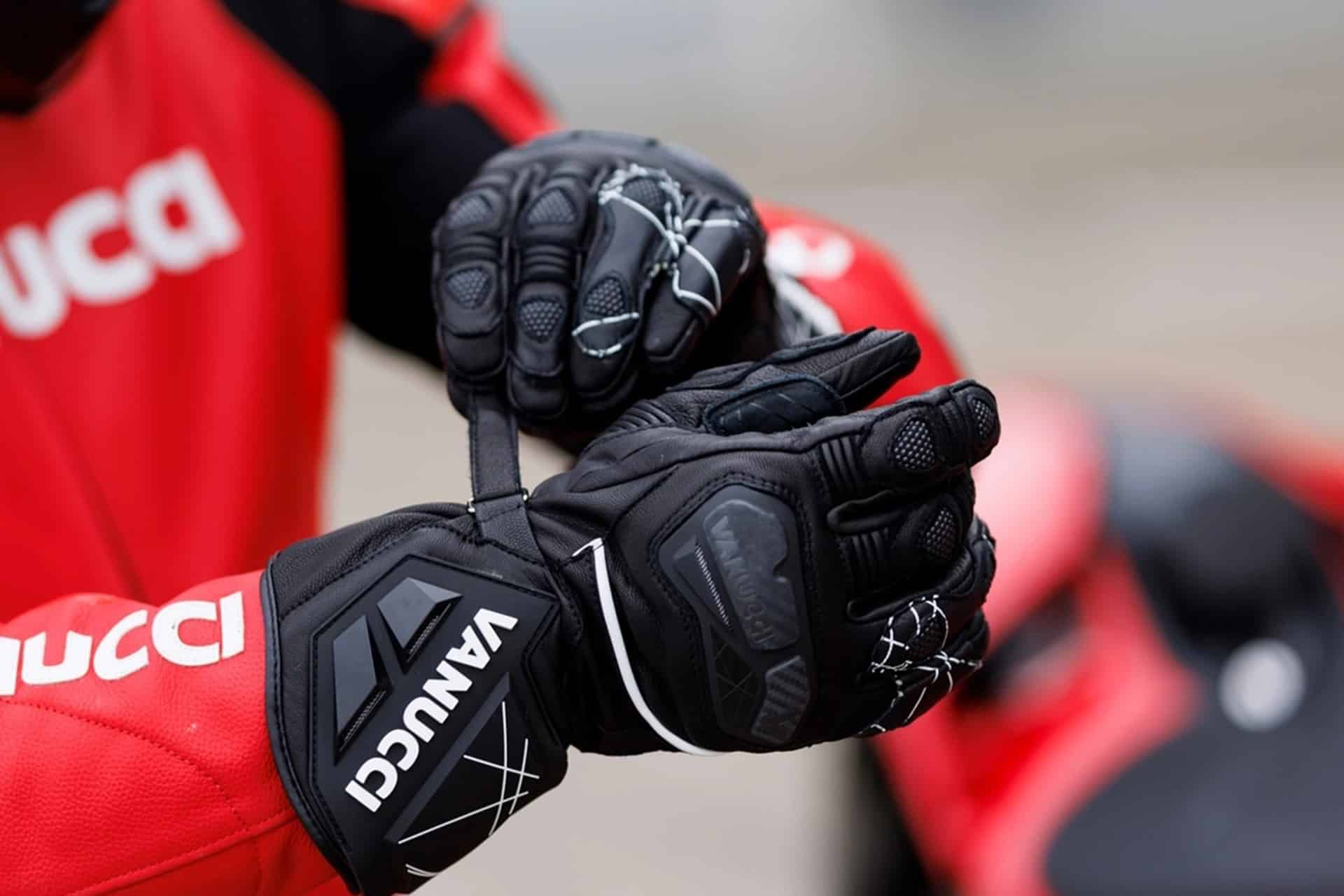
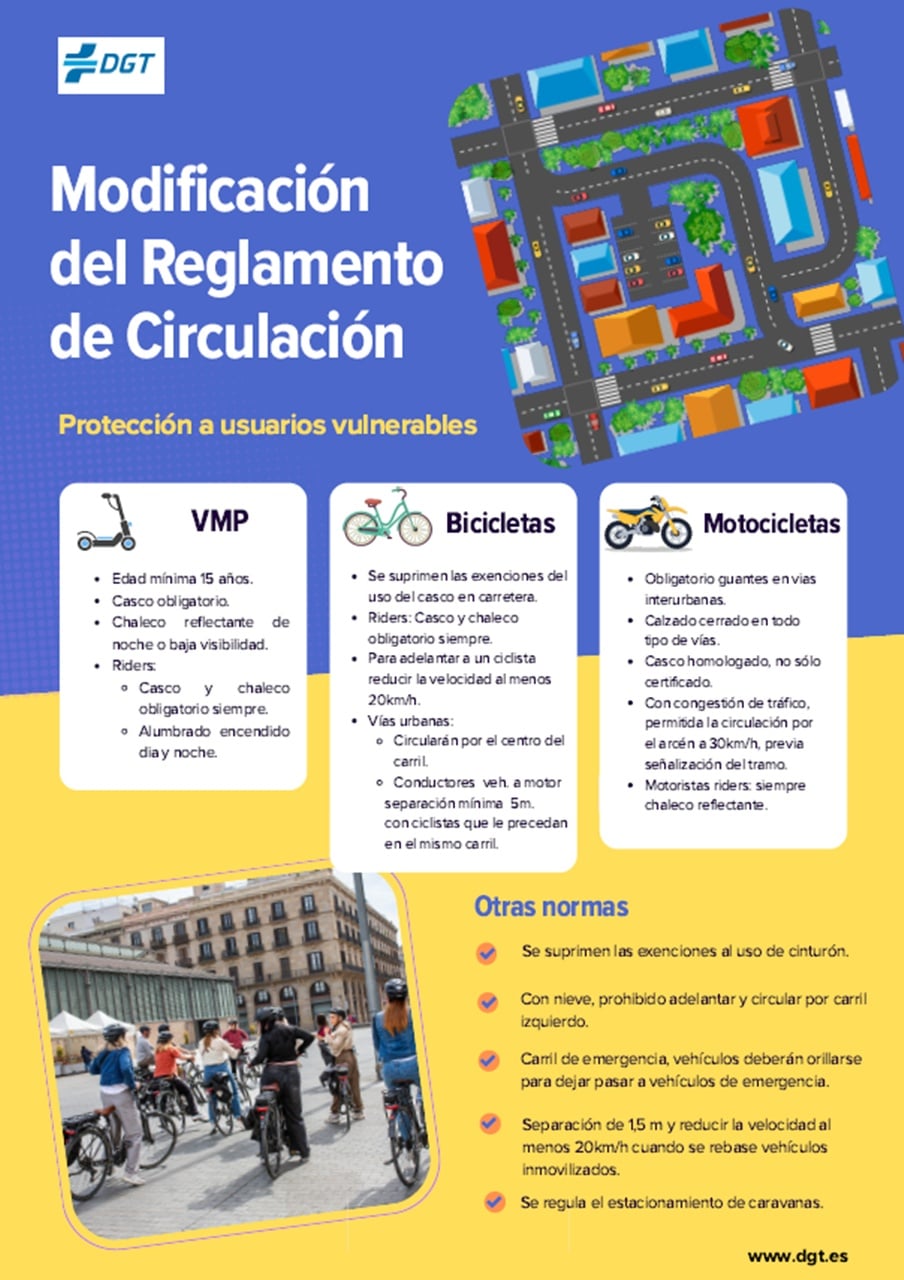
The first and most striking thing: the Protective gloves become mandatory on interurban roads for drivers and passengers of motorcycles and mopeds. Not just any gloves, mind you: the standard speaks of protective gloves, which implies a certain standard. Now, here is a relevant technical detail that the press release mentions with all the transparency that its official nature allows: the obligation to wear approved gloves will not come into force until the ministerial order regulating the specific technical specifications is approved. In the meantime, current protective gloves will be considered valid. Practical translation? If you are already wearing gloves, even if they are not approved as protective clothing for motorcycles, you are covered for now. But the specific approval will arrive, and it is advisable to think about it.
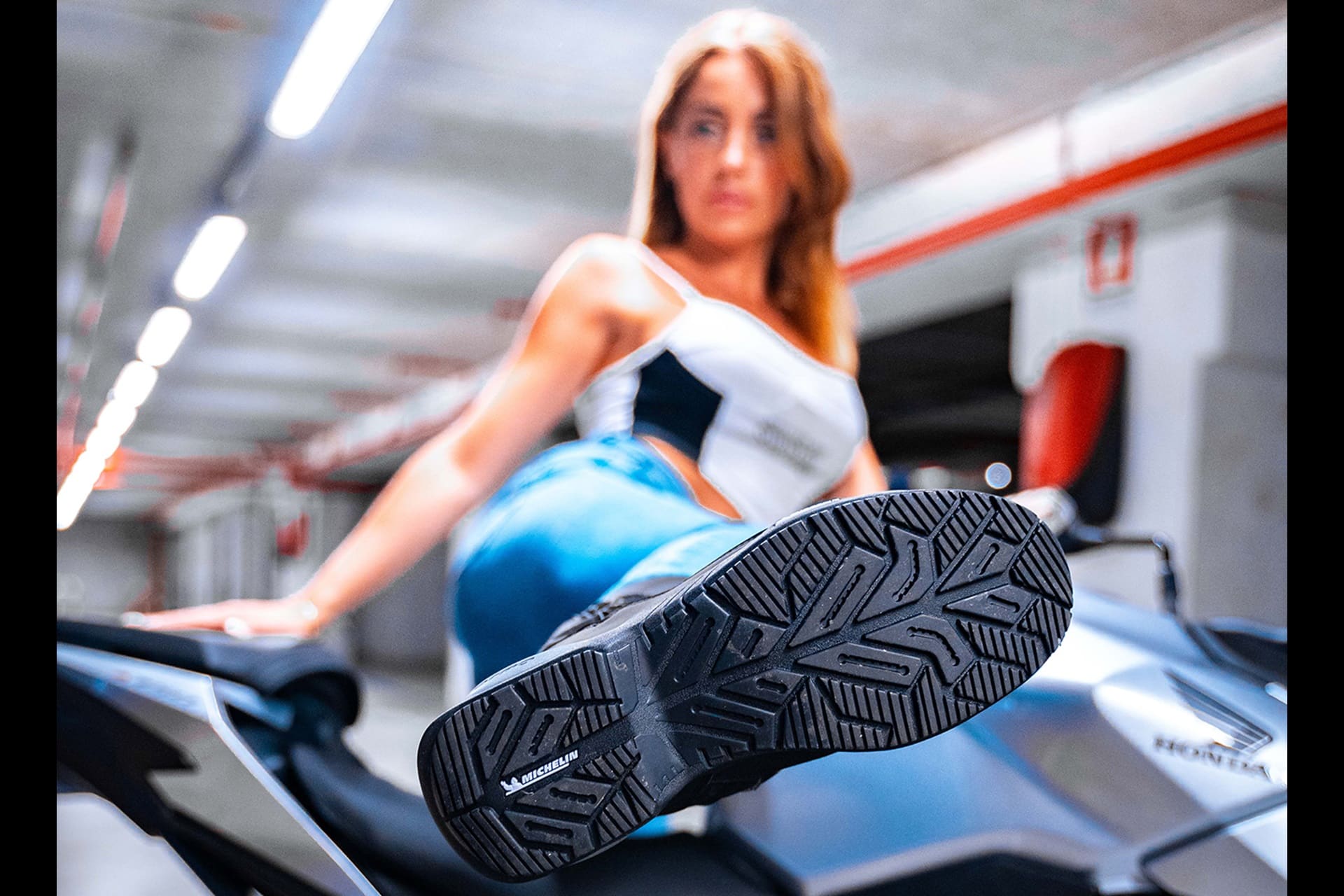
The second: closed footwear is mandatory on all types of roads, urban and interurban. Something that any driving instructor has been repeating forever and that now has a financial penalty behind it: 200 euros for a serious infraction. There is no transition period here. Sneakers, to keep in the closet when you get on the motorcycle.
The third especially affects moped users, although it also has broader implications: the helmet will have to be approved, not just certified. There is a real difference between both concepts that many people are unaware of. A certified helmet meets manufacturing requirements declared by the manufacturer itself; an approved one has gone through an external and independent verification process.
The reference in Europe is the ECE 22.06 standard, currently the most demanding on the market. If you already wear a helmet with that approval, you have nothing to worry about. If you have something older or of dubious origin, start looking for a replacement. This part of the regulation comes into force on October 1, 2027, so there is room, but not infinite.
A novelty that many did not expect: the shoulder as an escape valve
Among the most interesting measures for motorists, and also one of the least talked about, is the one that allows driving on the right shoulder in case of congestion, with a limit of 30 km/h and as long as the section is signposted. This, which in some countries has been regulated for years and in others is directly tolerated without regulation, represents an implicit recognition of something that we motorcyclists know well: that the motorcycle has a filtering capacity that, well managed, improves the flow of traffic for everyone. It is not pure lane splitting, it is not urban filtering between lanes, but it is a step in the right direction.
Professional riders in the spotlight
There is a group that stands out especially in this reform: riders who work on motorcycles, whether for delivery platforms or any other professional activity on two wheels. For them, the reflective vest becomes mandatory at all times, regardless of time or visibility conditions. Not only at night, not only in fog: always.
Same serious infraction, same 200 euros. It is a measure with a clear logic: those who use the motorcycle as their work tool expose their body for many more hours than the pleasure rider, and visibility is the first line of defense against other traffic.
What affects us as part of the ecosystem
Beyond the specific measures for motorcycles, there are changes in the standard that affect us as road users in general. The emergency lane is explicitly regulated: when traffic stops due to a traffic jam, vehicles must move to the side to leave a central corridor free for police and emergencies.
Anyone who has driven in Central European countries will recognize this immediately, because it works there and works well. Here we have been seeing for years how ambulances get stuck in traffic jams while people occupy every available centimeter. The norm already existed implicitly in some aspects; now it has its own entity and, presumably, real sanctioning capacity.
On highways and highways with snow, overtaking is prohibited and traffic is restricted to the right lane, leaving the left for emergencies and snow plows. Common sense elevated to legal obligation.
Dates that must be clear
Most of the regulations come into force on October 1, 2026. This includes gloves, closed shoes, the reflective vest for riders and all measures related to cyclists and VMP. The approved helmet for motorcycles and the mandatory lighting for VMP have an additional extension and will not be required until October 1, 2027. And the specific approval of gloves will be suspended until the corresponding ministerial order arrives.
In short: a broad reform, with common sense measures that had been in the drawer for too long, and that now have a name, date and fine. It’s time to adapt, and in many cases, those of us who have been riding with the right team for years will have to change little. For the rest, the countdown has begun.
FAQ: Everything you need to know about the new regulations
When exactly do the changes for motorists come into effect?
Most of the new obligations – gloves on interurban roads, closed footwear, reflective vest for professional riders – come into force on October 1, 2026. The approved helmet for motorcycles and mopeds has an extension until October 1, 2027. And the obligation to wear gloves with specific approval will be suspended until the ministerial order that defines its technical specifications is published; In the meantime, current protective gloves are fine.
What is the difference between an approved helmet and a certified one?
It is the million dollar question, and confusion is more common than it seems. A certified helmet meets standards declared by the manufacturer itself, without mandatory external verification. An approved one has passed tests carried out by independent organizations that verify that what the label says is real. In Europe, the reference is the ECE 22.06 standard, currently the most demanding on the market. If your helmet has that mark, you’re fine. If you don’t know what it has, it’s time to look at it.
Are the gloves I already use useful or do I have to buy new ones?
For now, they do work for you, as long as they are protective gloves with a certain amount: thin driving gloves or anything that covers the hand is not worth it. The obligation to use gloves with specific technical approval will not come into force until the corresponding ministerial order is published, and that does not yet have a specific date. The prudent thing to do is to start looking for gloves with EN 13594 certification, which is the European reference standard for motorcycle gloves, and thus reach that date without rush or surprises.
Can I ride the motorcycle on the shoulder in a traffic jam?
Yes, but with very specific conditions. The new rule allows driving on the right shoulder when there is congestion, with a maximum limit of 30 km/h and only in sections where it is expressly signposted. It is not a generic authorization to use the hard shoulder when you feel like overtaking a queue: it requires specific signage for the section. Outside of these conditions, the shoulder remains a shoulder, and using it to circulate is still an infraction.
I am a weekend biker and I don’t work in delivery. Does the reflective vest obligation affect me?
Not in the same way. The obligation to wear a reflective vest at all times applies exclusively to riders who carry out their professional activity on a motorcycle or moped. For the rest of motorcyclists, the previous rule remains in force at this point: the vest is mandatory when the vehicle is immobilized on the road or its surroundings, especially at night or with low visibility. That said, and as a motorcycle instructor anyone will tell you: wearing a vest or equipment with reflective elements is never a bad idea, regardless of what the law says.