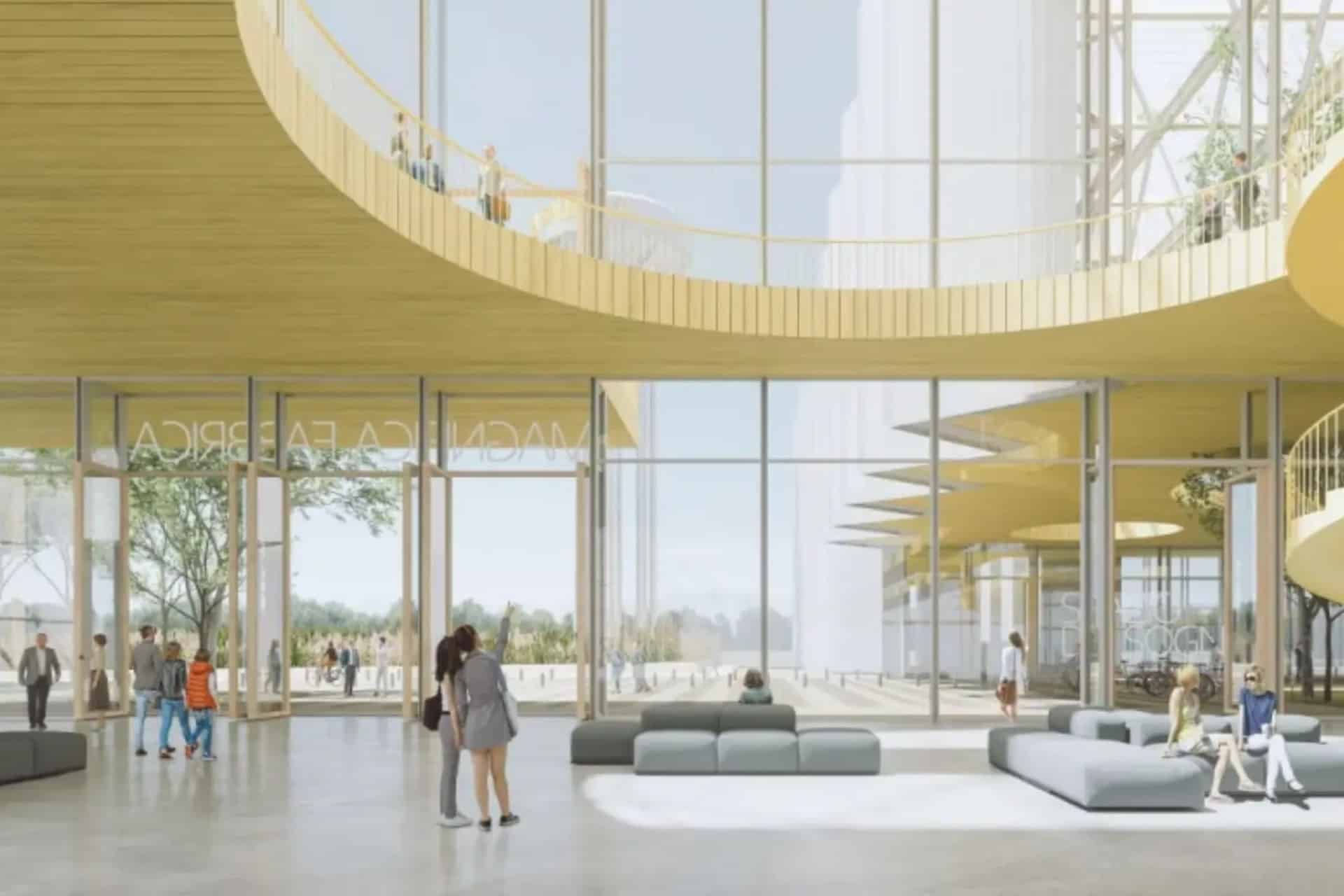
For decades, the name Innocenti was inseparably linked to the Lambrettaone of the most emblematic vehicles of post-war Europe and a true symbol of Italian industry. Yes, from the Rubattino facilities in Milan, millions of scooters came out that helped motorize the country and ended up conquering markets around the world.
However, the final closure of the factory in 1993 marked the end of an era. Over the years, much of the enormous industrial complex disappeared under new urban developments or was converted for other uses. Only one building survived from that gigantic production center, the one known as the Crystal Palace.

The last witness of the Lambretta era
Built in the early sixties during the brand’s expansion into the automotive sector, the building was designed to house activities related to the manufacturing of the models. Innocenti produced under license. Its characteristic glass façade gave it its own personality, and ended up making it a reference for fans of industrial archeology and urban explorers.
Now, as we are telling you, after years of abandonment, the property is undergoing extensive rehabilitation. The works contemplate the conservation of its original architectural identity, including the recovery of the iconic glass surfaces that made it famous. Where the original elements have not been preserved, they will be reconstructed following the historical plans of the building.
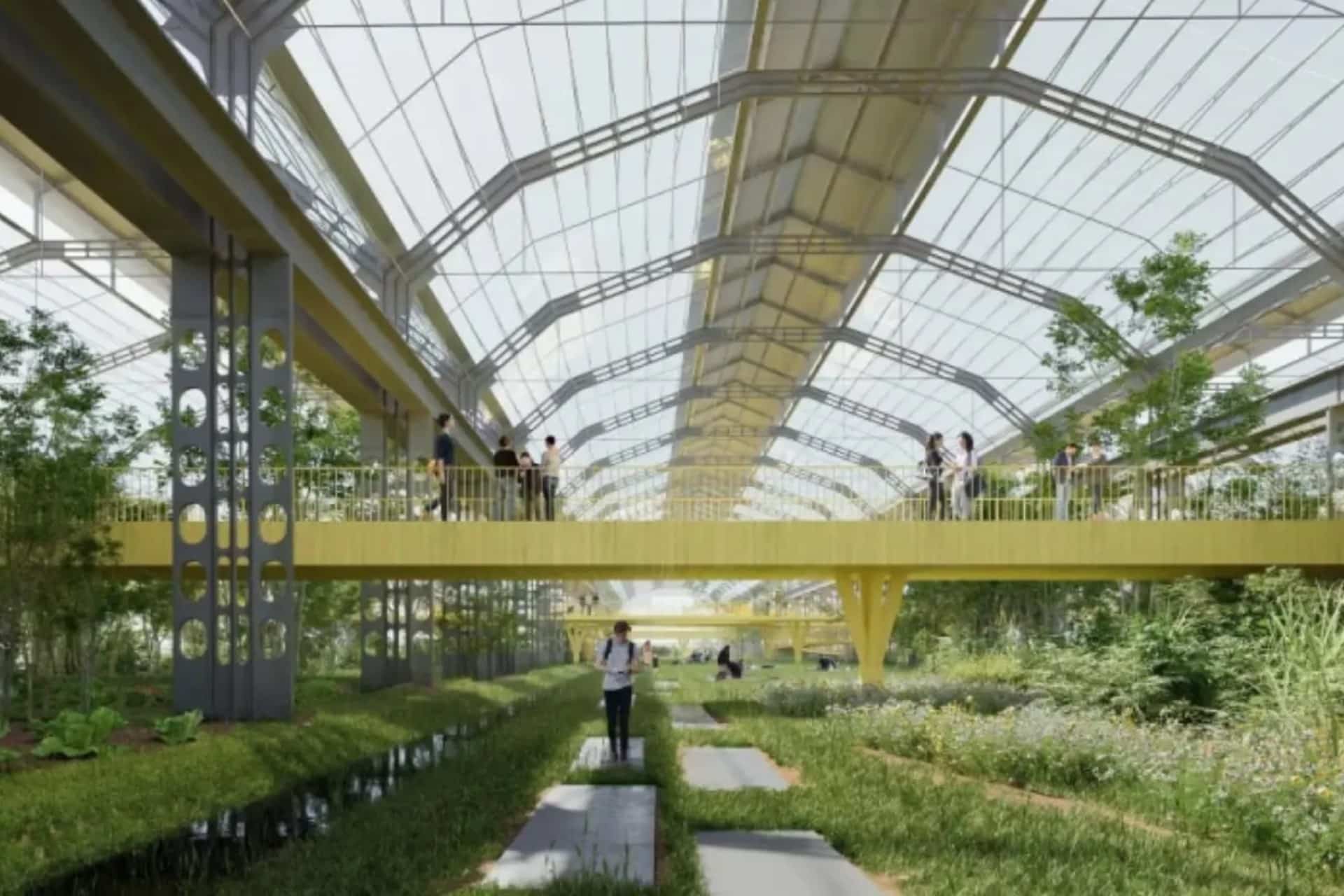
But its new function will have little to do with vehicle manufacturing. It will be a factory dedicated to nature. The renovated Crystal Palace will house the so-called “Green Biodiversity Factory”, a large facility conceived as a nursery and plant production center to supply the future green spaces in the area.
The idea goes far beyond a simple heritage restoration. The building will become an active infrastructure for local environmental recovery, allowing the cultivation and reproduction of plant species that will later be used in parks, gardens and ecological corridors in the environment. In this way, a space historically associated with heavy industry will play a key role in the urban sustainability of the Milan of the future.
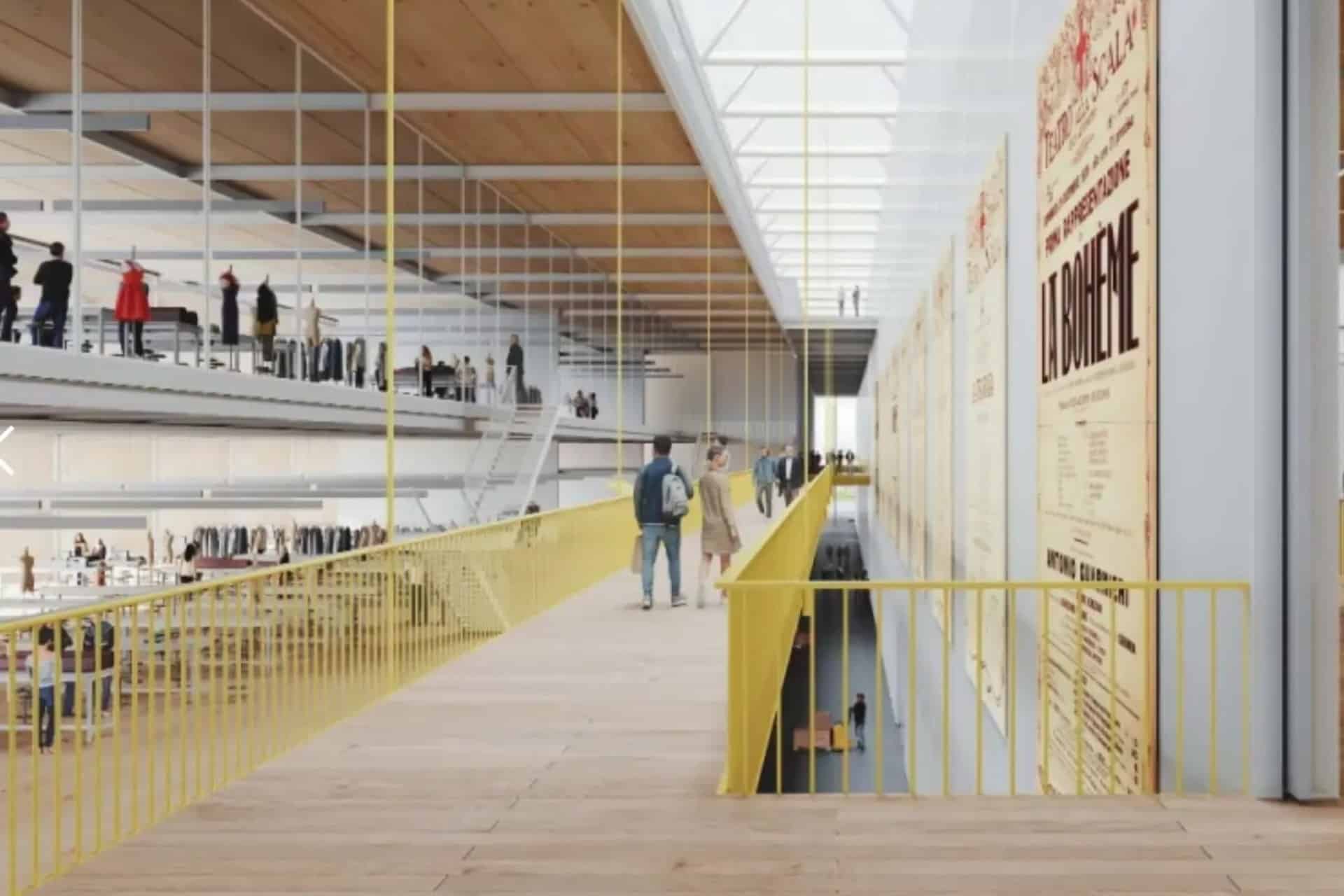
The recovery of the Crystal Palace is part of an ambitious urban plan known as “Magnificent Fabbrica”, an action that will transform more than 160,000 square meters of the former lands of Innocenti. The project contemplates the creation of new facilities linked to the “Scala Theater”, in addition to a wide network of public spaces and green areas intended to revitalize this entire sector of the city.
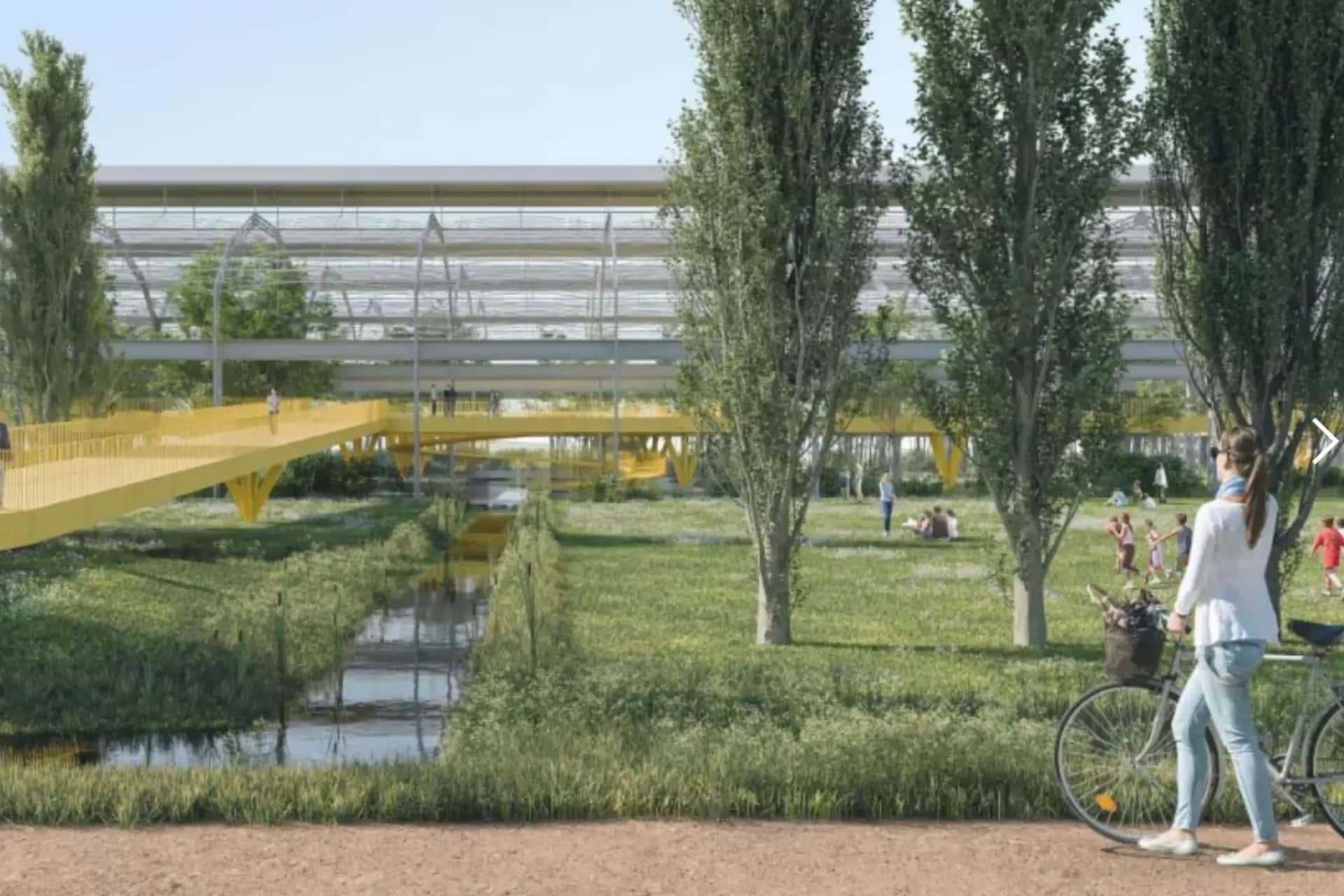
The planned actions include around 70,000 square meters of garden areas, new tree plantations, pedestrian and cycling routes, artificial wetlands, rainwater use systems and spaces specifically designed to promote biodiversity. In addition, these new green areas will be connected to the nearby Lambretta Parkreinforcing the link between the neighborhood and one of the most emblematic brands in Italian industrial history.