Surely, no matter who you ask, everyone would like to reduce pollution, but it is not something that is simple. Electrification is considered one of them, with its lights and shadows, but there is still a large part of the automotive industry that thinks that there is a way to combine a fleet of vehicles in which combustion and electric engines coexist, but that the environmental impact is minimal.
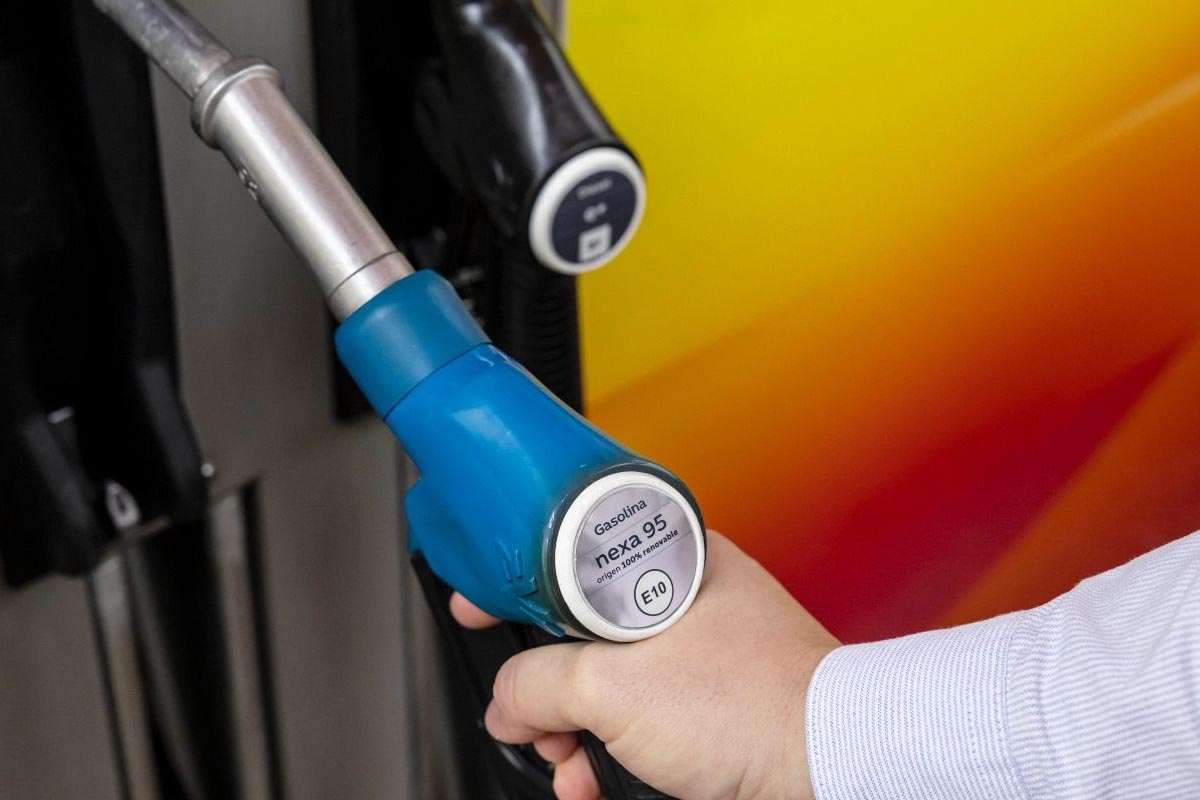
With this premise, a pilot project has been launched in which BMW, Toyota Europe, Bosch and Repsol will seek answers. This is a project in which about 20 vehicles will circulate in Spain, in real conditions, refueling only gasoline of 100% renewable origin.

They seek to collect data in real environments and not in the laboratory, to try to strengthen their position that there is a way to decarbonize mobility that does not go exclusively through electrification and the infrastructure challenge that it entails.
To do this, the fleet, which is made up of BMW and Toyota vehicles, will run with Repsol’s Nexa 95 fuel, while Bosch will be the one to determine the performance, and demonstrate where it has been refueled and with what fuel it has been done.
Renewable gasoline has always been considered an alternative, but is it really effective?
Between the four of them and thanks to the fuel that is produced from renewable raw materials that, according to the company, offer significantly lower greenhouse gas emissions than conventional gasoline, they will look for data that can support their theory.
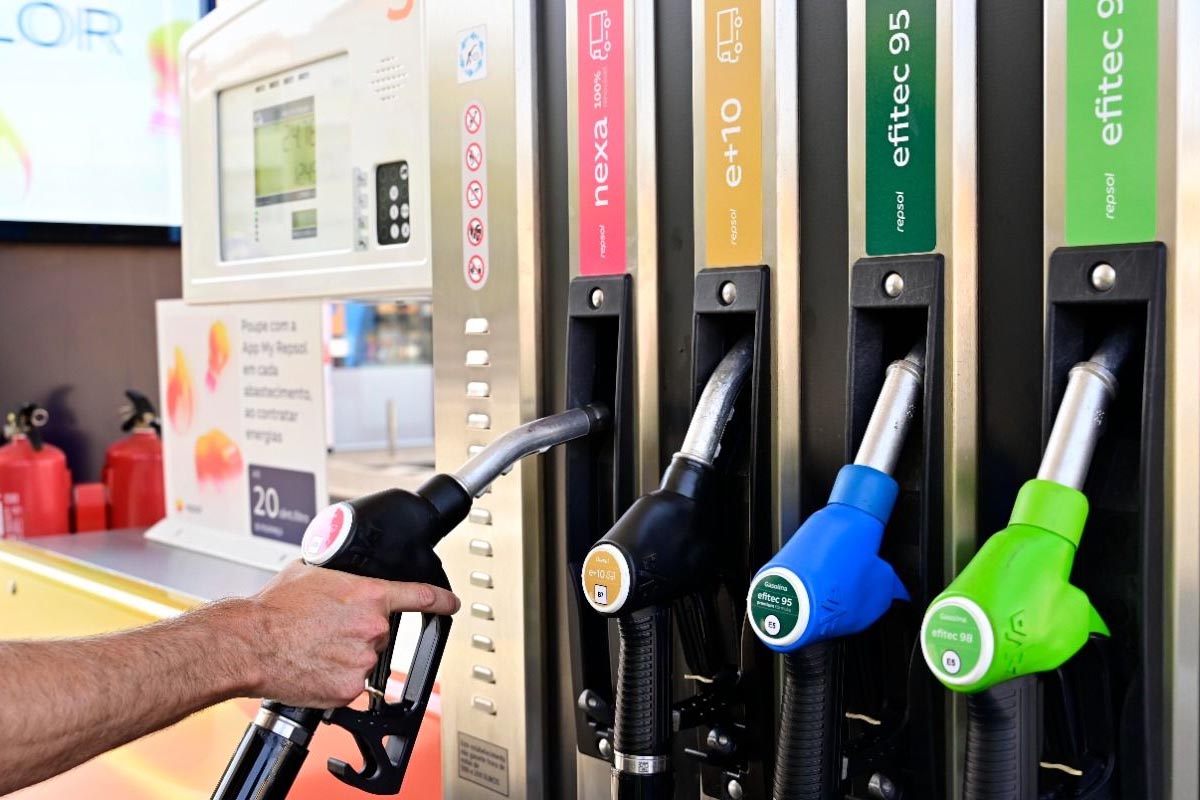
It is important to keep in mind that one of the advantages of this type of fuel is that there is no need to make modifications of any kind to the cars, that the network of gas stations is already available and does not require changes and that, on the contrary, the electrical infrastructure that requires a complete conversion is unaffordable, not so much on an economic level but, especially, in a short period of time.
What’s more, given the situation of electricity generation in Spain, which is little talked about but is extremely serious with a bureaucracy that requires months to register at a new point, the saturation of some networks and the problems to generate stable electricity and prevent a new blackout, such alternatives do not seem far-fetched.
And that’s without taking into account that extending the life of a vehicle that runs on 100% renewable gasoline will always be much more respectful of the environment than manufacturing a new vehicle, be it gasoline or electric.