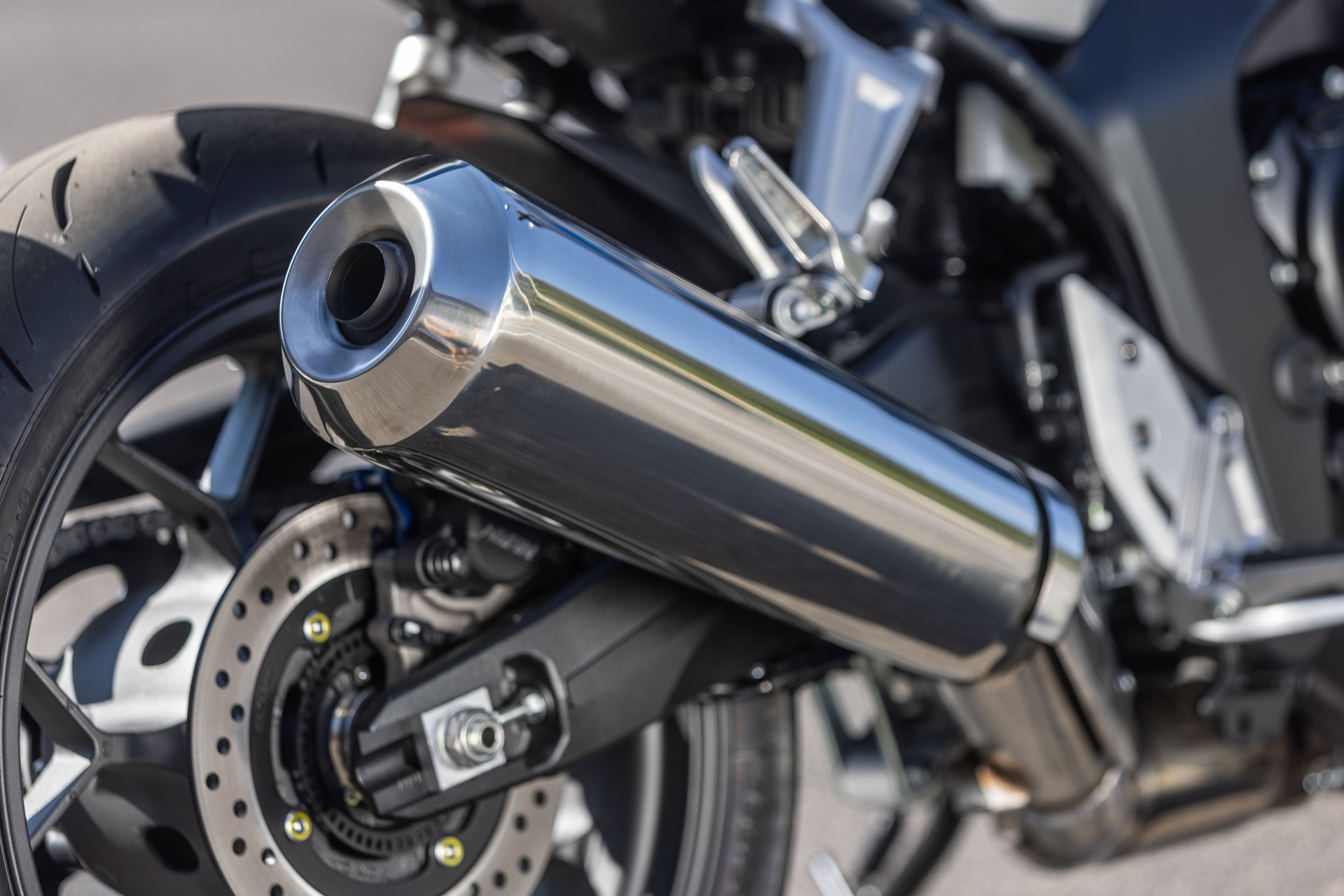
Anyone who considers themselves passionate about the world of motors in general and motorcycles in particular, will know that sound is an indivisible part of that package of sensations that any machine transmits to one in its performance. In this context, Sling tries to explain to us the arduous and perfectionist process that they apply during the development of their models around this topic.
From the hand of Tatsumi-sana specialist in NVH (Noise, Vibration and Harshness, Noise, Vibration and Dynamic Refinement) deeply involved in the development of Honda engines, we can immerse ourselves in all those parameters that, from an acoustic point of view, are responsible for giving that touch of character to any of the brand’s engines. A process that is born from combustion.

The Honda sound as a “complete product concept”
During this talk with the Japanese technician, he explains that the first thing the pilots perceive is “the sensation of combustion in the intake interval”a sensation that sets expectations for how the engine will behave as the revs go up and down. The intake range is the moment within the engine at which the crankshaft rotates, moving the piston from its highest position to the bottom of its cycle, while the intake valves open.
Technically, this is referred to as the “pulse sensation,” a phenomenon that cannot be created artificially. “It is difficult to create the origin of this pulse sensation through anything other than the engine’s own combustion”he points out, underlining the idea that authentic character must originate in the engine itself and not in cosmetic elements or electronic add-ons.
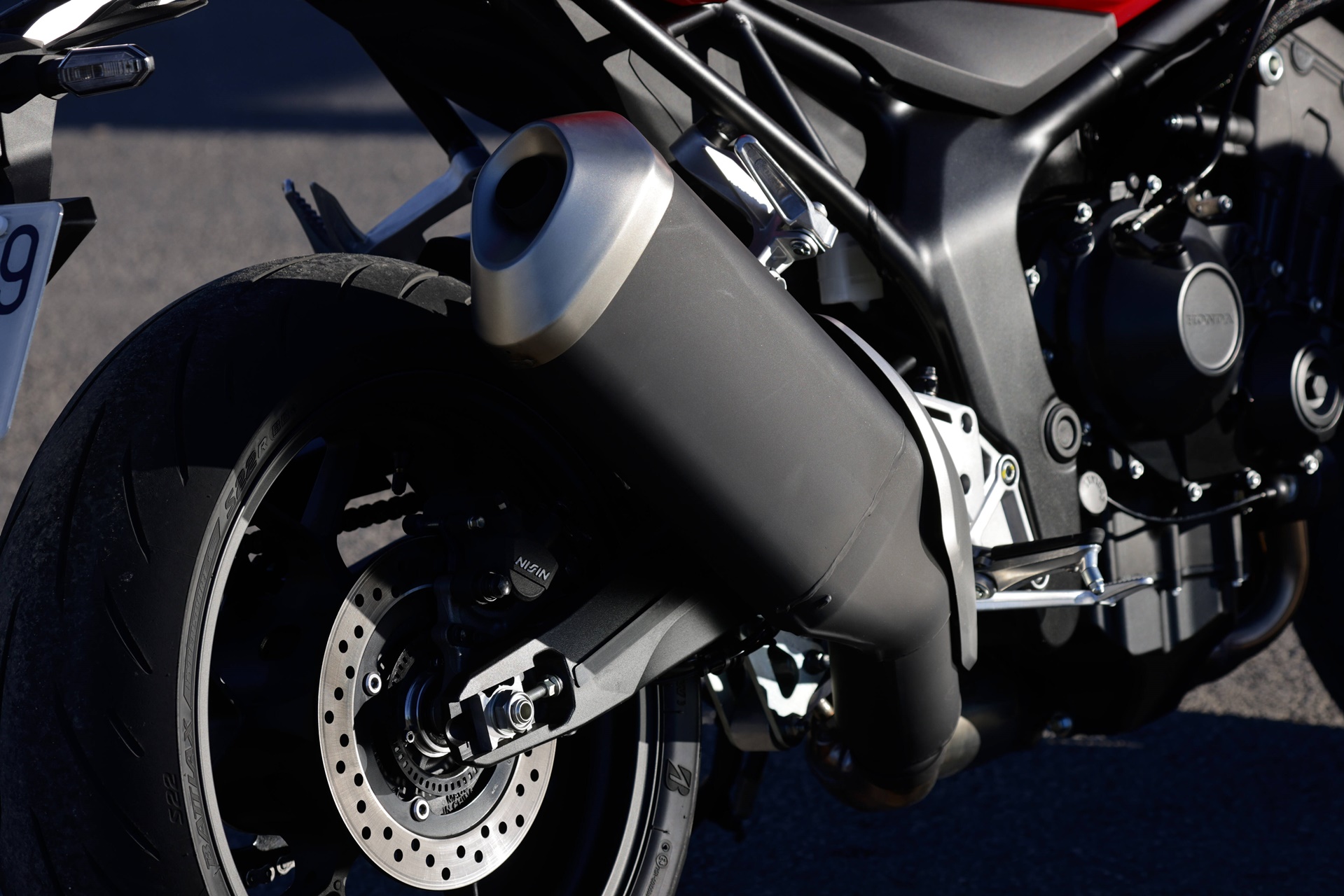
This philosophy has a profound impact on development. Contrary to the idea that engineers simply try different exhausts until they find the right sound, Tatsumi-san makes it clear that sound creation is never isolated from the overall concept of the vehicle. Exhaust prototypes are not developed solely to pursue a certain tone, but taking into account aspects such as “power, handling, design and sensations on the road.”
However, the magnitude of the experimentation may be surprising. During the development of the CB750 Hornet, Tatsumi-san remembers that “We tried about a hundred different configurations just to evaluate the sound.” Each test represented a small adjustment: a different internal structure, a different frequency response or a particular interaction with the engine’s combustion characteristics.
“Human perception remains irreplaceable”
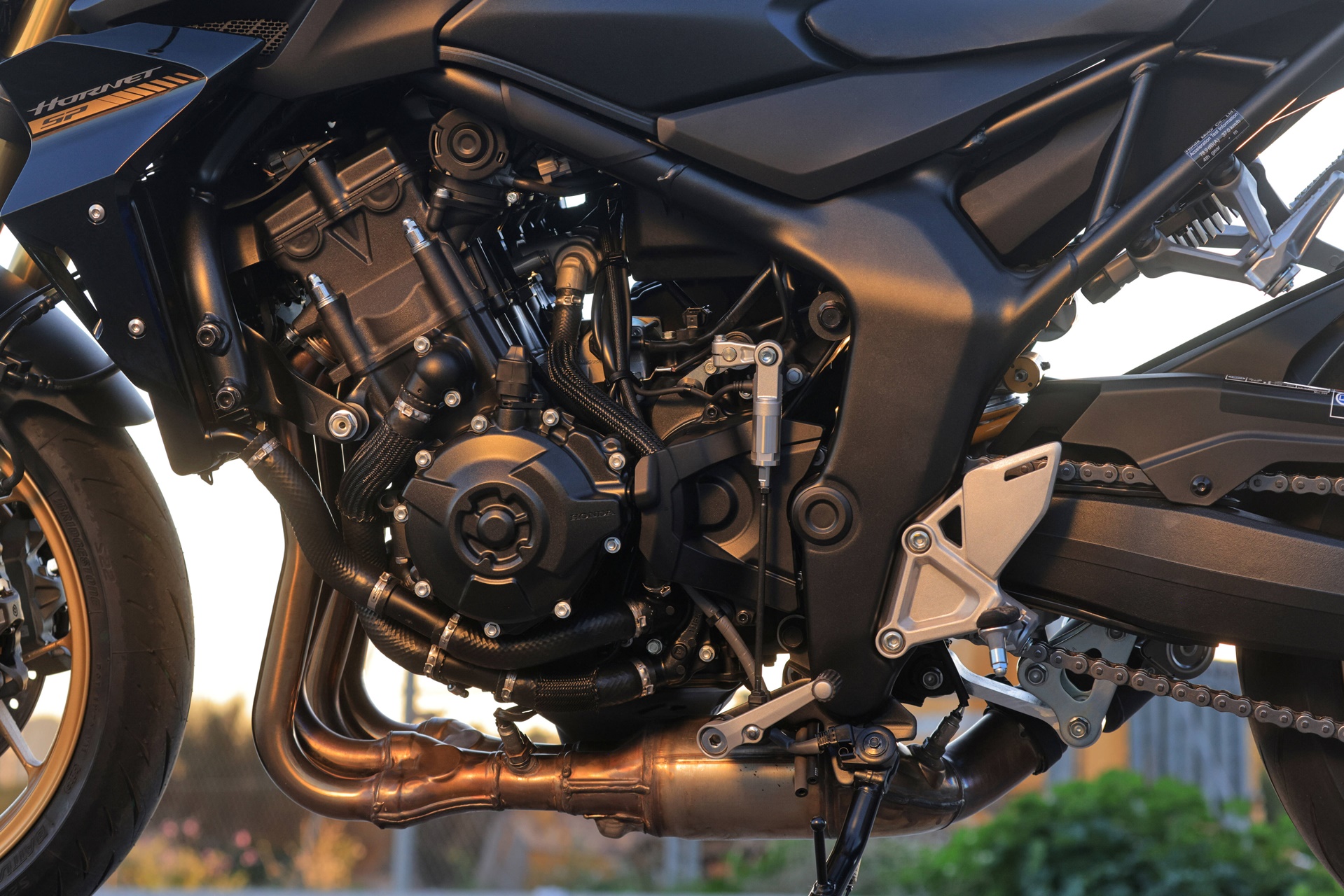
All this to progressively get closer to a sound that accurately reflects the overall concept of the motorcycle. Modern development relies heavily on digital simulation, and engine acoustics are no exception. Honda digitally models and analyzes sound characteristics before producing any physical prototype. The precision of these tools has greatly improved, allowing engineers to explore acoustic behavior from the earliest stages of the process.
However, Tatsumi-san is quick to point out that digital analysis has its limits: “There are still aspects that cannot be determined without testing the actual motorcycle.”“, he says. This is where human perception remains irreplaceable. Although frequency, volume and response can be measured and represented graphically, the final decision does not come from a screen.
“Ultimately, we make the decision based on human perception” explains Tatsumi-san. The sound should not only respond to a decibel target, but represent the entire concept of the product: how the motorcycle feels as a vehicle and not just how it sounds in isolation. This human-centered approach goes beyond the rider himself.
“Sound cannot be treated as something secondary”
Honda evaluates the sound both “at driver’s ear level” as well as from the perspective of third parties, that is, those who observe the motorcycle from the road or share urban environments. Engineers analyze frequency, volume, throttle response and subtle “nuances of sound variation” that differentiate one engine from another. Curiously, the inspiration does not come from music or nature, at least not consciously.
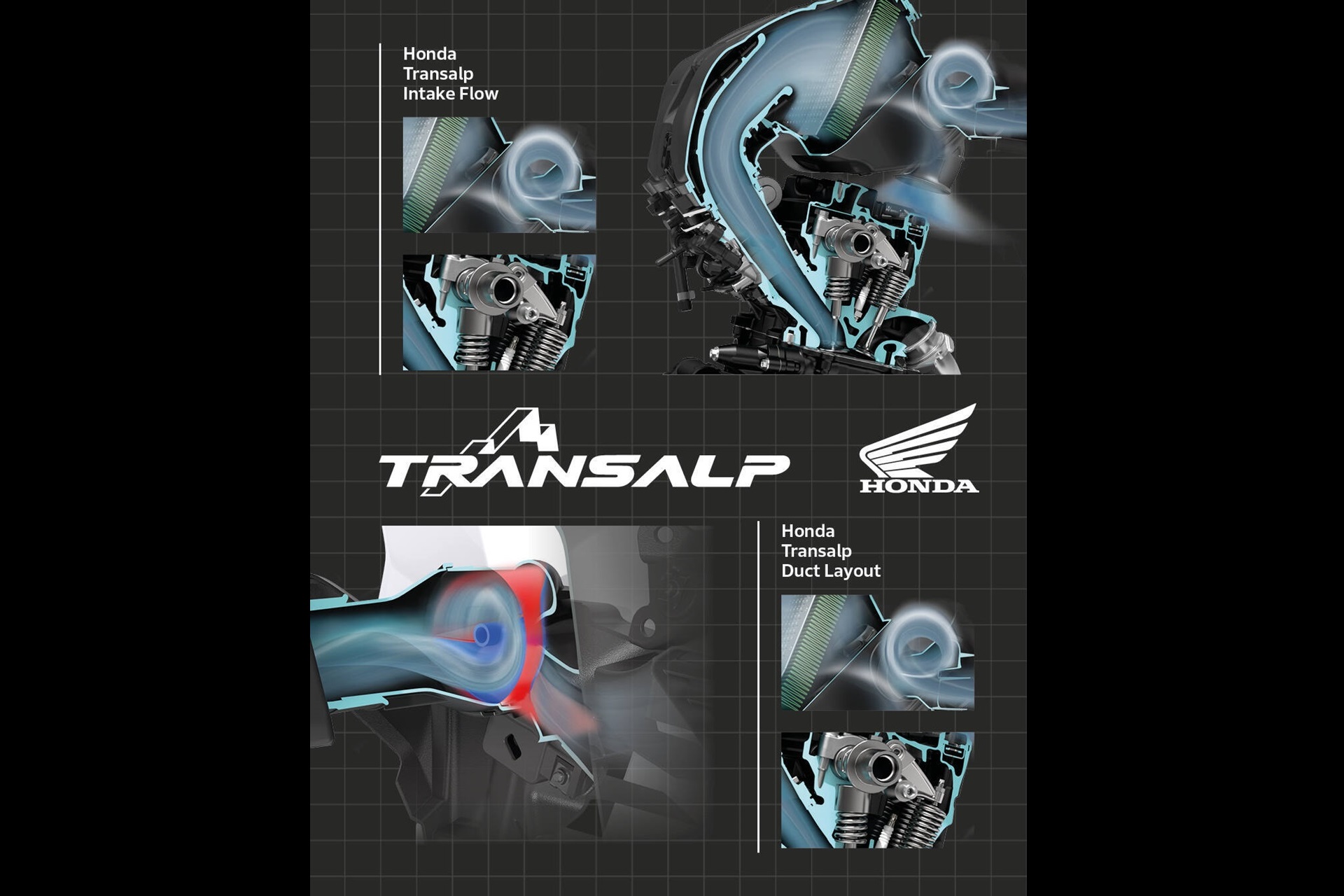
Tatsumi-san admits that, in his experience, engine acoustics are developed from engineering logic rather than from emotional references. The art lies not in imitation, but in refinement: extracting the most desirable elements from combustion and eliminating everything else. One of the most telling takeaways Tatsumi-san shares is how early the development of sound begins.
In completely new engines, NVH specialists are involved from the specification definition phase itself. As soon as conversations begin about ignition advance or valve timing, fundamental elements of combustion behavior, the sound and sensations are already being shaped. This early implication reflects a broader truth: sound cannot be treated as secondary.
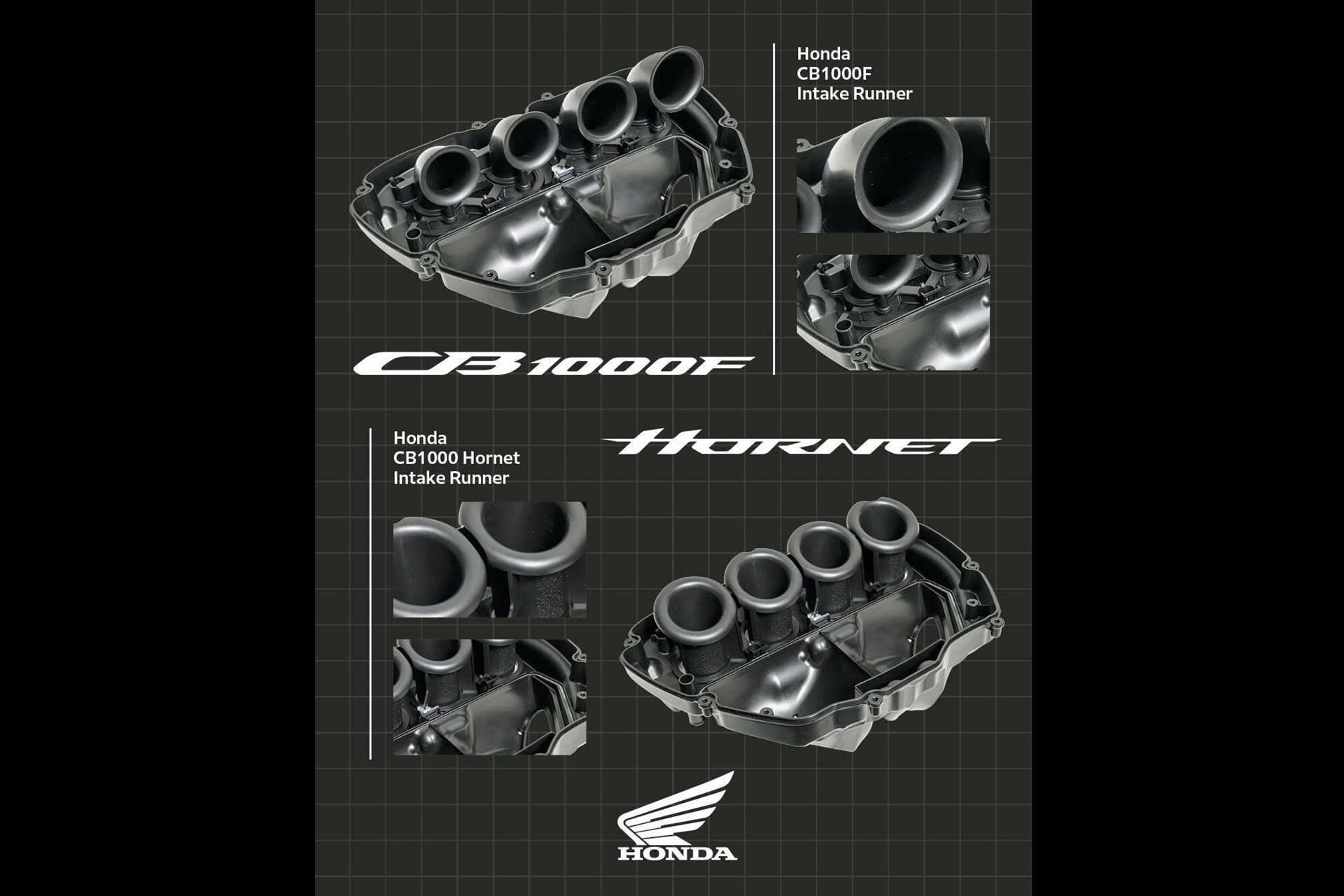
Once the fundamental characteristics of combustion are defined, the range of personalities that an engine can offer is practically fixed. The escape can emphasize or soften certain features, but it cannot invent them. This reality forces complex priorities to be established. Sound is, after all, something subjective. “Sound is a sensory evaluation, so setting goals can be difficult”explains Tatsumi-san.
“It helps each model express their own identity”
Some models require strict adherence to numerical performance goals, while others allow greater freedom to pursue emotional appeal. In all cases, the balance is decided through a careful process of discussion guided by the concept of each motorcycle and not by a universal standard. This principle becomes even more important when the same mechanical base serves several models.
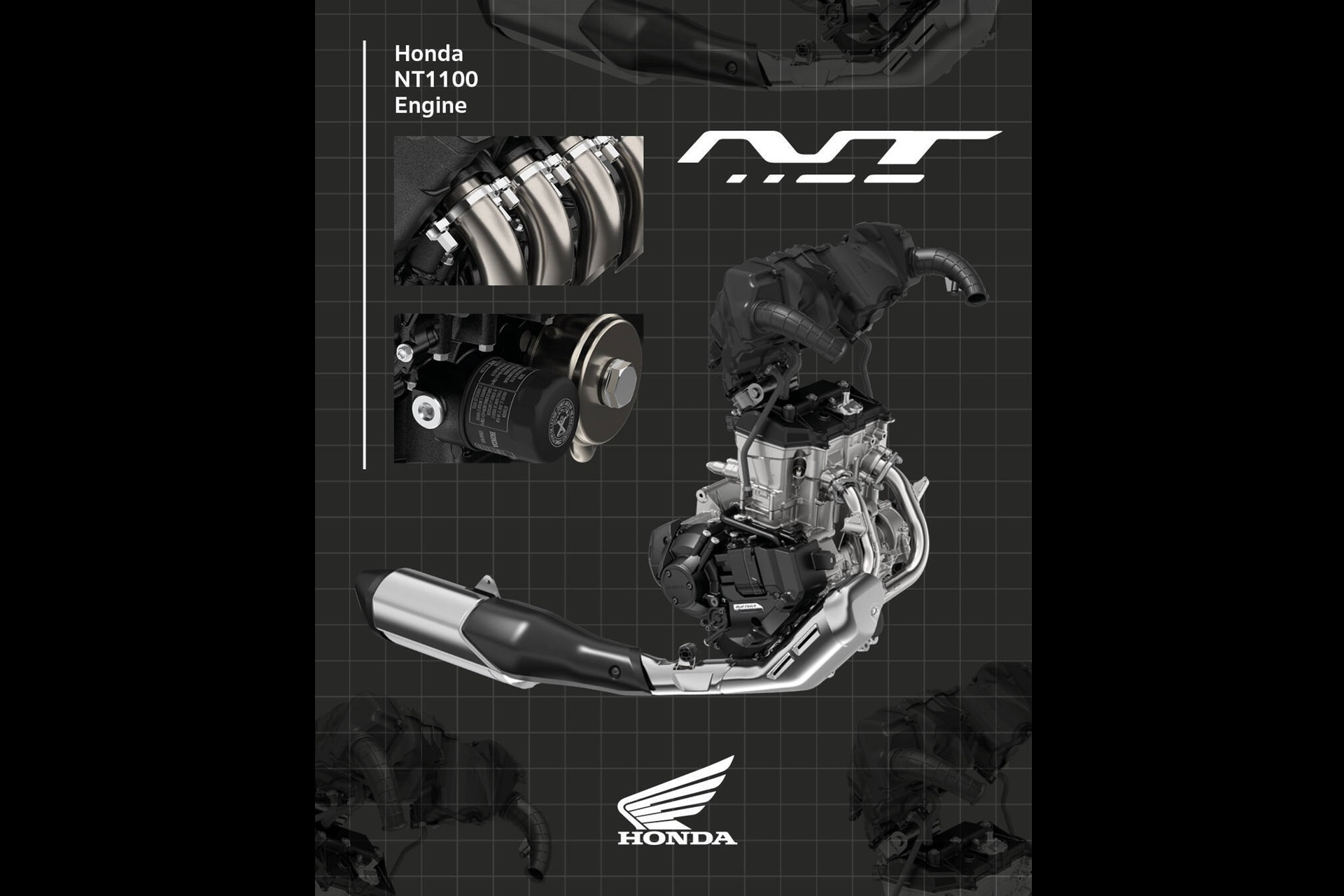
Tatsumi-san points out the differences between motorcycles like the CB1000F and the Hornet, where camshaft specifications are modified to redefine combustion characteristics. A bet on one “forceful and serious sensation at low speed”while the other offers “a sporty, high-frequency sensation when revs rise”. Since the possibilities to modify the engine internally are limited, the exhaust system becomes a powerful differentiation tool that helps each model express its own identity.
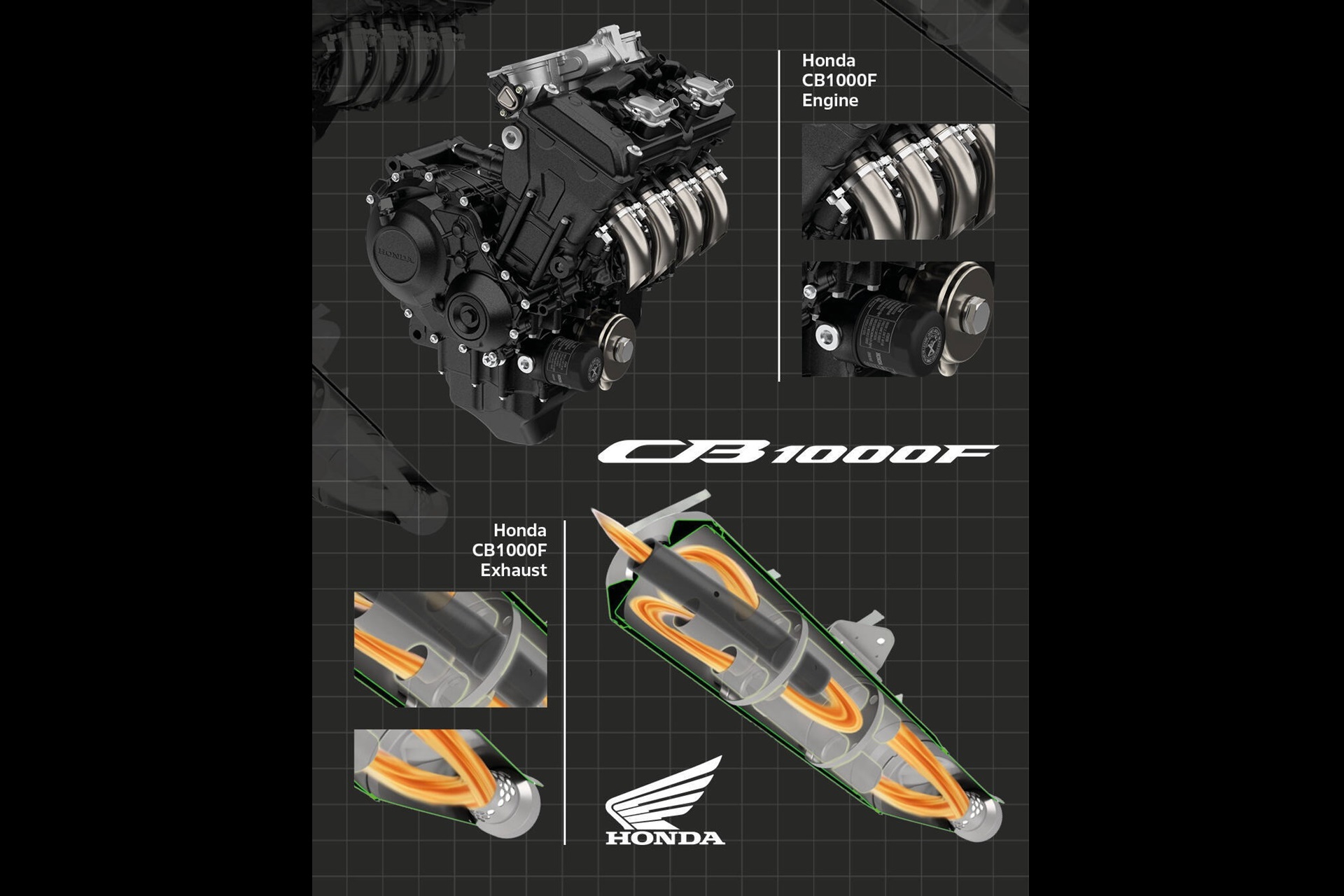
This is achieved through elaborate engineering work within the engine itself. The CB1000F uses intake ducts of different widths on its four cylinders (cylinders 1 and 2 use a 50 mm intake, while cylinders 3 and 4 use a 40 mm one). Added to this is a 17-degree difference in valve timing to generate a characteristic sound wave, similar to a “heartbeat”, created exclusively by internal engine components.
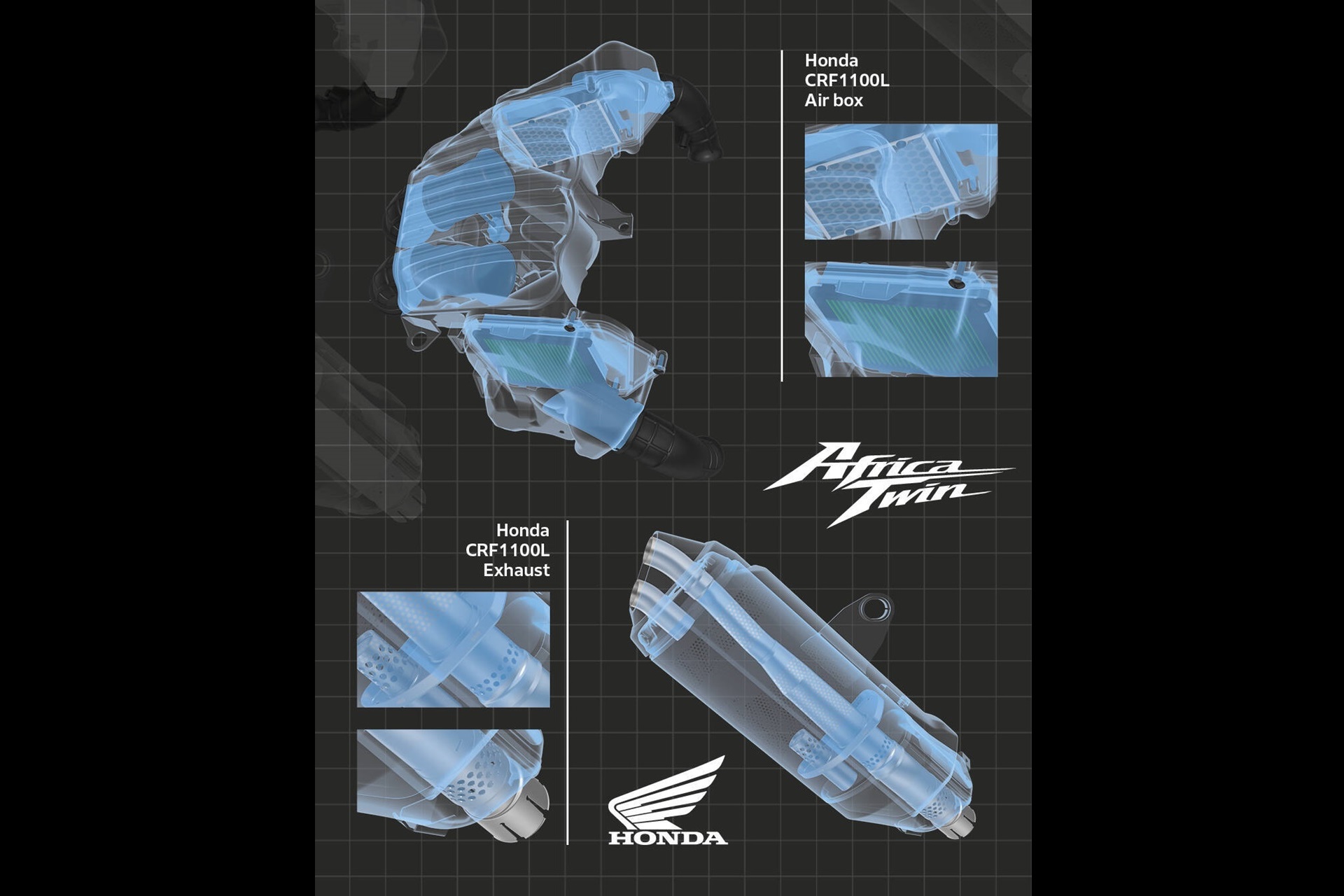
Despite its visual and emotional prominence, the role of escape is often misunderstood. “Fundamentally, the exhaust acts as a muffler”explains Tatsumi-san. Its function is not to create sound, but to eliminate what engineers do not want to hear. By selectively attenuating certain frequencies, often reducing the lows and preserving the highs, engineers manage to highlight the character already present in the combustion.
Other fundamental details within the process
Design details can also influence perception. A oriented exhaust outlet can direct the sound towards the rider, as is the case on the CB125R, or even take advantage of the reverberations produced by the road. However, every decision has consequences, as it influences not only the acoustics, but also the overall concept of the motorcycle. And Tatsumi-san insists on a key idea: “It is impossible to create sounds or rhythms through the exhaust that do not previously exist in the engine combustion process.”
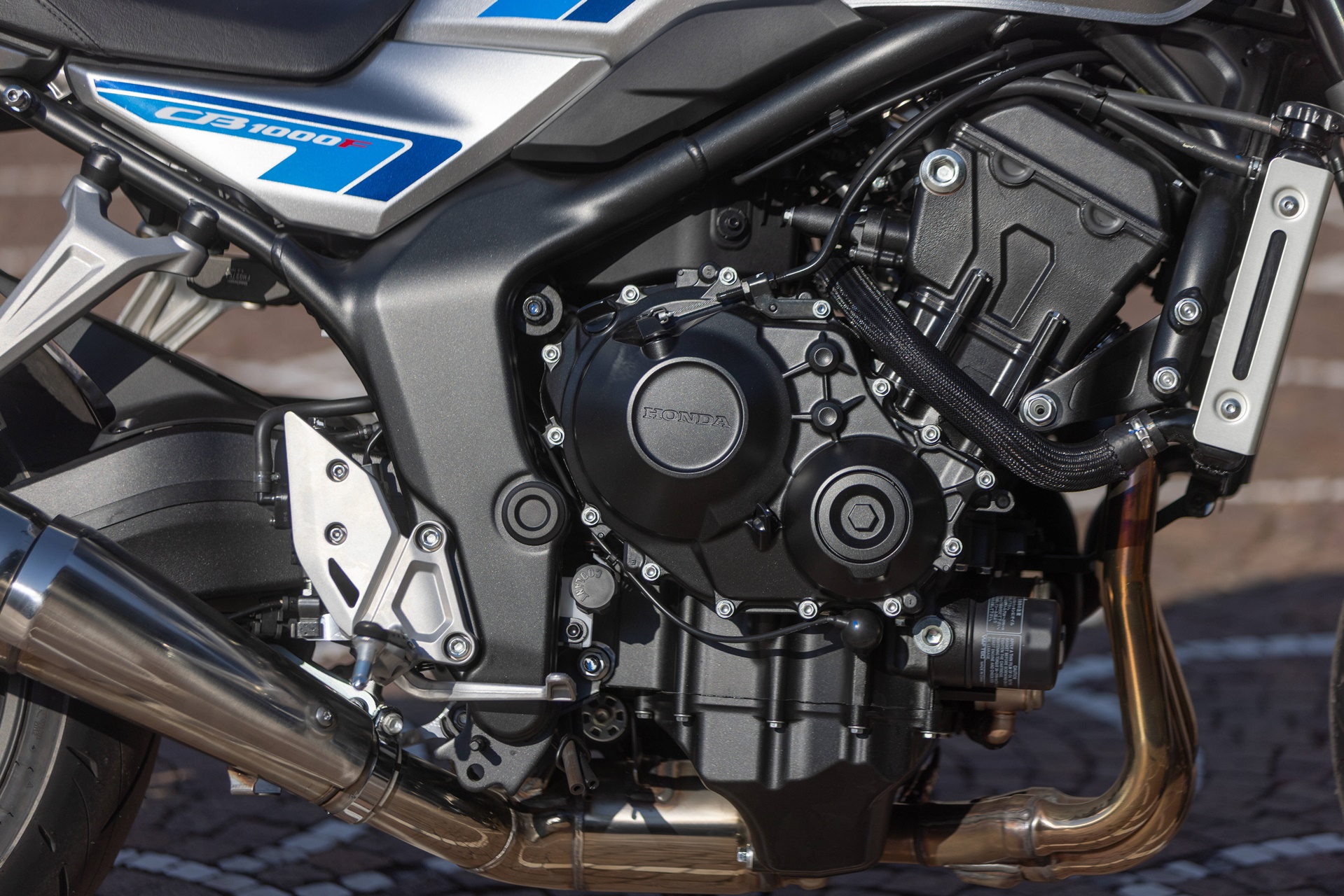
Even visually distinctive elements, like the CB1000F’s megaphone-style silencer, respond to this same logic. Although the external shape may be determined by design objectives, the sound is defined by the internal structure and by engine specifications such as timing. In the case of the CB1000F, Honda deliberately tuned the exhaust’s frequency response toward lower registers to reinforce its personality.
Modern electronic control systems add a new dimension to the experience, perfecting throttle response and torque delivery. However, Tatsumi-san makes it clear that electronics are not used to make artificial sounds. “We have never resorted to electronic control to create sound”he states. Instead, the electronics allow riders to more confidently access different facets of the engine’s character, making it possible, for example, to enjoy a more aggressive feel and sound when conditions or driving modes allow it.
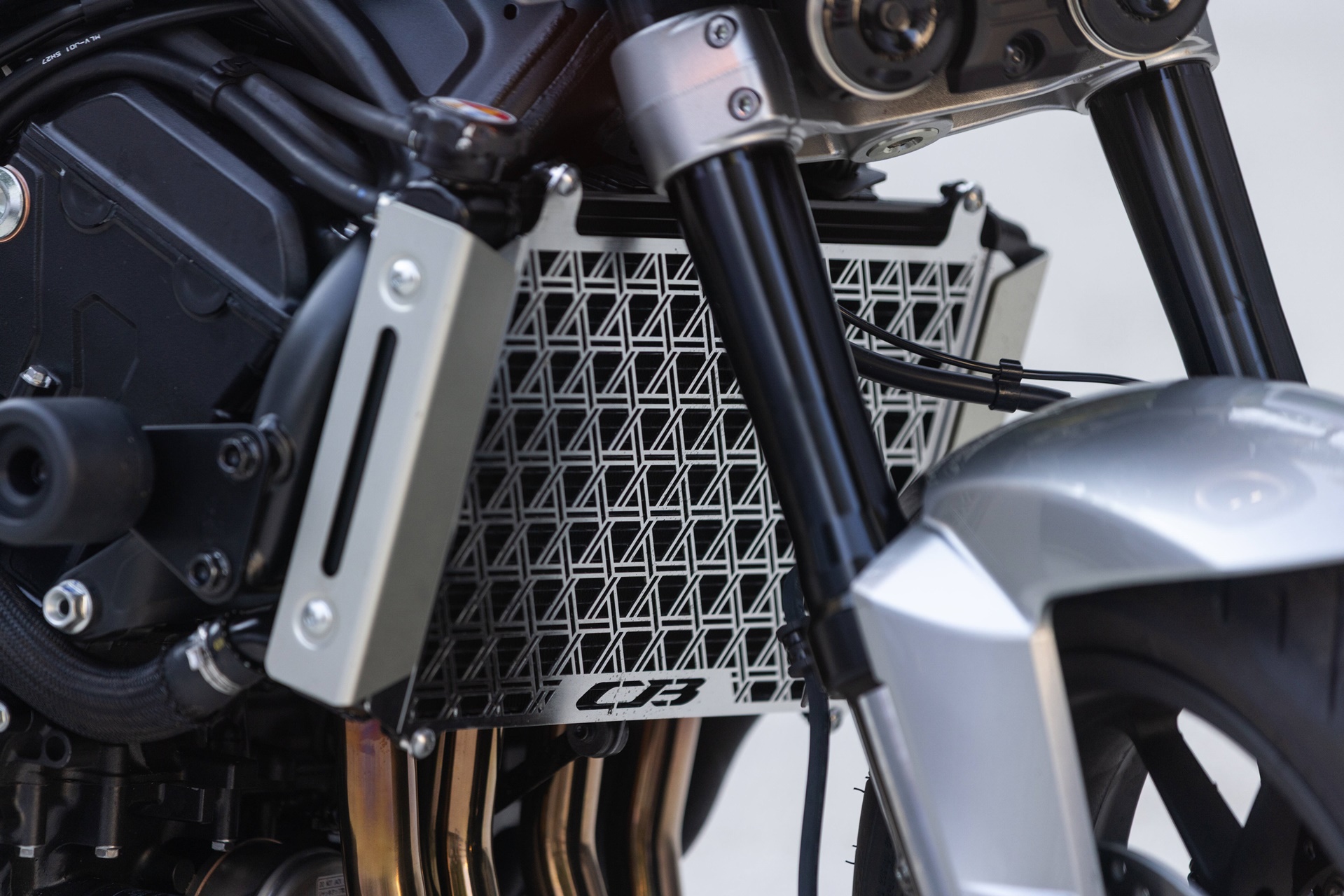
When asked which engines he is most proud of, Tatsumi-san mentions those on the CB750 Hornet and XL750 Transalp, introduced for the 2023 season. In both cases, Honda tuned dual exhaust outlets to different frequencies, creating a pulsating sensation as engine speed increases, a sound that has connected especially well with customers.
The market reception, apparently, confirmed what engineering had already anticipated. Ultimately, Tatsumi-san’s reflections reveal that the sound of an engine is neither solely art nor solely science, but a disciplined conversation between the two. True character cannot be added at the end of the development process: it must be designed into the engine from the first spark.