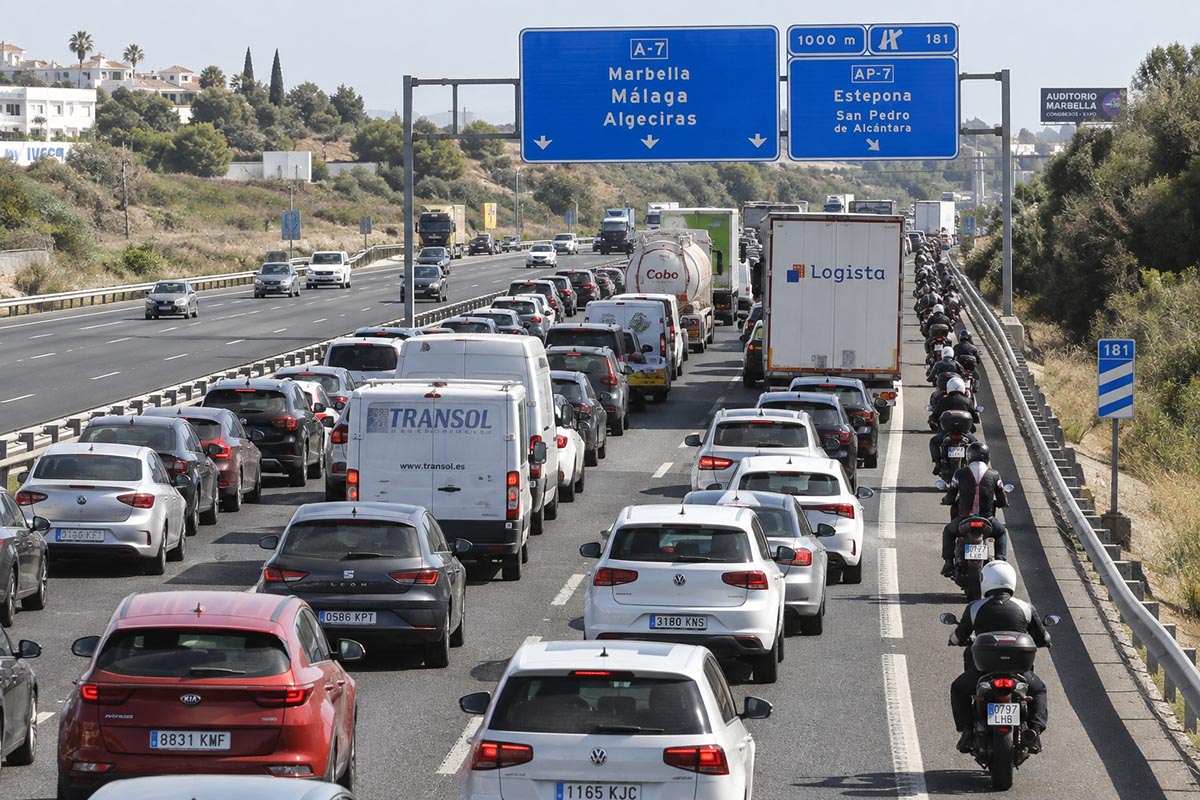
On October 1, Royal Decree 518/2026 comes into force, a modification of the General Traffic Regulations that introduces different changes that we already told you about and that directly affects motorcycle users. Among them there is one that is especially striking: the possibility of driving on the shoulder in certain situations.
It is a measure that has been generating doubts among the two-wheeled community for some time because simply saying that “motorcycles will be able to circulate on the shoulder” does not really account for what the rule says. In fact, since October we will not be able to find a hold and automatically decide to use it to advance.
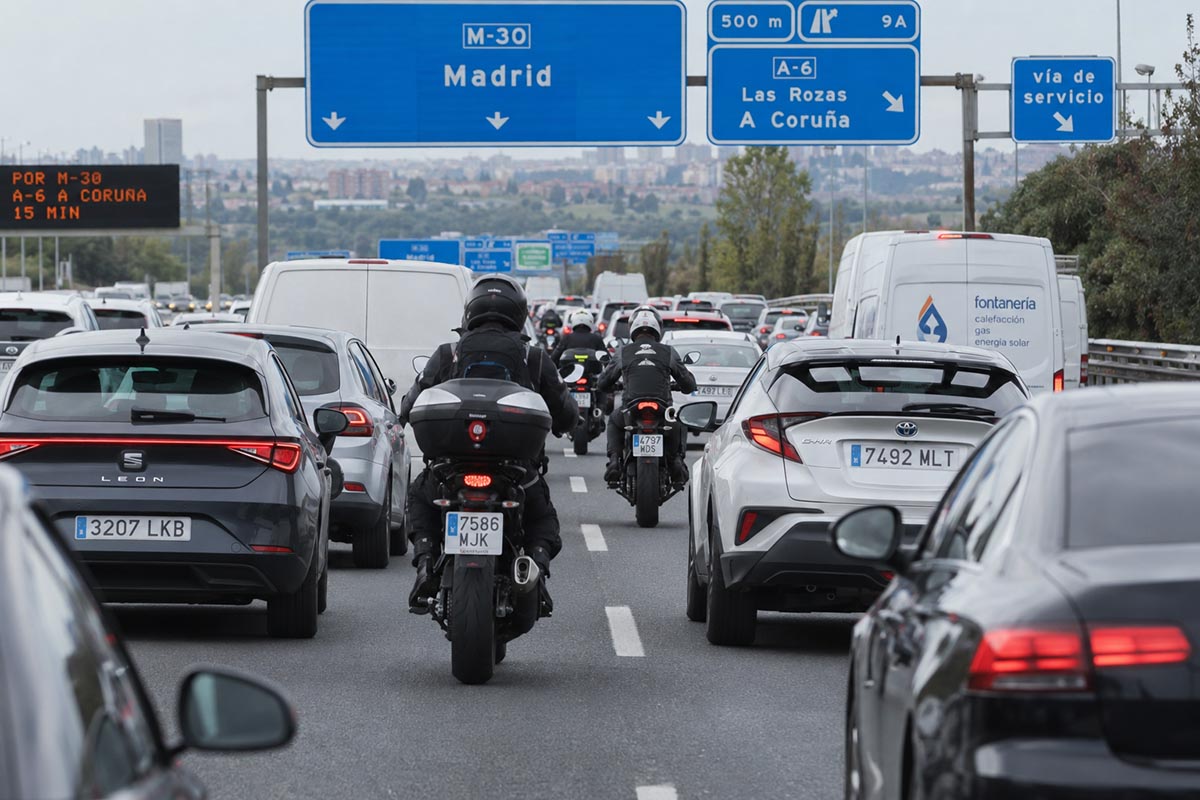
The new article 36.3 makes it quite clear that this is an extraordinary use of the right shoulder and that it will only be allowed in those sections that have been previously agreed between the owner of the road and the Central Traffic Headquarters or, when appropriate, the regional or local authority responsible for regulating circulation. That is to say, on October 1 the possibility of enabling these shoulders comes into force, but that does not automatically convert all the shoulders in Spain into another route for motorcycles.
You will not be able to drive on any shoulder even if there is a traffic jam.
The first requirement will be precisely to know if we are in one of those authorized sections. The standard requires that they be marked with fixed vertical signage and road markings, so there should be no room for interpretation. If the section is not signposted, the existence of a traffic jam will not be enough to be able to use the shoulder. There is also another important condition and that is that the rule does not simply talk about intense or slow traffic.
The text establishes that it can only be used when “the circulation of the lanes of the road is stopped due to traffic congestion”. So, finding a highway loaded with traffic traveling at low speed does not in itself enable you to use the shoulder. The lanes must be stopped due to congestion and, furthermore, it must be one of the sections expressly prepared for this.
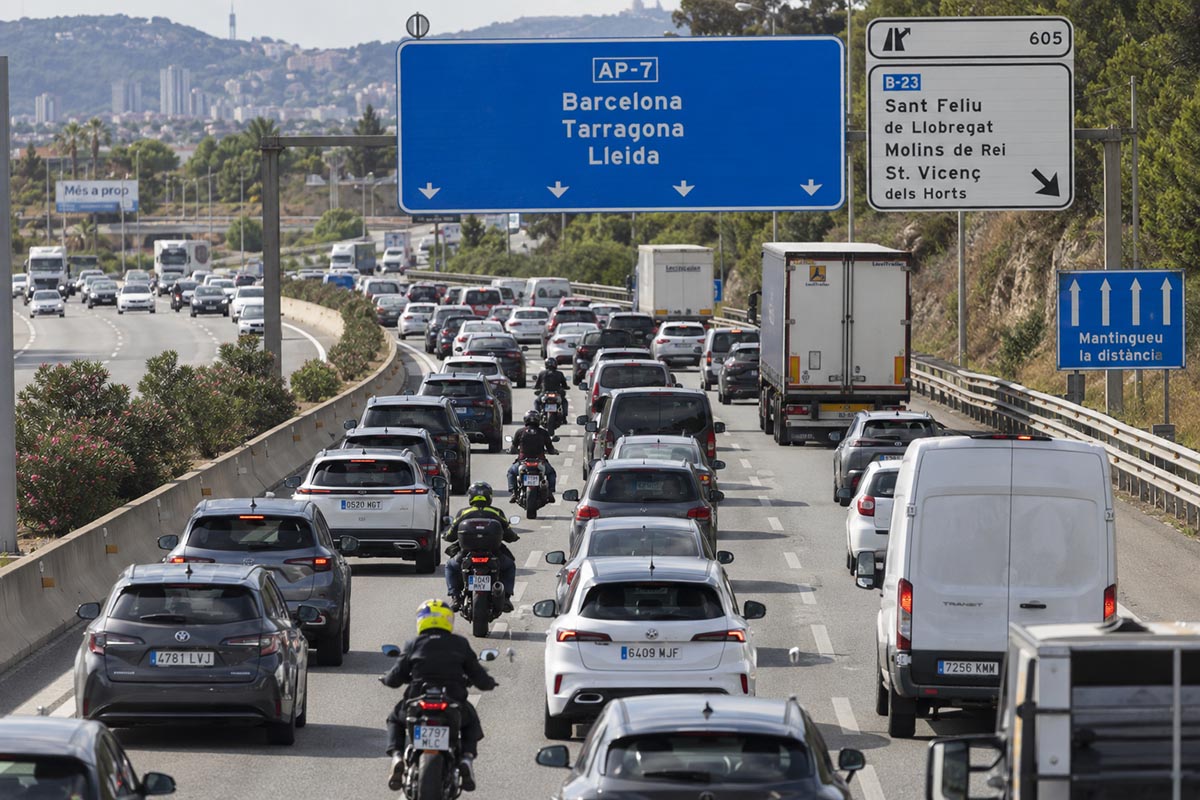
Speed will also be limited. Once inside the shoulder, the motorcycles will be able to circulate at a maximum of 30 km/h and they must do it in a row one by one (never in parallel), using extreme caution. In no case is the shoulder considered a new lane in which to move at normal speed while the rest of the traffic remains stopped.
It must also be taken into account that motorcycles will not be the only vehicles that may need to use the shoulder. The new article expressly requires not to put at risk those drivers who are obliged to circulate on the shoulder and indicates that motorcycles must abandon it if necessary. This may affect, for example, when there is a vehicle that has the right or obligation to circulate in that area or, also, a vehicle that breaks down.
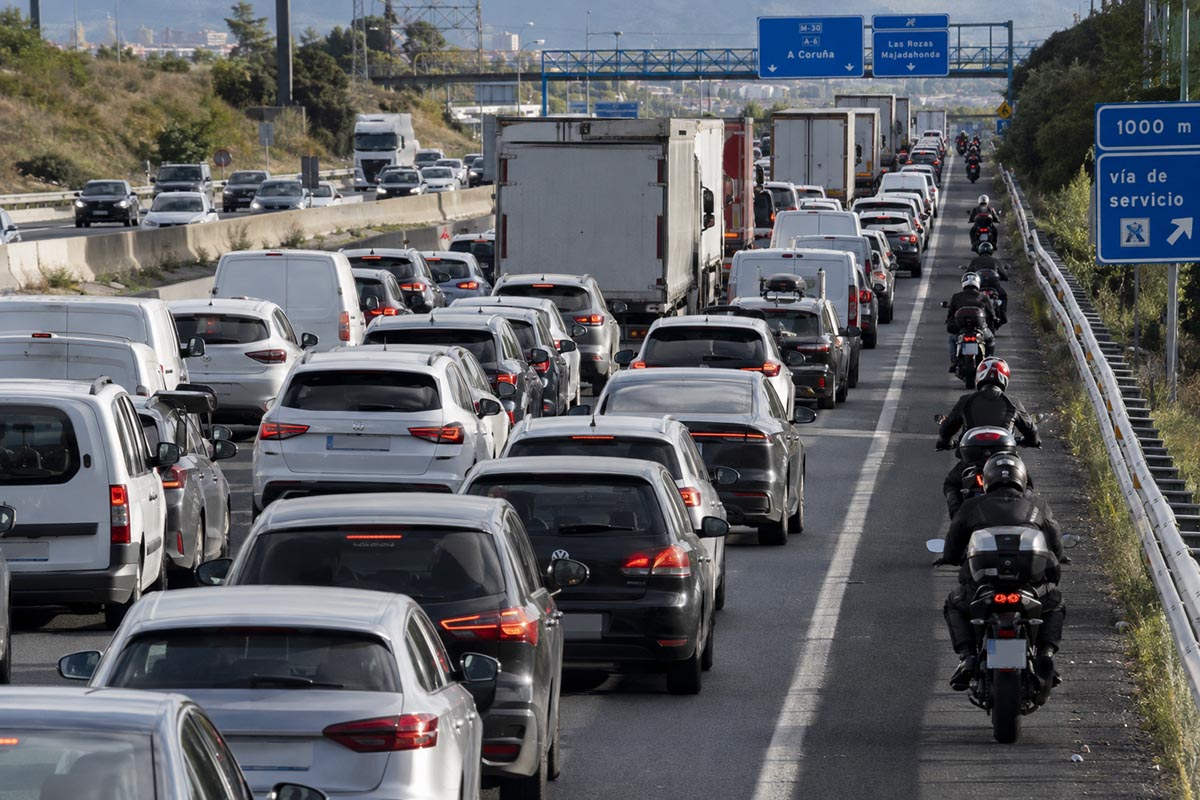
The fact that we are within an authorized section does not give us absolute priority over the rest. And there is another simple detail, but one that should be clear: We always talk about the right shoulder. The extraordinary possibility introduced by the regulations does not affect the left side of the road, which will continue to be unusable in any case.
So effectively, the new rule changes a situation that until now generated quite a bit of controversy and allows driving on the shoulder, but it does so in a much more limited way than it might seem at first glance. From October 1 we will have a possibility beyond filtering between cars to move forward when traffic is completely stopped, although it will be necessary to check first that the road is expressly enabled and signposted for this.
Now the big question we have less than a month before the Royal Decree comes into force is knowing which sections will be authorized. But there is a concept that is vital and should be emphasized one last time: until that specific signage appears, encountering a traffic jam will not in itself mean authorization to use the shoulder.