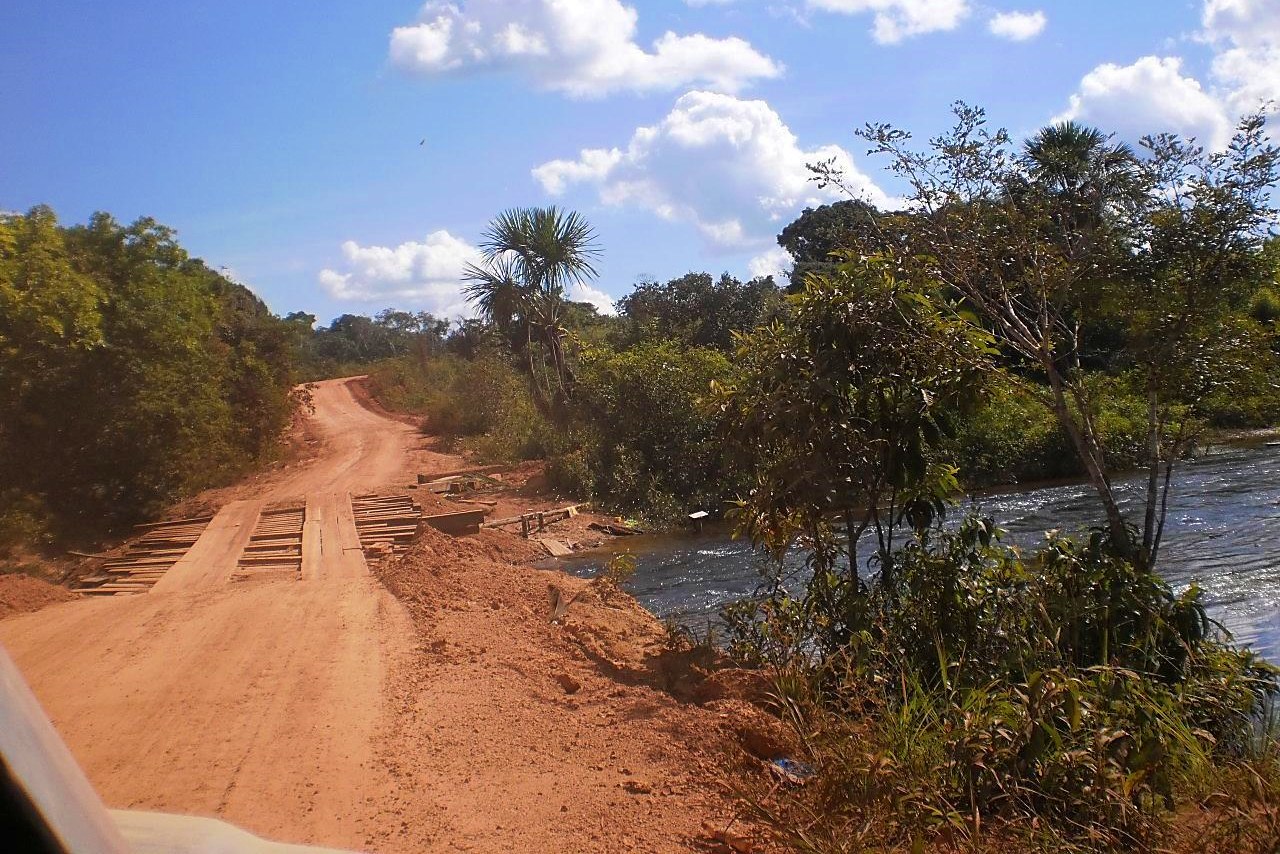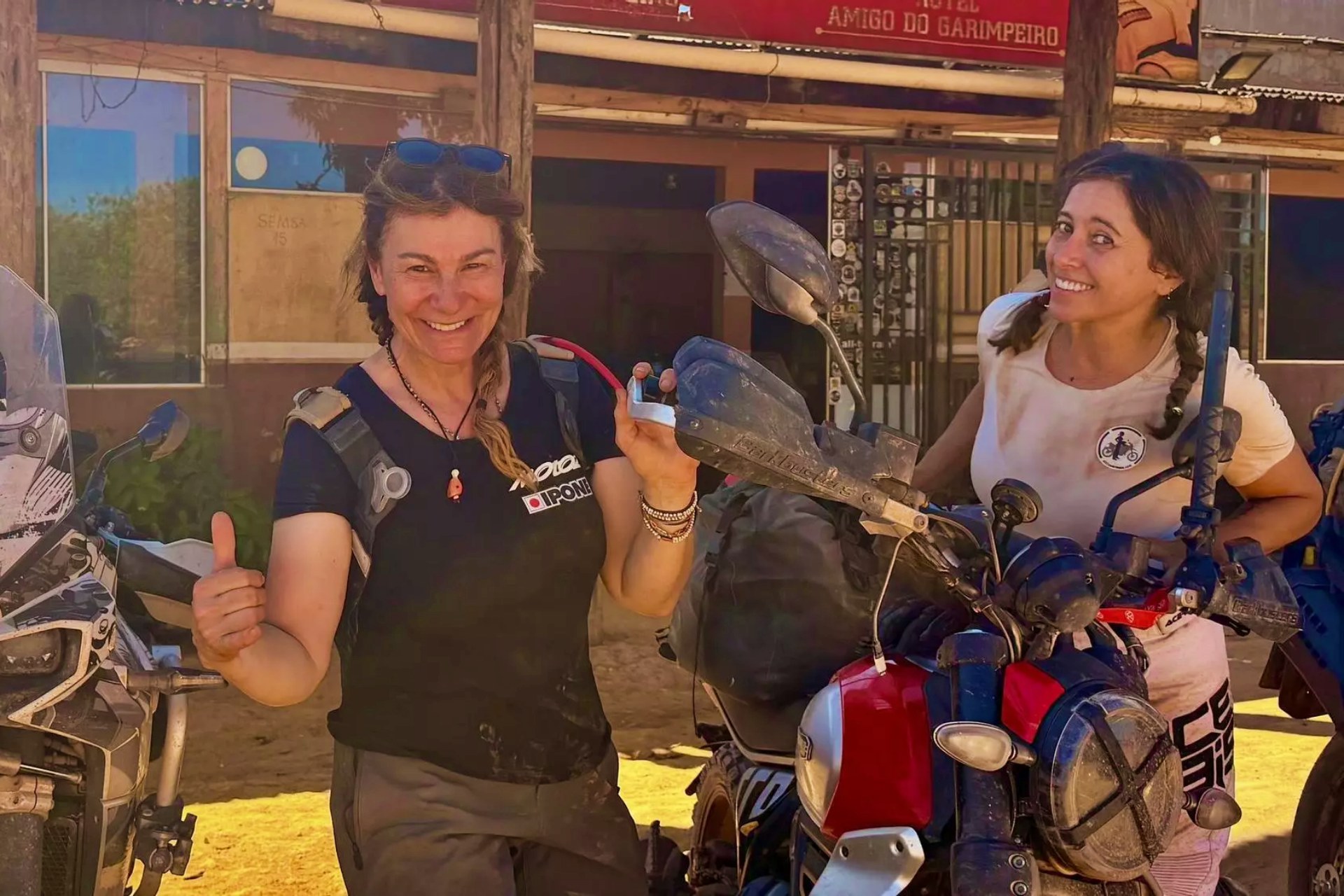
The project, named “Amazon, before the asphalt“, not only sought to complete an extreme route. The intention was to observe from the ground how some of the territories crossed by these roads are changing and document an Amazon that, in many points, no longer coincides with the image of continuous jungle that we have from Europe.

The route began in Peru and led to Sornosa and his traveling companion, the Chilean Marcia Susaetatowards Cuzco and Puerto Maldonado before reaching the Brazilian border through Assis Brasil. From there they continued towards Porto Velho to face one of the great challenges of the trip: the BR-319a highway that connects Porto Velho with Manaus, crossing the interior of the Brazilian Amazon.
own Sornosa He had already explained before starting the expedition that the objective was to travel this route before future transformations and the arrival of asphalt definitively modify its appearance and the way of traveling along it. Furthermore, the terrain did not make it easy for them.
More than 400 km of mud and dust
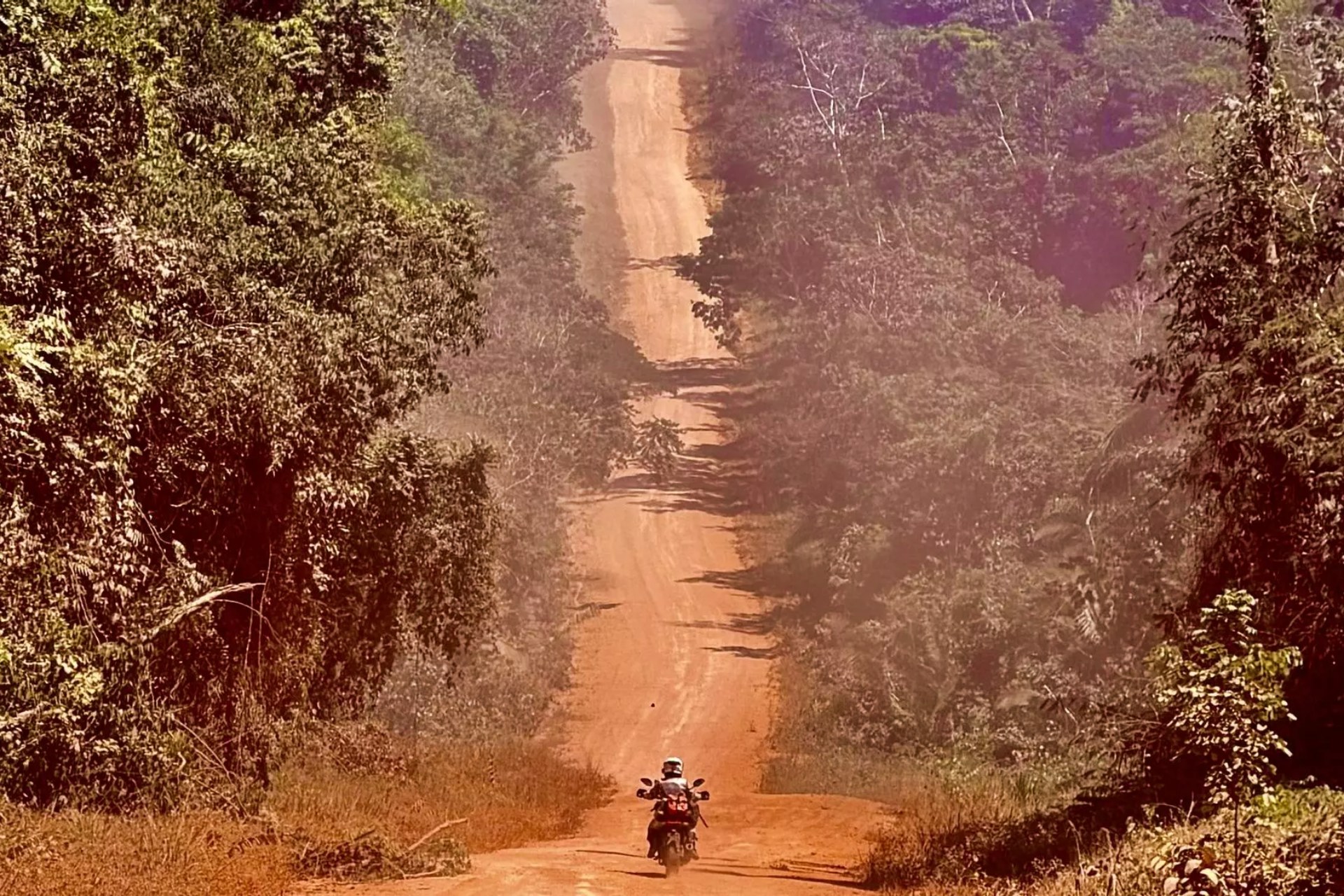
The first major sections of the BR-319 They were forced to face more than 400 km of off-road driving. Dust, mud, deep ruts, holes and very high humidity became part of everyday life. Added to this was heavy traffic. The large trucks that use this road raised real clouds of dust, considerably reducing visibility.

Temperatures were also one of the great enemies. Sornosa explains that they reached over 37º from early in the morning, in humid conditions that turned each day of driving into considerable physical effort. Furthermore, traveling hundreds of km without finding a gas station forced us to resort at certain points to fuel stored in containers. After four days and more than 700 km of complicated tracks, both travelers reached Manaus.
24 hours sailing through the Amazon
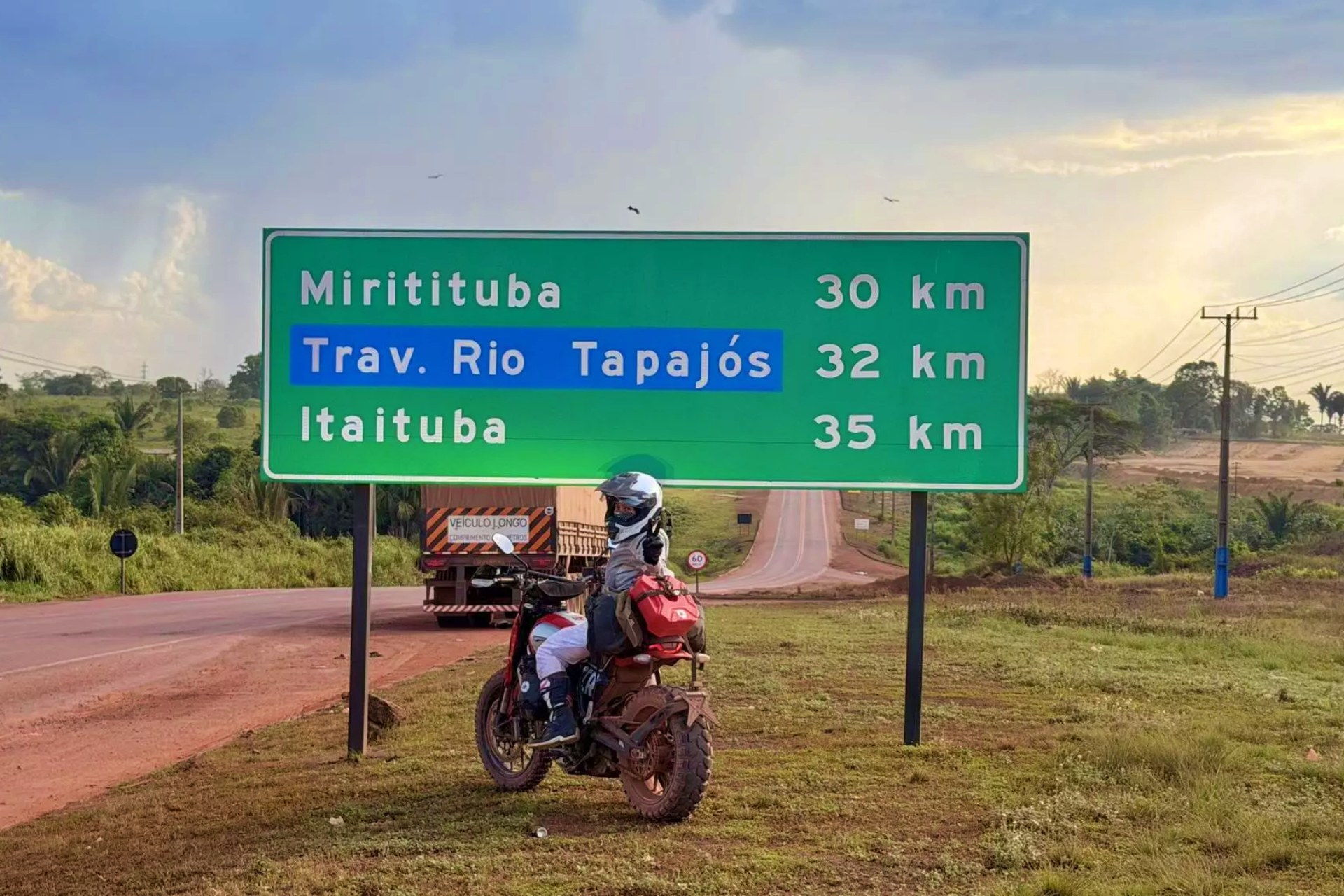
The motorcycle was not the only means of transportation used during the expedition. Once in Manaus, the motorcycles were embarked to continue the journey along the Amazon River to Santarém. It was approximately 24 hours of sailing before putting the wheels back on land and continuing towards Alter do Chão, Itaituba and the BR-230. This section also allowed us to learn about another way of getting around a region where roads are not always the main means of communication. The project itself Sornosa It focuses precisely on that coexistence between roads, rivers and communities that depend on both to maintain contact with the outside world.
The Transamazon, another 1,400 km
Then came another of the mythical names of the trip: the BR-230known as Transamazonian. The route accumulated about 1,400 km between dirt, holes and unpaved sections. A road that is part of the history of Brazil and that, decades after its construction, continues to be a particularly demanding route for those who decide to travel it by motorcycle.
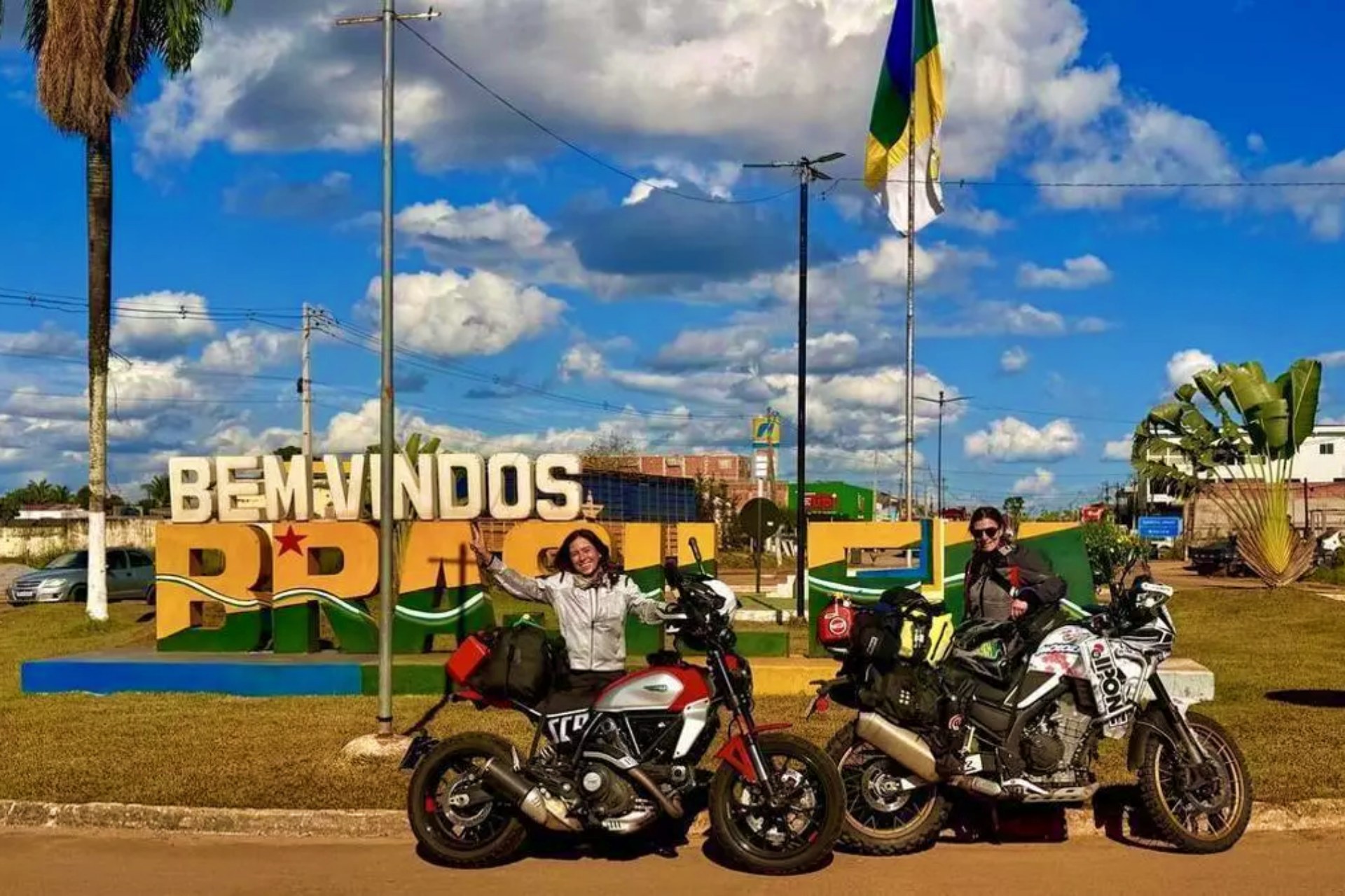
Precisely there one of the most special meetings of the entire expedition took place. Sornosa and Susaeta They coincided during the trip with João Gonçalves Filhoknown as “Gau”, a Brazilian motorcyclist who in 1976 toured the Transamazonian about a Harley-Davidson. The meeting takes on even more meaning because it took place half a century after that first adventure. Gaunow 80 years old, continues to be linked to the motorcycle and traveled that road again.

However, the objective of “Amazon, before the asphalt“went well beyond overcoming a succession of difficult tracks. During the thousands of km traveled, Sornosa He found large areas destined for livestock farming, deforested areas and areas affected by fires. At certain points, the continuous jungle that I expected to find had given way to open spaces in which only a few large isolated trees remained.
own Alice He explains that this was one of the great surprises of the expedition: «discovering that the Amazon that I imagined before the trip was not continuously present for a good part of the route». And that’s where the name of the project makes sense.
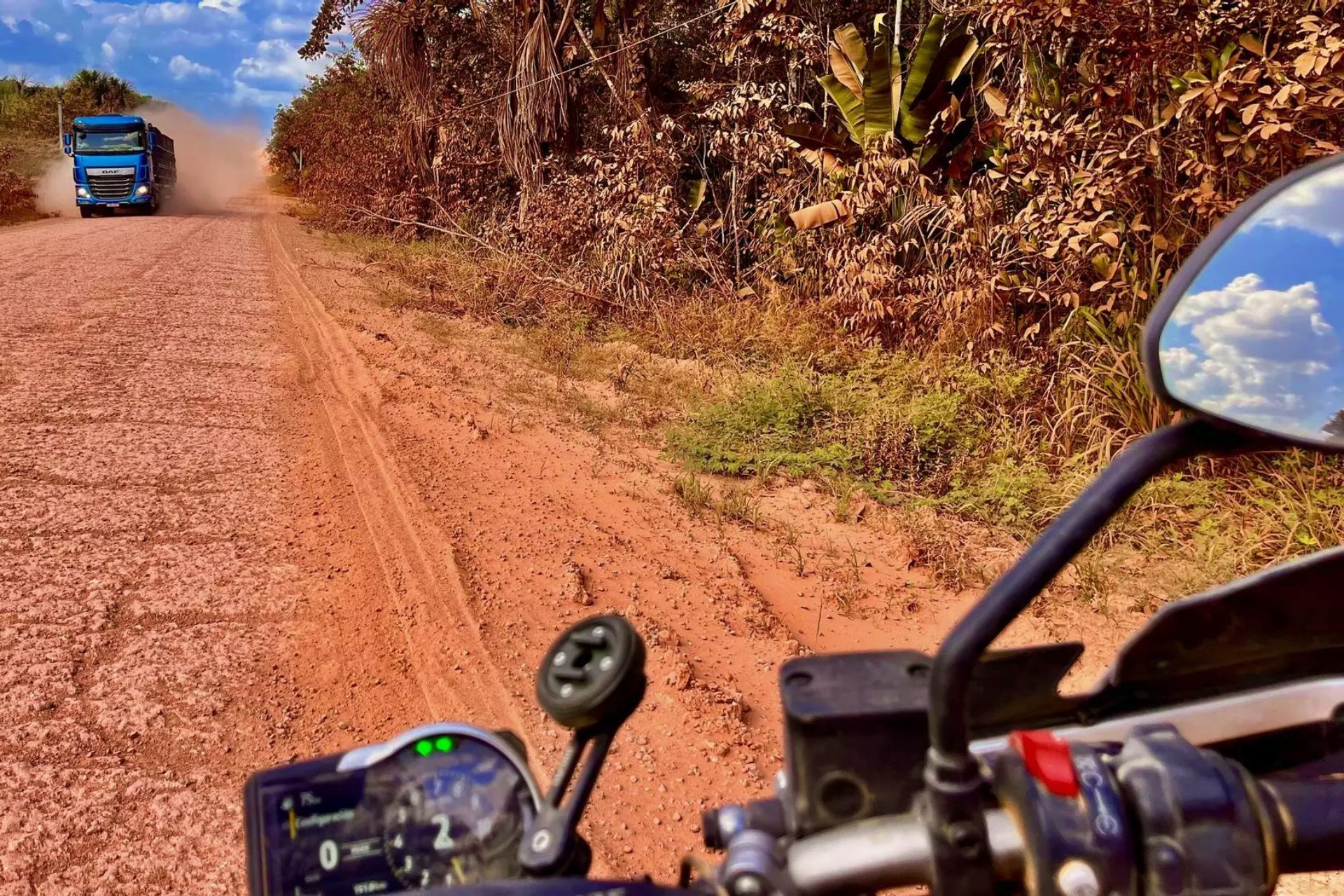
“Before the asphalt” It doesn’t just talk about a road. It also considers what happens to a territory when a communication route is transformed, when access increases and when infrastructure development comes into contact with one of the most sensitive ecosystems on the planet.
From the Amazon to the Andes
The expedition did not end in Brazil. After returning to Peru, Sornosa He entered the Tambopata region before facing the climb towards the Andes. In a matter of hours, the scenario changed completely: from the Amazonian heat and humidity it went to temperatures close to 7º and to altitudes of around 4,750 m. In total, the trip accumulated some 7,000 km and around 40 days of adventure, with a particularly important part developed off-road.
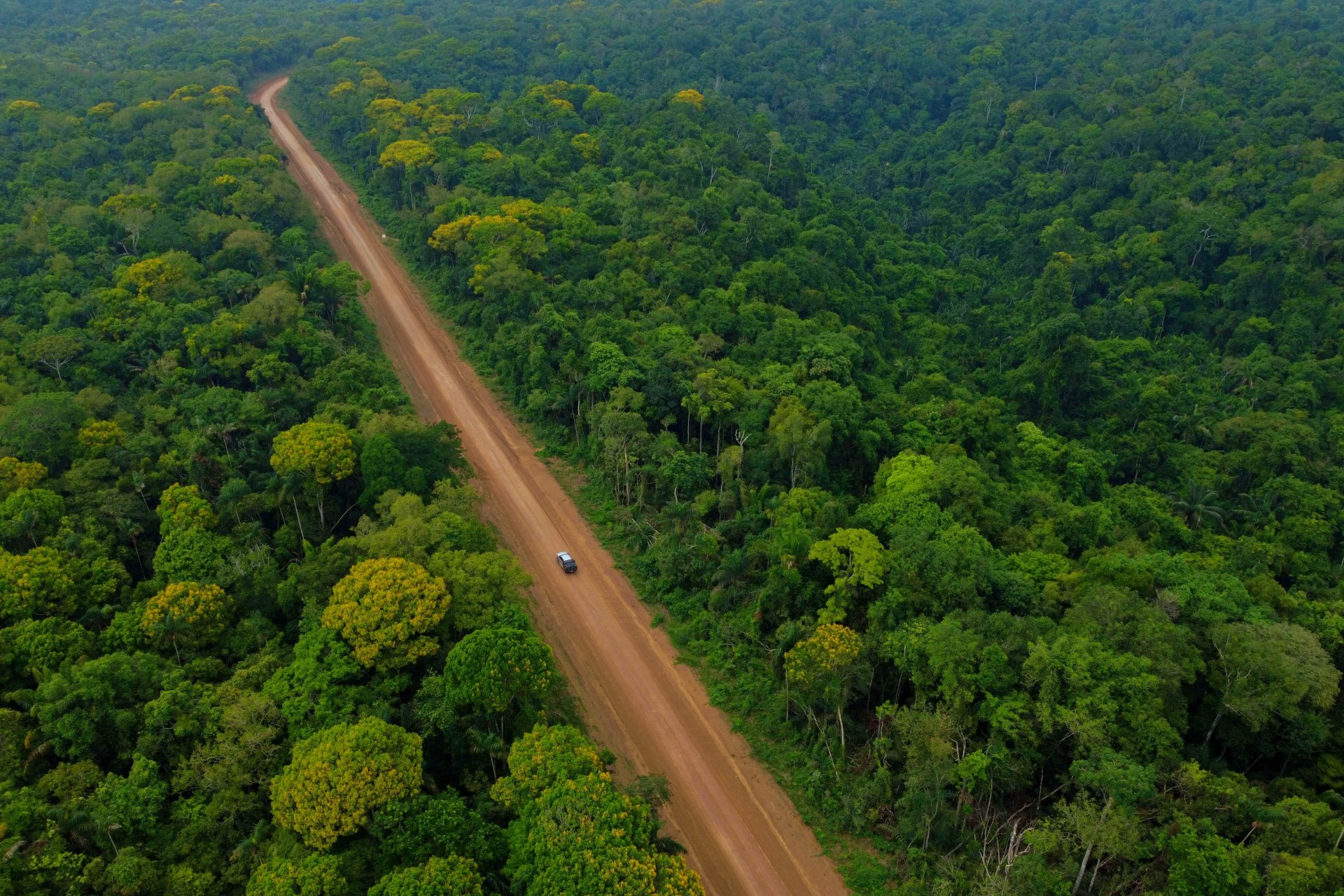
But, the expedition does not end with the return to Spain. All the material collected during the tour will now be used to produce different journalistic and audiovisual works, as well as a travel book illustrated with photographs and drawings made from the experience.
The project will also have an environmental aspect. As explained Sornosapart of the income obtained from the sale of each copy of the future book will be used to acquire and plant a tree in a Spanish area affected by the forest fires of 2026.
The initiative will be completed with a motorcycle route to the chosen territory and activities also aimed at helping to recover tourist activity in the area. The idea fits with the philosophy that has accompanied “Amazon, before the asphalt” from the beginning: using the motorcycle to reach places that are difficult to reach otherwise, but also to observe what is happening around the road.