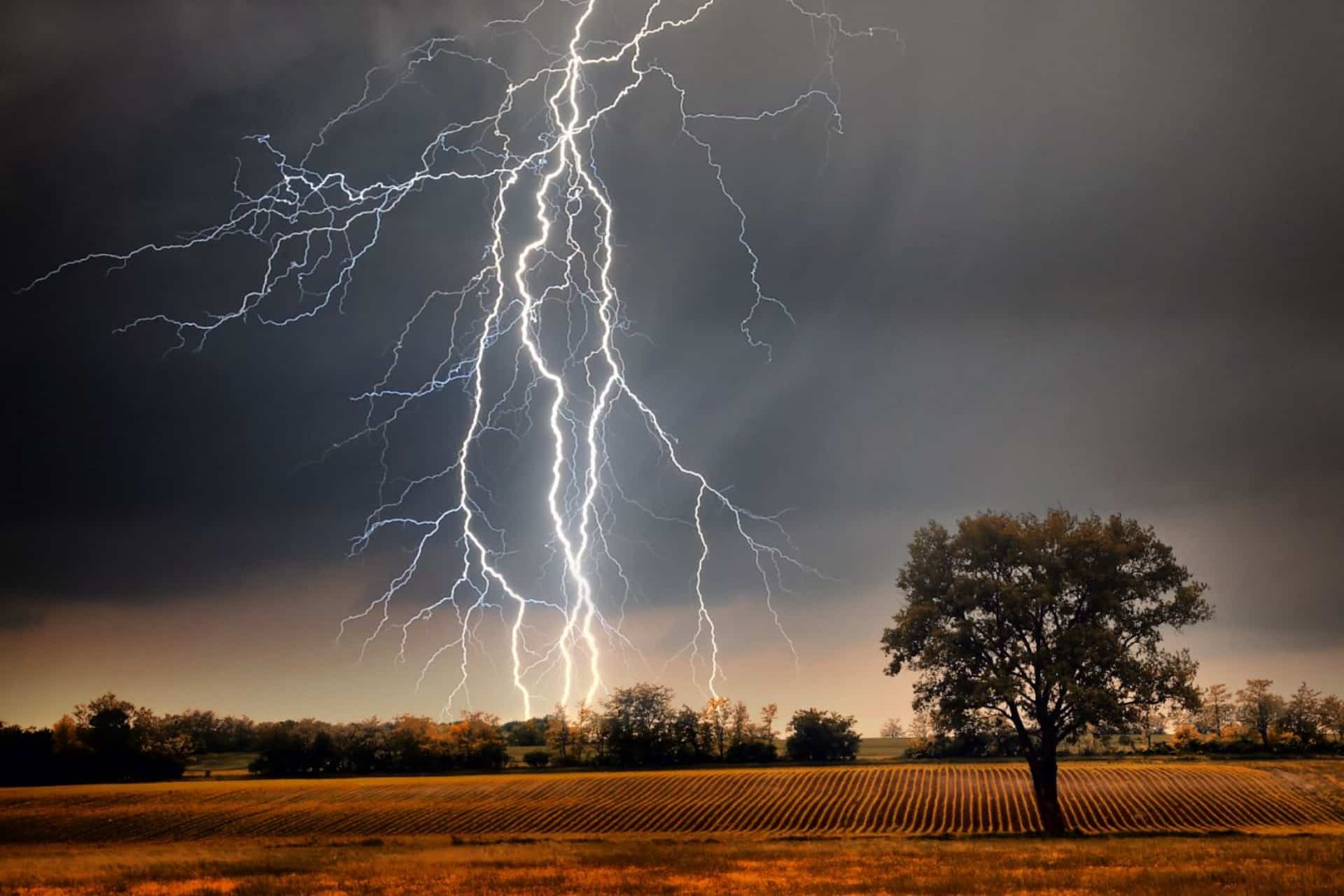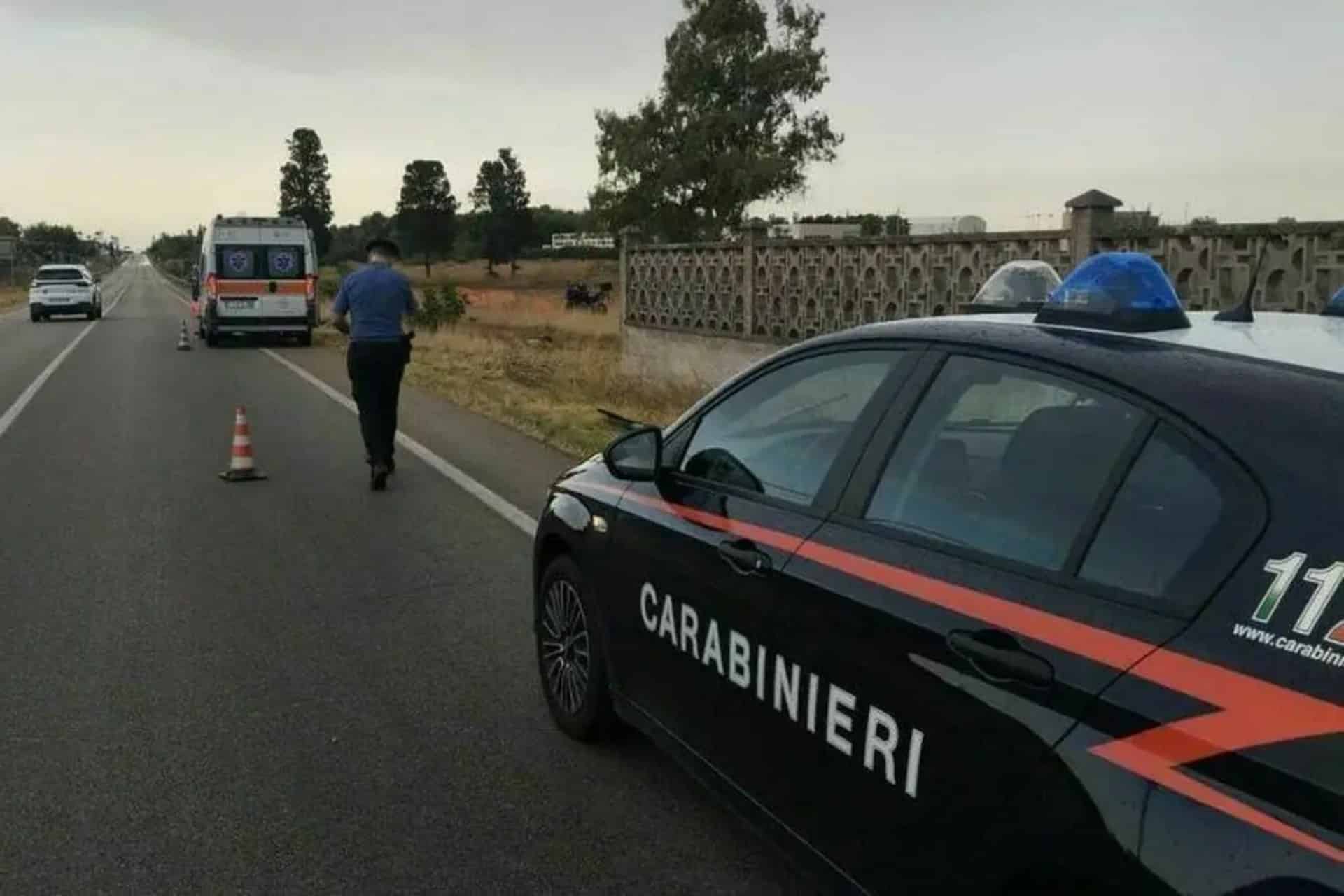
Beyond the human impact and the sadness of what happened, this accident reveals a danger that many motorists usually ignore: thunderstorms and road rays. The episode invites us to reflect on the science of lightning, the specific risks they face, who travel on two wheels and prevention measures that can make a difference between life and death.
The death of the Roman tourist in Salento should not only remain as an isolated tragedy, but as a reminder that nature imposes limits that no biker equipment can overcome. As we wear helmet, gloves and protections to minimize risks in case of falling, we must also learn to recognize when to stop the march and wait for the danger to pass.
Electric storms are inevitable natural phenomena, but information, prevention and prudence can transform what would be a fatality into an anecdote without consequences. In the case of bikers, the wisest decision in front of an electric thunderstorm is simple: stop, shelter and wait.
By the way, the tragedy became even more overwhelming when it was known that happened just next to a commemorative plaque reminiscent of another victim of a died ray at the same point years ago.
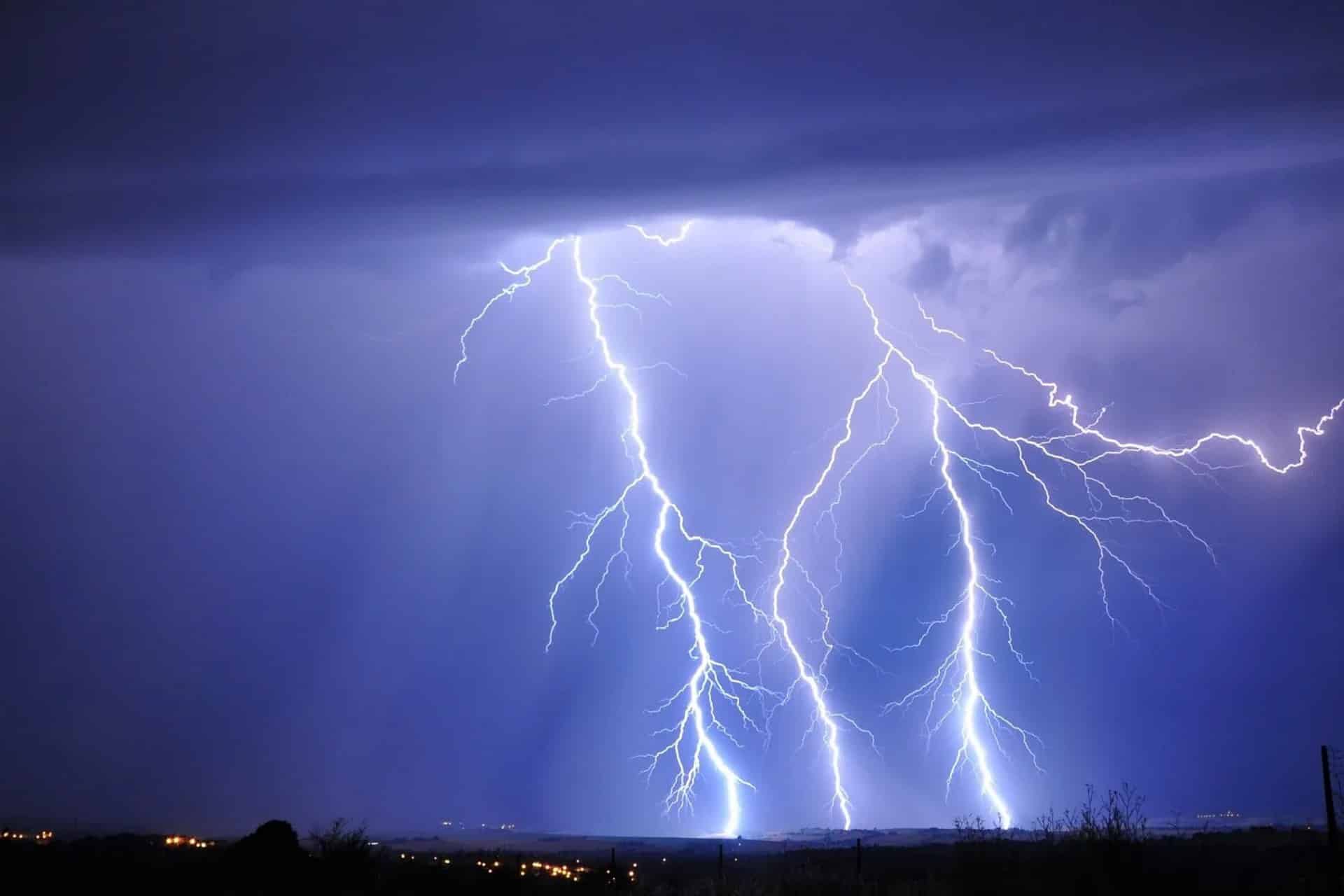
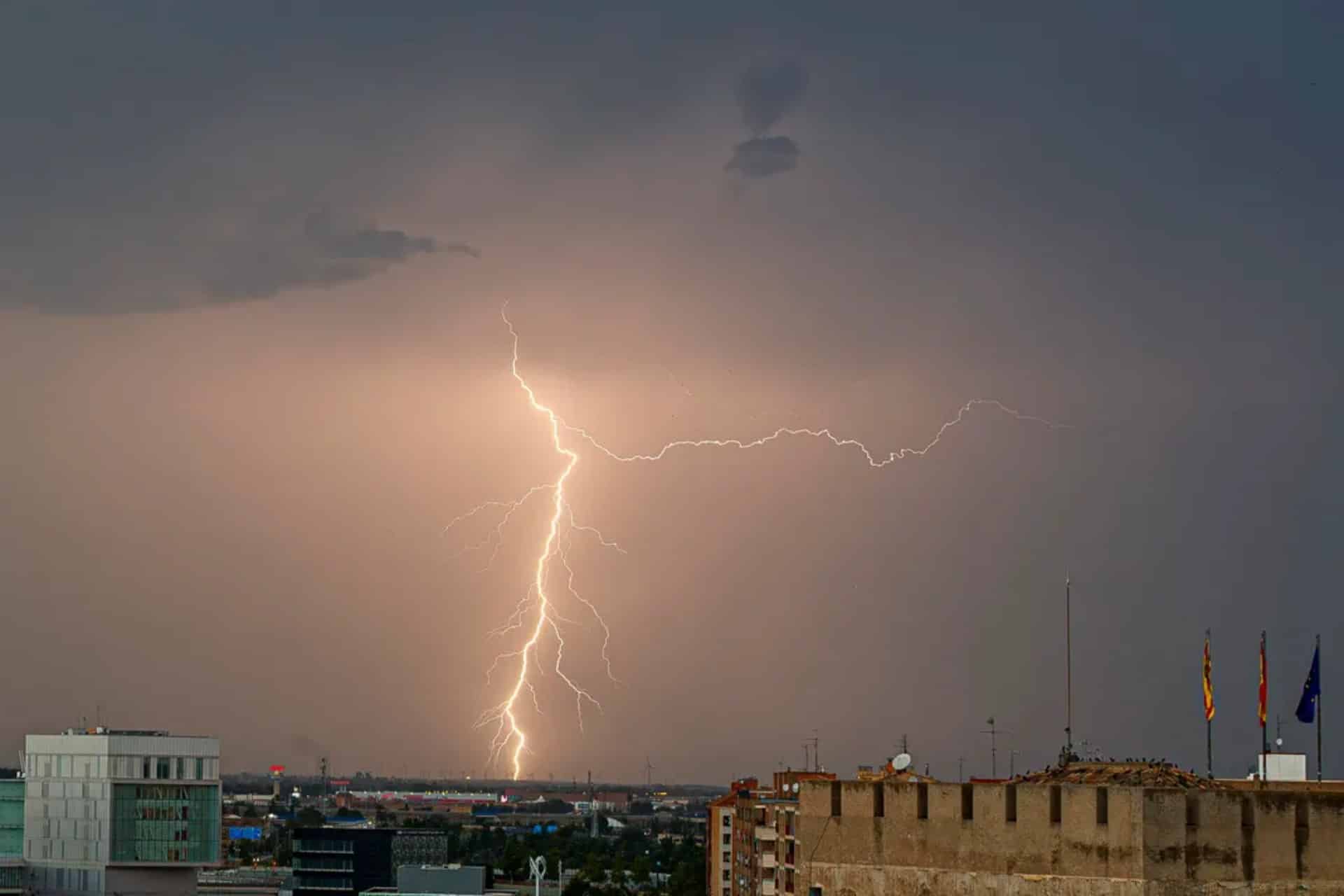
A ray is a colossal electric shock that is produced by the potential difference between the clouds and the earth’s surface. In just a fraction of a second, it releases up to one billion volts and currents that can exceed 30,000 amps. To get an idea, a domestic discharge in Europe works with 230 volts and a few amps.
The effects on the human body are devastating: immediate cardiac arrest, serious internal and external burns, irreversible neurological damage and even outbreak of organs. The survival rate is low, although there are documented cases of people who managed to survive thanks to an immediate cardiopulmonary resuscitation. However, the violence of the ray received by the motorist in Salento made any rescue attempt impossible.
The crucial difference between traveling by car or motorcycle during a storm is in the call “Faraday cage”The metal body of a car acts as a conductive shield that redirects the discharge to the ground without crossing the cabin. Thus, although the vehicle may suffer mechanical or electrical damage, its occupants rarely are in danger.
The motorist, on the other hand, is totally exposed. The motorcycle does not have a closed structure that channel electricity. In case of impact, the driver’s own body becomes the best “path“For discharge. The risk increases even more if the asphalt is wet, since the surface facilitates conductivity.
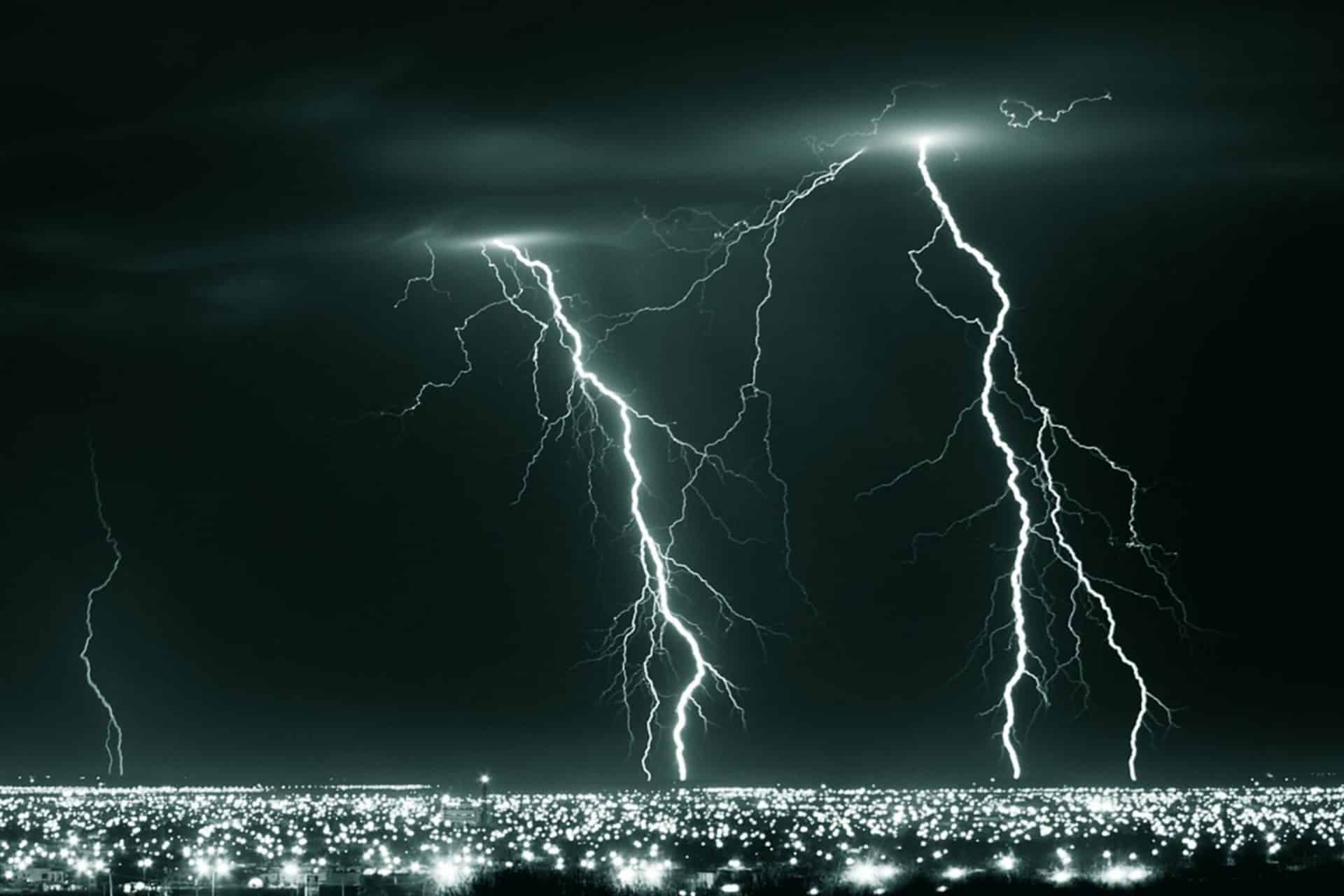
Most motorists tend to worry more about adhesion, visibility or aquaplaing when they circulate in the rain. However, the threat of rays is much more serious than is thought. Neither the helmet nor the technical clothes offer any protection against an electric shock of these dimensions.
Unlike other dangers of driving, the impact of lightning does not give maneuvering margin: it occurs in thousandths of second and the possibility of surviving depends almost exclusively on not being in the trajectory of the discharge.
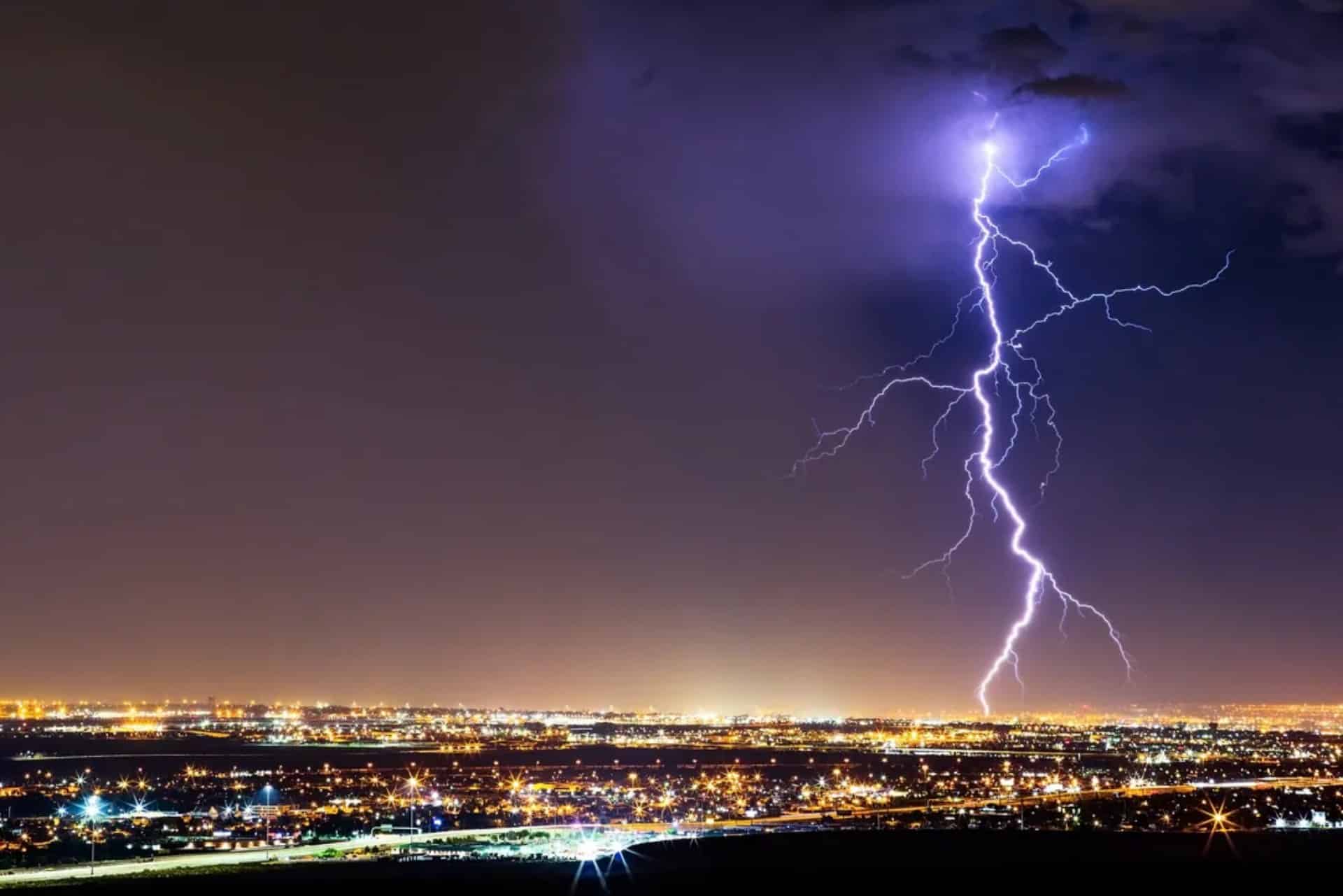
What to do if you are surprised by a motorcycle storm?
- Stop as soon as possible and seek refuge in a building or, failing that, inside a car.
- Do not get under isolated trees, metal posts or lonely structures, since they act as natural lightning rods.
- Avoid open fields and aquatic areas, where the exhibition is greater.
- Staying away from the motorcycle once parked, as its metal structure next to being supported by the side leg, can attract the discharge.
- Consult the weather forecast before undertaking a long trip, especially in regions where summer storms are frequent.