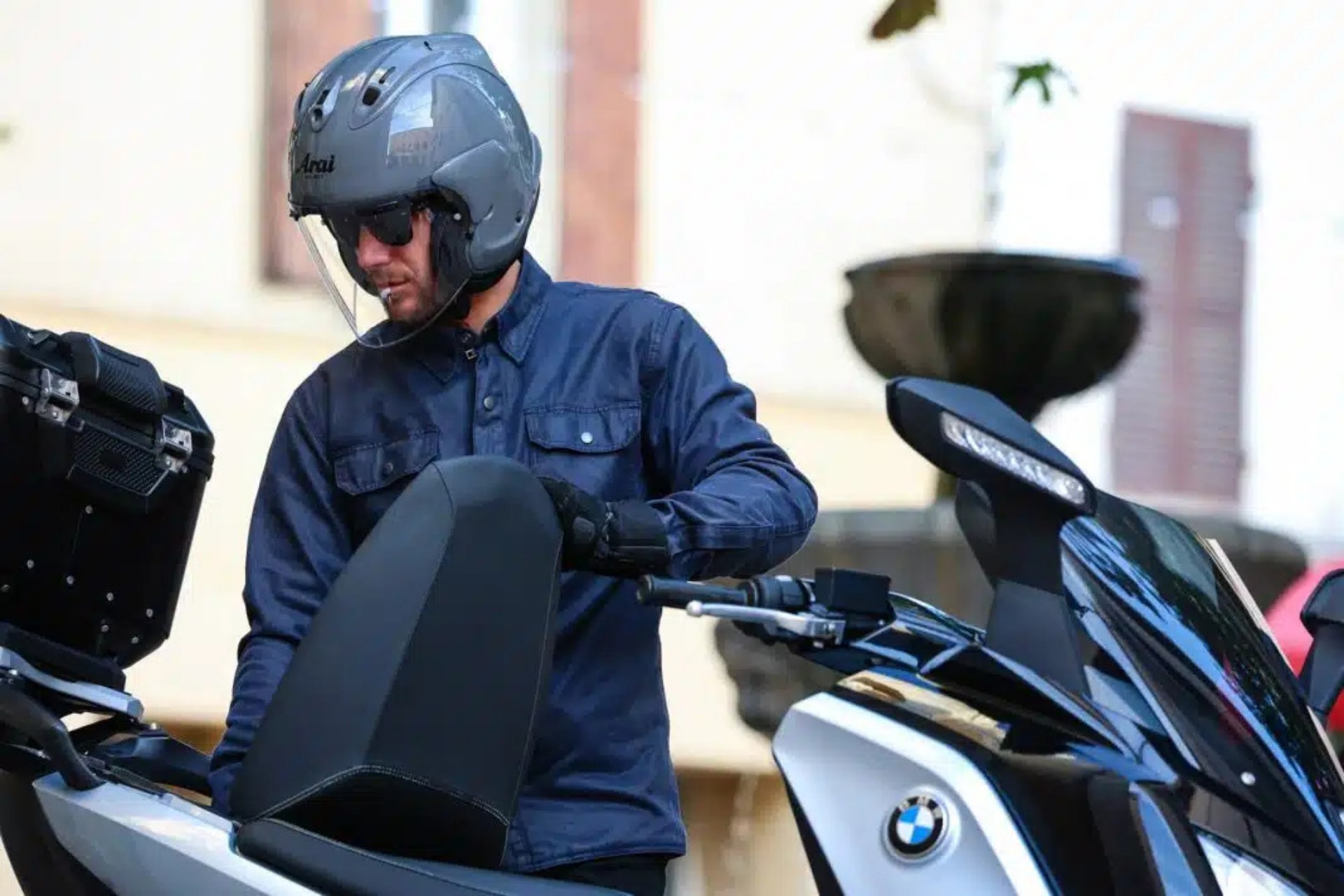
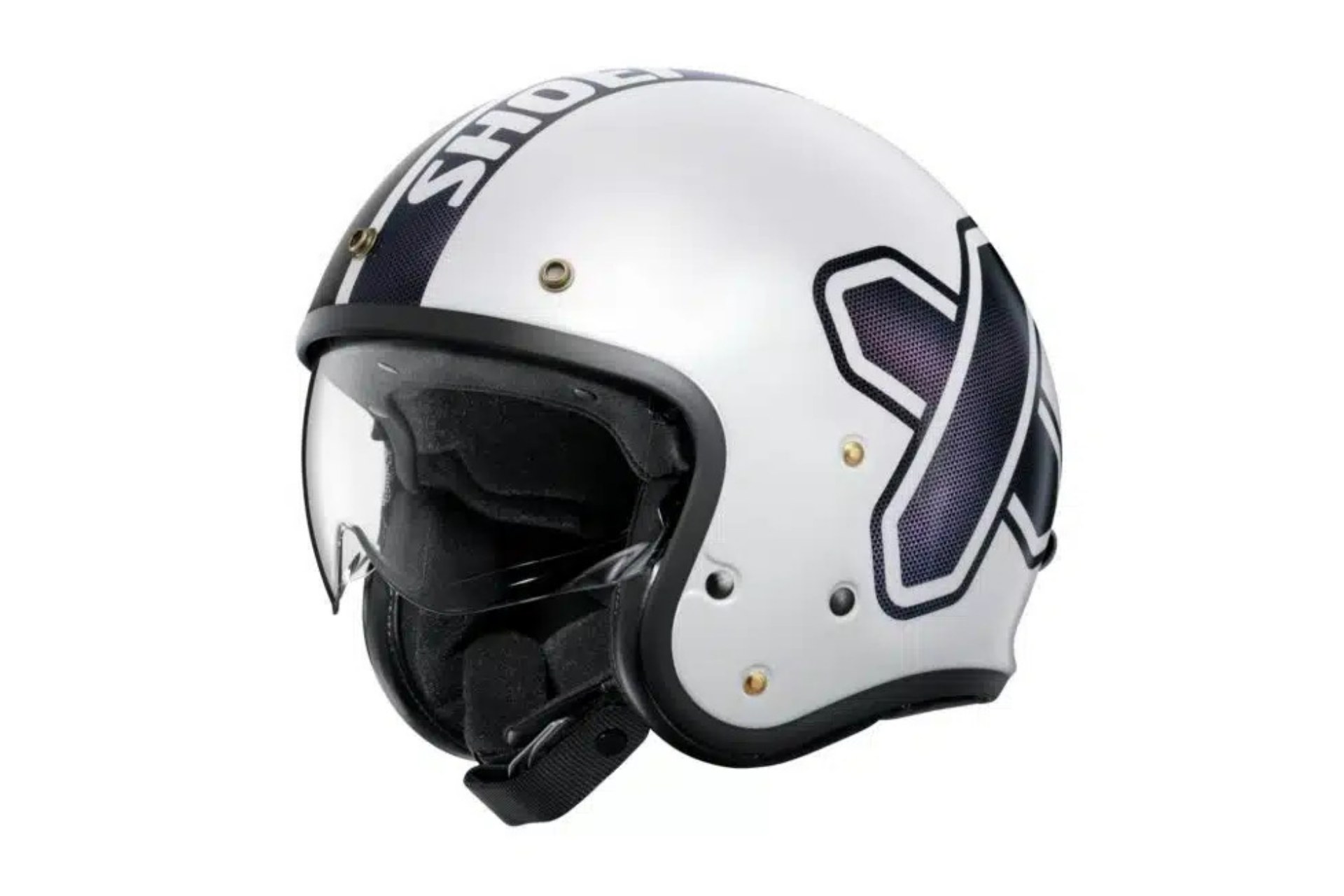
The possibility that the General Directorate of Traffic implement its new measures to improve the safety of motorists has ended up generating enormous confusion among users. In recent weeks, reports have multiplied that “open or jet-type helmets” were going to disappear from Spanish roads and would even stop being sold. However, the reality is very different.
As we are telling you, the National Association of Companies in the Two Wheel Sector (ANESDOR) wanted to settle the debate with a statement in which it firmly stated that jet helmets are not prohibited and that, as of today, there is no regulatory change that prevents their use.

The DGT studies measures, but the regulations have not changed
The origin of the controversy dates back to last January, when the DGT announced during the presentation of the accident balance that it was analyzing different initiatives to reinforce the safety of motorists. These included the possibility of requiring the use of full-face or modular helmets on certain road trips.
However, that proposal was never accompanied by a regulatory text or a date for its entry into force. Since then, no modification of the General Traffic Regulations that changes the current rules on the use of helmets has been approved.
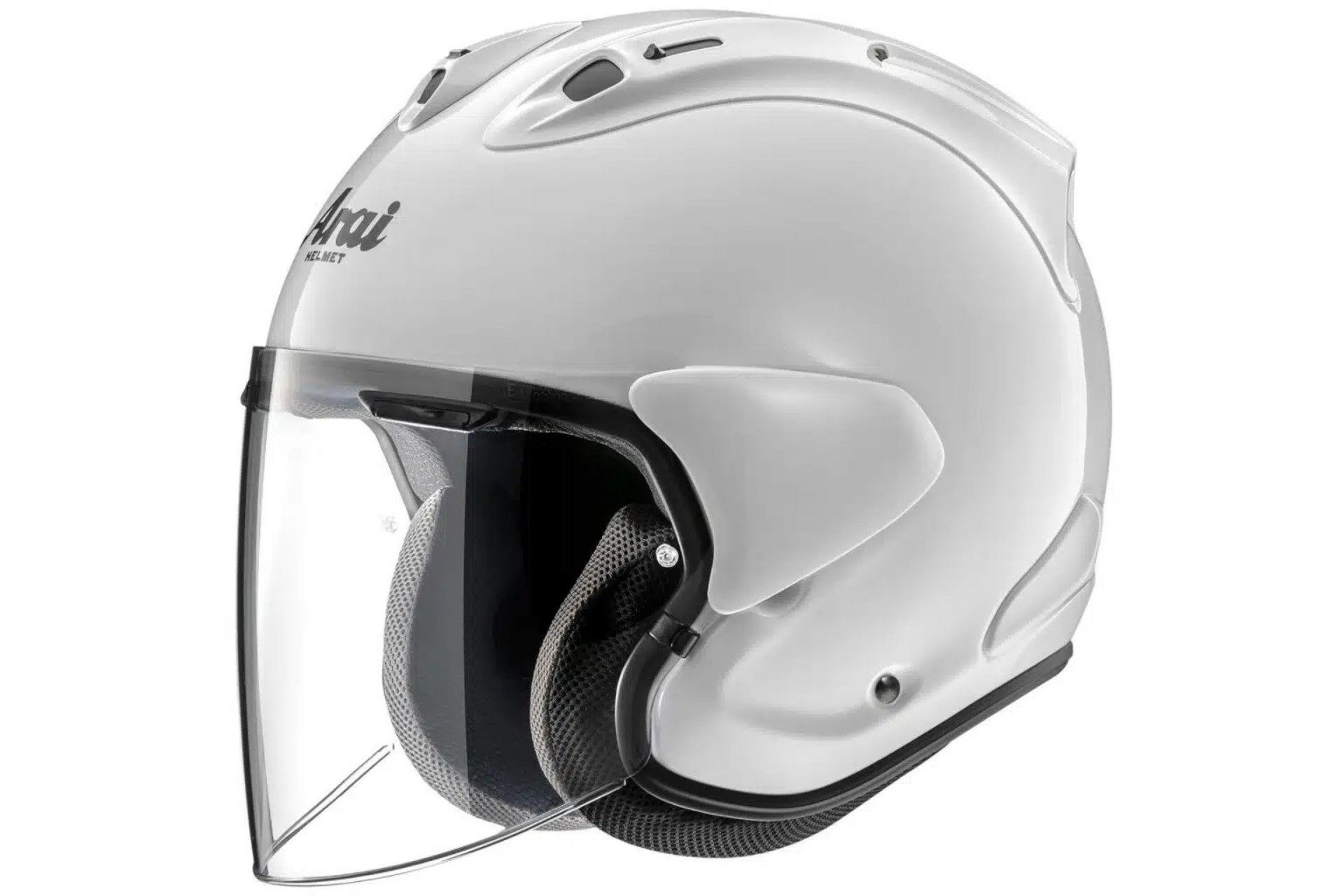
Despite this, various publications and information disseminated in recent months have led many users to think that open helmets were already prohibited or that they would soon no longer be legal.
ANESDOR insists that none of these statements are true.
Open helmets comply with current approval. The employers’ association reminds that all helmets legally marketed in Spain must comply with current international approvals, both the ECE R22.05 like the most recent ECE R22.06.

This means that an approved jet helmet offers the required protection for the head and passes all the impact tests established by regulations. The difference with respect to a full-face helmet is not in the cranial protection, but in that the latter also incorporates a chin guard that protects the chin area.
For that reason, ANESDOR considers that there is no basis to affirm that open helmets are unsafe or illegal, since all approved models meet the established requirements to be marketed and used in Spain and in the rest of the countries that apply the UNECE regulations.

However, a possible restriction would obviously have consequences for thousands of users. The association also warns that a possible limitation on the use of jet helmets on interurban roads would have a much greater impact than it might seem.
As we all know, many trips between municipalities, rural areas, coastal areas or off-road tours are made at moderate speeds, where this type of helmet continues to be a common option. In addition, it is also part of the equipment of many professionals who use motorcycles on a daily basis.
Among them are delivery drivers, postmen, local police, maintenance personnel or forest surveillance services, who frequently travel on conventional roads during the development of their work.
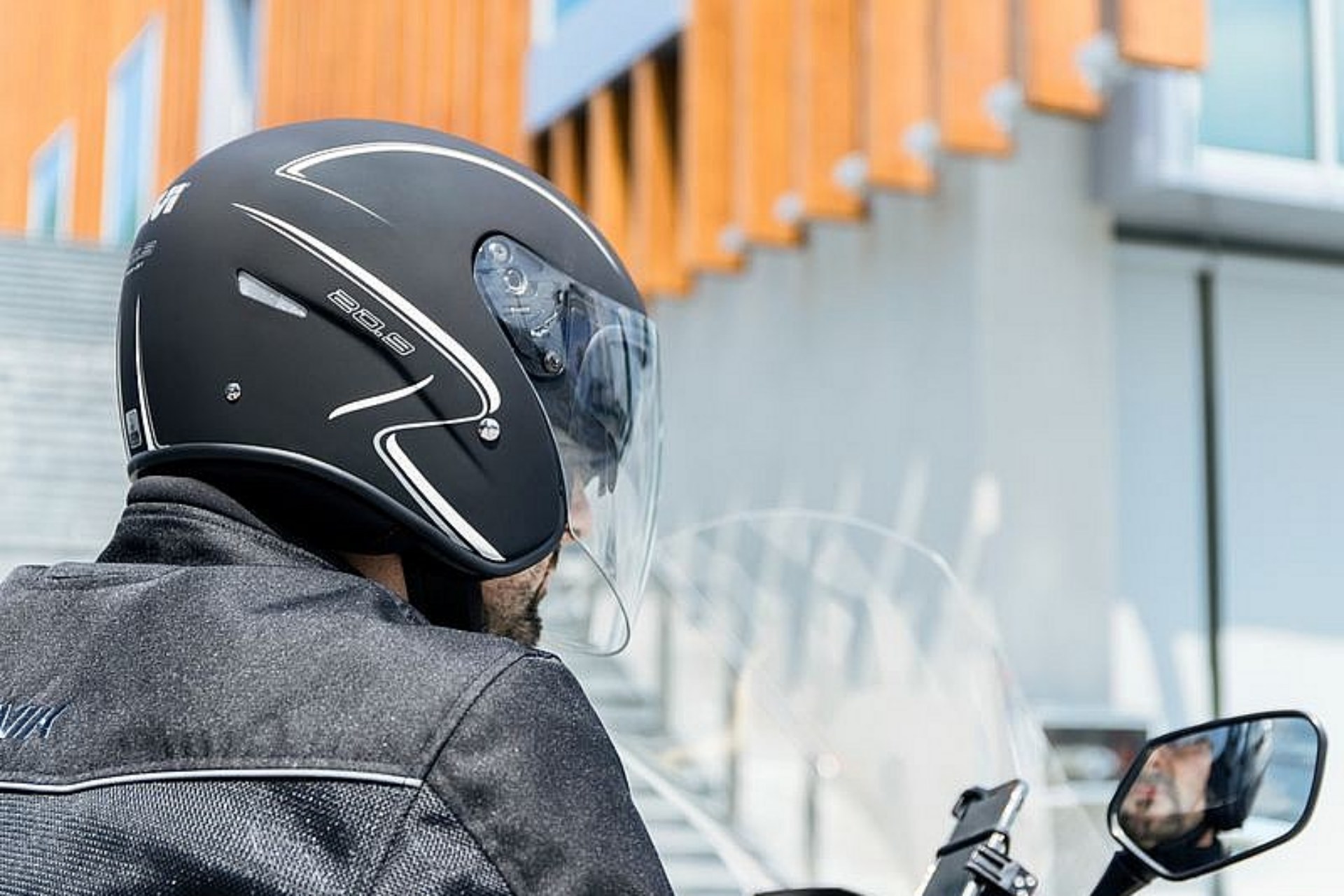
ANESDOR adds another important factor: during episodes of intense heat, especially common in much of Spain during the summer, open helmets can offer greater ventilation, helping some users to ride in better comfort conditions.
The industry believes there are more effective measures to improve safety. The association considers that increasing the safety of motorcyclists involves other actions, rather than limiting the use of a type of helmet that complies with all European regulations.
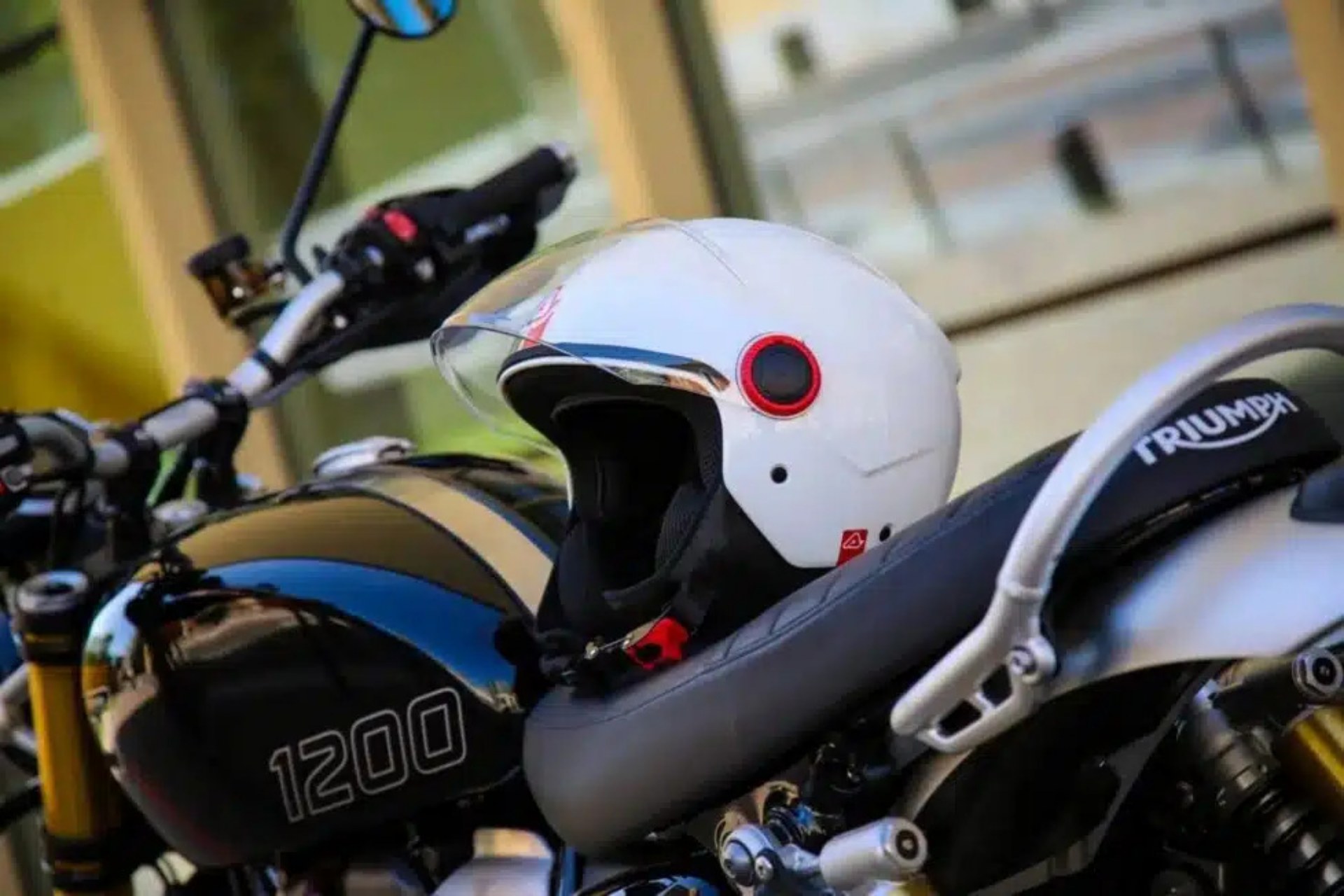
ANESDOR recommends raising awareness about other more important recommendations
Among the priorities proposed by the sector are encouraging the renewal of old helmets with models with more recent approvals, insisting on the importance of choosing the appropriate size, remembering the need to wear the helmet correctly fastened, and reinforcing surveillance to prevent the sale of counterfeit or unapproved products.
They also consider it essential, as we are telling you, to continue raising awareness about the use of complete protective equipment, including jacket, gloves and appropriate footwear, so that each biker can choose the most appropriate material according to the type of journey they are going to make.
ANESDOR asks to end the rumors
The secretary general of ANESDOR, José María Riañorecognizes that during these months a large amount of incorrect information has been generated about jet helmets.
As he explains, the new DGT rule He never talked about banning these helmets, but only about studying a possible limitation of use in certain circumstances. For this reason, the organization calls to avoid continuing to spread erroneous information that generates uncertainty among motorcyclists and also affects manufacturers, distributors and businesses in the sector.
“As long as there is no approved and published legal modification, approved jet helmets remain completely legal to circulate in Spain, exactly the same as full-face and modular helmets.”