The electric motorcycle industry is hit hard again. On this occasion, the protagonist is Savic Motorcycles, a small Australian company that was born in 2016 with the ambition of demonstrating that it was possible to manufacture a high-performance electric motorcycle, with its own personality and an aesthetic capable of conquering even the most traditional fans.
Ten years later, and after having managed to register its first production motorcycles, the company finds itself in a critical financial situation. On November 17, 2026, it entered into a voluntary administration procedure, a figure in Australian law similar, although not identical, to the Spanish bankruptcy.
The specialized firm WCT Advisory Group has assumed the administration of the company and will be in charge of searching for possible buyers interested in continuing the project. For the moment, this does not necessarily mean the definitive closure of Savic, although its future is conditional on the appearance of an investor.
From a promising electric café racer to fighting for its survival
Founded by engineer Dennis Savic and based in Melbourne, the Australian company opted from its inception for a concept quite different from that common among electric motorcycle manufacturers. Instead of focusing on urban mobility, scooters or small displacements, Savic wanted to conquer the motorcyclist who is fond of performance and design.
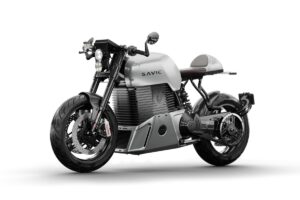
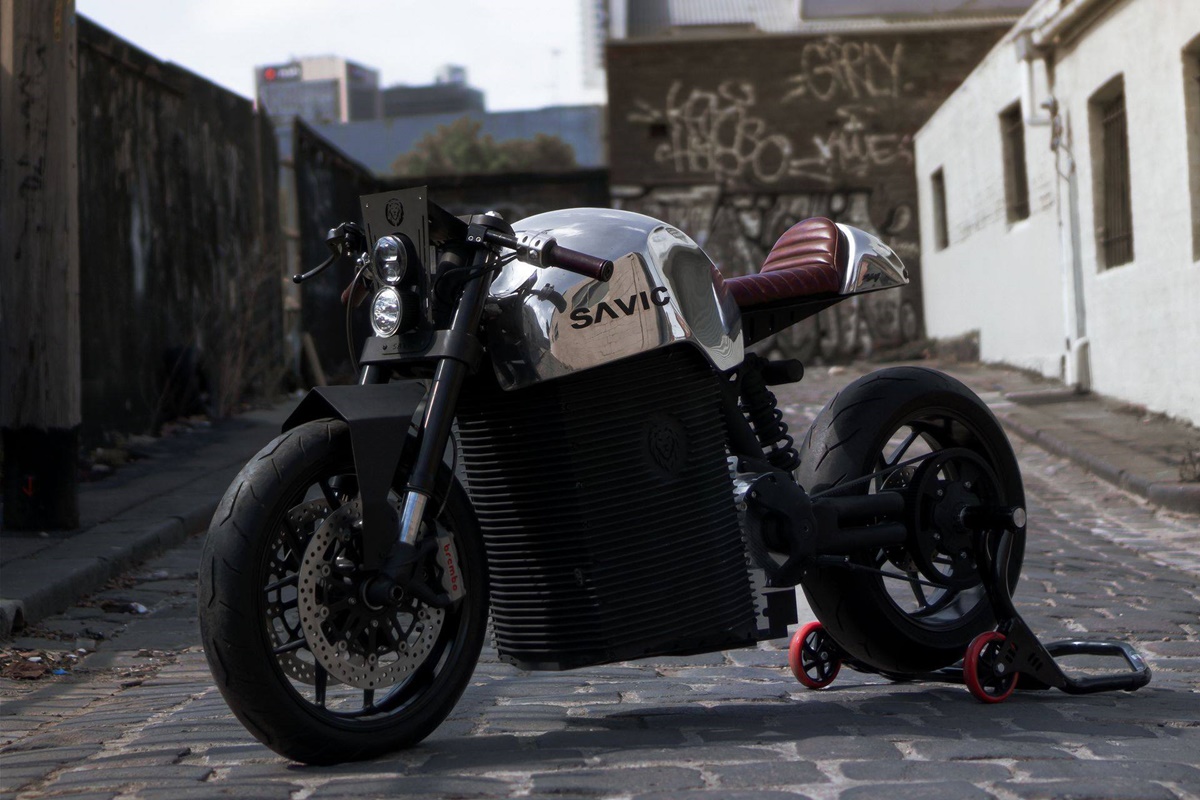
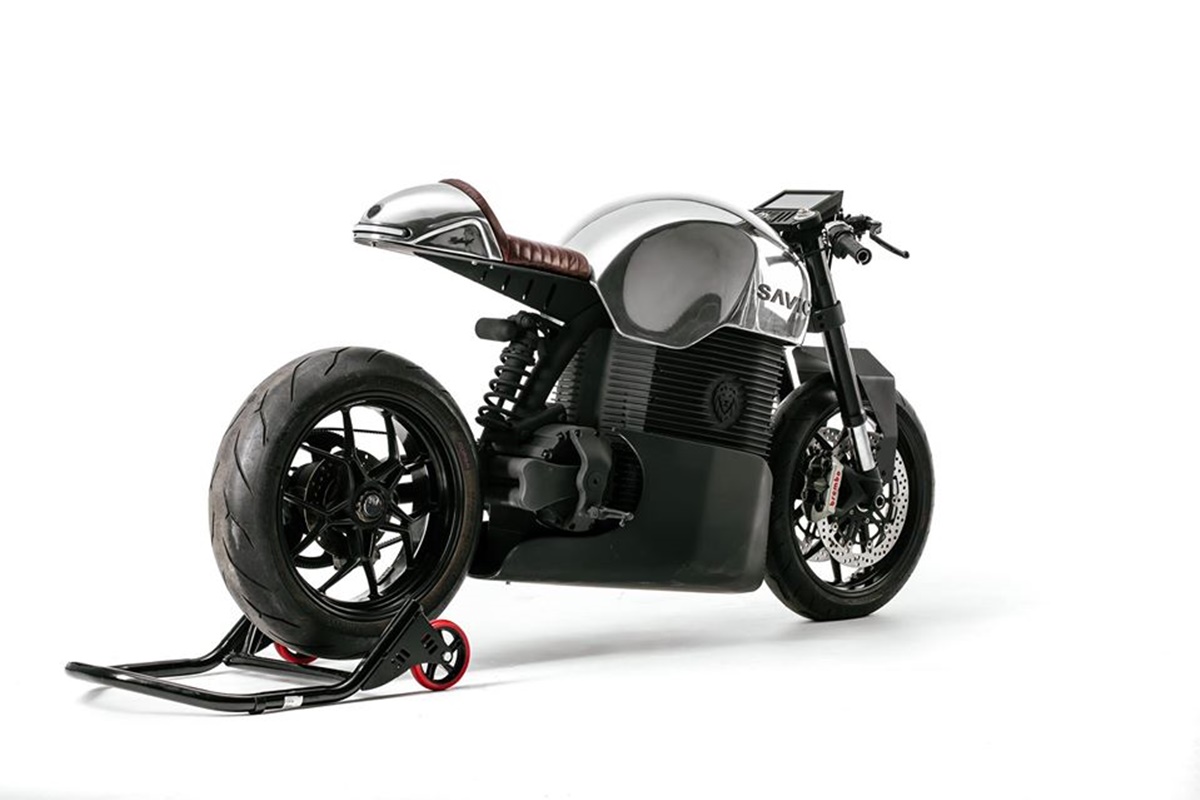
The result was the Savic C-Series, a spectacular electric cafe racer with a muscular appearance, with a huge set of batteries located where we would traditionally find the combustion engine, a single-sided swingarm and an aesthetic that combined classic elements with other decidedly futuristic ones.
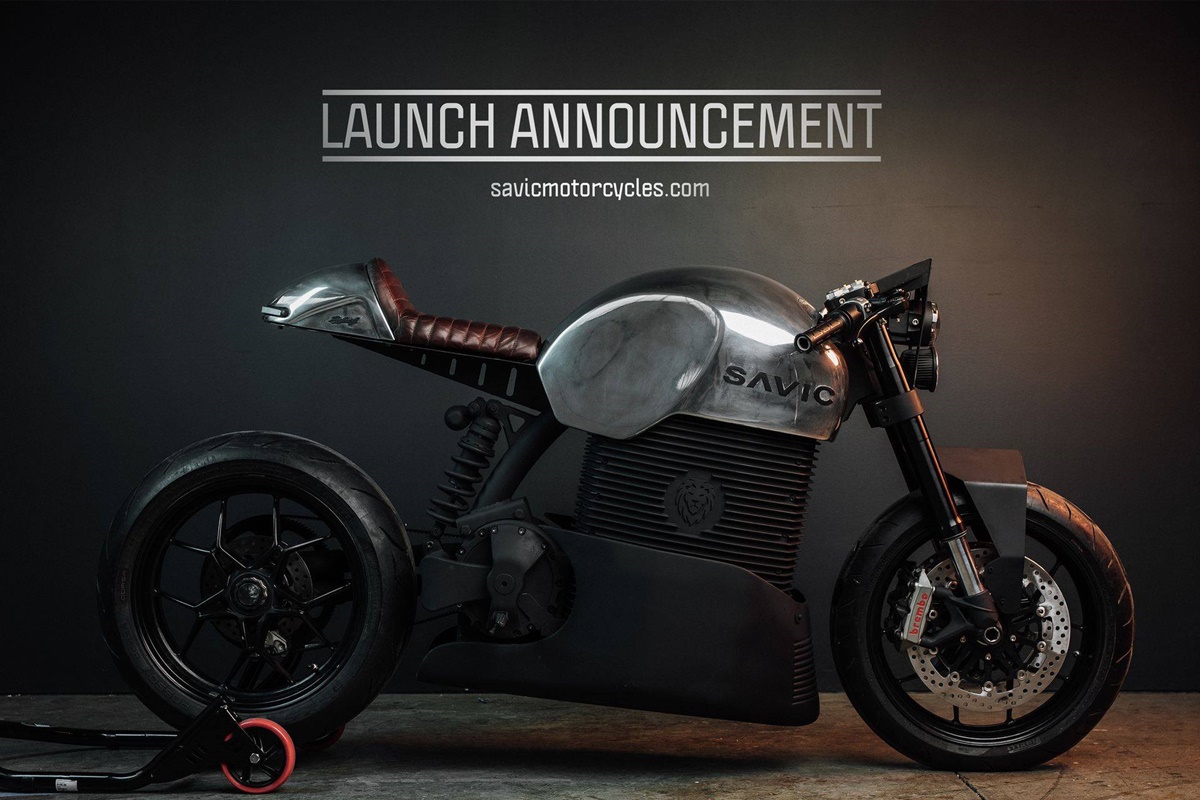
In its 2025 Alpha configuration, the most performance-oriented in the range, it announced a 60 kW (81.6 HP) electric motor and 200 Nm of maximum torque. Enough figures to accelerate from 0 to 100 km/h in just 3.5 seconds, while its 16.2 kWh battery made it possible to homologate performance and announce a range of around 200 kilometers.
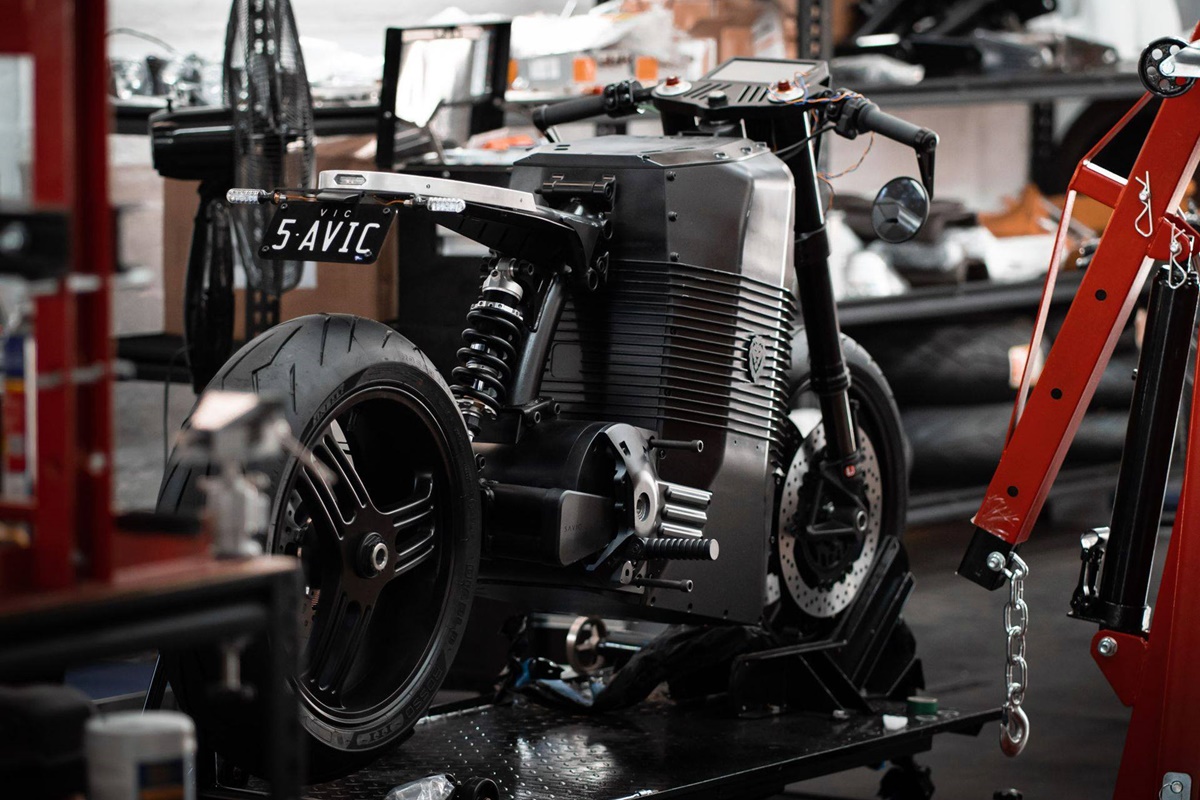
The secondary transmission using a toothed belt, the absence of a gearbox and the integration of the electrical assembly as a structural element of the chassis were some of its technical peculiarities. It also had a variant called Delta, cheaper and less powerful.
Savic had managed to overcome one of the most complicated barriers for any newly created manufacturer: going from a prototype to a production vehicle, approved and marketed. Deliveries to customers began in 2025 and the next objective was to considerably increase its production capacity.
He was looking for 15 million Australian dollars
The most striking thing about the situation is that just two months ago Savic Motorcycles announced a new international growth strategy. The intention was to find industrial partners, investors or even buyers that would allow them to take advantage of all the engineering work developed during the last decade.
According to Visordown, Savic was looking for a capital injection of around 15 million Australian dollars to take the next step in its expansion. And the true value of the company did not reside exclusively in its motorcycle. Savic had developed its own technology related to electric propulsion systems, electronic vehicle management, software, connectivity and industrial design. A technological platform on which new motorcycles could be developed without having to start completely from scratch.
However, designing a good motorcycle and manufacturing thousands of units profitably are two completely different issues. Industrialization, logistics, approval in different markets, the creation of a commercial network and after-sales service require investments that are difficult for a small company to assume without the support of a large business group.
Savic’s board of directors have precisely recognized the enormous economic difficulties involved in building a vehicle manufacturer from scratch in Australia. They have also highlighted that the company has an order book, self-developed technology and a team with extensive engineering knowledge.
The first meeting of creditors is scheduled for November 27, while the initial deadline to submit acquisition proposals will end on November 30.
The complicated reality of high-performance electric motorcycles
The case of Savic Motorcycles once again puts on the table the delicate situation faced by manufacturers specialized in high-performance electric motorcycles. It is not necessary to go back too far in time to remember the financial problems of Energica, one of the brands that had made the most progress in this field and which ended up entering insolvency proceedings in 2024.
Unlike what happens with electric scooters intended for urban commuting, high-powered motorcycles face a particularly complicated equation. Achieving performance comparable to that of a combustion motorcycle is relatively easy thanks to the immediate delivery of torque from the electric motors. The really difficult thing is to do it while maintaining a low weight, sufficient autonomy, reasonable recharging times and, especially, a competitive price.
Furthermore, the motorcyclist who purchases a high-performance sports car or naked bike is not always looking for a rational means of transportation. The mechanical sensations, the sound, the gear change or even the particular character of each engine architecture continue to have an enormous weight in the purchasing decision. All of this reduces the potential market for motorcycles that, paradoxically, need to achieve a high production volume to amortize their development costs.
For now, Savic Motorcycles still has a chance to survive. Its technology, facilities, accumulated intellectual property and a motorcycle that has already proven to be commercially viable as a product could spark the interest of a manufacturer or investment group.