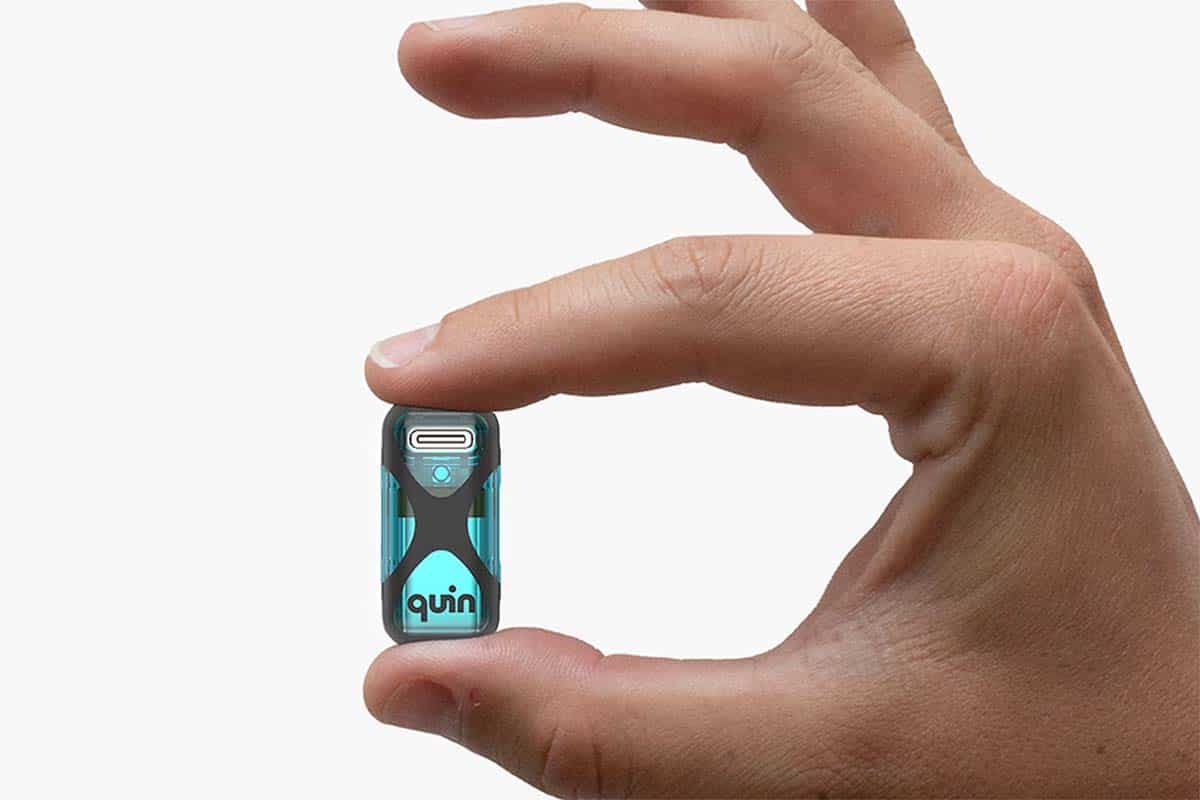
As a general rule, motorcycle technology usually focuses on researching how to avoid an accident. But once it happens, there is a whole world of possibilities to try to minimize the consequences. This is precisely where Quin comes in, a small device that, without being revolutionary in concept, can help a lot in the event of an accident.
The origin of the project comes from a close experience. In reality, as MCN reports, it emerged after a real accident in 2017, when a friend of the founder was trapped for hours after going off the road. From there, the objective was clear: reduce response time.
In reality, the idea is not complex and in fact we have already seen it in different versions. If there is a fall, the system detects it and warns. But what’s behind it is. Quin does not limit himself to issuing an alert, he also records what has happened with considerable precision.

In addition, everything depends on a small device, the Quin Pod, which is integrated into the interior of the helmet. It is connected to the mobile phone via Bluetooth and while driving, it collects data in real time. According to its developers, it would be capturing more than 5,000 parameters per second.
This amount of information is achieved by combining several sensors: accelerometers, gyroscope and temperature. Not everyone works the same. One measures softer impacts with high sensitivity, another is prepared to register higher forces more quickly. The result is a system capable of interpreting what type of blow has occurred.
What does Quin do when he detects a fall?
When the system identifies an accident, it acts automatically. It first sends an alert to three pre-configured emergency contacts, including location. From there, the user has a few seconds to cancel the notice if it is not necessary.
If you don’t, the system moves on. In its most complete version, it can share information with emergency services: from the severity of the impact to the angle or area of the head affected. Not only does it give the warning, but it offers a “context” about the real situation.
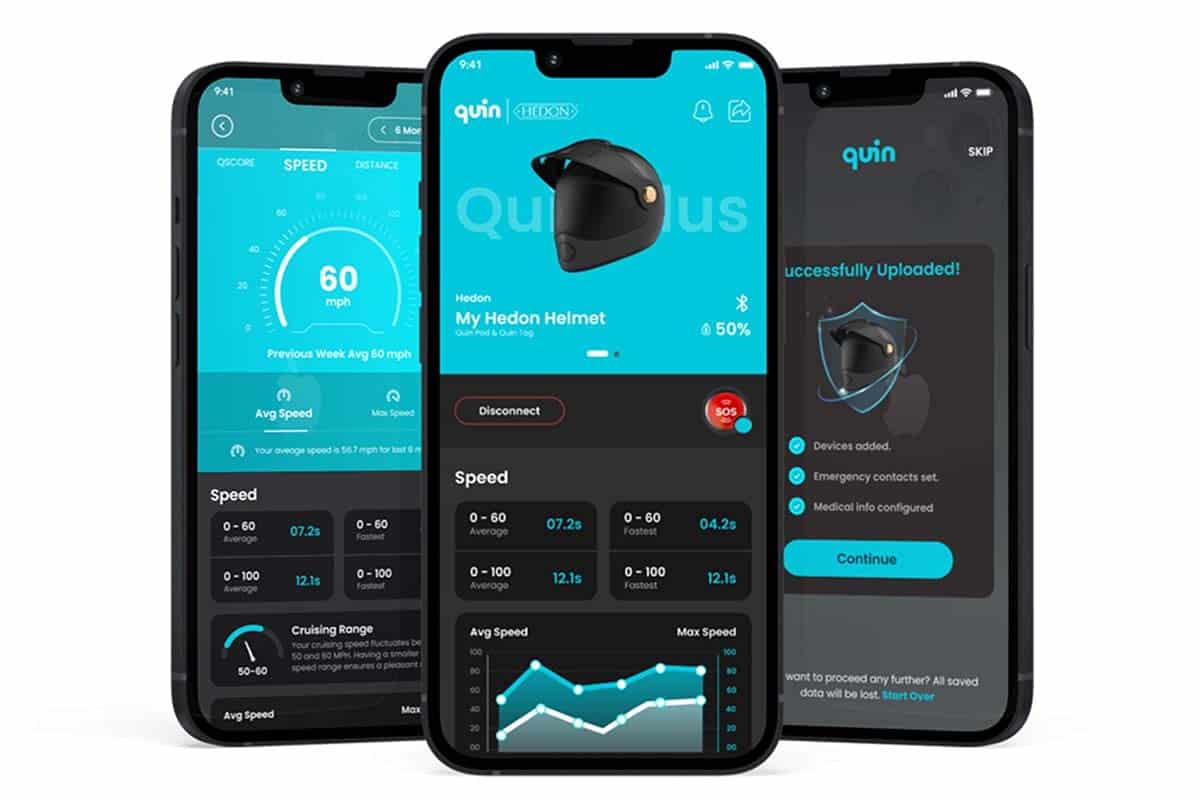
And there is another fact to take into account: the system is capable of measuring the difference between impacts. Thanks to the gyroscope, it allows us to analyze movements in three dimensions and also detect rotational impacts, which are usually the most problematic in terms of injuries. In addition, the system continues to work even if the contacts do not have the app installed. In that case, they receive a message with a link to the accident information.
The technology is already beginning to be integrated into real models. Brands like Nolan have been among the first to incorporate it, although they are not the only ones. The idea is that it ends up spreading to more manufacturers and segments, becoming another part of the helmet.