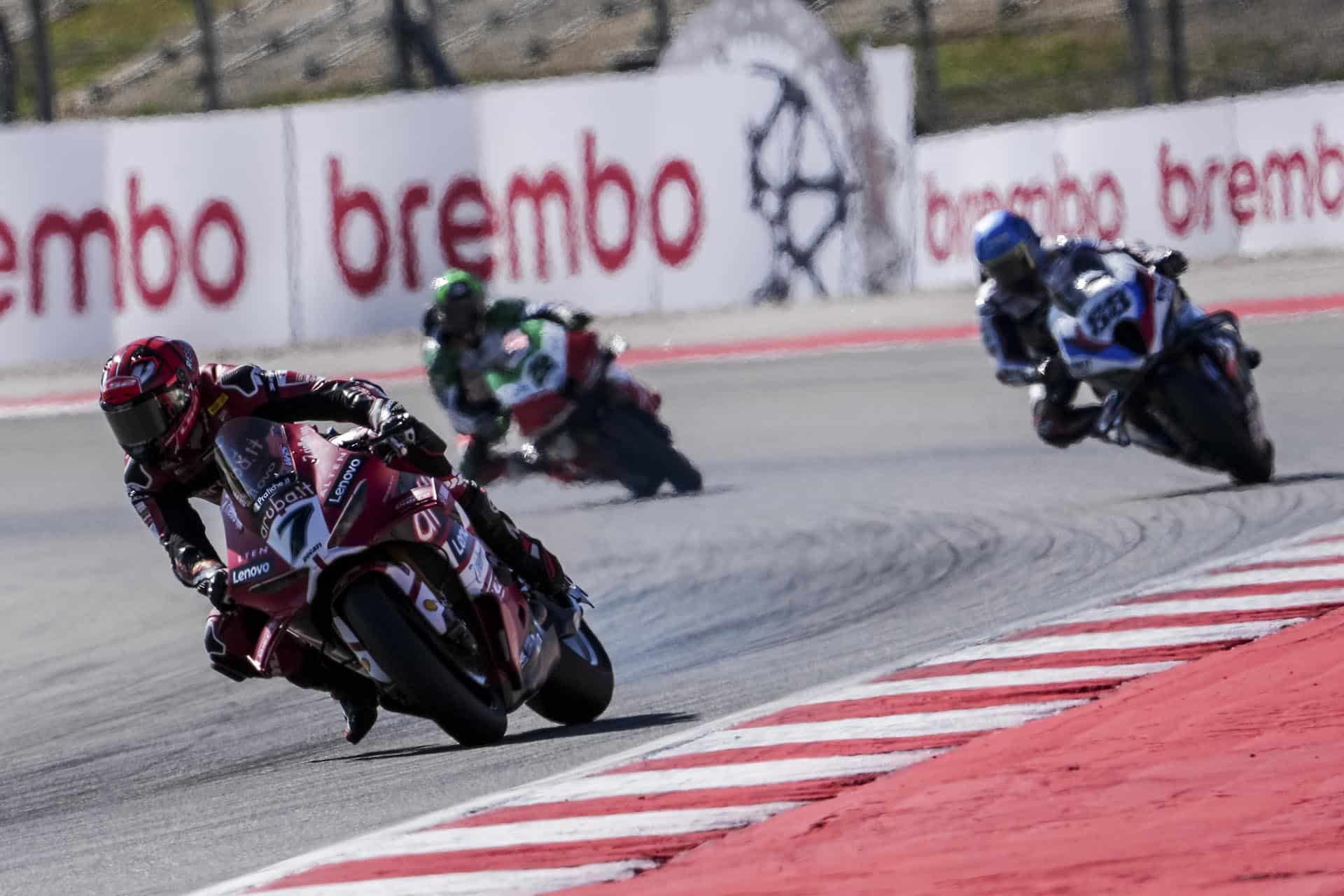
The Superbike World Championship has on its grid Ducati, Bimota, Kawasaki, BMW, Honda and Yamaha included in various teams. A wealth of brands that, in turn, is a puzzle when seeking the greatest possible equality. And, unlike MotoGP, the evolution is much more controlled.
While in the prototype category the aim is to give advantages so that brands with less performance advance and get closer to the lead, in the World Superbike it is the opposite: there are restrictions on the models that dominate.

It makes all the logic in the world because, as we say, the motorcycles are derived from the series, and that implies that they can have configuration advantages that other models could not achieve. There are different points, but one of them influences the fuel flow that each of the models can have, and which the organization controls.
The 2026 Superbike World Championship is being dominated by Ducati. Will there be a change in trend?
In this case, the start of the season that both Ducati and Bimota have had has meant that, starting with the race weekend in Assen, decisions have been made following the planned regulations.
Following the latest list of concessions, the FIM has determined that both Ducati and Bimota have exceeded the MSMA performance threshold detailed in Article 2.4.3.2 of the regulations and, for that reason, they will face a penalty from Assen.
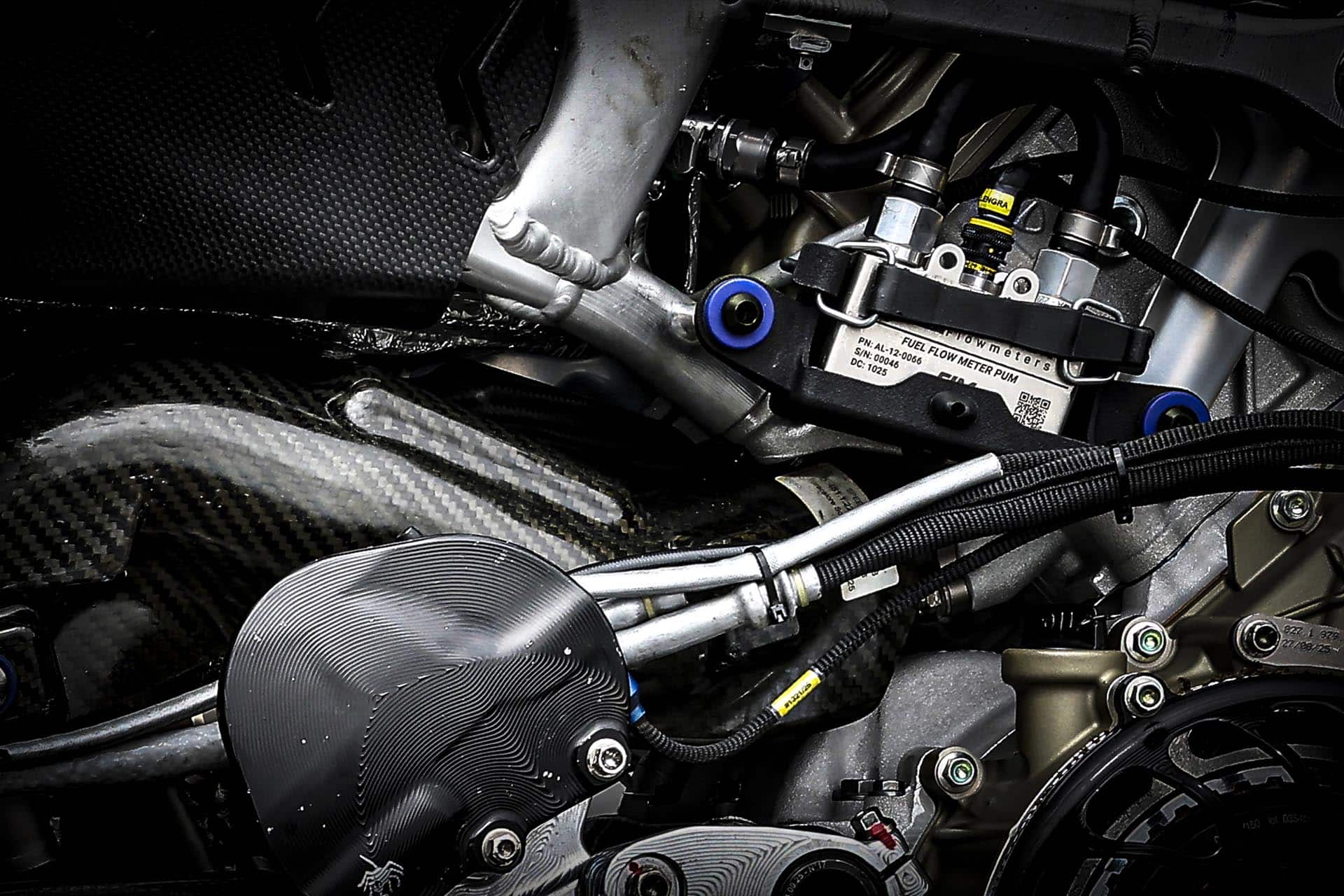
On the Dutch track, both manufacturers will receive a penalty of 0.5 kg/h in fuel flow. This penalty applies to all the manufacturer’s motorcycles even though there are riders who are not being as competitive.
Will it be enough to end Bulega’s dominance? Surely not, although it will surely make Ducati have to work a little harder to compensate for this loss of performance.