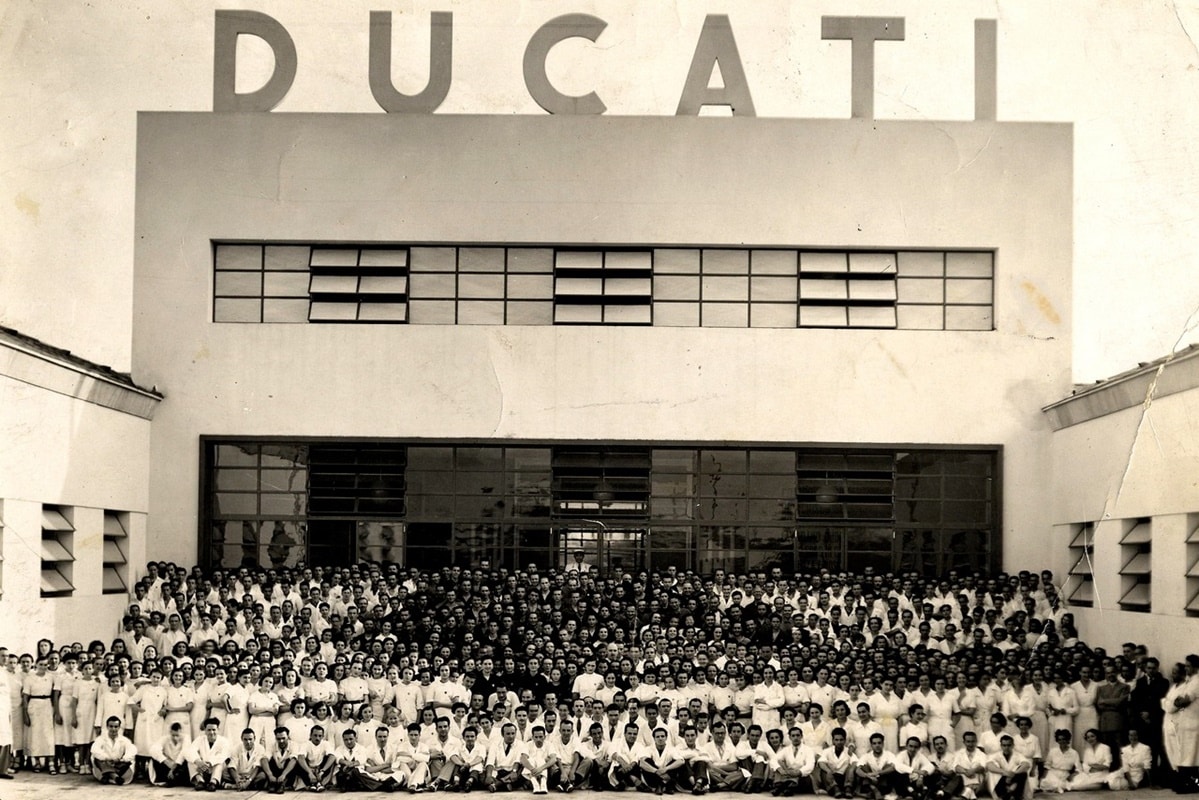
This coming month of July Ducati will celebrate its centenary events. A date etched in the history of the brand, both for what it represents to have been in business for a century, and for everything behind these last 100 years of history. And it is precisely that initial stage where the transalpine firm was dedicated to other tasks far from the two-wheeled sector, which today we want to treat with admiration and care.

History of Ducati: Foundation of the brand and early years
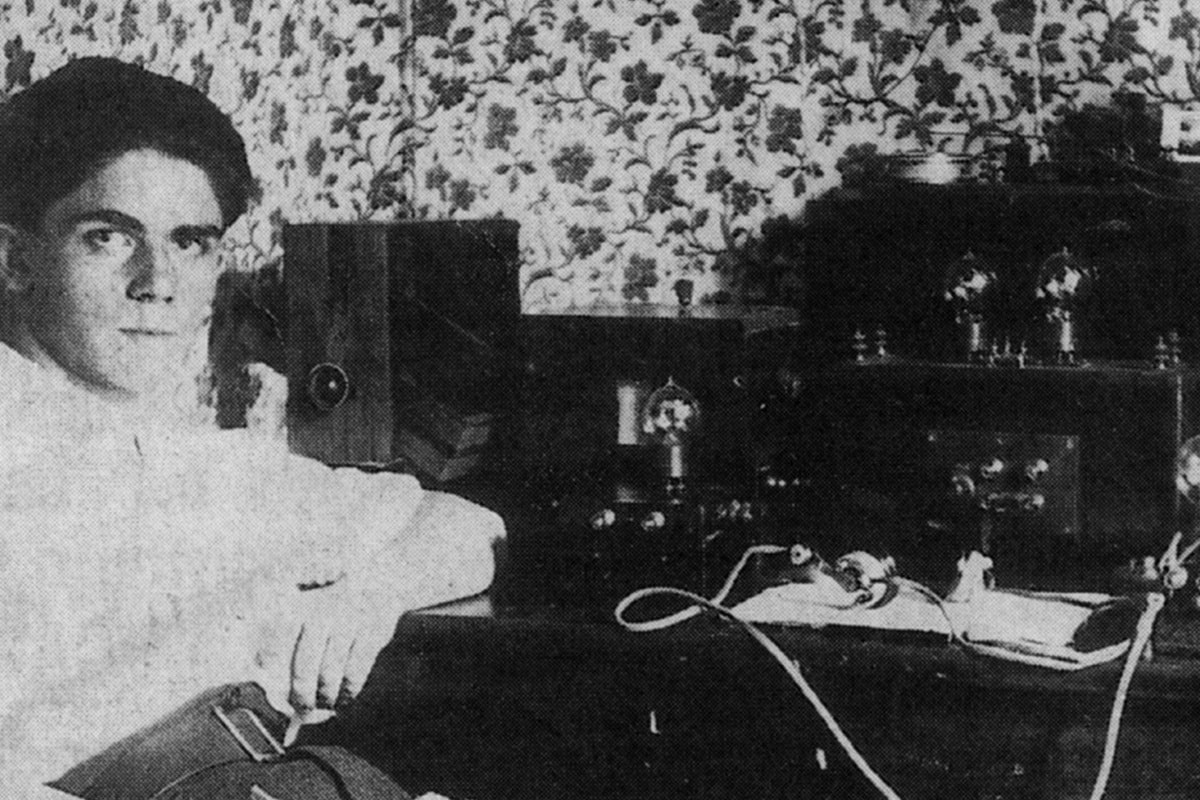
The history of Ducati begins on July 4, 1926, when Antonio Cavalieri Ducati together with his sons Adriano Bruno and Marcello founded the “Società Scientifica Radio Brevetti Ducati”. This decision was born as a result of the recent patent registered by Adriano regarding a shortwave transmitter. This was a young student of only 19 years old who had already achieved a “stable connection between Italy and the United States and the first simultaneous connection between the five continents.”
The idea was to dedicate himself fully to radio technology after developing a sophisticated electrical capacitor, the size of a two-euro coin. Marketed under the name “Manens”, A word of Latin origin that indicates resistance or strength, this element became a bestseller almost immediately, giving rise to new evolutions and increasingly advanced models.
Initially production began to take place in the basement of a building located in Via Collegio di Spagna, Bologna. Later this would move to the Ducati family home, “Villa Lydia” on Viale Guidotti 51, eventually employing more than 100 workers. At the end of 1934, the founders of the brand decided that it was time to have their own factory and, just a few months later, on June 1, 1935, the first stone of the Borgo Panigale factory would be laid.
In March 1936 it was already operational and in just a few months it had a staff of 1,400 workers. In the following years, Ducati understood the need to extend its industrial activity to other strategic technological sectors at that time. That is why the brand went from manufacturing only the aforementioned electrical capacitors to doing the same with radio equipment and the first communication systems between offices called “Dufono”.
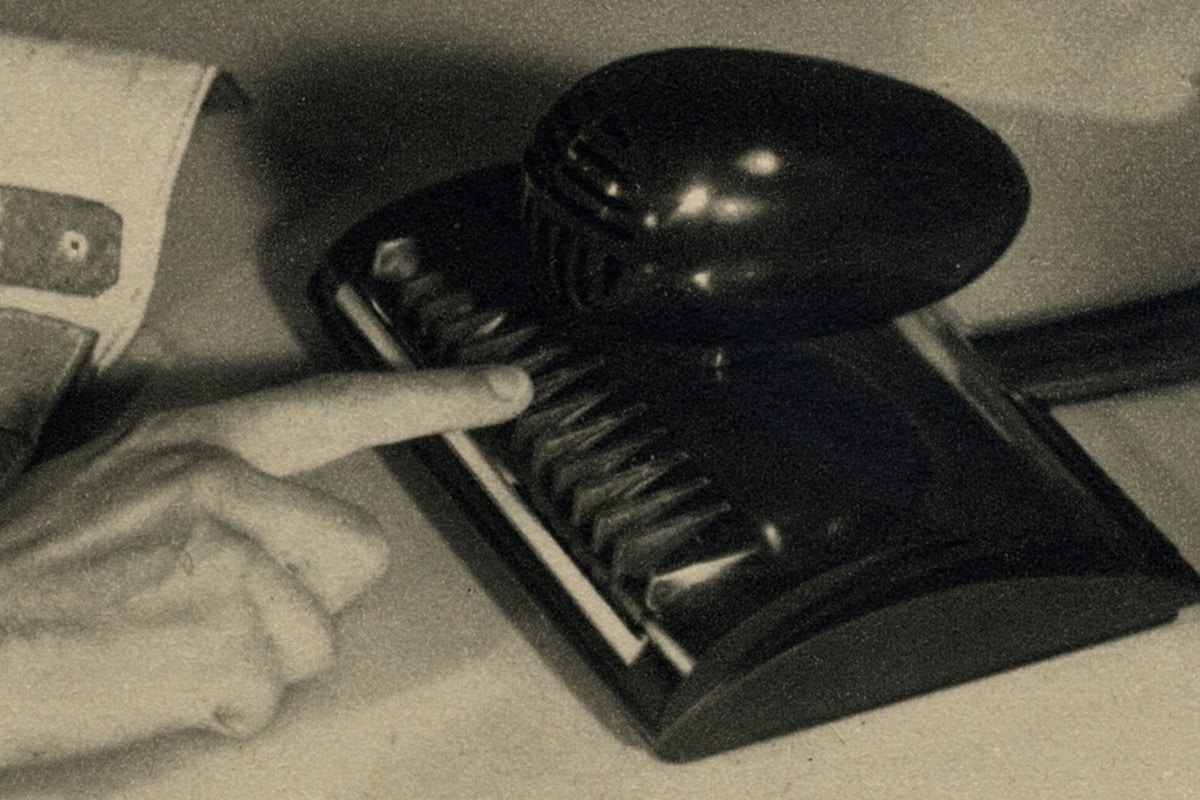
But this is not all since it also focuses on the design, development and manufacturing of other cutting-edge products. In order to achieve its objectives, shortly before the outbreak of World War II, Ducati modernized its Borgo Panigale factory in addition to inaugurating two other factories in Bazzano and Crespellano. Starting in 1938 and throughout the entire war, the Italian brand expanded its range of products, with novelties as striking and innovative as the first electric razor produced in Italy, the Raselet.
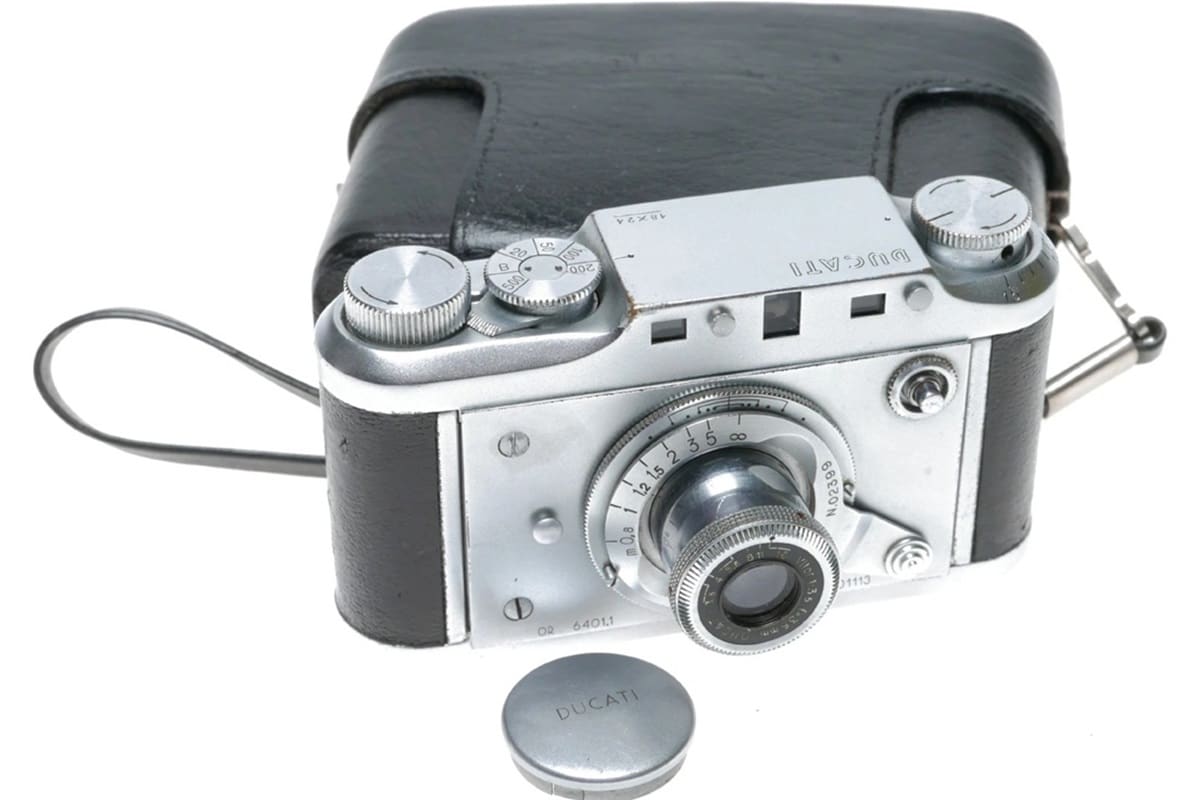
Also the Sogno micro camera, the Duconta calculator and a range of equipment such as field telephones, radio equipment and optical equipment for the Army, Air Force and Navy. Over the next five years, Ducati adapted to the difficult situation caused by the armed conflict, eventually employing thousands of people in the area. However, on September 8, 1943, the factory would be occupied by German troops, becoming, de facto, an objective for the Allied side.
On October 12, 1944, it would be bombed by American troops. This tragic end would be precisely the rebirth of the brand itself only two years later, with its sights set on the manufacture of motorized bicycles. An idea conceived after learning about the work of Aldo Farinelli, a lawyer and technical journalist born in Turin, who at that time was also a director of SIATA. At the same time, he developed and patented, together with Aldo Leoni, the Cucciolo Initially designed to motorize the common bicycle.
We are talking about a 48 cc single-cylinder engine associated with a 2-speed gearbox capable of offering a power of 1.5 HP at 5,500 rpm and reach 50 km/h maximum speed. This stood out for its incredible consumption, being able to travel almost 100 kilometers with just one liter of gasoline. Although initially it was SIATA that had the manufacturing license for this mechanism, Ducati would soon be in charge of this task, which at that time had also begun to develop precision machining products.
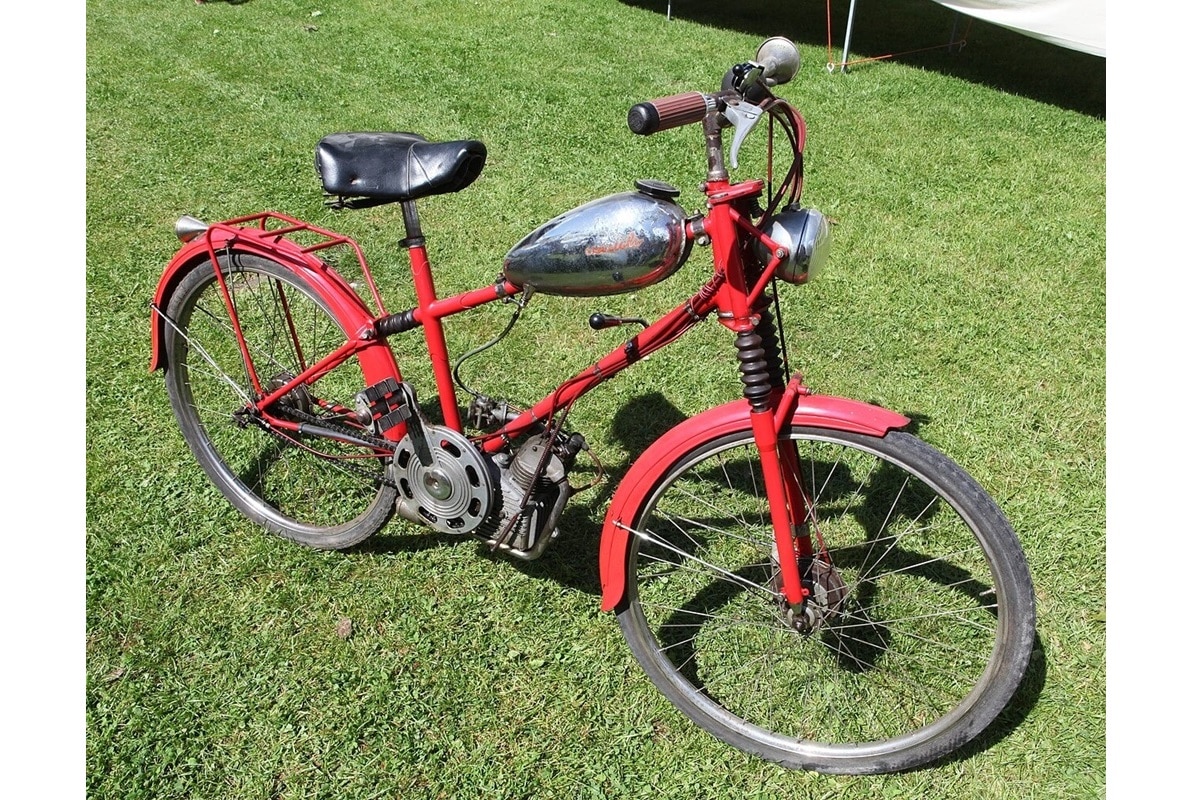
As described by Ducati: “In March 1946, the first ten Cucciolo Type 1 engines were manufactured under license from SIATA and presented at the Milan Fair in September 1946. The same year, Ducati completed its first original projects, called T2. Strongly influenced by T1, T2 stood out for some notable advances in terms of engine efficiency and robustness but, most importantly, in its structural logic.”
As for the bicycle model itself, marketed under the same name as the engine itself, it included, among others, a strong frame for the time where the engine was suspended from its lower part. It also equipped a luggage rack and independent telescopic suspensions. Ducati even dared with a sports version which offered 2 HP of power and declared a maximum speed of 60 km/h.
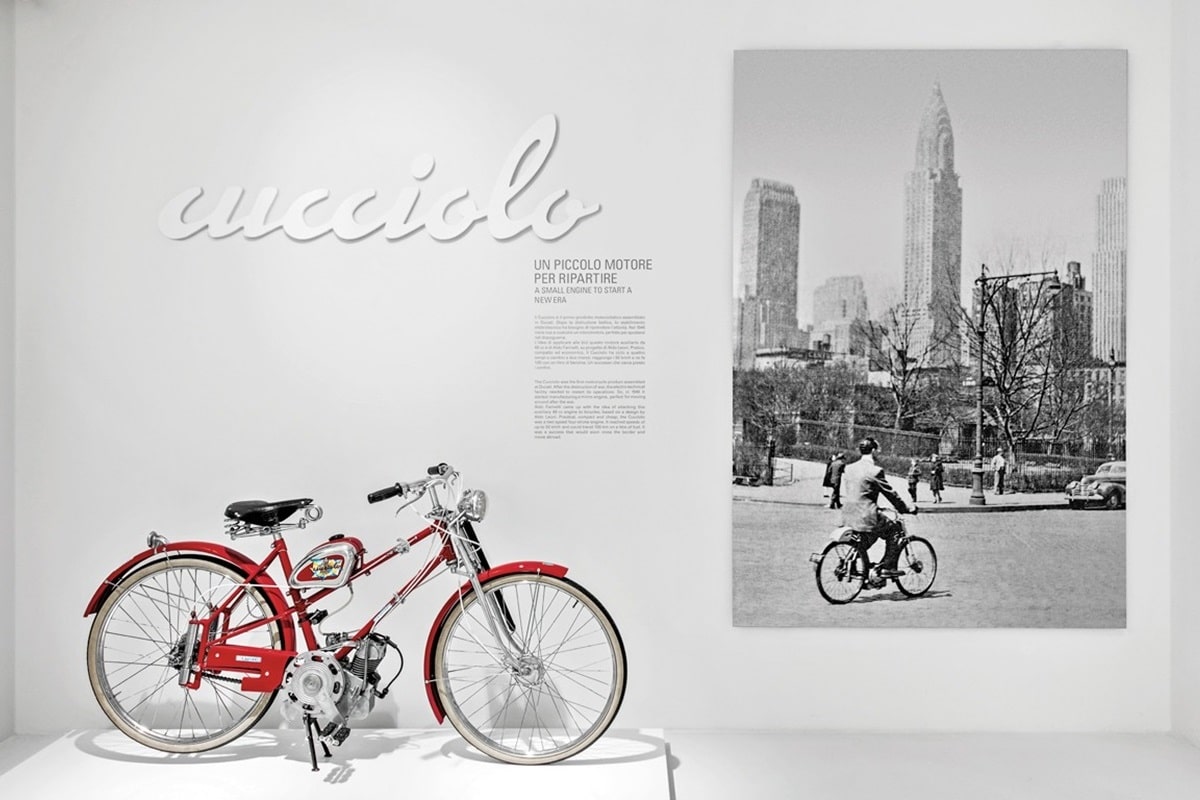
A year later the Borgo Panigale factory manufactured around 240 units per day of its first motorized model. For 1948 with Giovanni Florio at the helm, Ducati developed the third version of the engine, the T3, this being designed entirely by the brand itself. Later Caproni, a Trento aircraft manufacturer at the time, would design a special tubular frame including a rear suspension system that ended up evolving into the Ducati 60, a “light motorcycle” model in its entirety.
Finally, as the brand explains: “A year later, the company launched the sports version of Ducati 60, a displacement of 65 cc, a “monocross” rear swingarm and two sets of telescopic shock absorbers; this version marked the company’s debut in the world of motorcycle competition.”
Everything else, until today, is history. One full of successes and truly iconic motorcycles that reaffirm the brand’s philosophy since its origins: Innovation and uniqueness in each and every one of its models.