Going out riding a motorcycle means constantly facing changes in grip conditions. Especially during the autumn and winter months, when on the same route we can find completely dry asphalt, wet areas, roads covered in dirt and even sheets of ice that are practically invisible to our eyes. And all this in just a few kilometers of travel.
No matter how good our motorcycle tires are, their performance is conditioned by the surface on which they work, the temperature, their state of conservation and our way of driving. It is of little use to fit state-of-the-art tires if we are not able to interpret what is happening a few meters in front of our front wheel.
Learn to read the asphalt on a motorcycle It is one of those skills that are acquired with experience, but that we can also develop if we know where to look, what situations we should anticipate and how to react to a potential loss of grip.
How to know if the asphalt has good grip
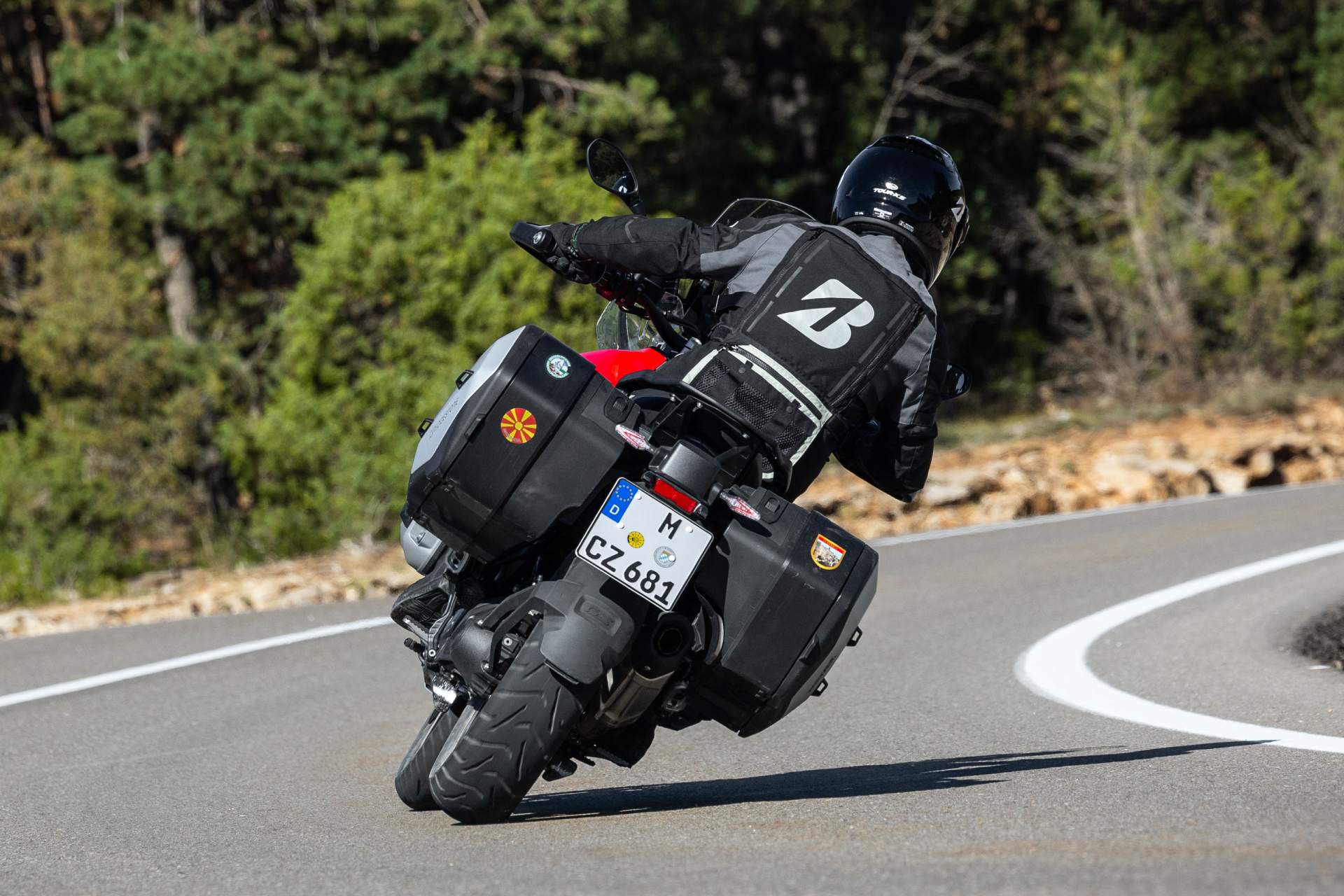
Not all asphalt is the same, not even when it is completely dry. Its composition, the type of aggregate used, its age, wear caused by traffic and environmental conditions directly influence the available adhesion.
From a technical point of view, we can distinguish two fundamental characteristics of the pavement:
-
Microtexture: corresponds to the small surface irregularities of the aggregates and contributes to generating friction between the tire and the pavement.
-
Macrotexture: refers to the largest irregularities in the pavement, important, among other things, to facilitate the evacuation of water.
An asphalt with a visibly rough surface can convey confidence, while an excessively polished or shiny one should alert us. However, we should not establish a direct relationship between the color of the pavement and its grip capacity.
A black and apparently new asphalt does not have to offer more grip than another that is grayish in color. Likewise, a very rough surface may be contaminated by dust, gravel or fuel residue. The important thing is to learn to detect changes in texture, tone and brightness, especially when they appear in the middle of a curve or in a braking zone.
Shiny asphalt: a sign that should put you on alert
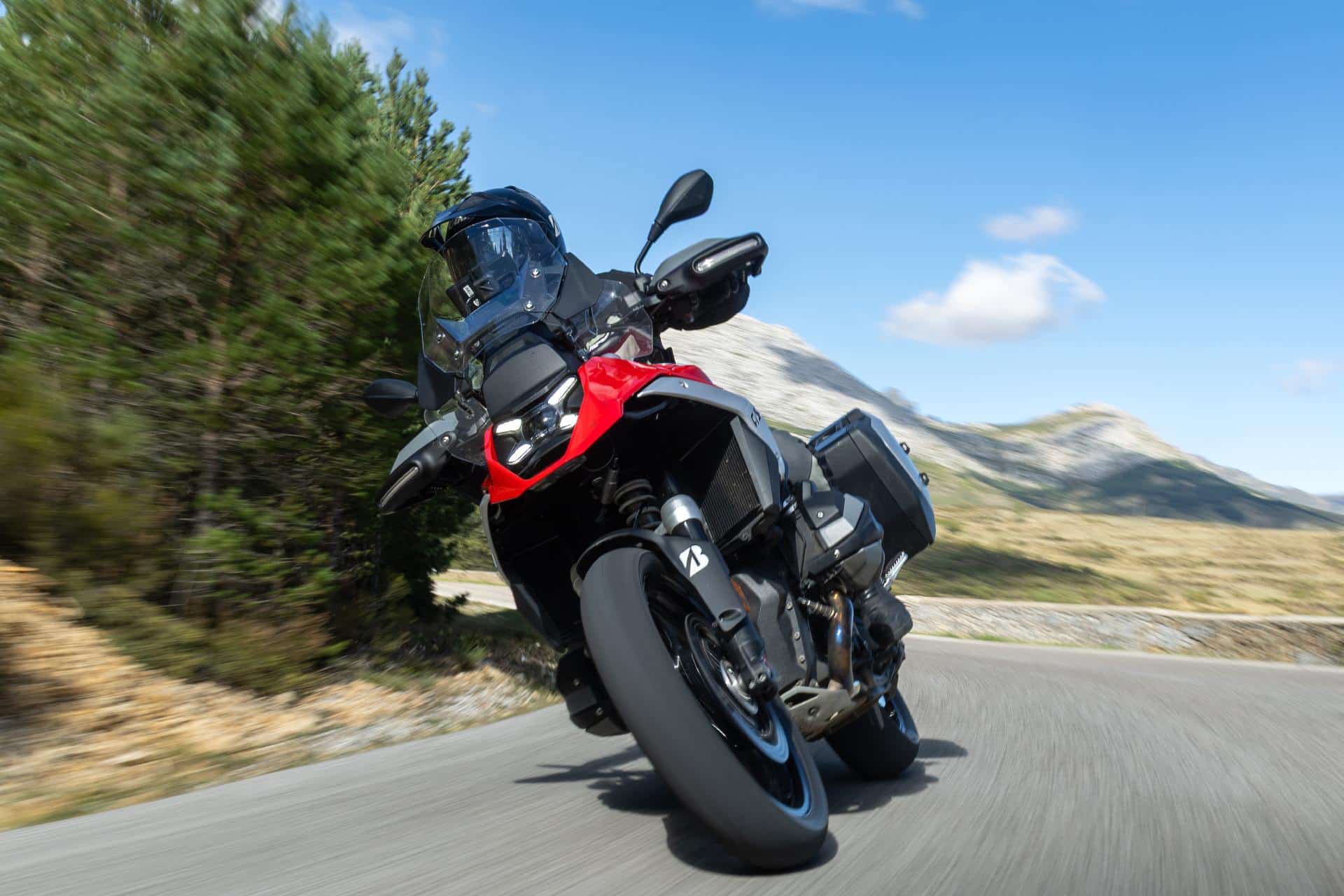
You’ve probably come across roads whose asphalt seems practically crystallized. It is relatively common in roundabouts, intersections, busy curves and areas where vehicles constantly brake and accelerate.
The continued passage of vehicles can end up polishing the aggregates present in the pavement, reducing its ability to provide grip. If we add humidity to this, the situation can become considerably complicated.
We must also pay special attention to repairs made with bituminous sealants, those characteristic dark lines or shadows that snake on some roads. Its behavior may be different from that of the surrounding asphalt, especially at high temperatures or when wet.
On any of these surfaces, it is advisable to anticipate braking, moderate speed and avoid sudden movements on the handlebars, accelerator or brakes, keeping the motorcycle as vertical as possible.
Be very careful with the first drops of rain
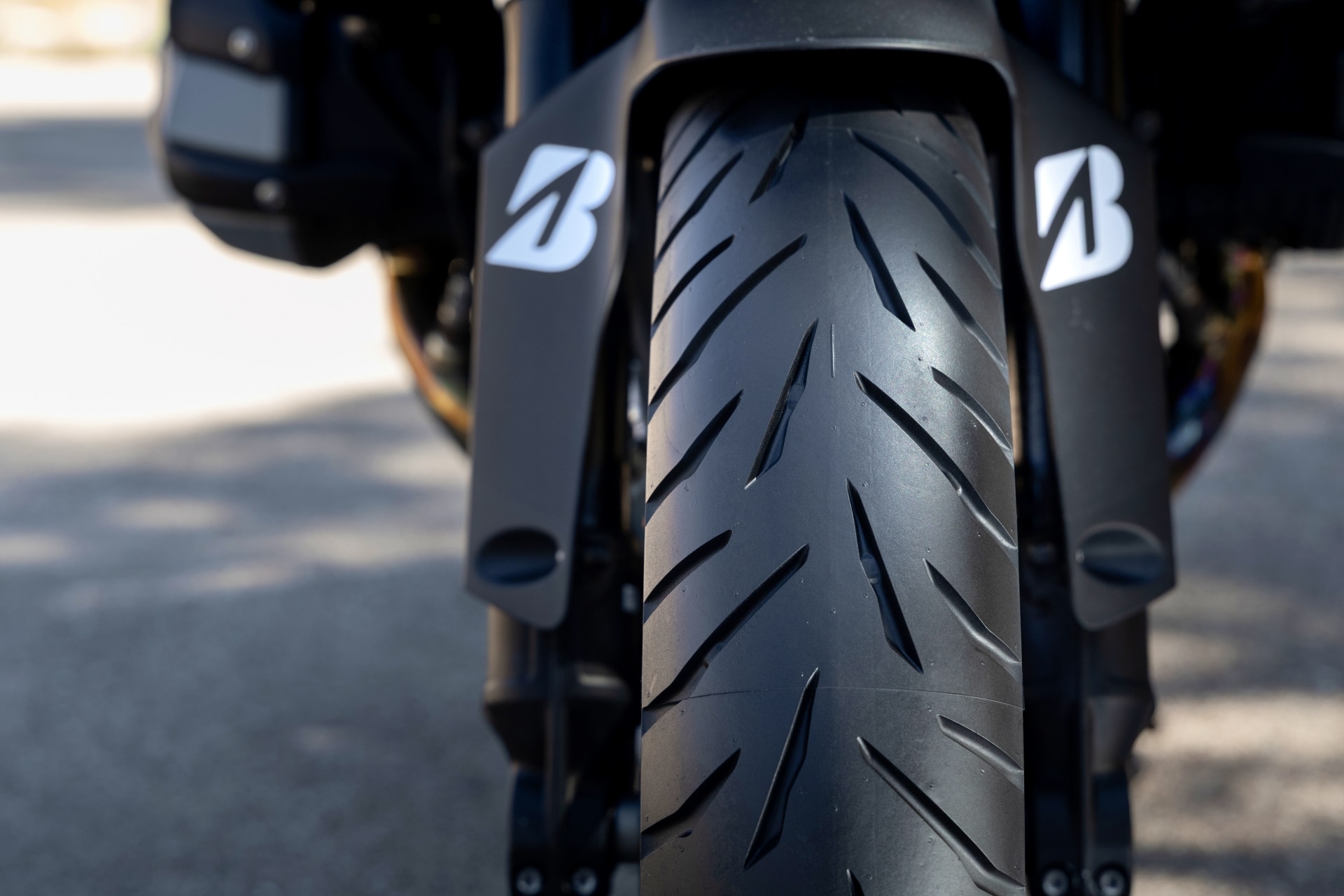
One of the most delicate moments to ride a motorcycle occurs when it starts to rain after several days of dry weather. During this period, rubber particles, dust, fuel residues and other substances from traffic accumulate on the road. When they come into contact with water they can form a particularly slippery film.
The DGT warns of this phenomenon in its road safety manual, highlighting the risk associated with the beginning of precipitation. Persistent rain may end up washing away some of that dirt, but that does not mean that the asphalt will regain the grip conditions it had when dry.
Furthermore, the greater the amount of water accumulated, the more demanding the evacuation work that our tires must perform. If we add to this excessive speed or worn tires, the risk of losing effective contact with the pavement and suffering aquaplaning increases.
In these circumstances we must reduce the pace, increase the safety distance and perform the maneuvers more progressively. Do not wait for the motorcycle to give you a warning to start taking extreme precautions.
Shadow areas can hide a trap
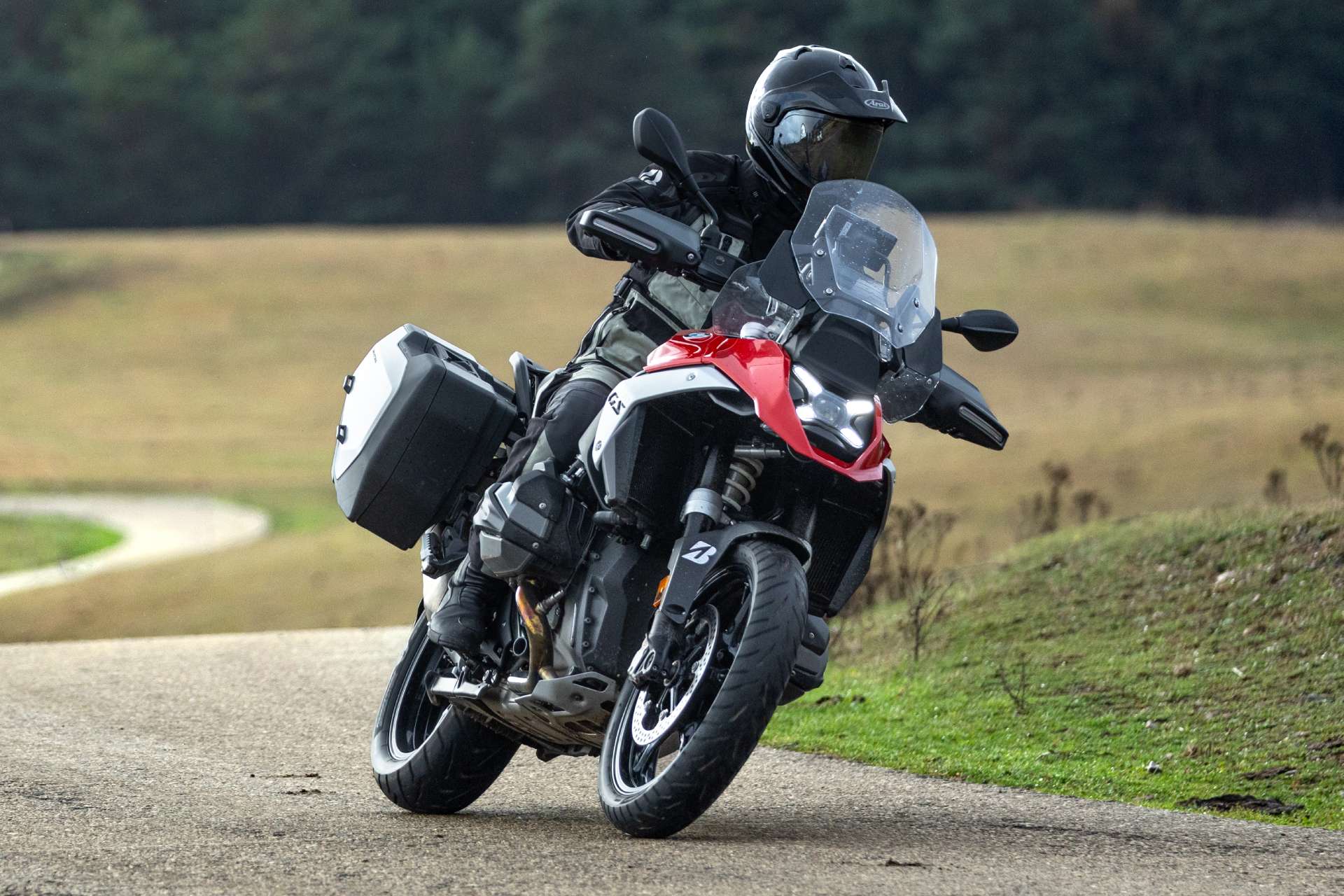
One of the great dangers of riding a motorcycle during the winter is becoming overconfident after traveling several kilometers on seemingly perfect asphalt. On mountain roads, for example, we can go from an area exposed to the sun to another completely shady one in a matter of seconds. And that difference can be decisive.
North-facing curves, sections surrounded by vegetation, bridges and areas near water courses deserve special attention when temperatures are low. In these places, humidity can remain for a good part of the day and, if the thermal conditions are suitable, turn into ice. The so-called black ice is especially dangerous because its transparency allows you to see the color of the pavement underneath, making it extremely difficult to detect.
If there are signs of ice, reduce speed before reaching the compromised area. If you are already on it, try to keep the motorcycle as vertical as possible and avoid sudden changes in trajectory, acceleration or braking. If conditions make traffic unsafe, the most sensible thing to do is to interrupt the route. No conventional road tire can guarantee sufficient grip on ice.
Paint, gutters, gravel and other asphalt traps
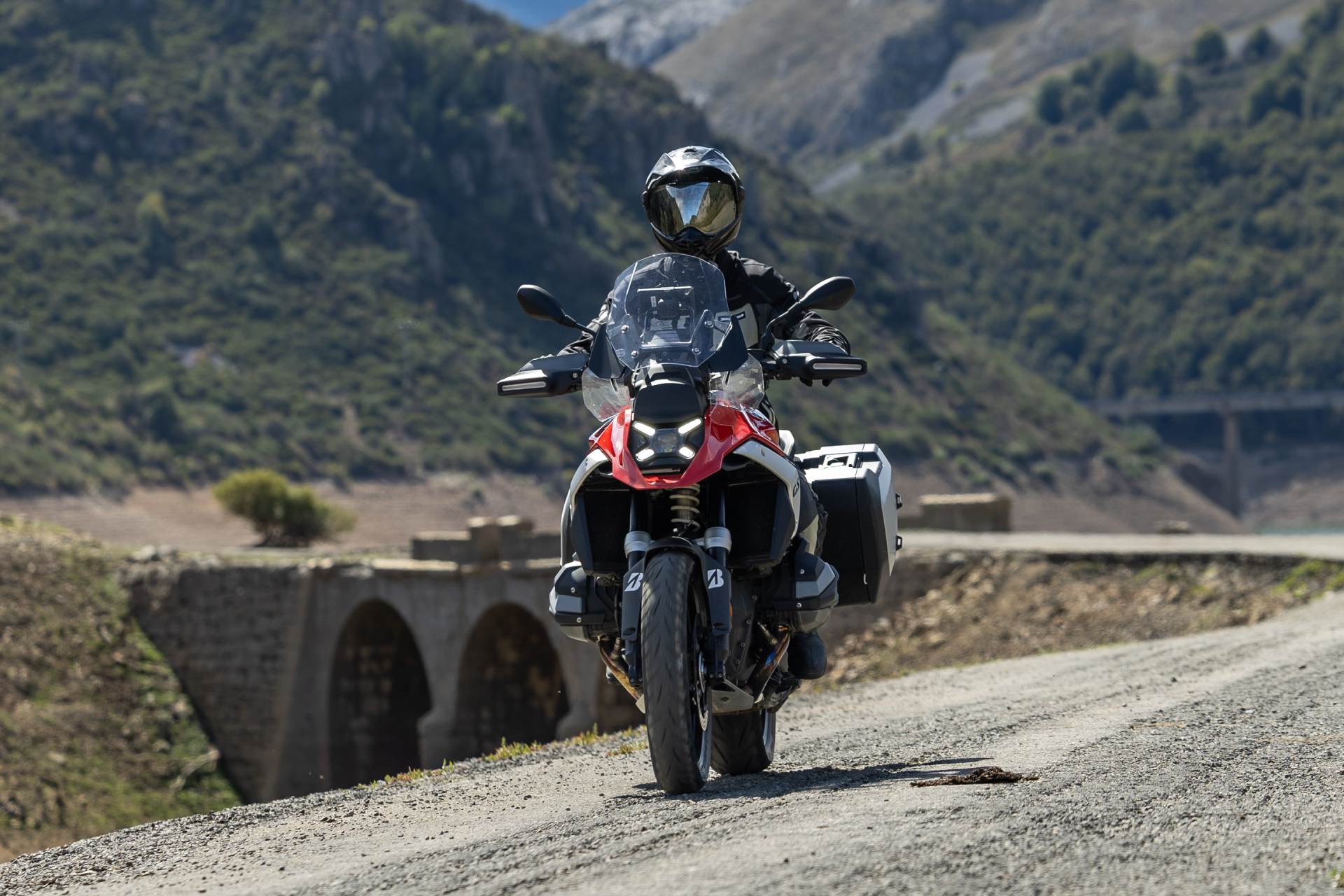
It is not necessary to leave the city or drive in the middle of winter to find surfaces with poor grip. In our daily trips there are numerous elements capable of compromising the stability of the motorcycle.
These are some of the situations that we must learn to identify:
-
Road markings: Pedestrian crossings, direction arrows and lane separation lines can be especially slippery in the wet.
-
Manhole covers: Metal surfaces may offer poorer grip than asphalt, especially when wet.
-
Gravel and sand: Frequent in the vicinity of construction sites, access to rural roads, shoulders and certain roundabouts.
-
Diesel remains: Common in the vicinity of gas stations, industrial areas and roads with heavy traffic. When wet they may present iridescent reflections, although they are not always visible.
-
Fallen leaves: When wet they can form a slippery layer and hide pavement irregularities.
-
Remains of salt: Used to combat frost, they can modify the grip conditions of the road surface.
-
Expansion joints: especially delicate when they are located on bridges that trace a curve.
The best way to deal with these situations is to carry out the most demanding maneuvers before reaching them, trying to go through them with the motorcycle as lean as possible, without sudden braking or acceleration and without compromising our trajectory.
The adhesion circle: why you can’t ask the tire for everything
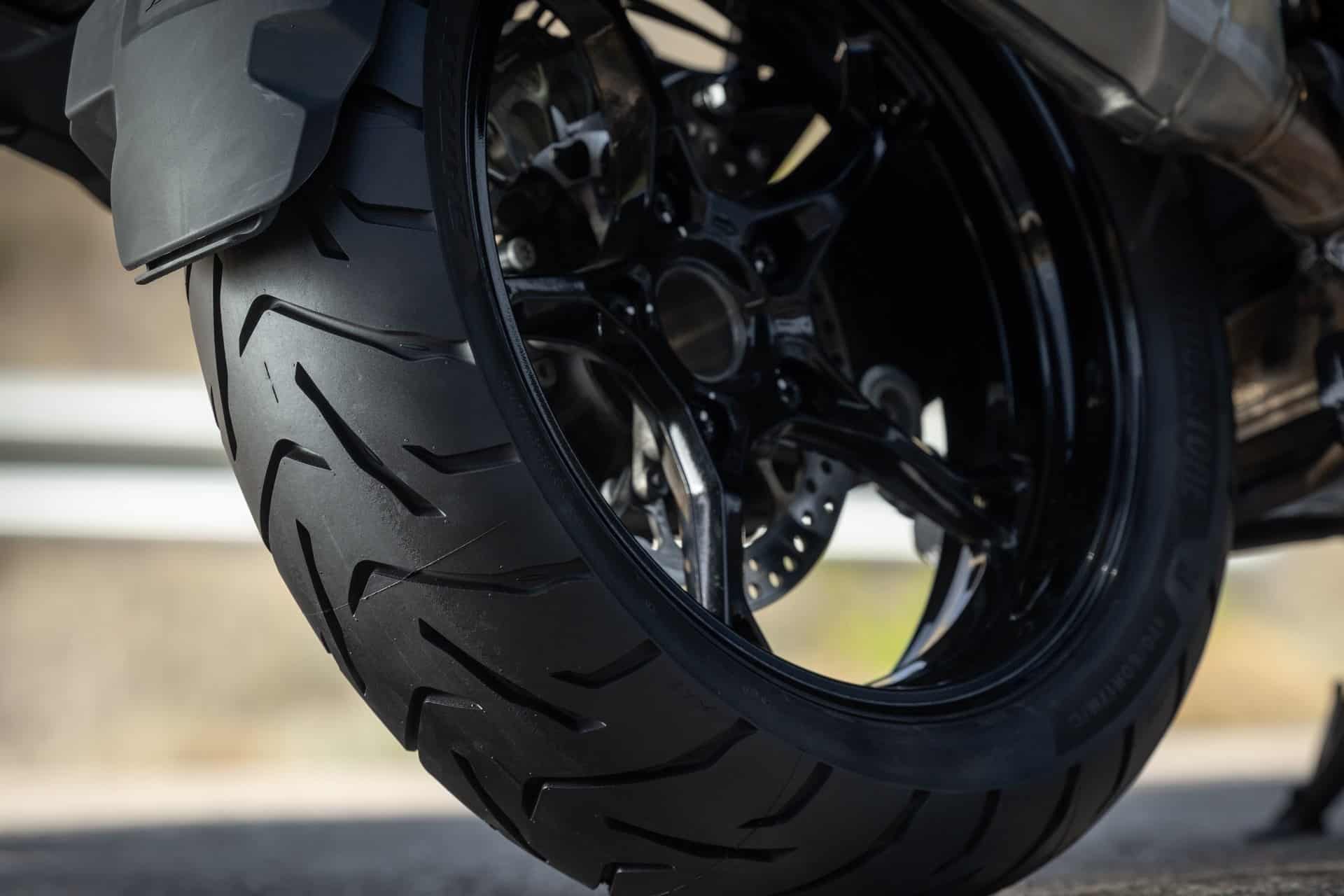
To understand how our motorcycle behaves on different types of asphalt, it is important to know a concept widely used in the field of vehicle dynamics and competition: the circle of adhesion.
Simply put, each tire has a limited capacity to transmit forces to the ground. This capacity is distributed between the longitudinal forces, generated during acceleration and braking, and the lateral forces, responsible for maintaining our trajectory in a curve. The more we demand from the tire in one direction, the less margin we have available in the other.
Therefore, when we ride with the motorcycle very inclined, we have less room to accelerate or brake intensely. And when the asphalt is wet, contaminated or has reduced grip, that imaginary circle becomes smaller. This is one of the reasons why a maneuver that we usually perform without major complications on dry asphalt can end up causing a fall on a wet surface.
On the open road, where conditions are constantly changing, reserving a margin of adhesion is essential. We are not on a circuit, nor do we know exactly what we are going to find around the next corner.
Can we check how much grip the asphalt has while driving?
Unlike what happens on a circuit, on the road we do not have a controlled surface nor do we know its grip conditions in advance.
Traditionally, some riders have used the rear brake to test the grip of the asphalt, looking for a small loss of traction or the intervention of the ABS. However, deliberately causing these situations on the open road is not a recommended practice. It is also not useful to drag your foot on the ground, since the differences between our boot and the tires are enormous.
In addition to the risk, the result can mislead us. The grip available at a certain point does not have to be the same a few meters ahead, nor is the behavior of the rear tire necessarily representative of the front.
It is preferable to interpret the sensations that our motorcycle transmits during normal driving: the precision of the steering, the stability, the response during progressive braking or any unexpected intervention of the traction control.
How to learn to read the asphalt on a motorcycle: the importance of looking
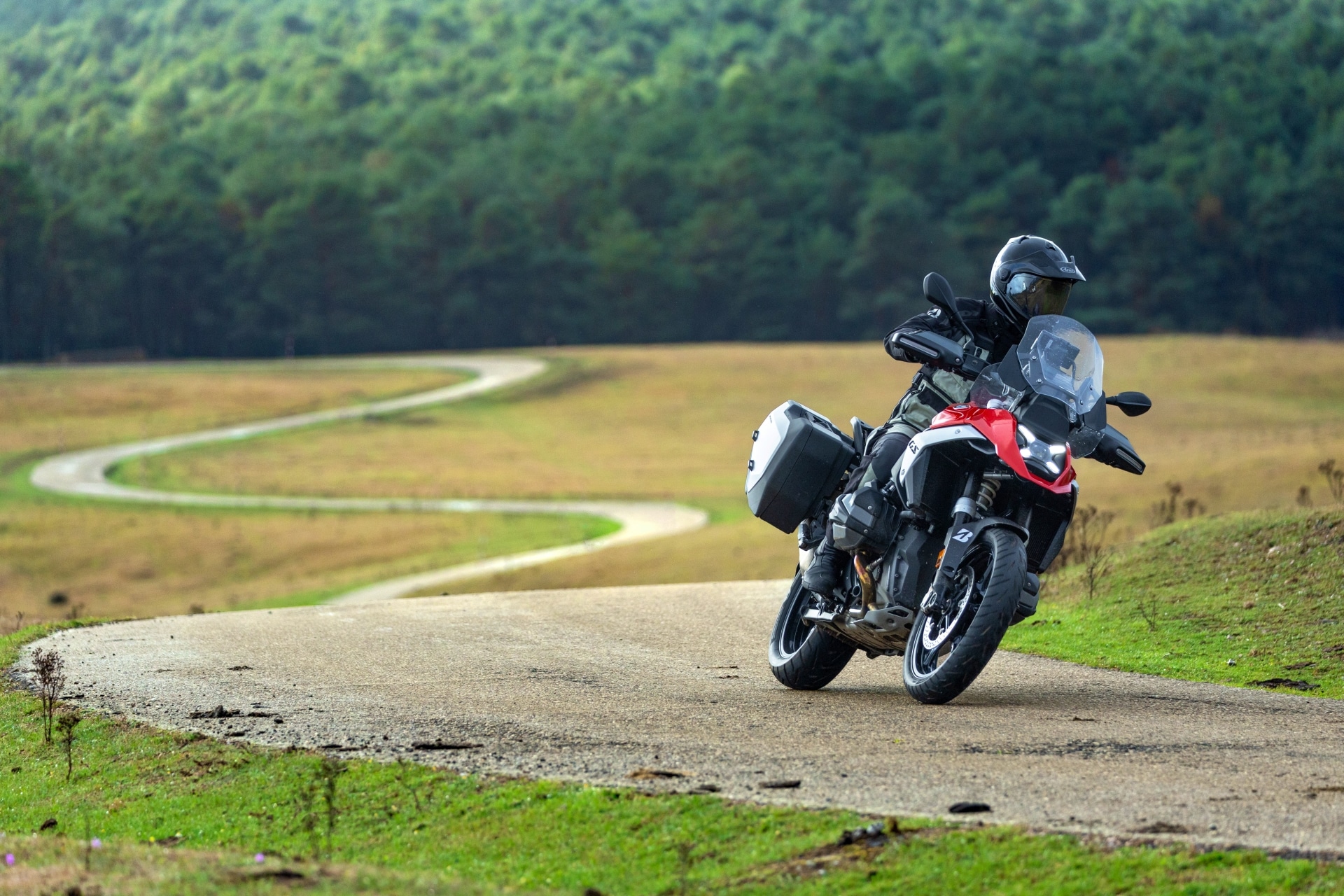
One of the most common mistakes among less experienced riders is focusing their gaze too close to the front wheel. Good driving technique requires directing our eyes towards the path we are going to follow, alternating long-distance observation with the identification of possible dangers that appear on the pavement.
Before entering a curve, we must try to interpret both its layout and the conditions of the surface on which we are going to circulate. It is also advisable to observe the surroundings: agricultural roads, construction sites, heavy vehicles, trees, shadows or possible accumulations of water. All of these elements can offer us information even before the danger is clearly visible.
The sooner we identify a potentially slippery surface, the more room we will have to adapt our speed, select a safe path within our lane, and make the necessary maneuvers smoothly.