
Is it mandatory to wear a reflective vest on a motorcycle?
| Element | Mandatory since | On what roads | Who is affected? | Sanction |
|---|---|---|---|---|
| Reflective vest included with the motorcycle (take it and put it on when getting off) | October 1, 2026 | Mandatory use when leaving the motorcycle and occupying the road or shoulder of interurban roads | motorcycle drivers | €200 (serious) |
| Reflective vest worn while driving | October 1, 2026 | All roads | Professional motorcycle, moped, bicycle, cycle and VMP drivers | €200 (serious) |

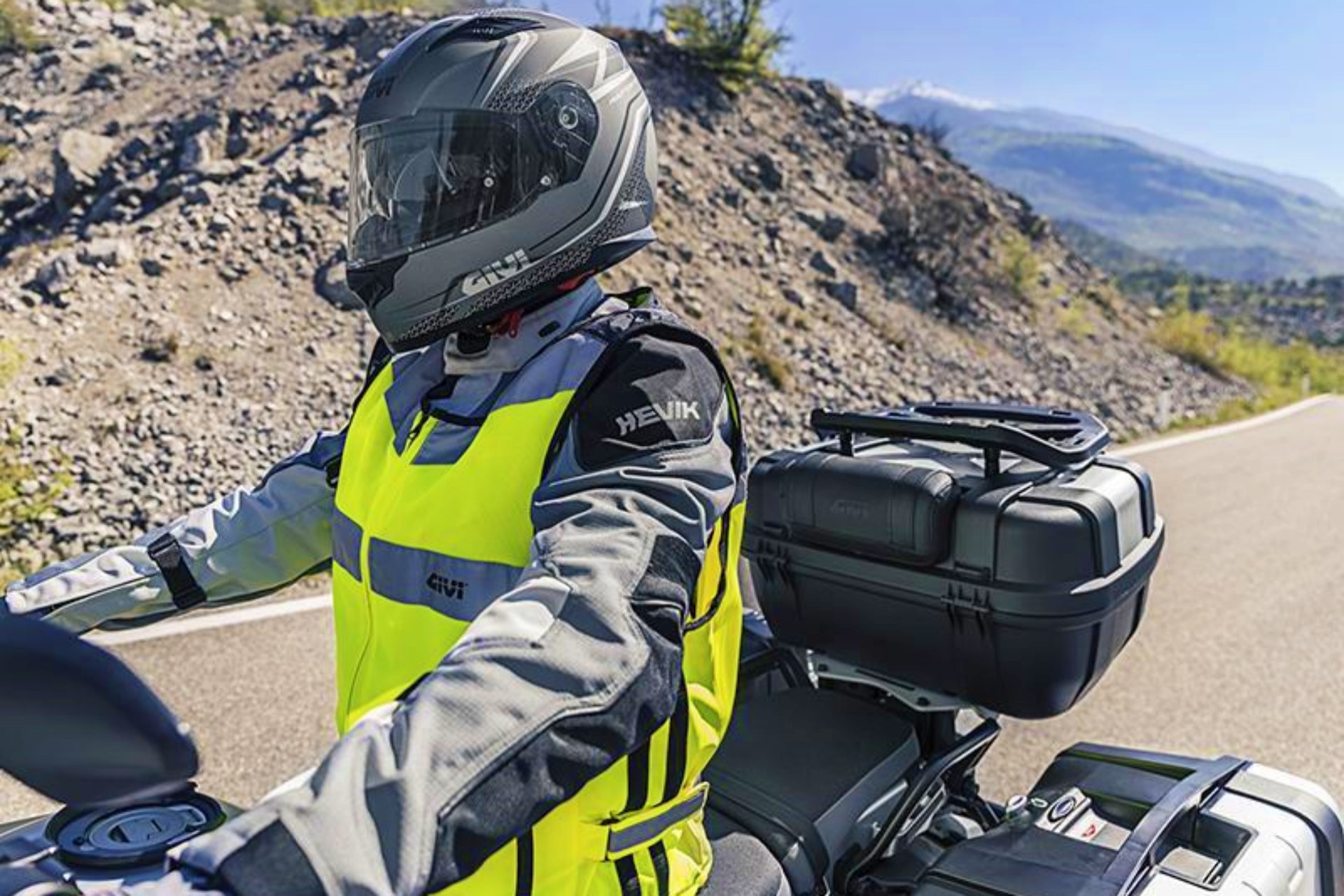
Yes. From October 1, 2026, all motorcycles must carry a high-visibility reflective vest, according to the second final provision of Royal Decree 518/2026, which adds it to Annex XII of the General Vehicle Regulations. The driver must put it on when getting off the motorcycle and occupying the road or shoulder of an interurban road.
“They must use a high visibility reflective vest, in accordance with the requirements of individual protective equipment, which is among the mandatory equipment of the vehicle, when they leave it and occupy the road or shoulder of interurban roads.”
The same section adds the paragraph that was included in the DGT note: drivers “who carry out their professional activity while traveling” on a motorcycle, moped, bicycle or VMP must wear it “when traveling on all types of roads.”
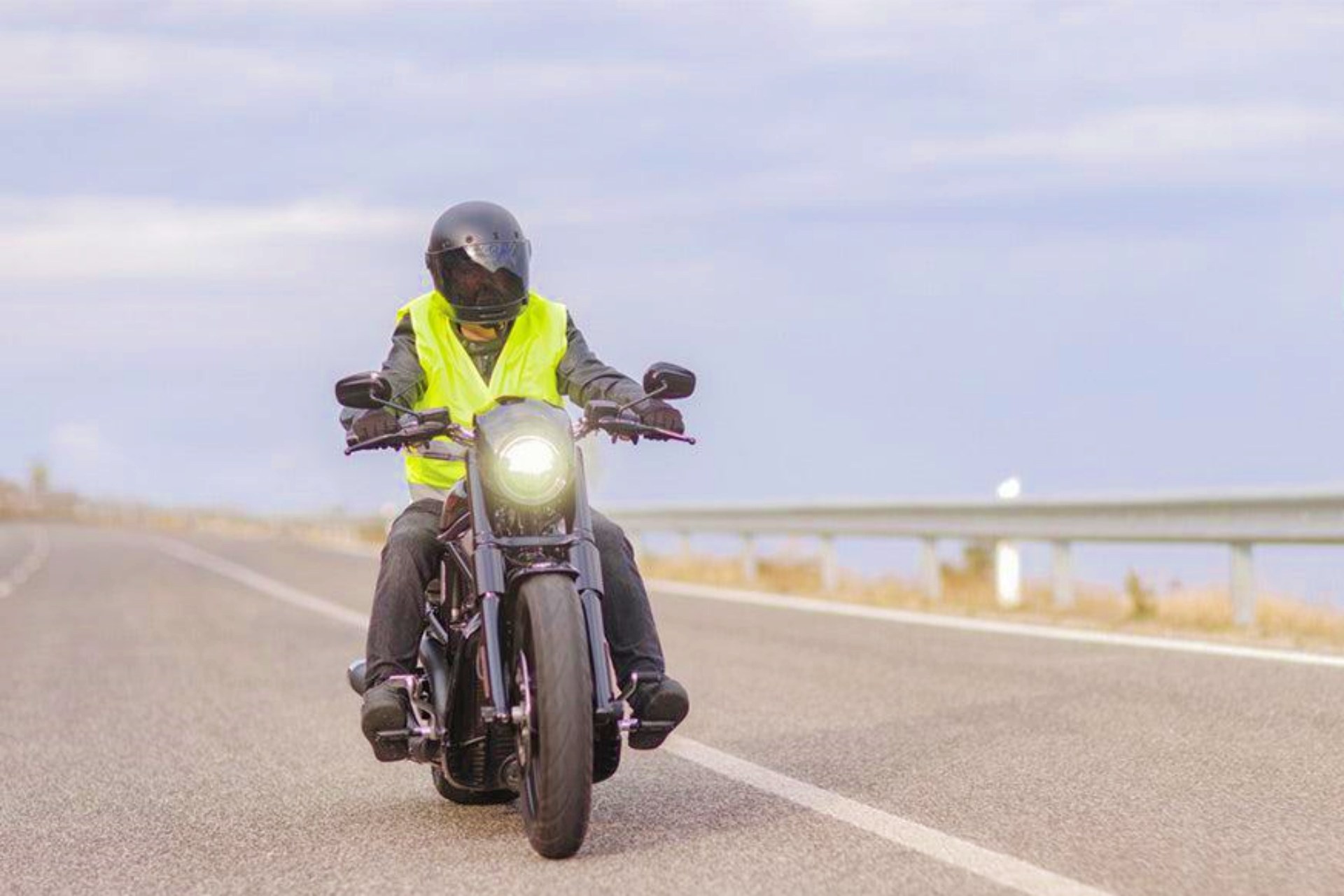
There are three situations, but they are not the same
Much of the mess comes from mixing three different obligations:
- Take it on the motorcycle. It affects all motorcycles from October 1. It doesn’t matter the displacement or the use.
- Put it on when getting off an interurban road. If you have a breakdown or an accident on the road and you get off the road or shoulder, you have to put on the vest, just like in the car.
- Wear it while driving. It is only mandatory for those who work with the vehicle, on any type of road.
A private motorcyclist, therefore, does not have to ride with the vest on. But your motorcycle does have to carry you.
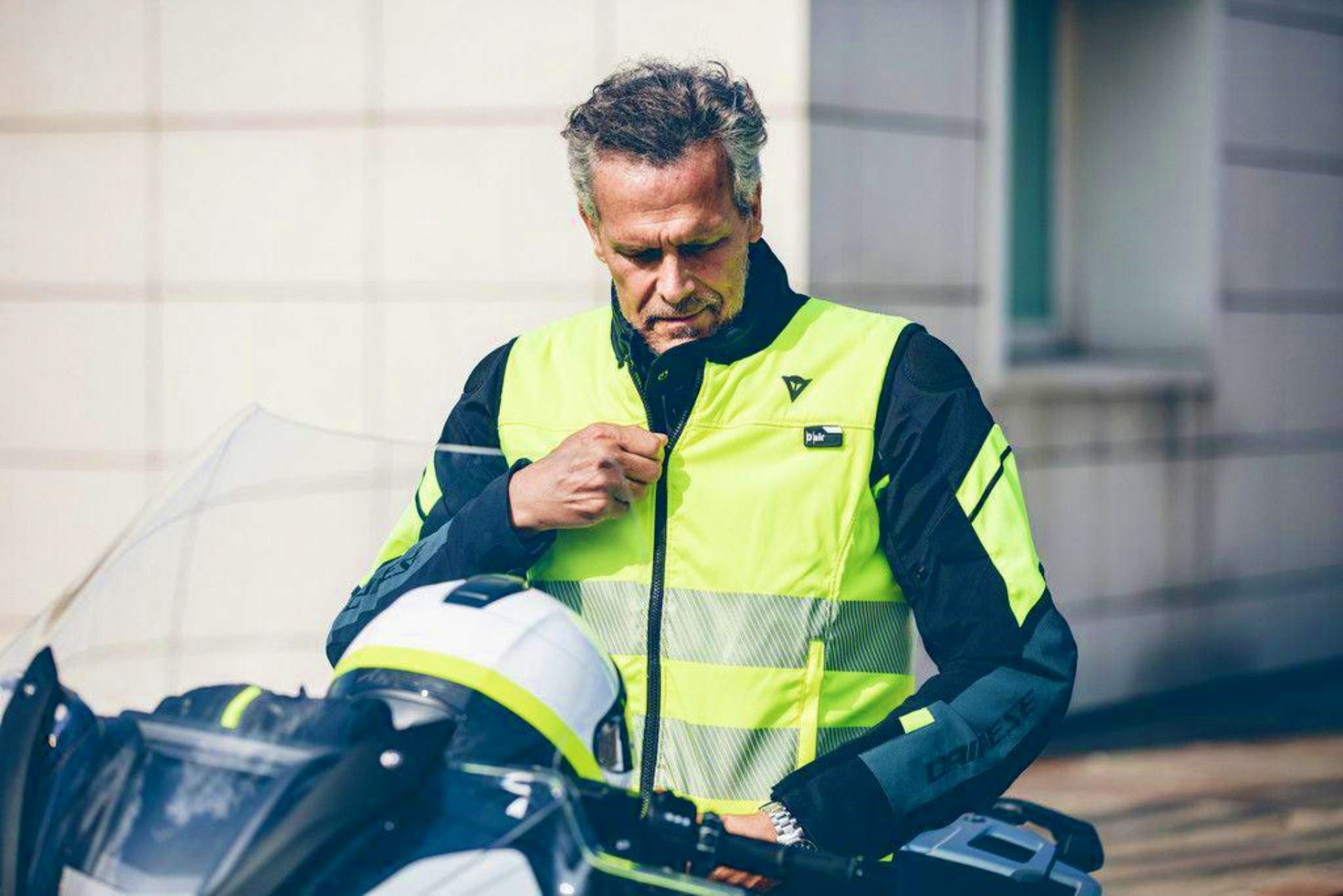
Who counts as a professional
The text speaks of drivers “who carry out their professional activity while driving” and does not distinguish between employees and self-employed workers. Therefore, the platform delivery driver, the self-employed courier and the employee of a parcel delivery company enter.
Our reading: riding a motorcycle to work is not carrying out a professional activity while traveling, so the daily commute to the office should not force you to wear a vest. Intermediate cases, such as the salesperson who visits clients on a motorcycle, are not resolved in the text, and there the interpretation of the agents will have the last word. If you have questions, the company’s Prevention and Safety officer should consult you.
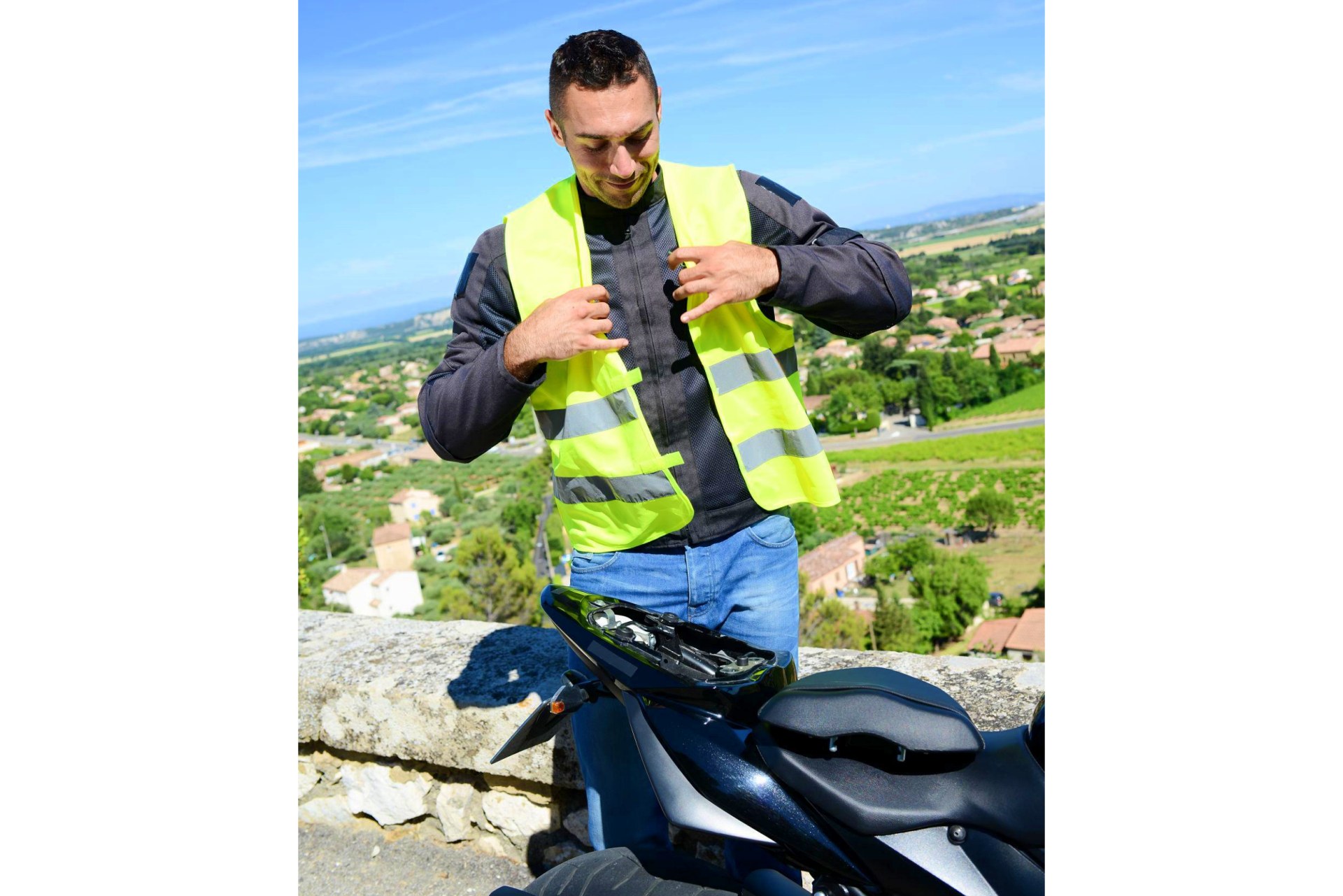
And the mopeds?
Annex XII and article 118.4 speak of “motorcycles”, not mopeds. According to the letter of the decree, the private driver of a moped is not required to wear a vest on board. The professional must wear it, because the moped is among the vehicles in section 1. Surely and because the bulk of the journey that mopeds make is urban, they are exempt. Our recommendation is that if you frequently go out on interurban roads, take it even if you don’t get a fine. In the event of a breakdown or mishap, you will be more visible.
Okay, very good, but… Where do I wear the reflective vest?
The decree does not establish an official criterion. It says that the motorcycle “must carry” the reflective vest, but it does not say where. The DGT has not published any instructions that specify whether it is worth carrying it in a backpack or in a jacket pocket. Likewise, in cars it does not say whether you have to carry it in the glove compartment, in the door or under the seat. But it does say that you have to get off with it on.
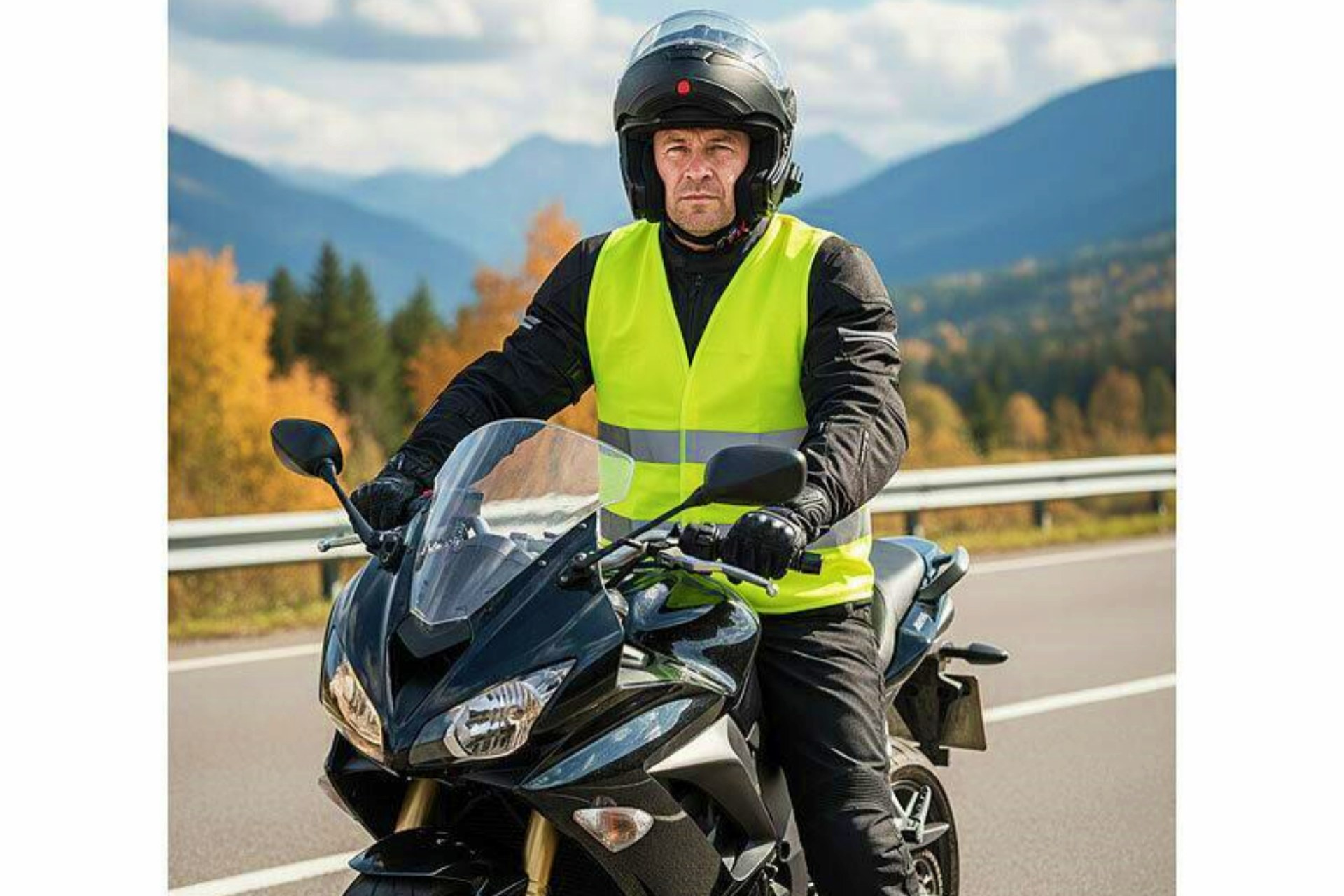
In the absence of official recommendation, this is the most prudent thing to do:
- Keep it on the bike whenever you can: under the seat, in the trunk, in a suitcase or in the tank bag.
- If your motorcycle does not have spacecarry it in your jacket or backpack. It is the reasonable solution. Also in the leg bag if you use it, a fanny pack, etc.
- Choose one certified as PPE. The decree requires that it meet “the requirements for personal protective equipment.” Look for the CE marking on the label; In high visibility garments, the usual reference is the EN ISO 20471 standard.
- That it fits over your motorcycle jacket. When you get off on the shoulder, the last thing you want is to get into a fight with a size small. Before purchasing, please check the size.
Regarding the fine, the DGT sets 200 euros for the professional who circulates without the vest on. For the individual who does not have it on the motorcycle, the official note does not give a figure, but we can apply the same sanctioning criteria as in the car, which is 200 euros and a withdrawal of 4 points.
Frequently asked questions
Do I have to wear the reflective vest while riding my motorcycle?
No, if you are a private motorcyclist. From October 1, 2026, the vest must be part of the mandatory equipment of the motorcycle, but you only have to put it on when you get off the motorcycle and occupy the road or shoulder of an interurban road. The obligation to circulate with the vest on is reserved for drivers who carry out a professional activity riding a motorcycle, moped, bicycle, cycle or VMP.
Where should I store the reflective vest on a motorcycle?
The regulations require that the motorcycle carry a reflective vest, but does not establish a specific place to transport it. It can go under the seat, in a suitcase, trunk, tank bag or any other space on the motorcycle. If it does not have space, it can be carried in a backpack, jacket or bag, as long as it is available to use when necessary.
Is it mandatory to wear a reflective vest on a moped?
For a private moped driver, the text of Royal Decree 518/2026 does not establish the same obligation to wear the vest on board as for motorcycles, since Annex XII expressly refers to the latter. However, drivers who carry out a professional activity riding a moped are required to wear it on all types of roads.
Do I have to wear a reflective vest if I ride a motorcycle to work?
Not for the simple fact of using the motorcycle to get to your workplace. The obligation to wear the vest while driving affects those who carry out their professional activity while driving the vehicle. Therefore, traveling by motorcycle from home to the office does not make the motorcyclist a professional driver for the purposes of this rule.
What reflective vest is good to wear on a motorcycle?
Royal Decree 518/2026 establishes that the vest must be high visibility and meet the requirements of personal protective equipment (PPE). Therefore, just any reflective garment is not enough: it is advisable to check that it has the corresponding CE marking and that it complies with the regulations applicable to this type of garment, such as EN ISO 20471. In addition, it should be large enough to be easily placed over the motorcycle jacket.