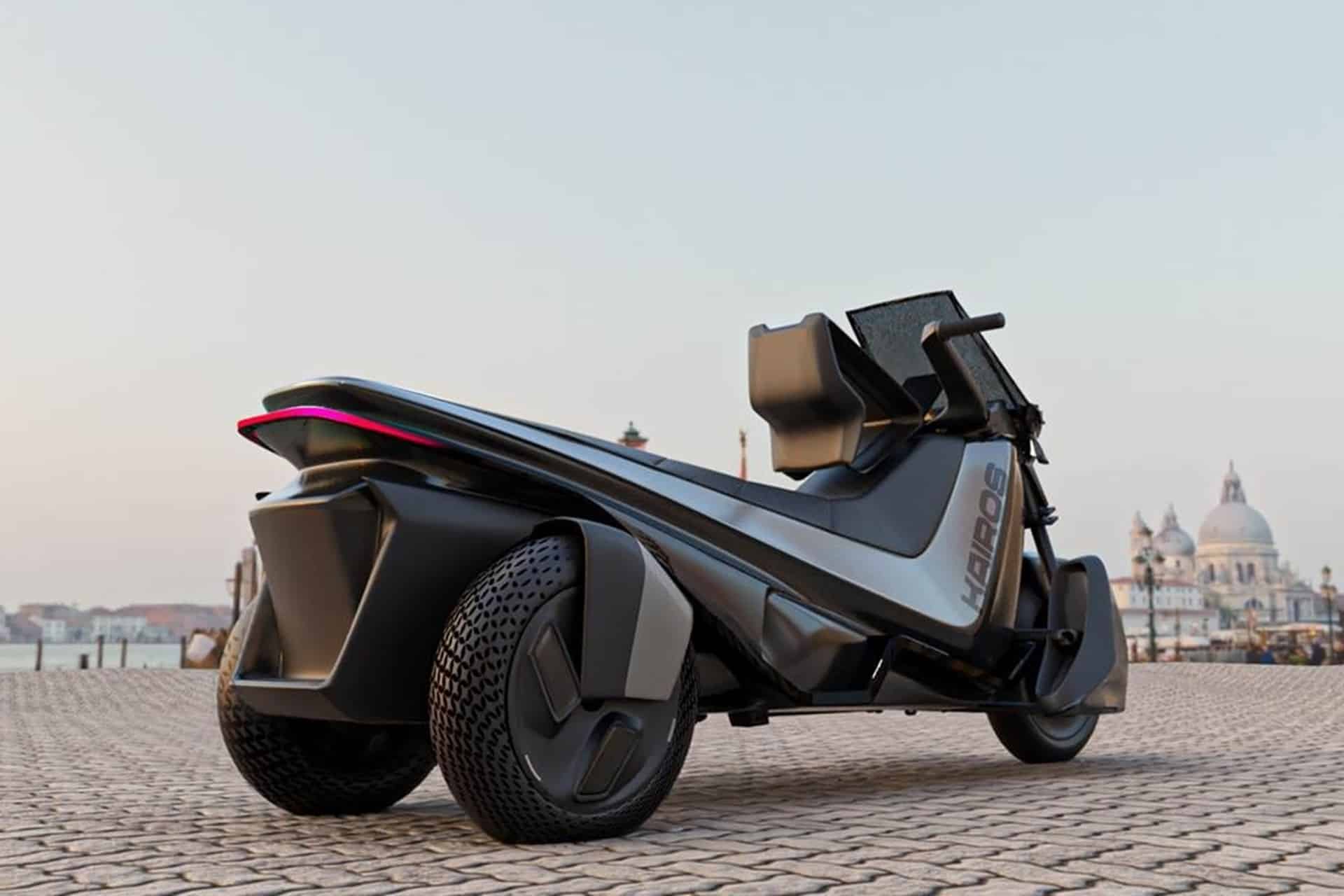
Kairos“the electric trike designed not to roll over,” has gone from CAD design and virtual renderings to real road tests. The brand has required several years of development and technical tuning, but the truth is that everything indicates that it could finally become a reality. In addition, some key aspects of the model have been revealed, as well as the possible approval date of the project.
Kairos, the trike that “It is neither a car, nor a scooter, nor a motorcycle.”
So, what is this futuristic vehicle supposed to be?, you may ask after reading the headline. Well, as defined by its creator, Mathieu L’Hopitaultwe are facing “an electric three-wheel vehicle with a tilt system that offers a radically new approach to road safety.” To achieve this, it integrates an elaborate technical architecture where driver protection is integrated into the vehicle structure itself.
On the other hand, the Kairos development team has sought, compared to other tricycles on the market, to enjoy a ““increased storage space, improved aerodynamics, an attractive design, superior dynamic characteristics and a unique driving experience”. Now, after the first tests in real conditions, it is being tested whether or not all of the above is viable in a future series vehicle.

Philippe Girardidesigner and project manager, told his New Atlas colleagues what phase the development of the Kairos is currently in. In fact, on the brand’s official website it is confirmed that the “Step 2” is completed and they are currently searching for “industrial partners and investors to move to the full validation phase”.
On paper everything is going as planned, although there would still be many unknowns to clear up regarding the electronic and technological framework that would theoretically be part of the Kairos in its final production phase. In any case, the latest prototype of the Kairos has tires 120/70-14 and 130/70-13front and rear respectively.
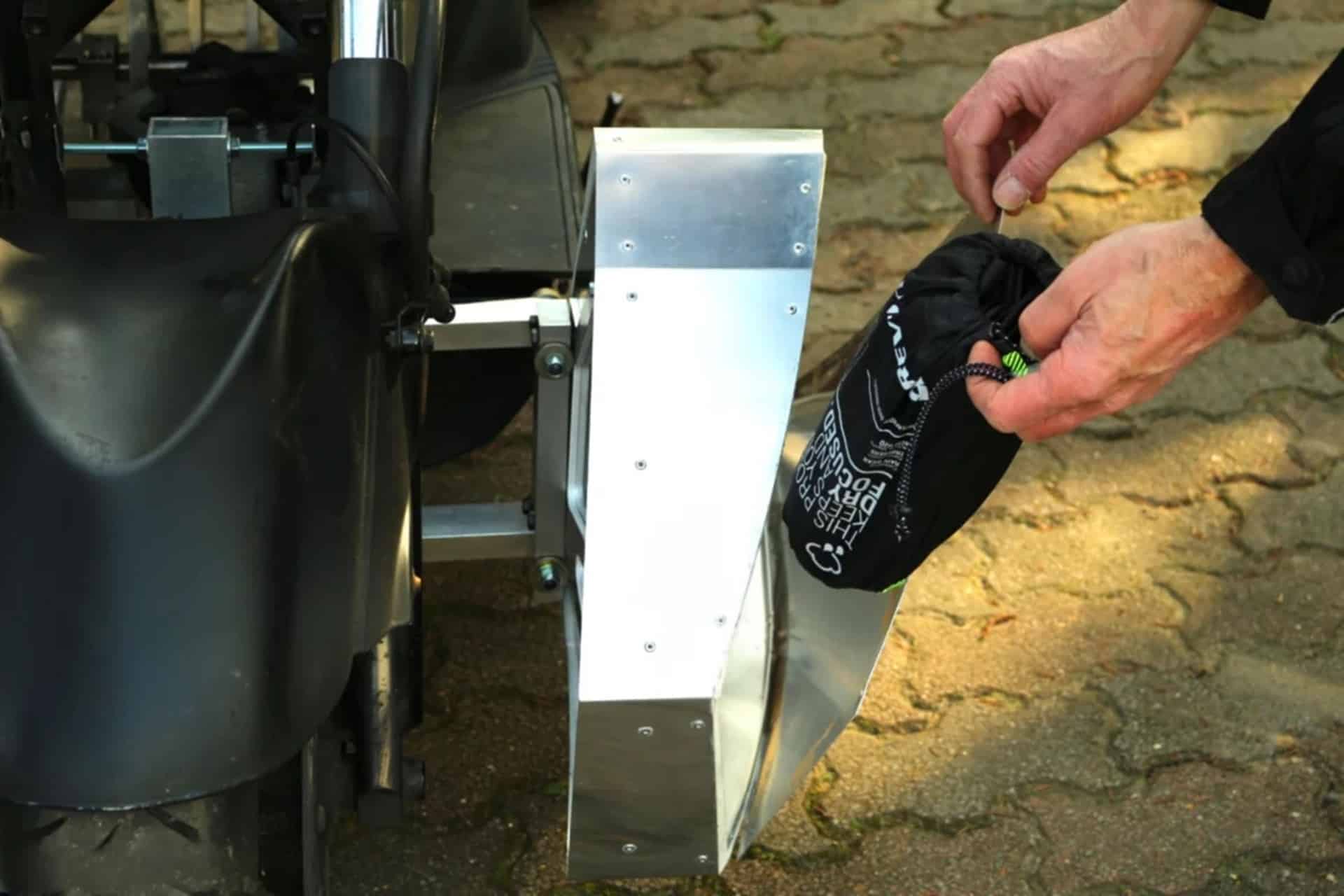
Initially, the production model would equip a battery of about 30 kWh capacity and an electric propulsion system capable of generating Rated power of 40 kW with a peak of up to 70 kW. In Girardi’s words, the maximum speed would be of the order of 150km/h.
Driving takes a backseat
If we stick to the description made by the brand itself of the Kairos, we could state without fear of being wrong that its development is focused on the enjoyment of driving: “Its unbreakable formula combines two essential promises: first, an architecture that enhances dynamic sensations and, second, completely new safety innovations that unleash the pleasure of driving.”
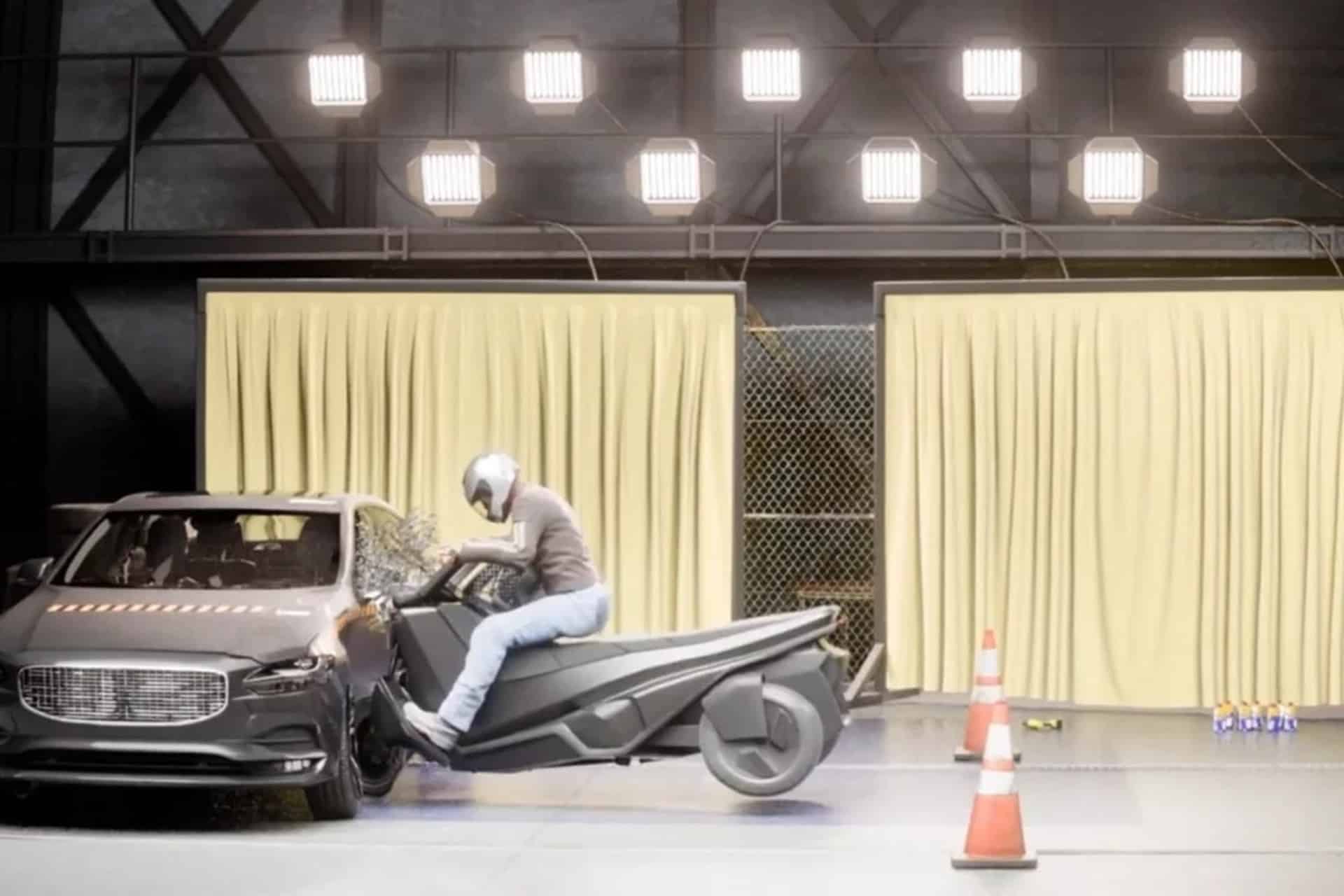
However, when we read Girardi’s statements regarding the aspect on which the model’s own philosophy revolves, security, this story is clearly called into question: “I designed Kairos based on a simple conviction: safety cannot depend on a decision that the driver can choose not to make. It must be integrated into the vehicle, systematically and unconditionally.”
Here we enter one of the most talked about dilemmas within the motorcycle sector in recent times: Safety yes, but not at the cost of eliminating the art of driving. Much less for this aspect to be left in the hands of the machine. This is why, perhaps, the creators of Kairos do not want to pigeonhole the model within a particular sector.
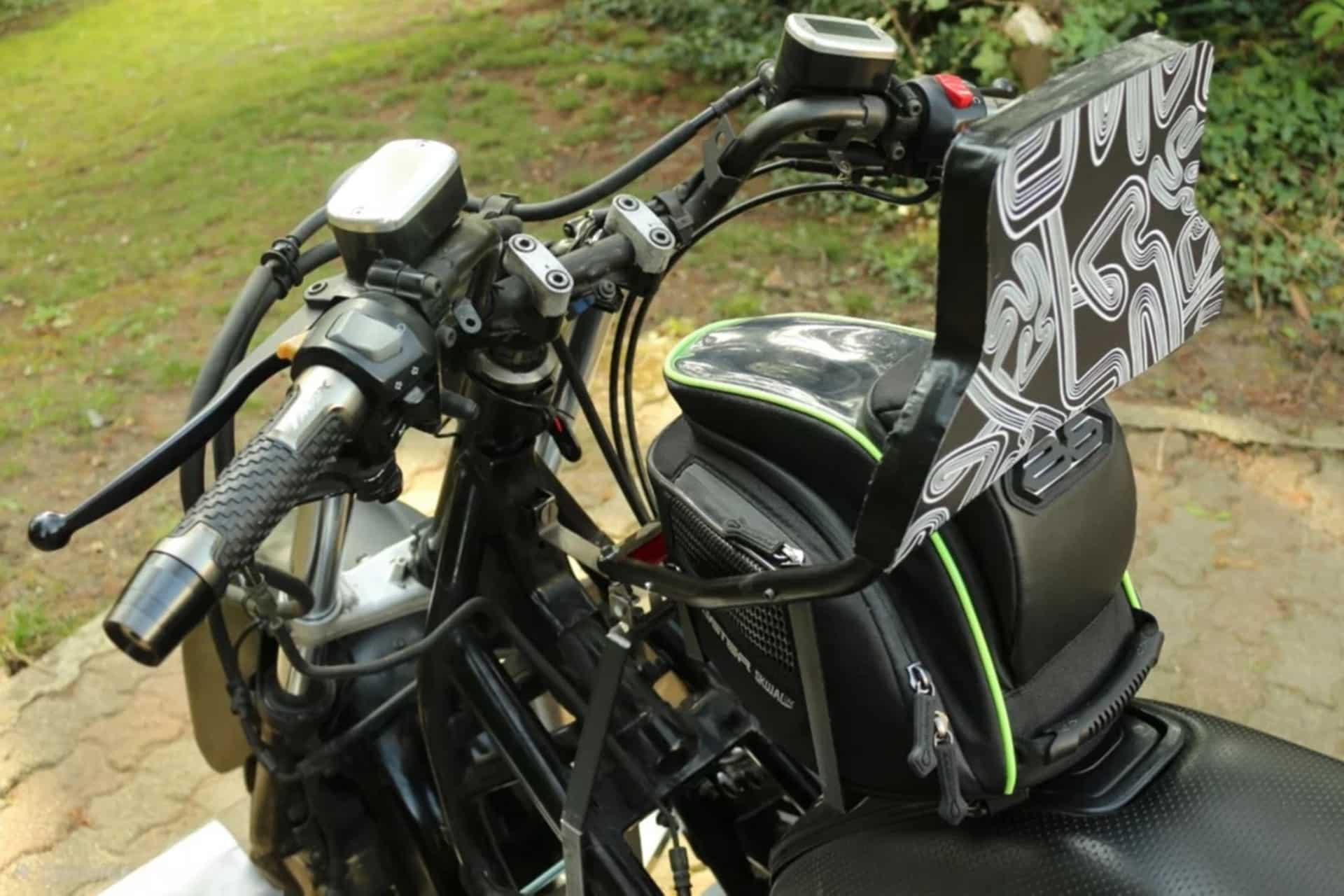
What is clear, based on what we know so far, is that the technological load they announce will be efficient at the cost of eliminating the sensations at their controls and therefore, most likely, at many potential clients.