Lambretta X300/G350 test: Introduction, positioning and rivals of the Lambretta X300/G350
We are in luck, the Lambretta range is growing and is available in Spain by Moteo, a large European distributor (present in 8 countries with 1,800 dealers) and recognized solvency (580,000 units sold), which in Spain alone has 25 points of sale.
Its strategy is based on trust and the long term, so the introduction of Lambretta (and Mondial) in Spain under its umbrella is very good news in order to have a good after-sales network.
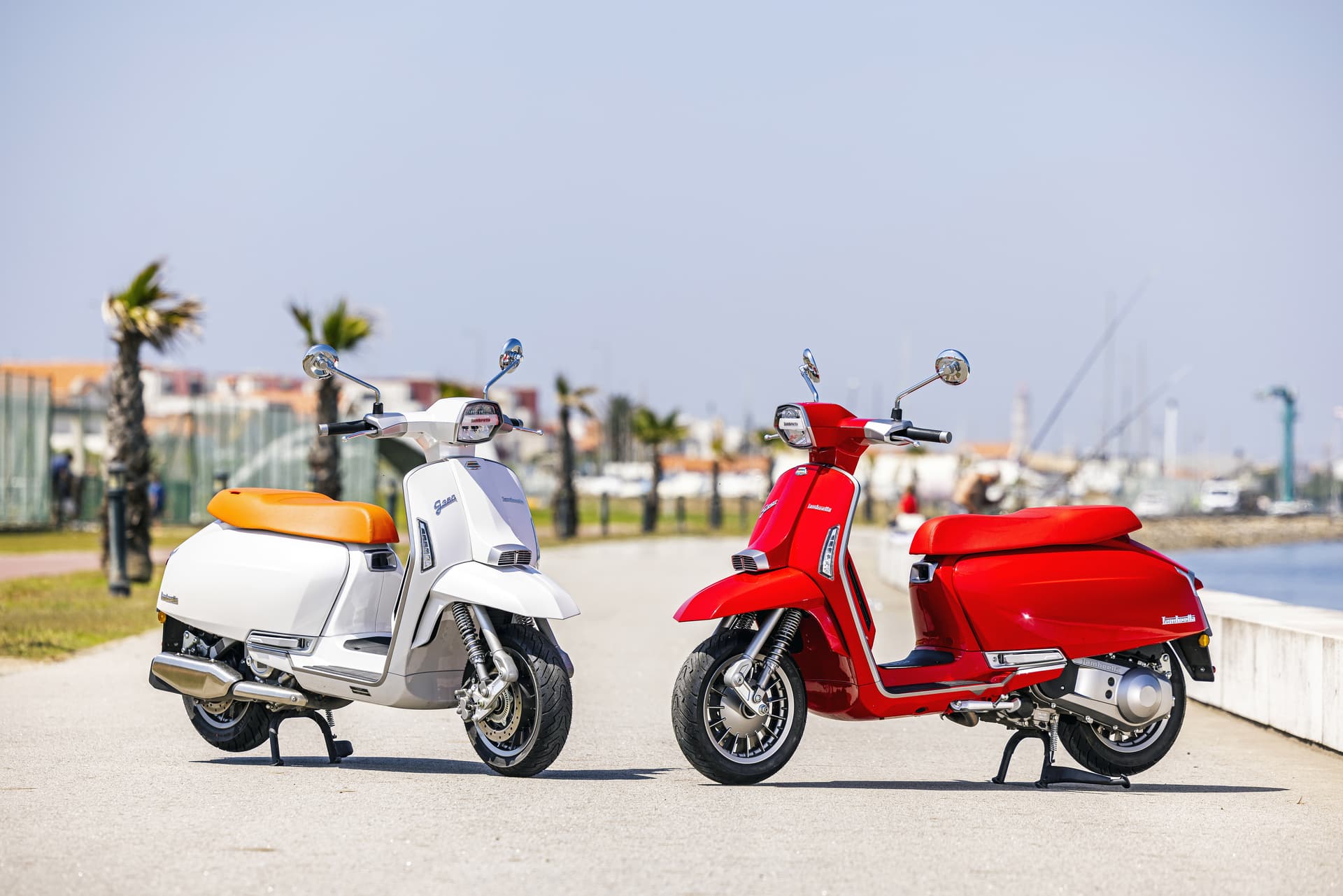
As in the first Lambretta models since its return to production in 2017, the medium-displacement models that we present to you today – the Lambretta X300 and the Lambretta G350 – are inspired by the design and shapes of the Lambrettas of yesteryear. Its hallmarks remain intact: monocoque chassis, elongated wings and front fender independent of the steering.
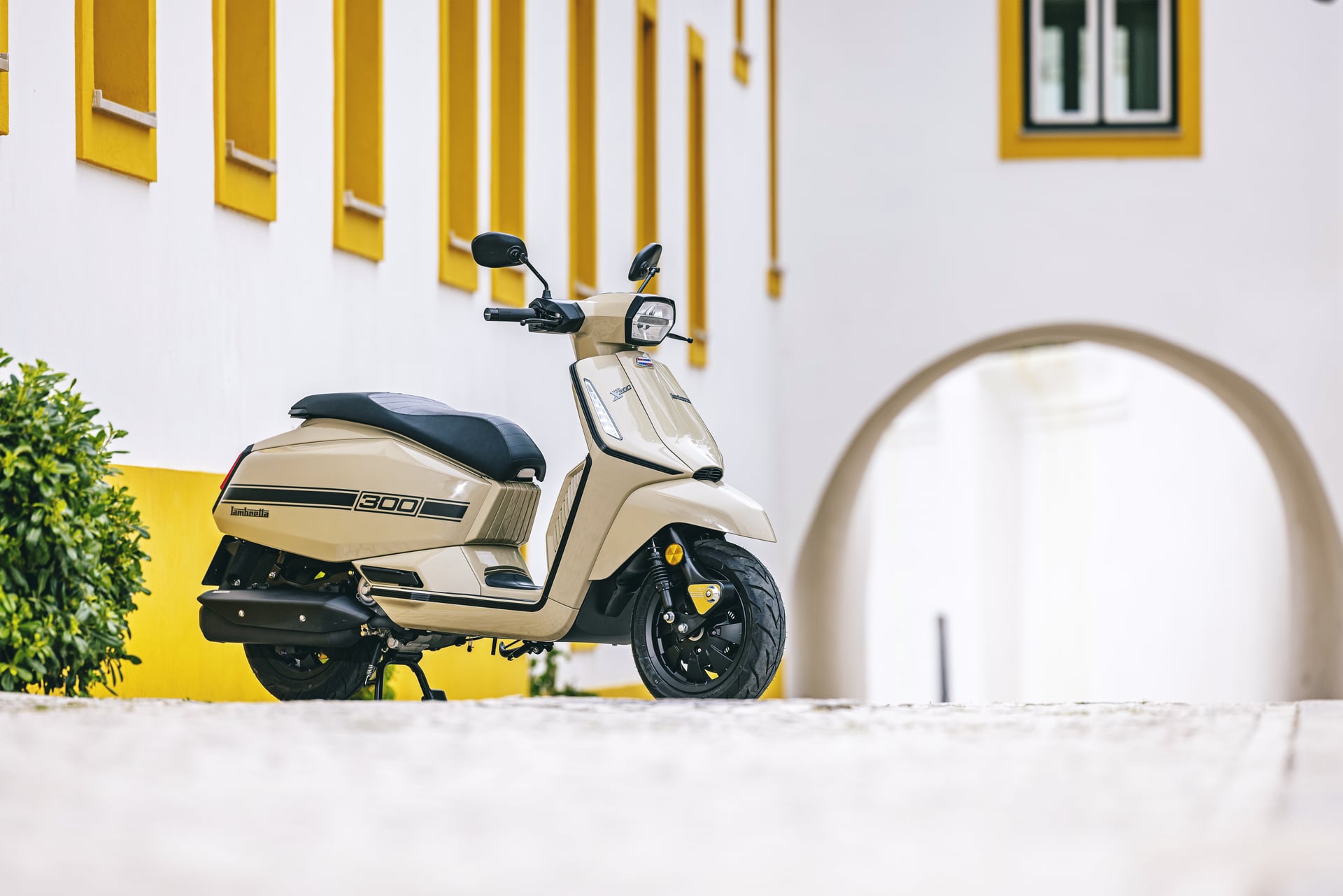
And just like in the past, they come to compete with Vespa scooters. Both brands have abandoned 2T engines and compete with 4T engines, which are cleaner and require less maintenance. If you are wondering why two scooters have just 50 cc difference in displacement, it is due to a segmentation issue.
The Lambretta There will be an X125 version soon.
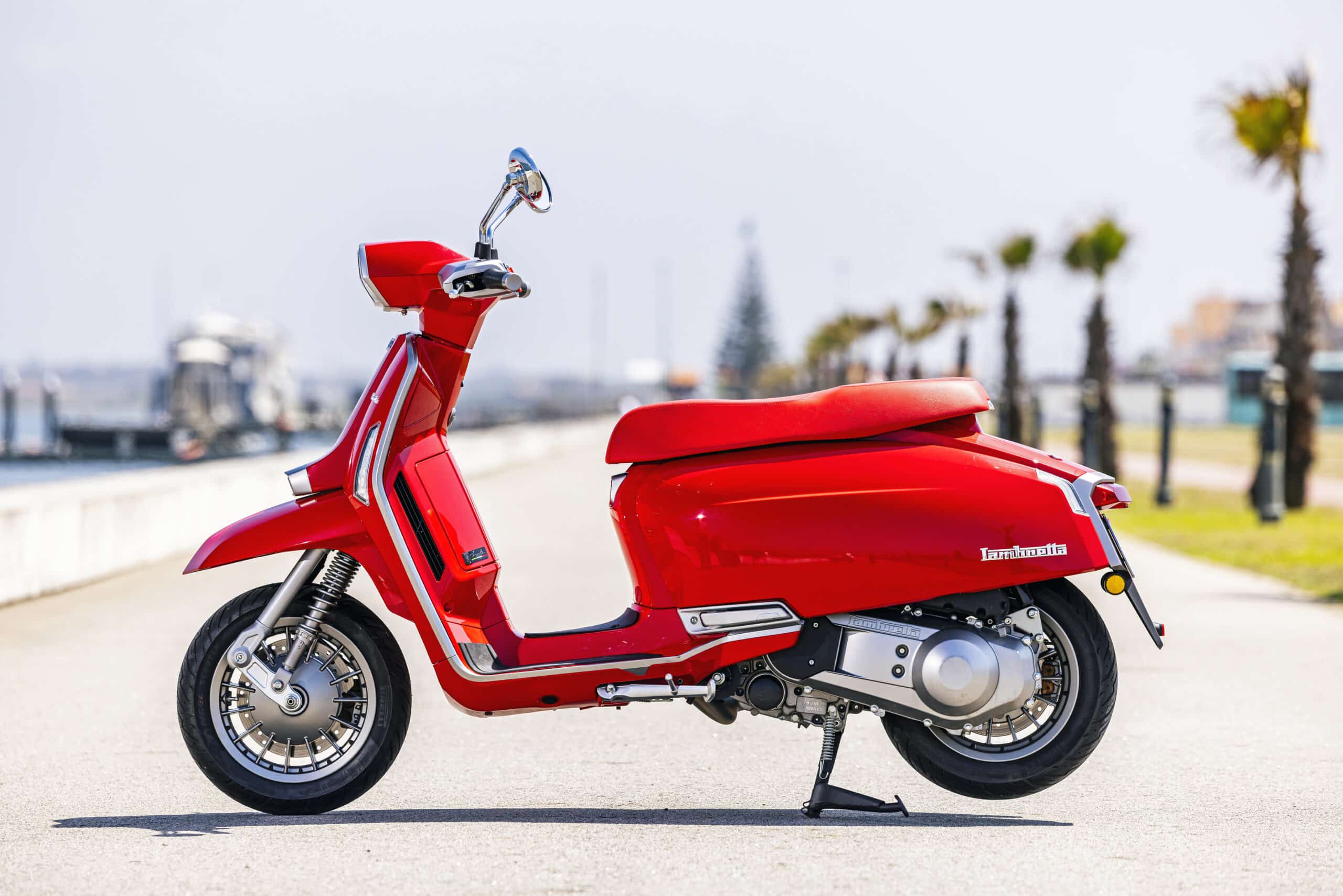
The Lambretta G350 (26.4 HP, €6,999) is a premium product that recreates classic lines. Its larger displacement allows it to run at lower rpm, with less noise and more comfort. Its equivalents among the competition would be the Vespa GTS 300 (24 HP, €7,099) and the Vespa GTV 300 (24 HP, €7,499), also pure Italian design.
All our lives there have been supporters of one brand or another. Vespa was more mainstream, while Lambretta was more exclusive and elitist. There are still many models from the last century in operation and that will soon be able to benefit from the regulations for historical vehicles to be able to circulate in the Special Protection Areas. However, they lack the features and safety of the two Lambrettas that we present to you today and whose capacity for seduction is undeniable.

Lambretta X300/G350 test: Technical characteristics of the Lambretta X300/G350
Both scooters are similar in structure and design, but they not only vary in the motorization, but also in their dimensions. They coincide in a double-layer side panel chassis whose base is an intermediate beam that provides rigidity and allows easy access to the engine from the top, by opening the saddle and removing the panel that serves as a hole for the helmet – not very big in both cases, even less in the X300-. The sides are covered with practicable panels that allow for a multitude of color combinations.
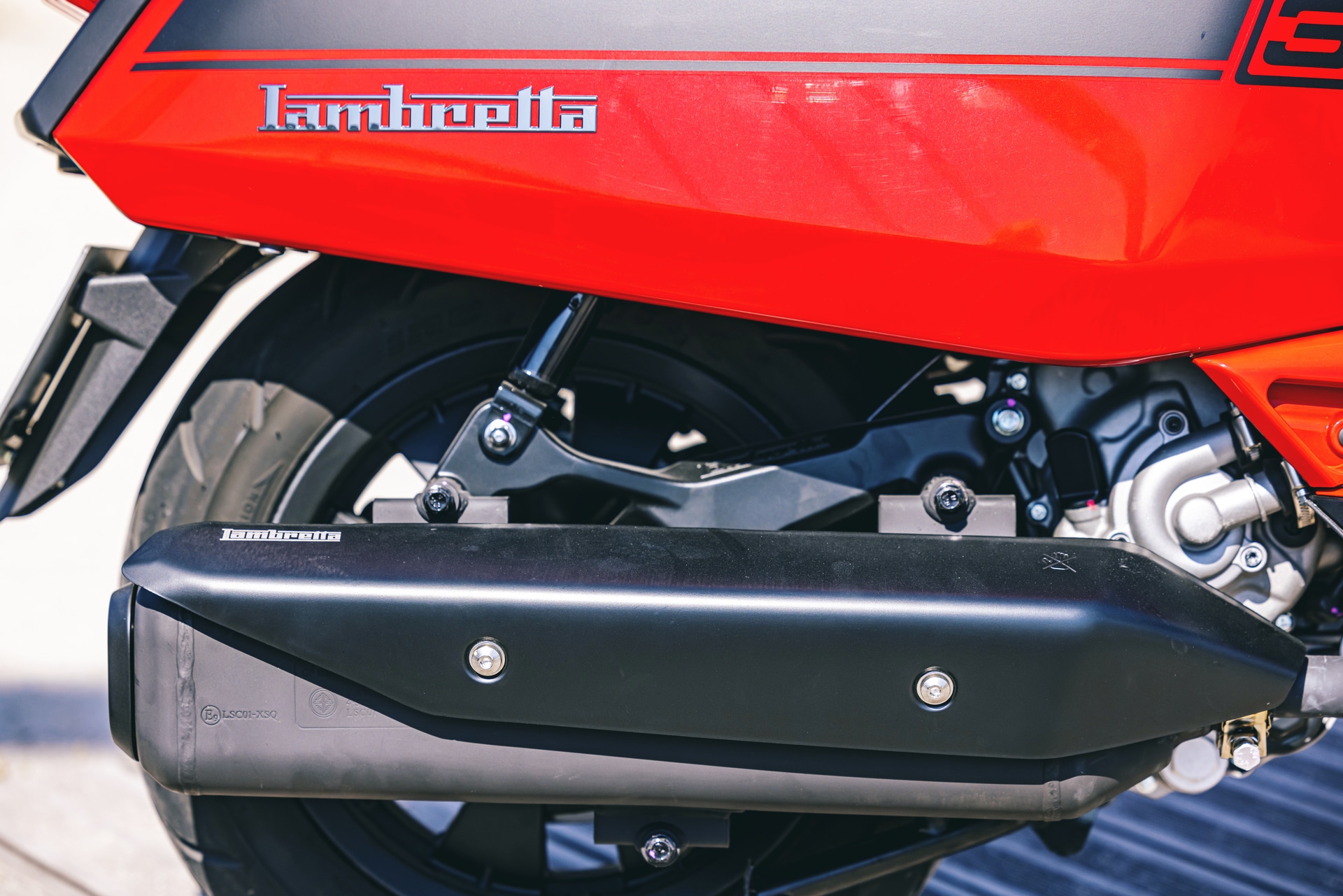
The engine of the Lambretta The front suspension consists of a double swing arm with double shock absorbers, while the rear uses double shock absorbers.
The discs are 220 mm on both trains and the wheels are 12 inches. With 7 liters of tank, the range barely reaches 200 kilometers. The wheelbase is 1370 mm and the weight remains at 174 kg.

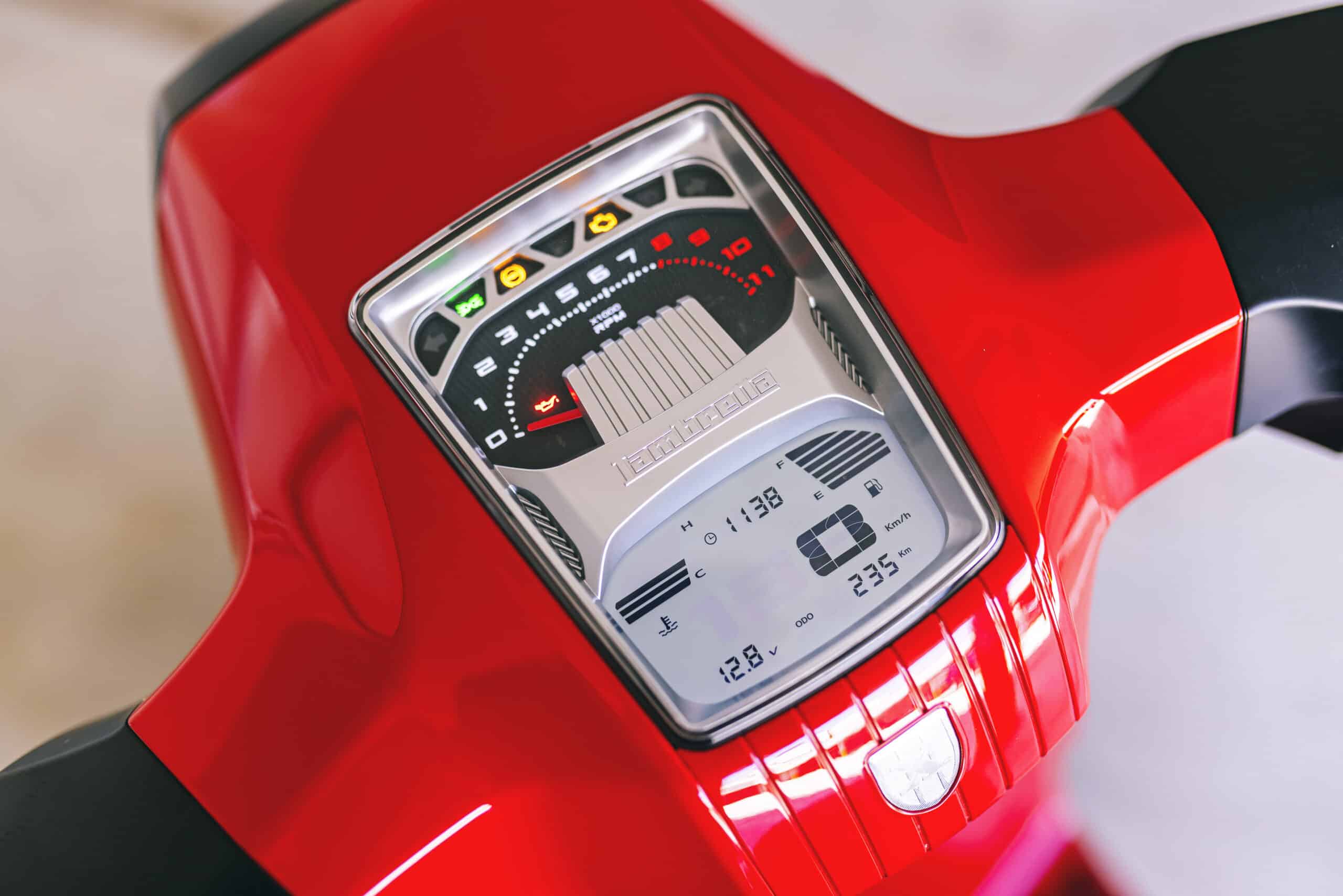
The lighting is full LED. The integration of the rear light stands out, which, although modern, immediately evokes the models of yesteryear, as well as the stickers on the sides. The instrumentation combines an analog part with an LCD screen. It has smart keyless engine start. Curiously, the top model does not.
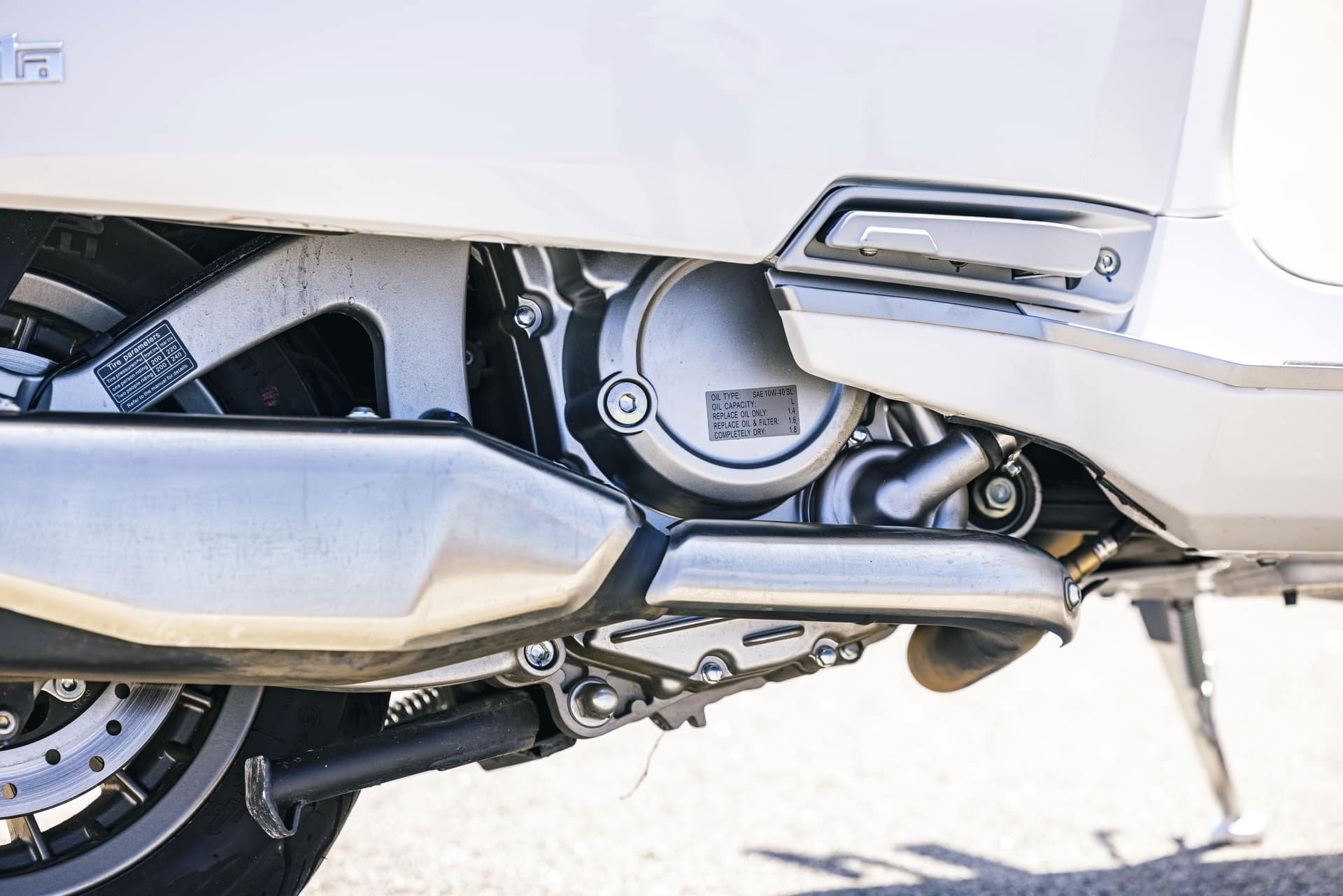
The Lambretta G350 engine is also DOHC, but it has a capacity of 300 cc and produces 26.4 HP at 7,500 rpm, a lower speed than its sister, which results in greater comfort. The approved consumption is 3.7l/100, but it has 9 liters of capacity, so its range should exceed 200 km.
It also has a double swingarm with double shock absorbers on the front wheel and double shock absorbers at the rear, but its setting is more comfortable and effective than that of its sister. With 12-inch wheels, the weight remains at 173 kg for 1,400 mm between axles, slightly more than its sister.
The seat is an affordable 790 millimeters from the ground. In the unit we tested, it matched the red of the body, which gives it a certainly elegant appearance.
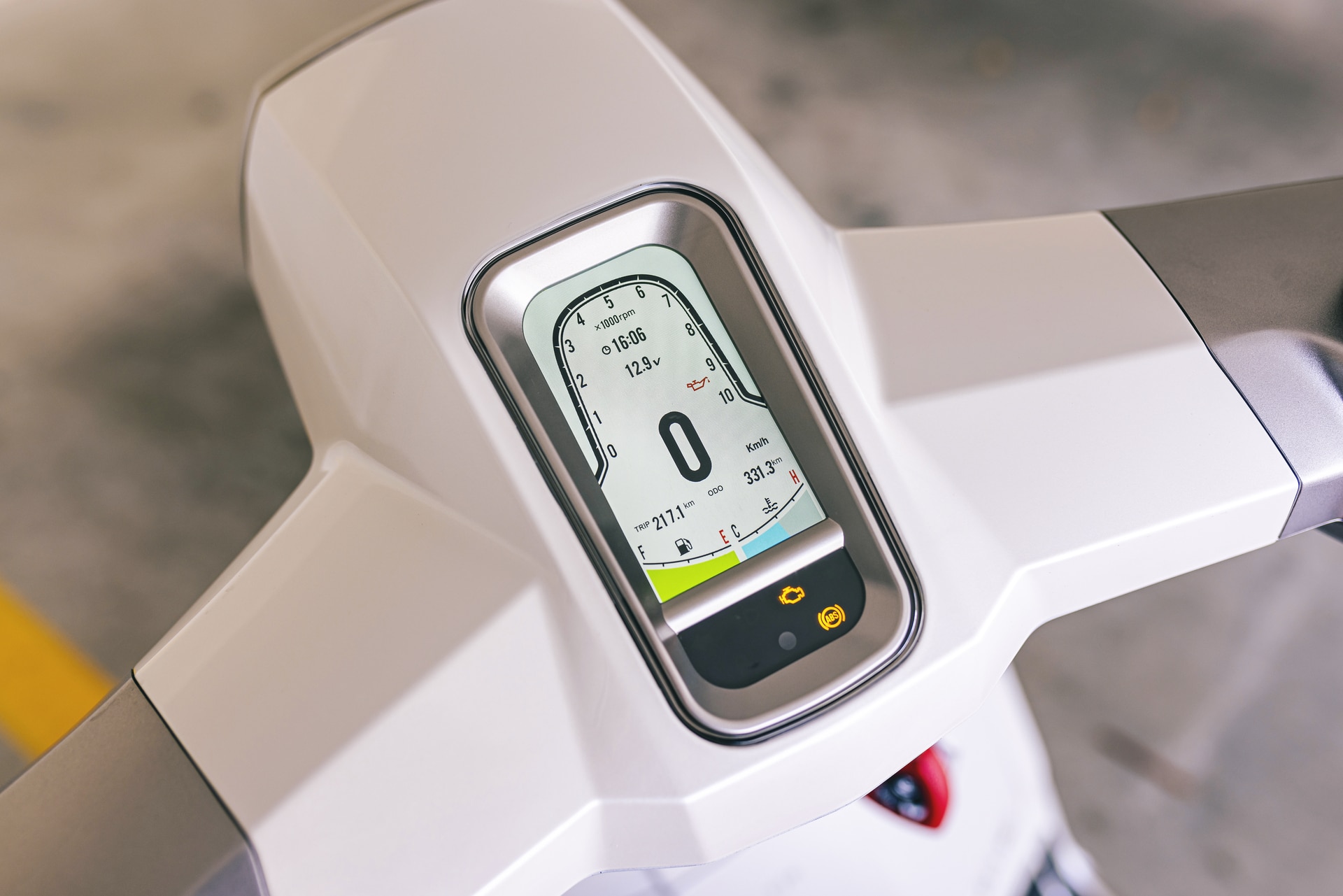
The equipment contains details such as tools in the glove box behind the shield. Inside it there is also a USB connection for chargers or mobile phones, as well as Bluetooth connectivity. The TFT screen is small but complete and the lighting is full LED. To highlight the integration of the turn signals in both models, a good design detail.
As you can see, the differences exist between the two, but they are not very pronounced. But if you keep reading, you will discover the differences in behavior.
Lambretta X300/G350 test: How the Lambretta X300/G350 fare
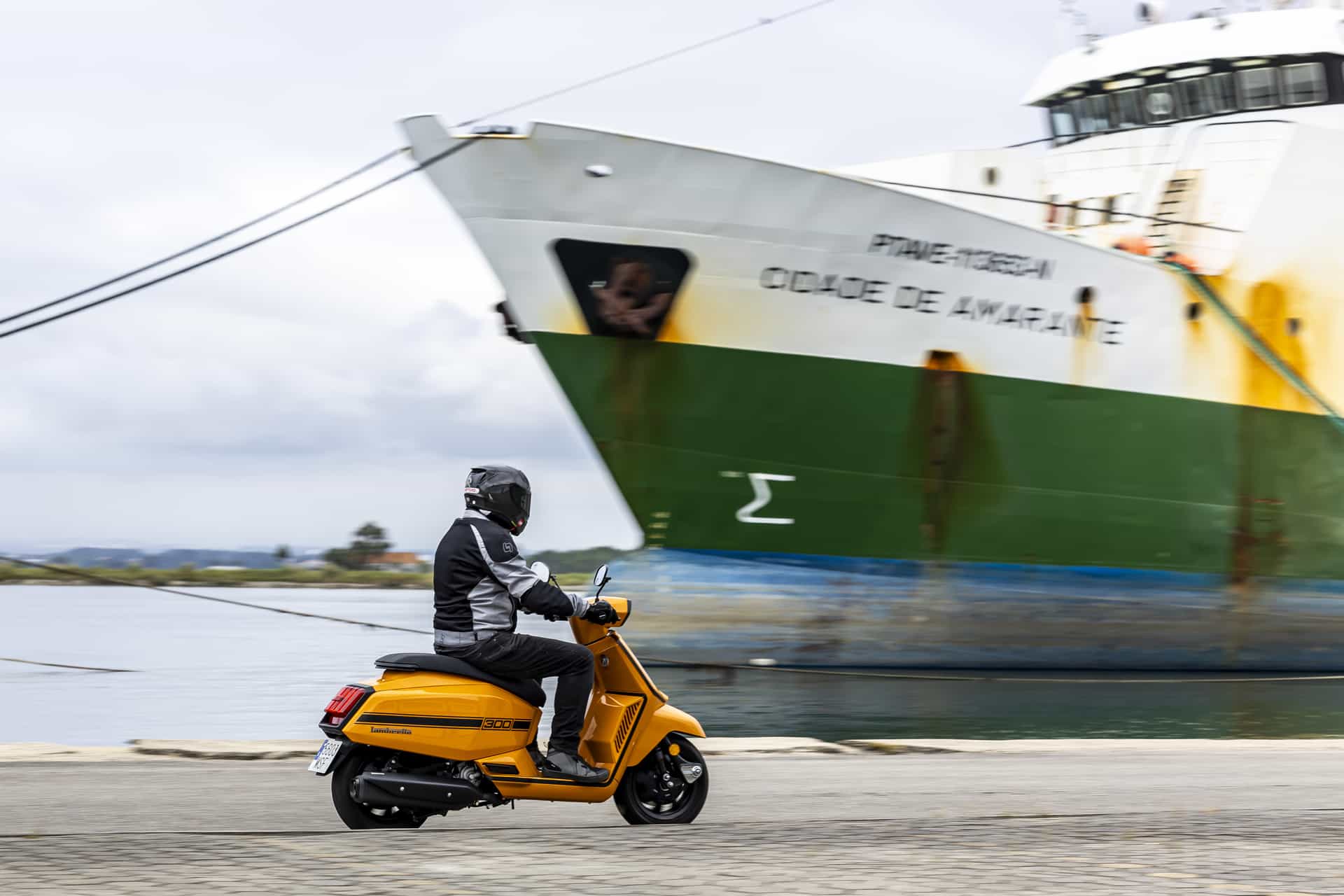
We are looking at two scooters, and therefore, citizens. Both have a good turning radius and good maneuverability, but they have different characters, more due to the differences in the engine response than because of the different dimensions they present.
The Lambretta X300 is a scooter that turns quickly and encourages dynamic driving. On the other hand, the G350 has a slower rev rise, but with more thrust at low revs.
In practice, the features are quite similar, perhaps the They filter irregularities better and give the driver more information.
Note the thickness of the grips in both models, especially the G350, whose levers cannot be adjusted as their origin is hidden inside the handlebars, but they are also not adjustable, a lack in a premium scooter.
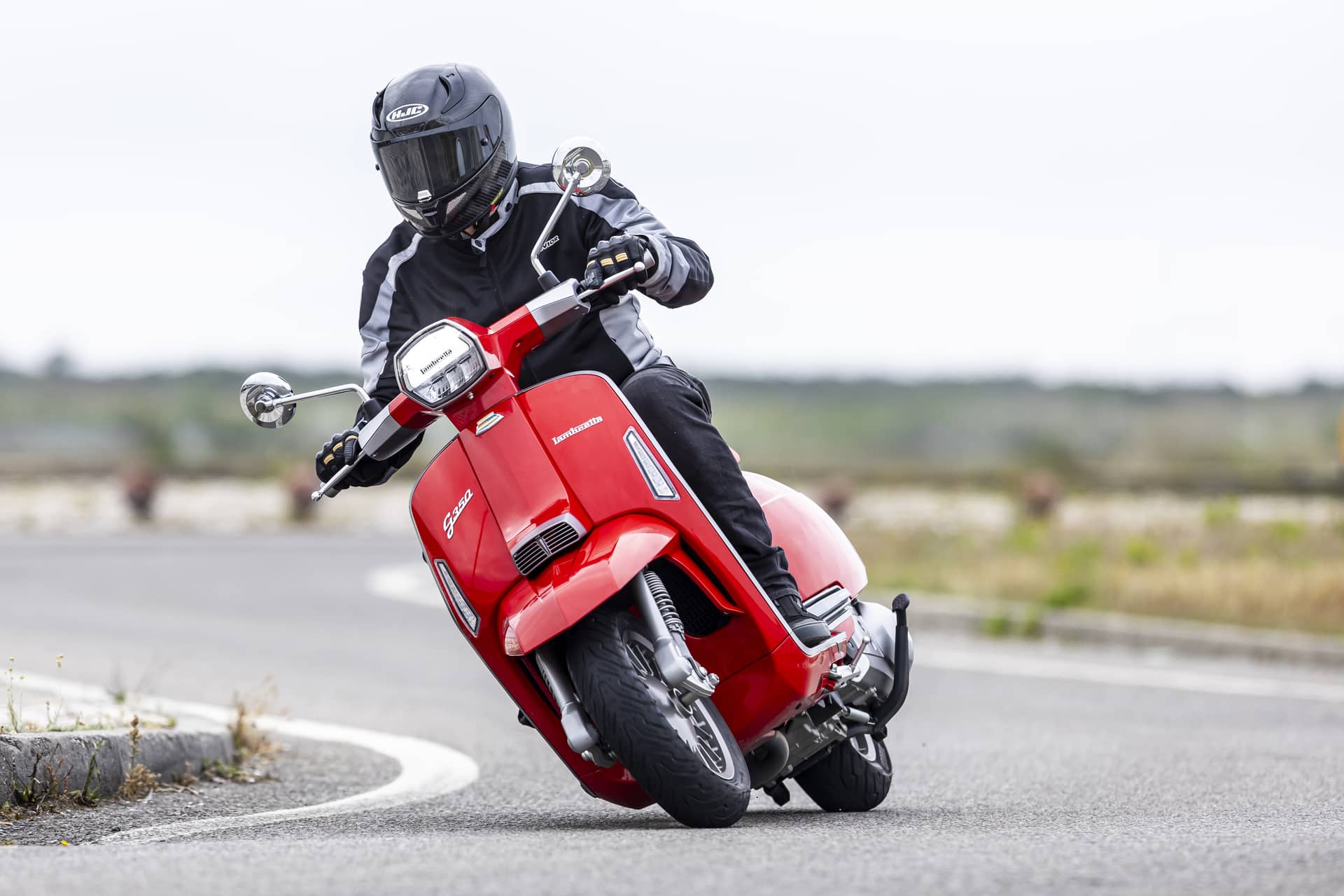
Another aspect to improve in the G350 is the visibility of the TFT screen, penalized by its tilt angle, which gives reflection and prevents color recognition. On the other hand, on the X300 it is very easy to read the instrumentation. There is no such reflection, but since instead of a TFT there is a monochrome LCD screen, there is no danger of confusing colors.
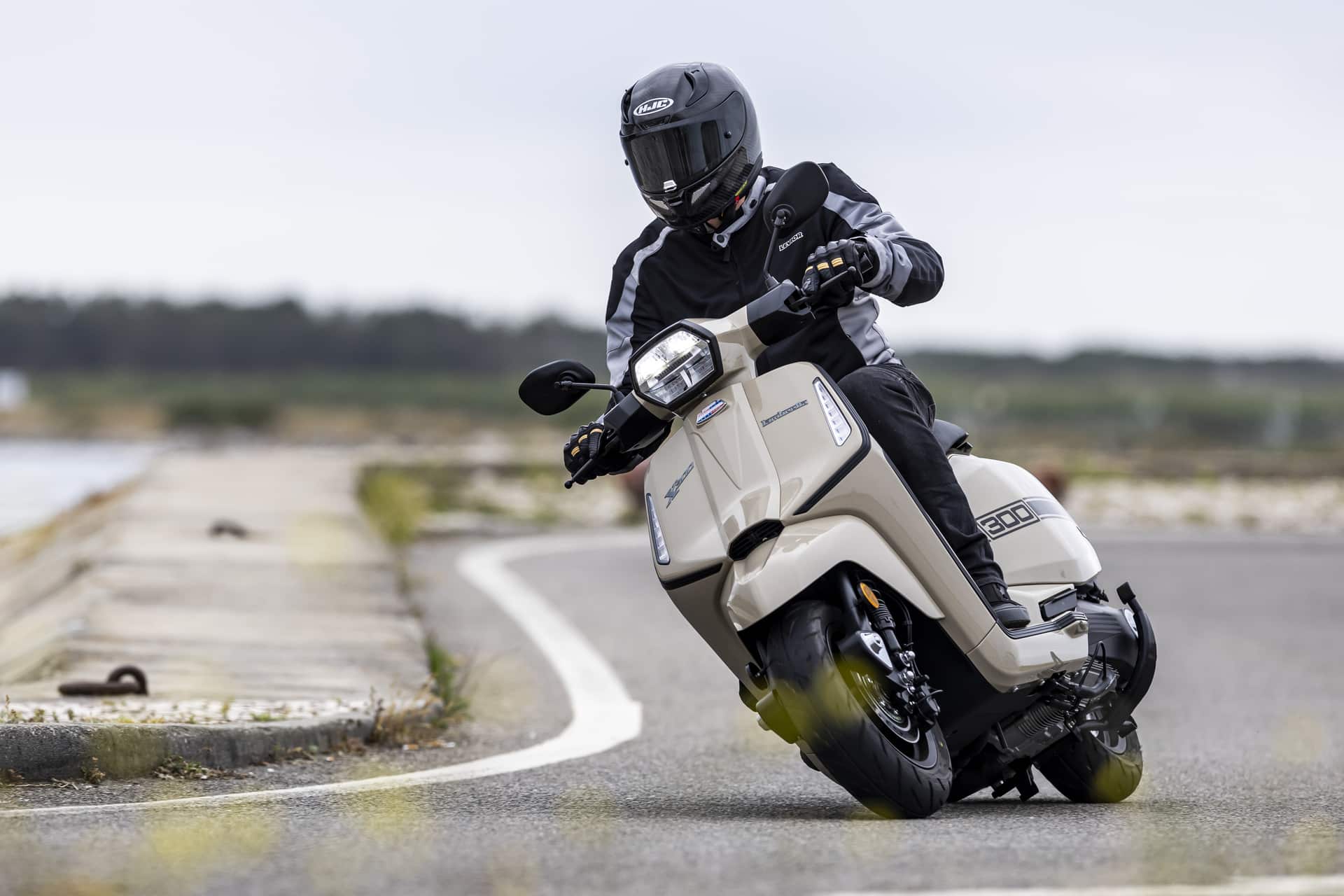
The ergonomics are different. The X300 is a more collected and agile scooter, while the greater volume of the G350 allows more freedom of movement behind its shield. Basically, they are two ways of focusing on the same segment.
That doesn’t mean that one is better than the other, but rather which one best suits your habits and customs. What is the same in both is the feeling of riding on a special scooter, which in addition to being practical, is aesthetic, as long as we ignore the space under the seat, which is quite limited to barely accommodate a jet helmet in the case of the X300.
The G350 allows for something more, but not for a second helmet. To alleviate this lack of space, there are hooks, behind the shield, to secure shopping bags or whatever they touch. The deck isn’t strictly flat, but it’s close enough to consider it a practical vehicle.
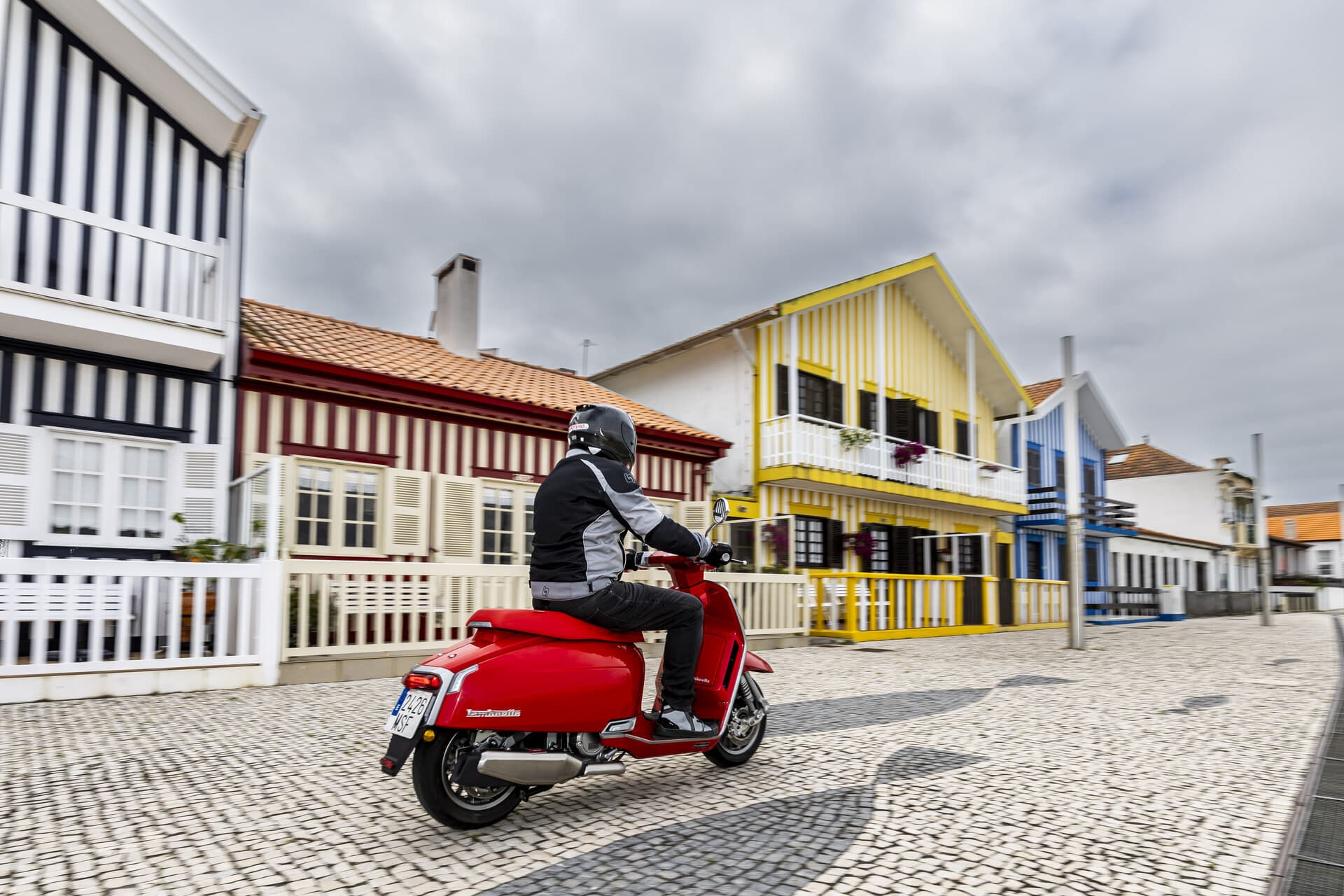
The performance of both is on par with any modern scooter of the same displacement, including braking, which is truly effective in both models. With them you send the message that, in addition to opting for a practical vehicle, you need it to be aesthetically more than just pleasant: welcome to the aesthetes’ club.