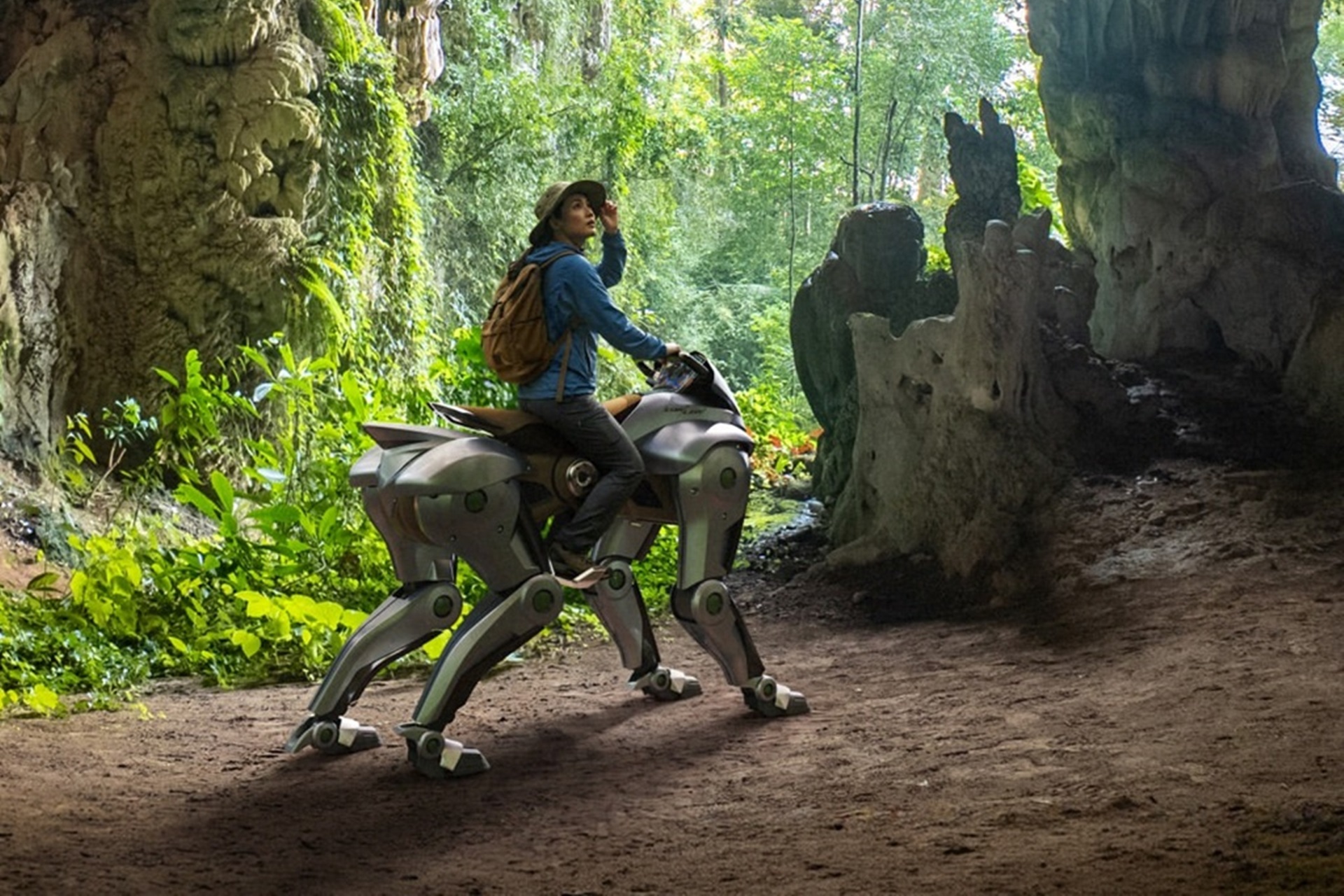
At the beginning of this year we told you how Kawasaki’s most radical invention already has a launch date: in 10 years you will be able to buy a Corleo. It will be officially presented as a mobility vehicle at Expo 2030 in Riyadh, Saudi Arabia, while the brand is already working to begin its commercialization in 2035. That is at least what the Japanese company assured then.
Corleo, the “all-terrain robot horse”
It might seem like science fiction, but it is not at all. Kawasaki is fully convinced that in just a few years people will be traveling on vehicles similar to Corleo. Designed under the “Group Vision 2030” promoted by the Kawasaki Group, it is based on three future objectives:
- “Secure and Remotely Connected Society”
- “Mobility in the Near Future”
- “Energy and Environmental Solutions”
In short, we are facing a “Kawasaki’s revolutionary all-terrain personal mobility vehicle offers excellent off-road capability, powered by four robotic legs, along with the handling and stability of Kawasaki motorcycles”according to the brand itself. All of this “without losing the joy of driving, the vehicle continuously monitors the driver’s movements to achieve a comforting sense of unity between man and machine.”
New details of Corleo
Just a few hours ago the American media Ride Apart exclusively published a series of images regarding the latest patent registration carried out by Kawasaki, all of them related to the design and development of Corleo. Apparently Akashi’s people requested this registration this August and it provides abundant information about the famous four-legged concept.
At the same time, on the official page created by the brand exclusively to promote Corleo, they published just a few days ago an image generated by AI where they call the concept a RMV (Robotic Multi-legged Vehicle) and they explain: “Here, CORLEO brings the RMV (Robotic Multilegged Vehicle) experience to the rainforest with quiet precision.”
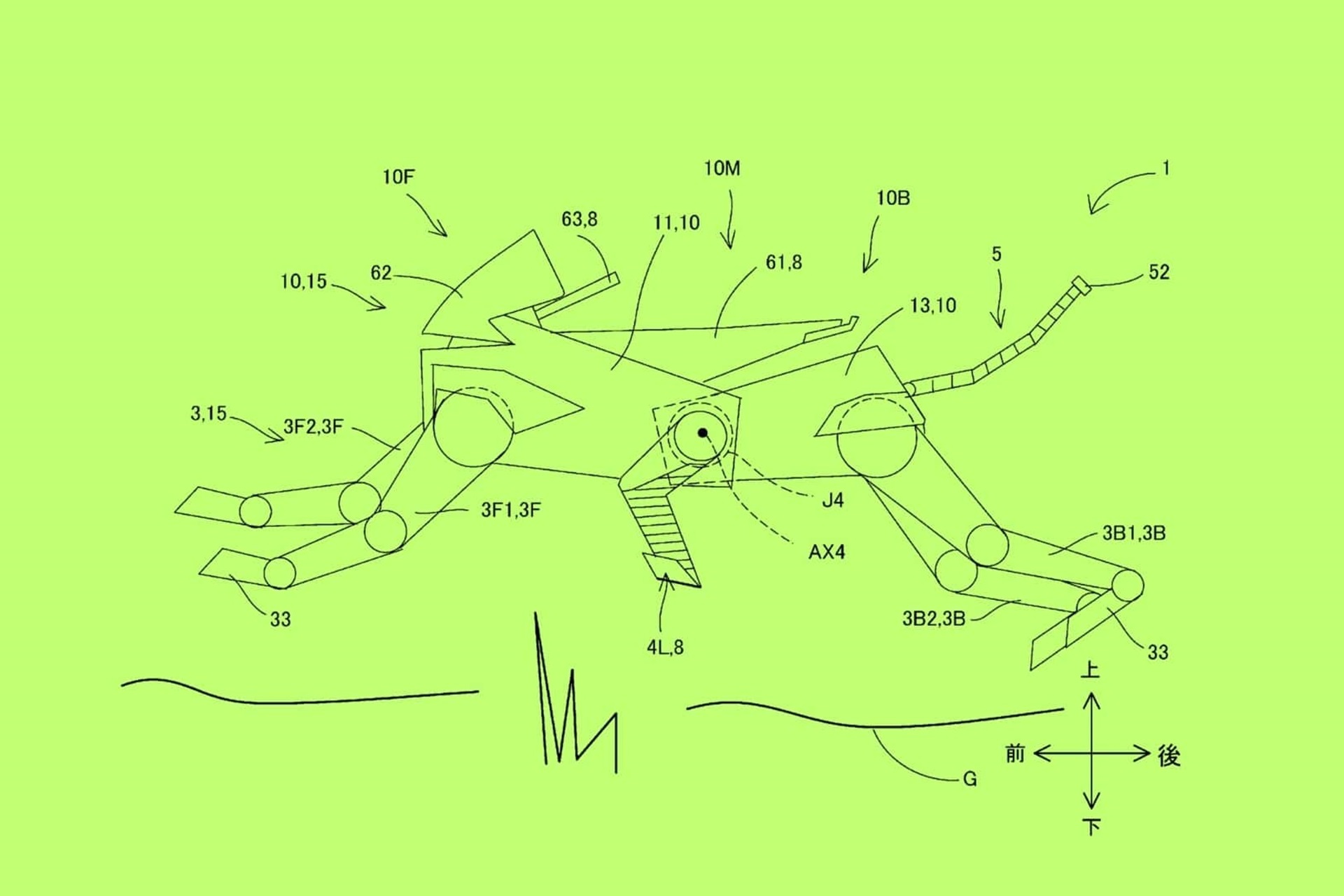
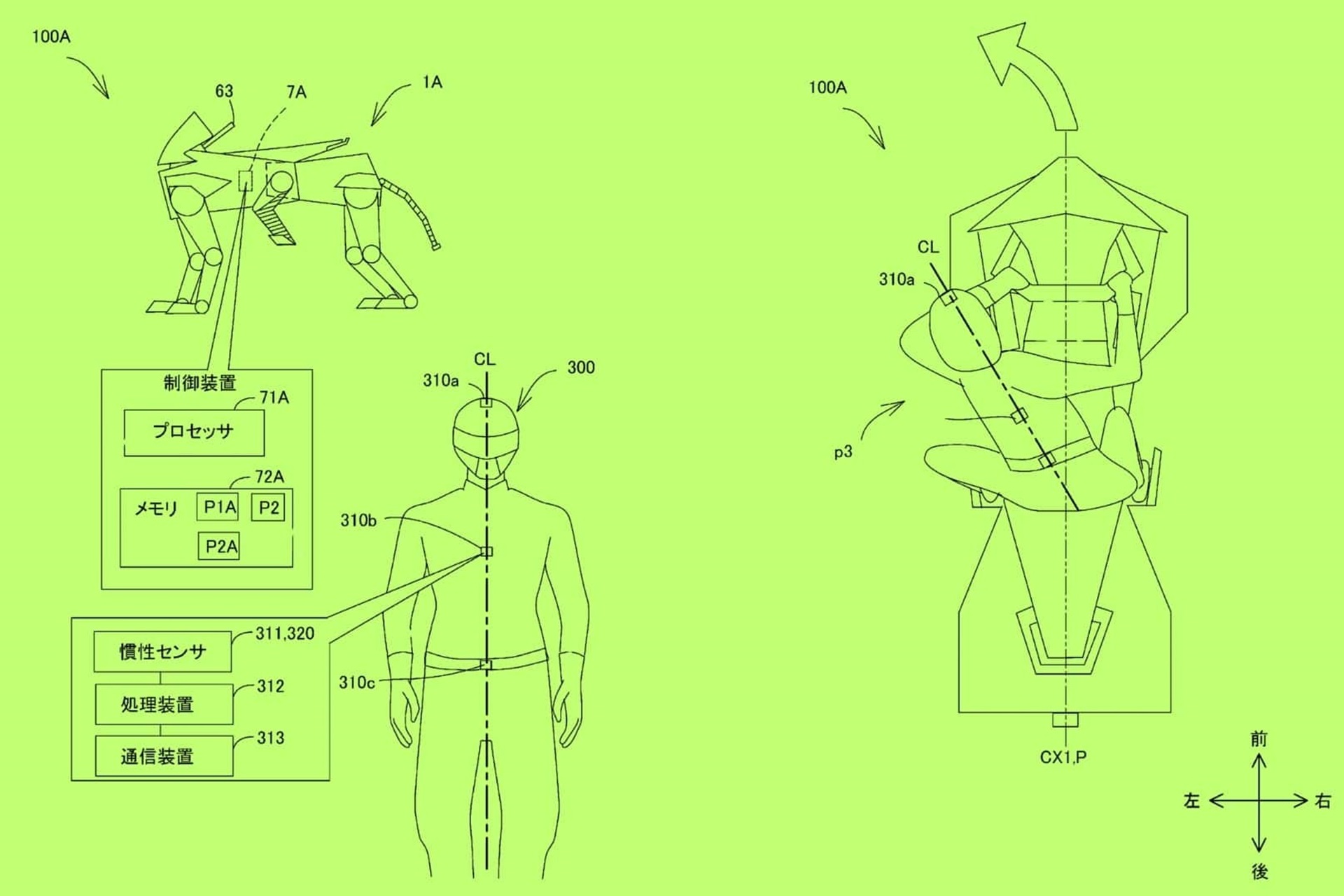
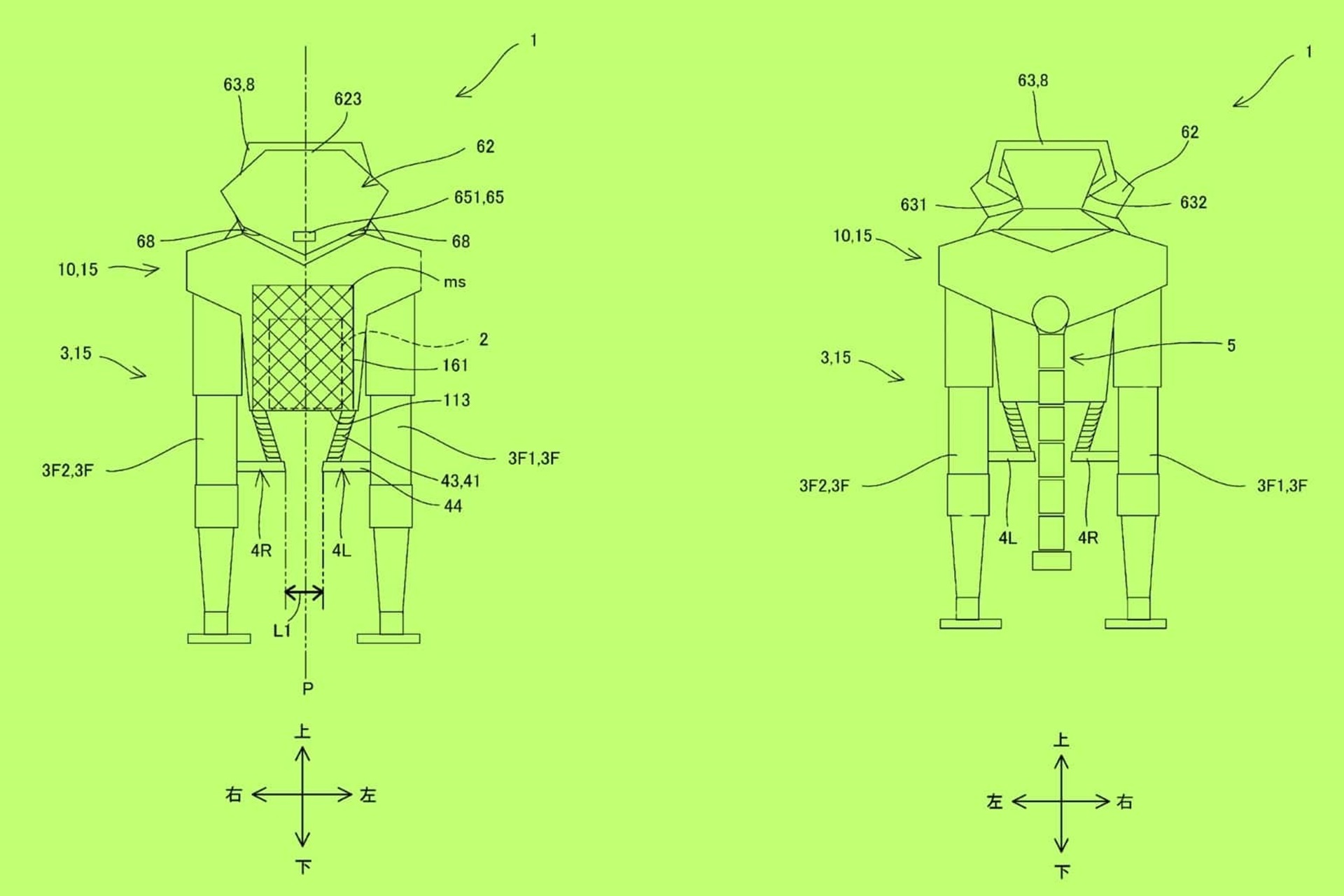
As for the images in the form of design drawings, we can see how the brand focuses on the multiple sensors that Corleo will have, directly interconnected with the pilot’s equipment. In addition “Corleo’s legs will be articulated and will have suspension elements to guarantee the comfort of whoever sits in the chair”our colleagues analyze.
The sketches also confirm that Corleo can “be ridden” by two occupants, thanks to having adjustable rear footrests. It will also have a good-sized storage compartment to store various objects and even a backpack. All this without forgetting an adaptive lighting system with which to warn other vehicles of its presence wherever it circulates.
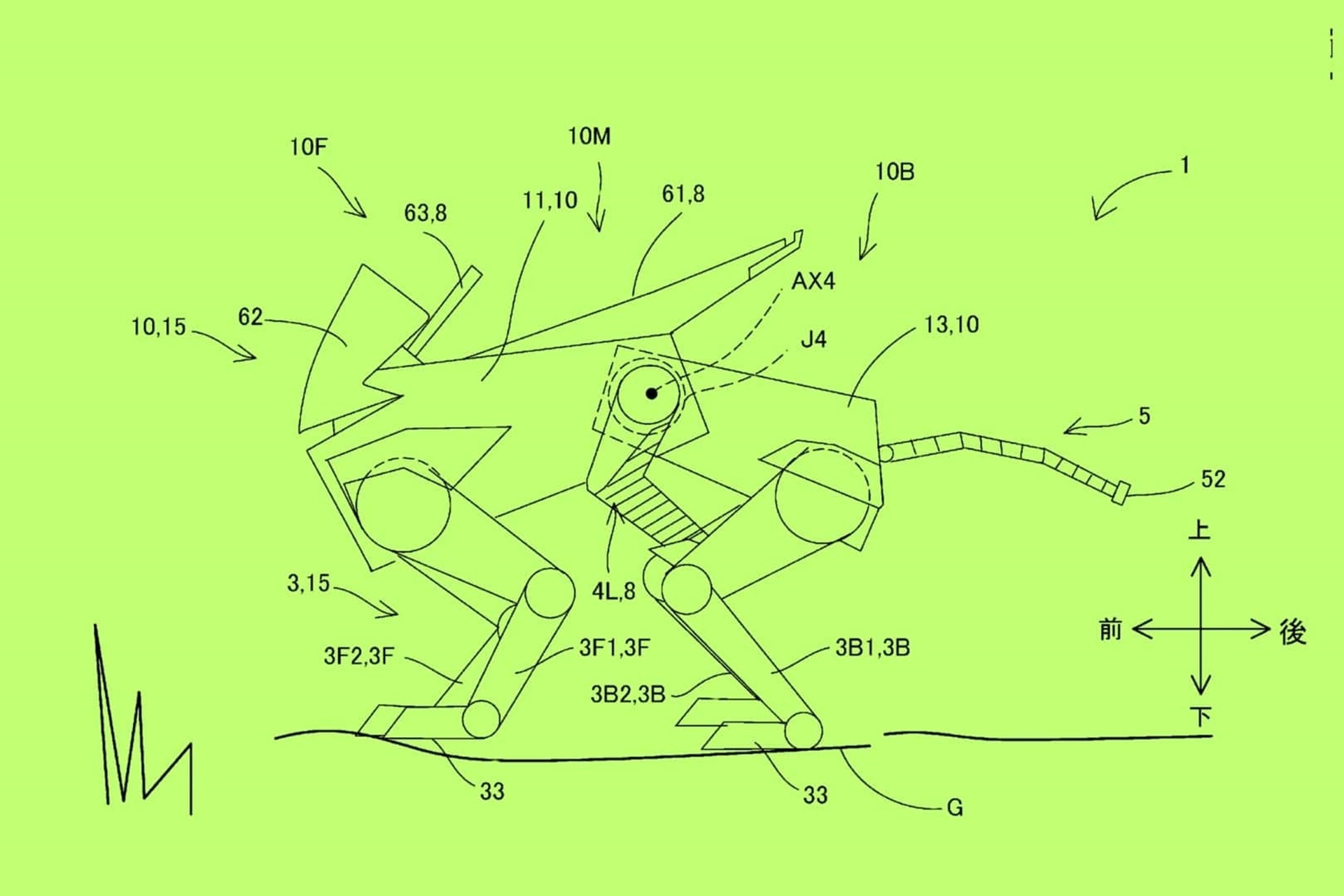
The use of a hydrogen-powered engine is also confirmed, although the use of another type of fuel is possible. This energy source will in turn be responsible for keeping the quadruped’s electronic section operational. This will include a digital instrument panel from which we can control the different driving modes, going through the independent suspension parameters and ending with an advanced automatic stop system.
Ride Apart concludes on this: “In addition, it will include an auto-stop function (as I assume it should), where all onboard sensors record the rider’s position. If, for example, your hands slip from the cuffs or you pull on them (as if pulling on the reins), the robot horse will slow down or stop completely (depending on the forces involved).”