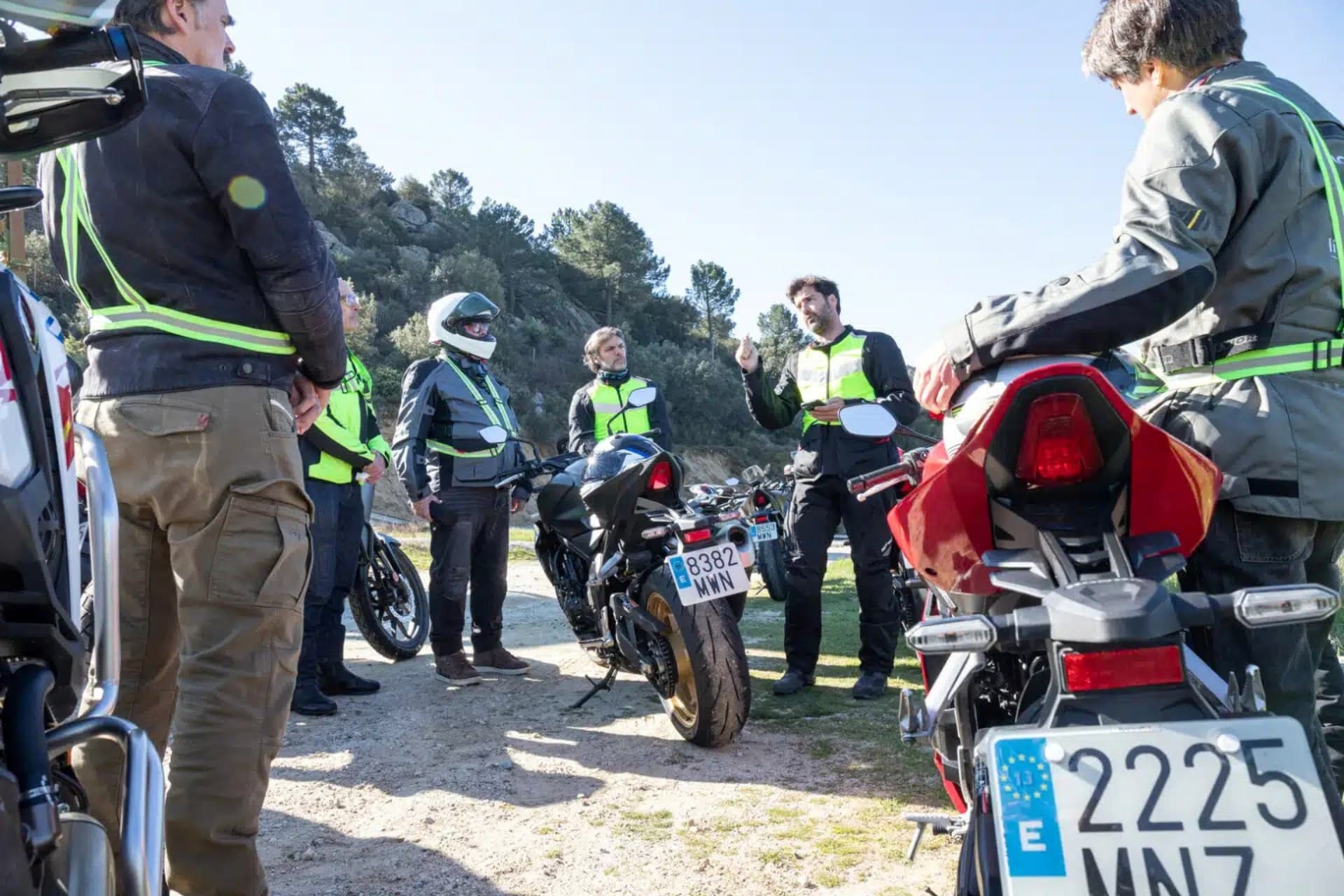
This proposal of the SMC It’s not just theoretical. It is based on years of analysis of real accidents, many of them studied together with the Swedish transport administration. The result is a clear and direct guide, designed for any pilot, from the most novice to the most experienced.
As we all know, riding a motorcycle is not a dangerous activity in itself, but it does require a higher level of involvement than other vehicles. The difference is in how you drive. So, thinking 8 seconds ahead may seem like a minor detail, but in practice it is one of the most effective tools to reduce risks.
Because on a motorcycle, safety does not depend on a single action, but on many correct decisions made in time. And, here, every second counts.

Riding a motorcycle will never be a risk-free activity, but it can be much safer if you understand how and why accidents occur. In most cases there is not a single cause, but a chain of errors: inadequate speed, poor layout, lack of anticipation or even psychological factors.
This is where the call comes into play.8 second rule“At 50 km/h, this margin represents about 111 m to react. At 100 km/h, the figure shoots up to 222 m. Enough space to brake, avoid or correct a line… as long as the situation has been anticipated.
Jesper Christensenexpert of the SMCsummarizes the approach clearly: “…it is not just about reacting, but about foreseeing. And that requires technique, attention and, above all, attitude”.

8 keys to safer driving and avoiding accidents
- Speed under control and always adapted. Speed is one of the most determining factors in the severity of an accident. It’s not just about respecting limits, but about adjusting the pace to your level, the state of the asphalt and the traffic. The faster, the less room to correct errors.
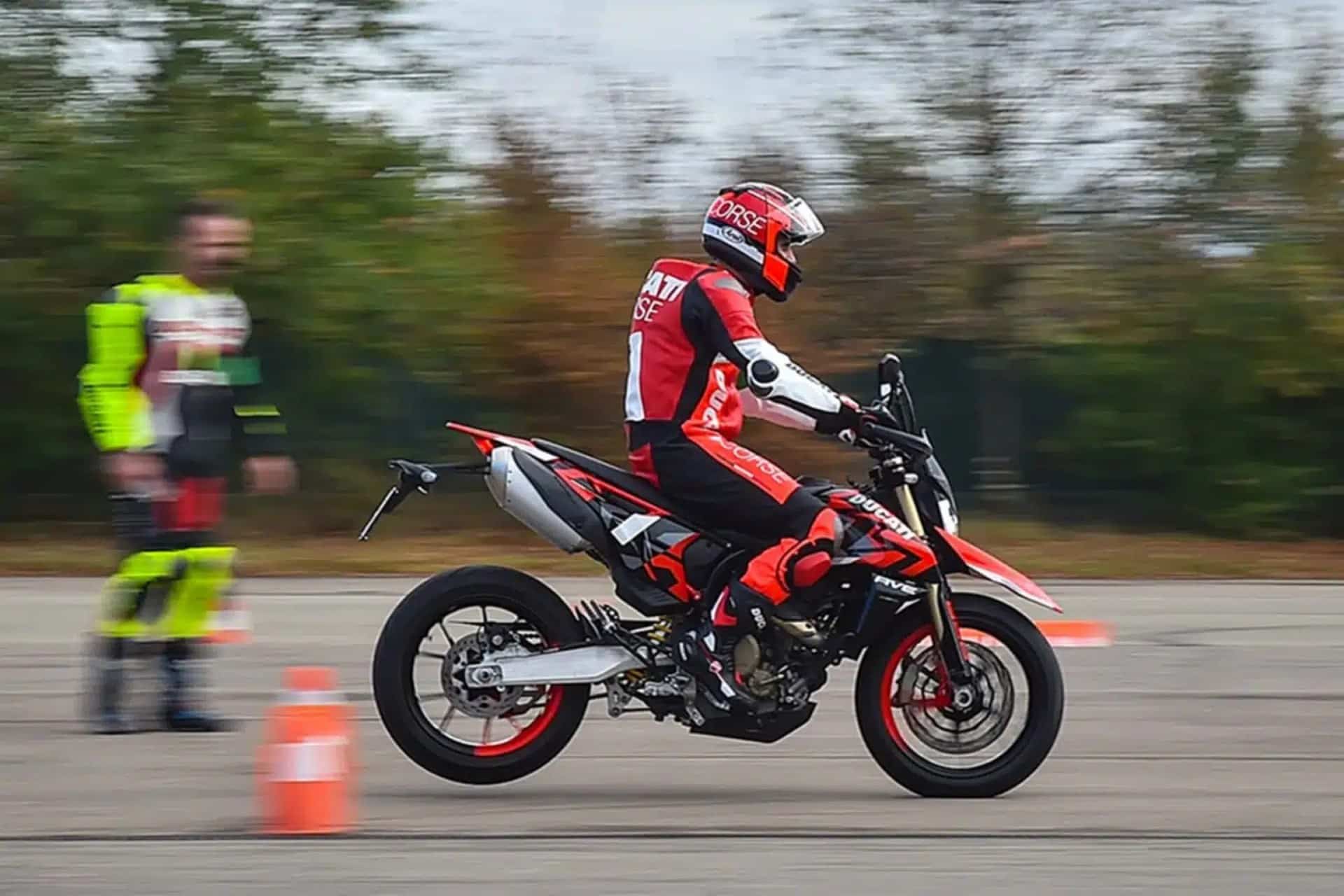
- Mastering braking makes the difference. Knowing how to brake well can prevent a fall even at low speed. Practicing emergency braking, understanding how ABS works and keeping the motorcycle stable when decelerating are basic skills that every rider should train frequently.
- Curve technique: enter slowly, exit safely. Many accidents occur on curves, especially due to excessive speed or poor alignment. The key is simple: reduce before entering, maintain a clean line and avoid invading the opposite lane. Anticipation allows you to correct before it is too late.
- Read traffic as if it were a language. A hesitating car, an hesitant pedestrian or a poorly marked intersection are clues to what can happen. Safe driving involves constantly interpreting the environment and anticipating the possible movements of other users.
- The experience is not improvised. Changing a motorcycle means starting from scratch in many aspects. In fact, a significant portion of fatal accidents occur with newly purchased motorcycles. Adapting to a new machine requires time, practice and prudence.
- Training and responsibility at the handlebar. Having a license and adequate training is essential. Just as it is to avoid any driving under the influence of alcohol or drugs. These are factors very present in a worrying number of serious accidents.
- State of mind: as important as the technique. Group pressure, stress or poor concentration can work against you. Driving angry, tired or trying to keep up with others is a dangerous recipe. Each pilot must know his limits and respect them.
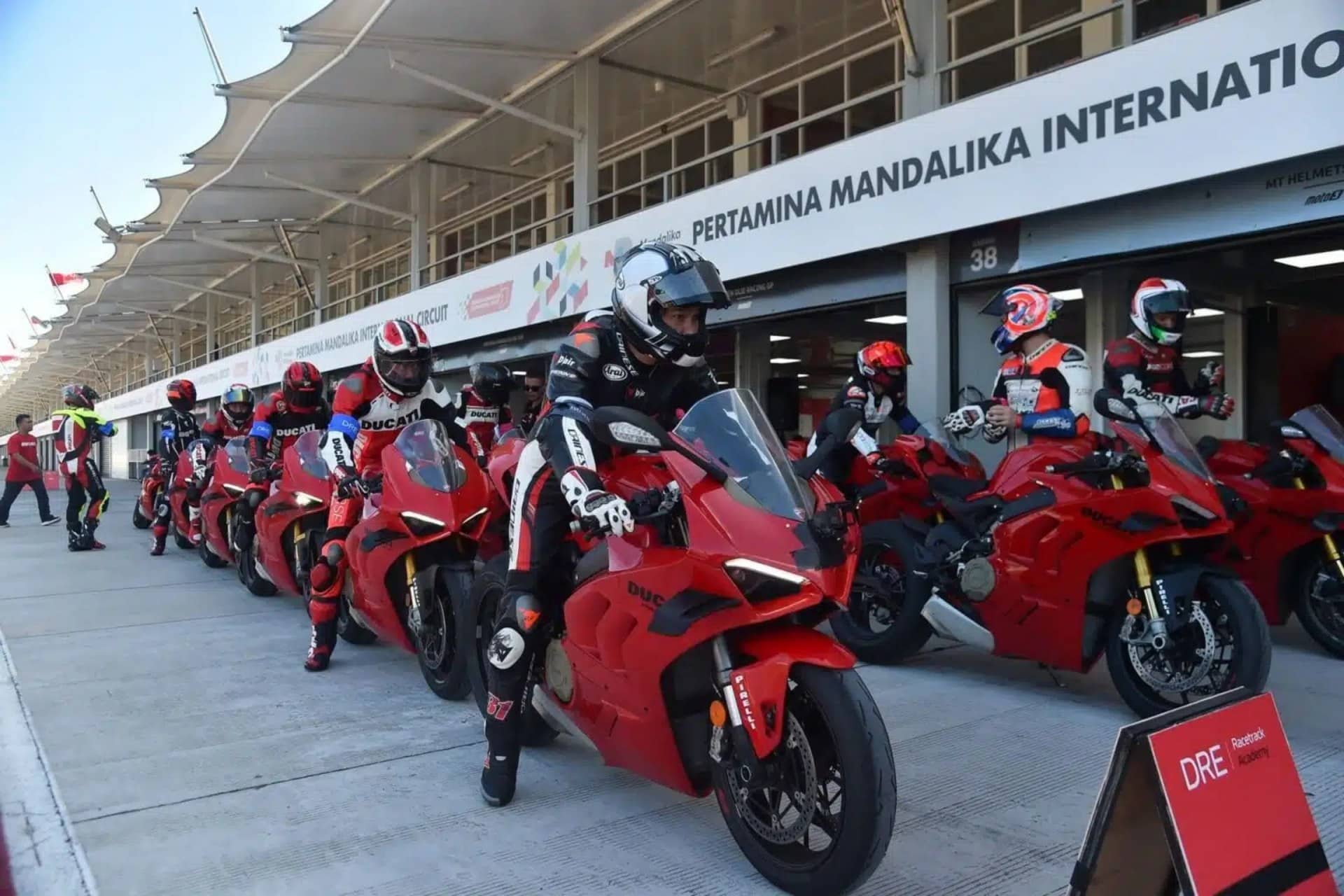
- Equipment: the last line of defense. Approved full-face helmet, jacket and pants with protections, gloves and boots are not optional. In the event of an accident, the right equipment makes the difference between minor injuries and serious consequences. Added to this are electronic aids such as ABS or traction control.
But what does the data say? Studies carried out in Sweden reflect a clear pattern. About half of fatal accidents involve collisions with other vehicles. The rest is divided between road departures (especially on curves, as we mentioned before) and, to a lesser extent, impacts with animals.
This Swedish approach to SMC It is not limited only to analyzing accidents. There is ongoing collaboration between this association and the Swedish Transport Administration to transform this data into concrete measures. Such as improvements in infrastructure, regulatory changes and training programs.
At the international level, organizations such as the Fédération Internationale de Motocyclisme are also involved in data analysis and making recommendations. In addition, initiatives such as the Connected Motorcycle Consortium are promoting the development of technologies that will allow, for example, cars to detect motorcycles and avoid dangerous maneuvers.