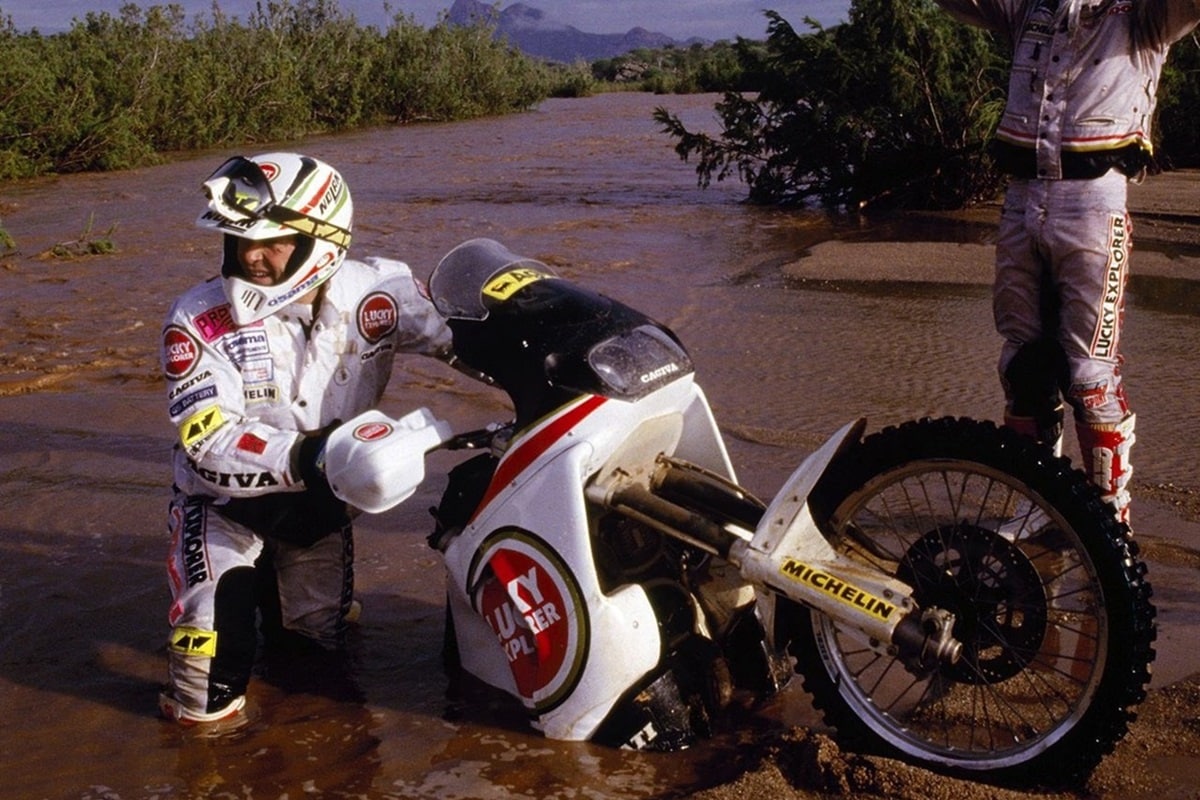
It started as an almost purely amateur adventure. Tierry Sabine’s dream, when he got lost in the Sahara desert in the so-called “Coté Coté” or Abidjan-Nice rally. Their ideas were born in Ténéré and were launched for the first time in 1978. Africa, the continent of adventure was the setting and it seemed that it would always be that way.
Until the year 2000 they were epic years, where the most humble pilots had fantastic adventures. The big brands and participants began to attend and professionalize the rally year after year. Unfortunately, the passage of time and the increase in terrorism of all kinds took over Africa and the Dakar Rally was the best event to be noticed.
Safety, a key aspect of the Dakar

Security at any sporting event is always a very delicate issue, since any dramatic event that affects them has international repercussions. In order of difficulty in controlling security, sporting events that take place in closed stadiums are the easiest to monitor, those held outdoors multiply the difficulties.
Marathon or triathlon are already more complex to control because they are held on streets and wide open spaces, even though they are closed circuits. Control and police forces must be multiplied. Cycling laps are even worse, since providing security over hundreds of kilometers is much more difficult, but when the competition scene is already thousands of kilometers and through deserts in developing countries, things become infinitely complicated.
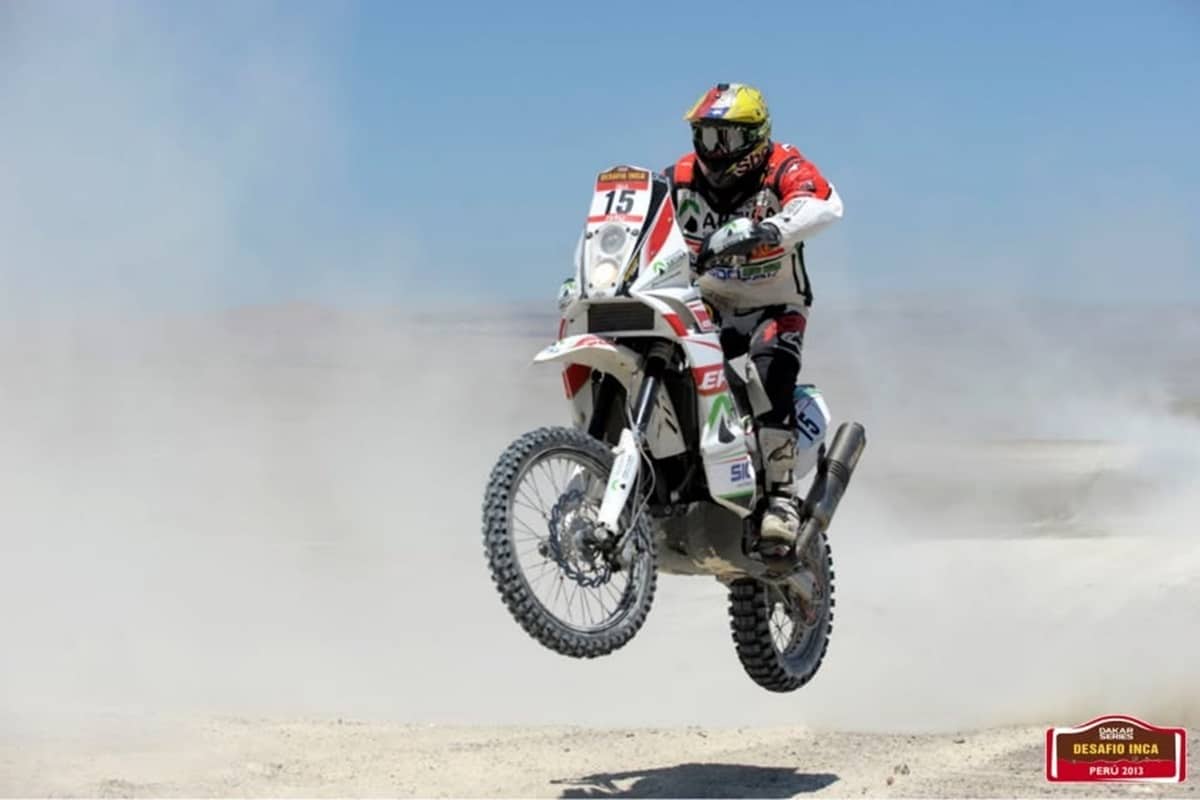
In Africa, terrorist threats caused a cut in the route in 2000 when the entire rally had to be moved on Antonov cargo planes from Niger to Egypt, which had claimed the rally to clean up its image also due to the terrorist attack against tourists in a hotel in Cairo.
More important and the first relevant turning point was in 2008 when the race was suspended due to threats from Al-Qaeda when everyone was ready for the start in Lisbon. The official statement was based on information from French intelligence services (France is the headquarters of ASO, the organizing company and former colonial power of all of sub-Saharan Africa). Continuing in Africa was too risky.
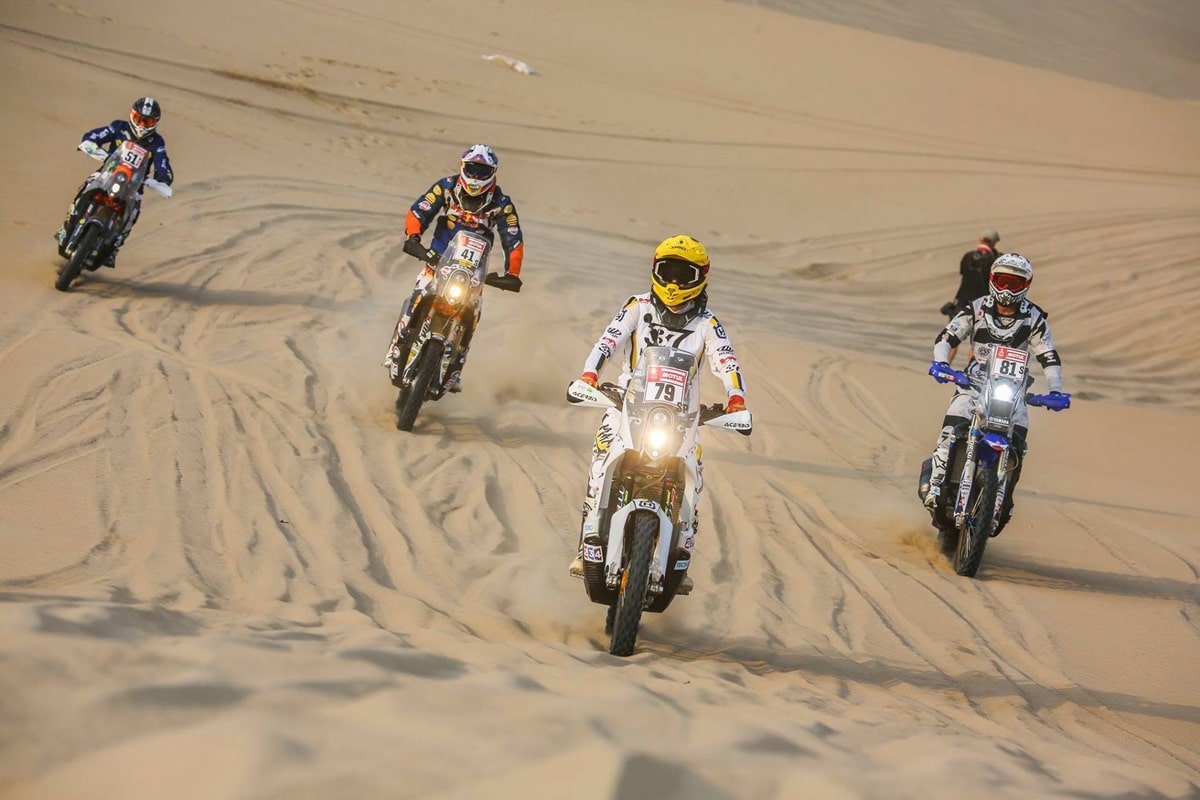
Beyond the real threats from terrorist groups, increasingly consolidated in the sub-Saharan region, a single fanatic with a sword could put an entire international rally in check, shooting at the participants and disappearing among thousands of square kilometers of sandbanks, mountains and dunes. Impossible to control by any army, no matter how powerful. There was no future forecast that presumed improvements.
An obligatory change of scenery
Just a year before I had stated and even published that the Paris-Dakar Rally would go to South America. In the Motorcycling editorial office they looked at me like a crazy person. The rally would always be African. Well no. They went to South America to the satisfaction of the great Latin American motor fans. With its already great fame and impact in the world media, the organization went from paying African countries to charging Americans.
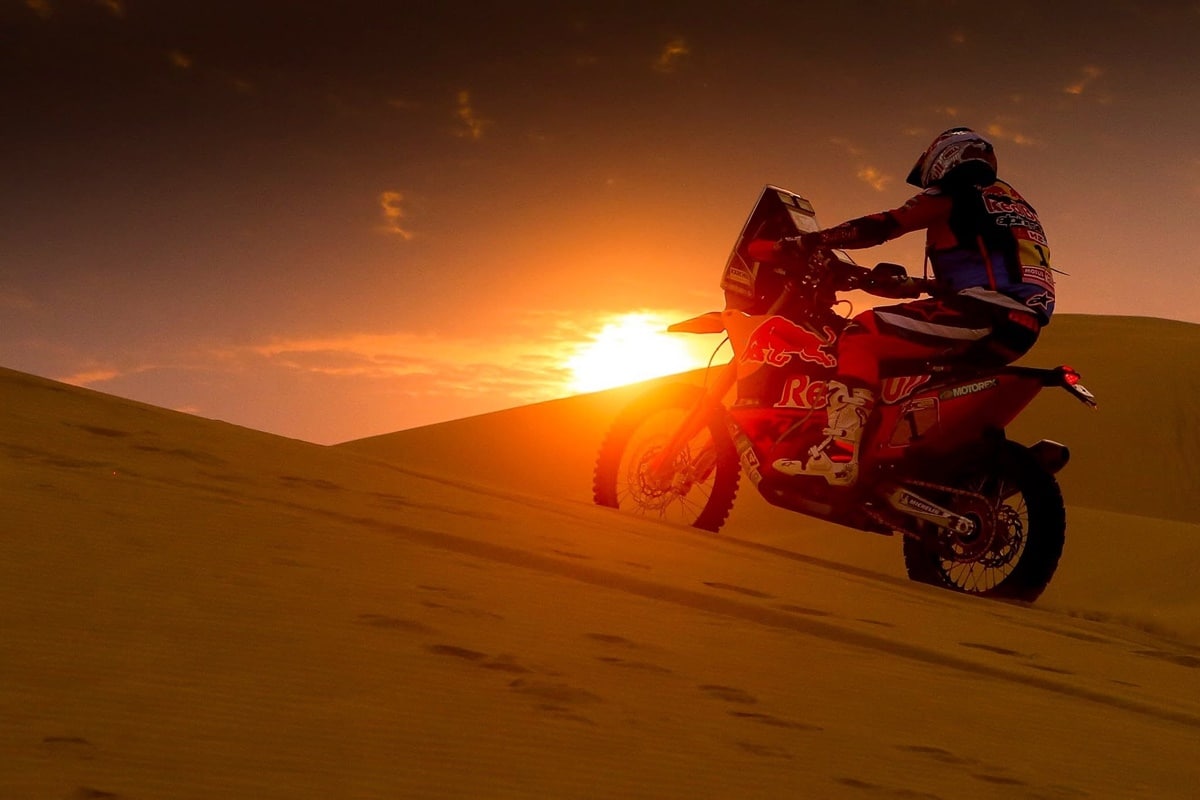
They accepted with excellent reception during the first years, but little by little the rulers considered that the return of the race’s passage through their lands was not what was expected, which, together with the pressures of ecologists and archaeologists, gradually put an end to the scenarios for which they could compete in South America.
Then I predicted that what was then called Dakar would change its environment again and there would be fewer and fewer places to celebrate it, including two notable ones. Middle East, or rather, the countries of the Arabian Peninsula, with Saudi Arabia as the main candidate and China. The rally went to Arabia and was held there until early 2026, while there was stability.
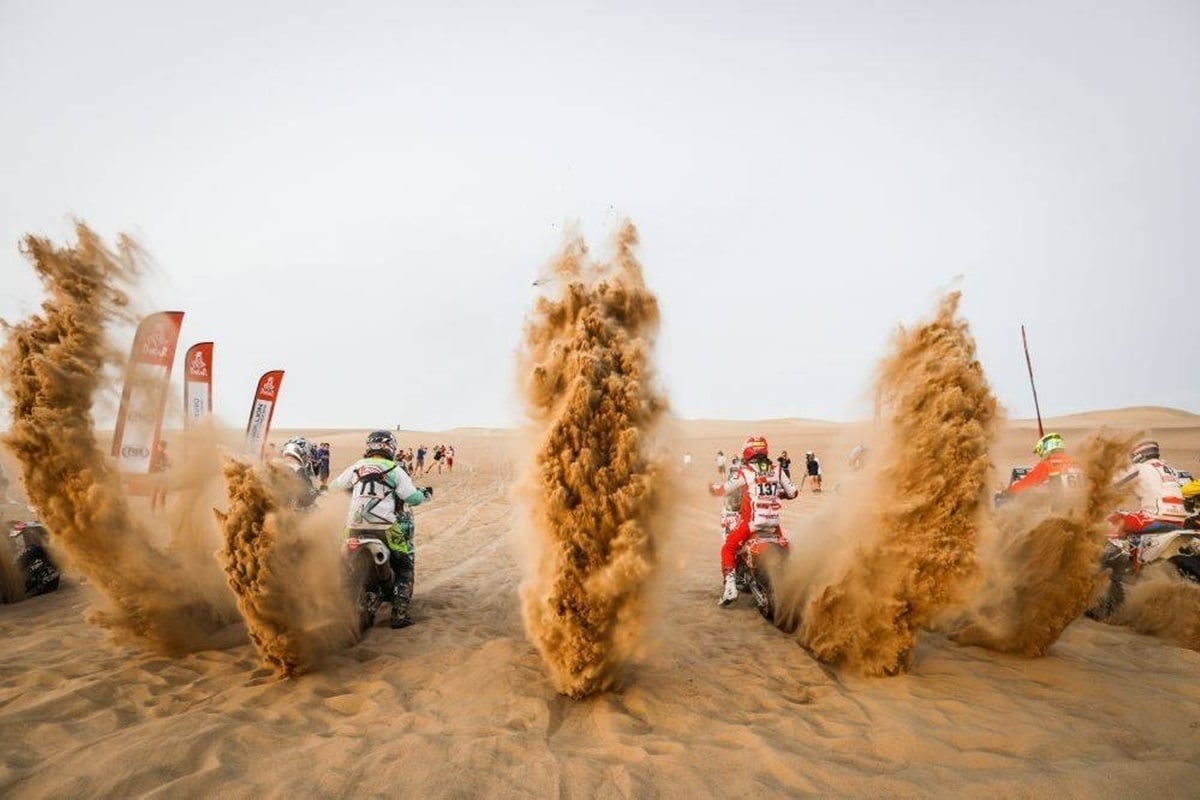
Oil, promoter of the hosting of the competition in Arabian lands, has also been its highlight in the year 2026. The war in the Strait of Hormuz, in which all the coastal countries are involved, has caused the last change. The risk is too high. This time it can no longer just be a small terrorist group, any neighboring country with a military arsenal in the form of drones or missiles could blow up the rally by simply pointing at a camp and pressing a button.
Back to the origins
With urgency and in order not to cancel it, the rally returns to Africa, but only to Morocco, impossible to go further south, since the conditions not only have not improved, but have even worsened in countries such as Mauritania, Mali, Burkina, Niger, etc. This year 2026 we will have a rally in Morocco, with a prologue in Spain or Portugal yet to be revealed when there are only two months left until the start, but it is only provisional.
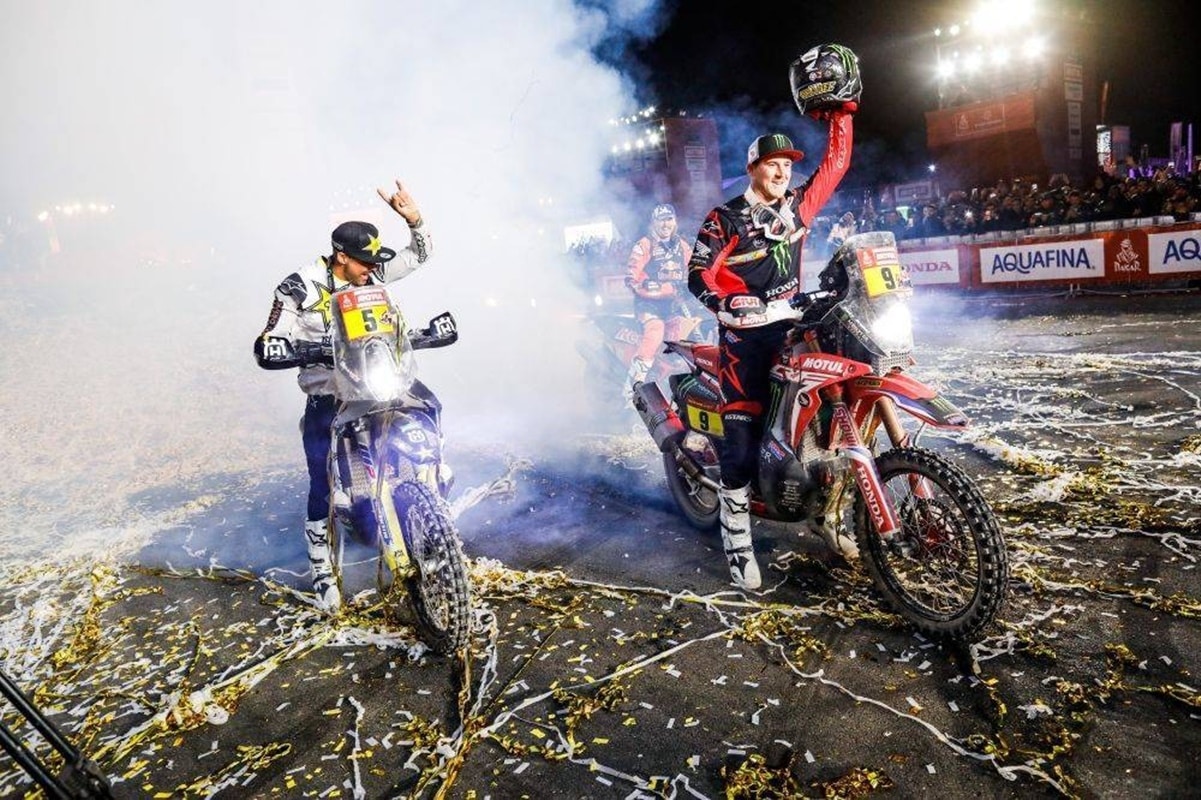
A single country, and not one that is too large, cannot offer the interest or promote the epic of traveling thousands of kilometers through very different scenarios. And finally, and looking into the future in my own crystal ball, I see that the Dakar will go to China. When? As soon as the Chinese want! But not before imposing some important conditions.
China as final destination
The name Dakar is not exactly his favorite, but even worse is the logo. The image of a Tuareg evokes Africa and even Muslim beliefs and the Chinese don’t like that. They would love to replace him with a character with a conical hat instead of a scarf covering his head. Another drawback for me is the date.
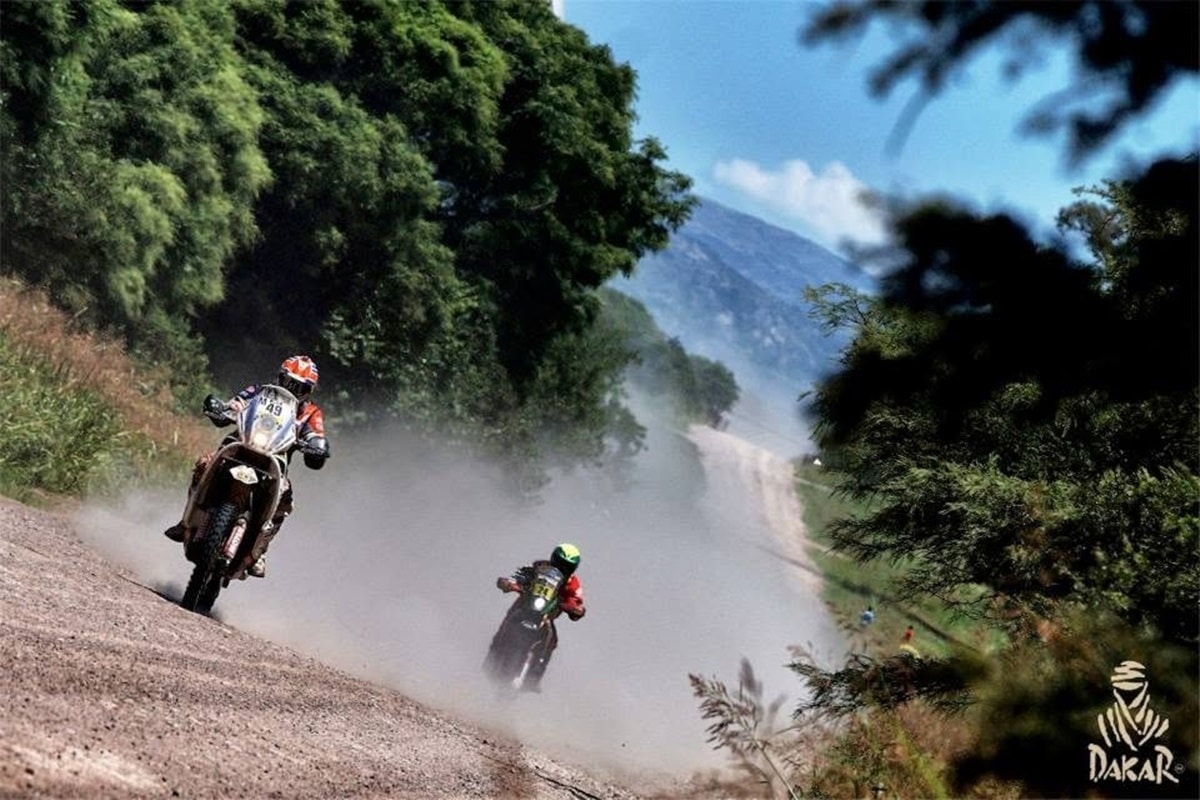
The rally cannot change the month of celebration, as it is sandwiched between the F1 and MotoGP competitions so it can only be January and in the interior deserts of China; Gobi, Taklamakan, even Tibetwhich would be the inevitable scenario, the nights are extremely cold. Participants who do not reach the camp before a certain time should be disqualified and rescued to avoid frostbite. This would force a change in regulations.
For the rest, China has everything that is looking for, both by the host country and by the organizers. More than enough territory, stability and security; ease of rolling wherever you decide without any type of opposition of any kind. If the Chinese government approves a tour, you go there, no matter what. The absolute control, its economic power and the good image that this international competition could give them are unmatched anywhere else on the planet.
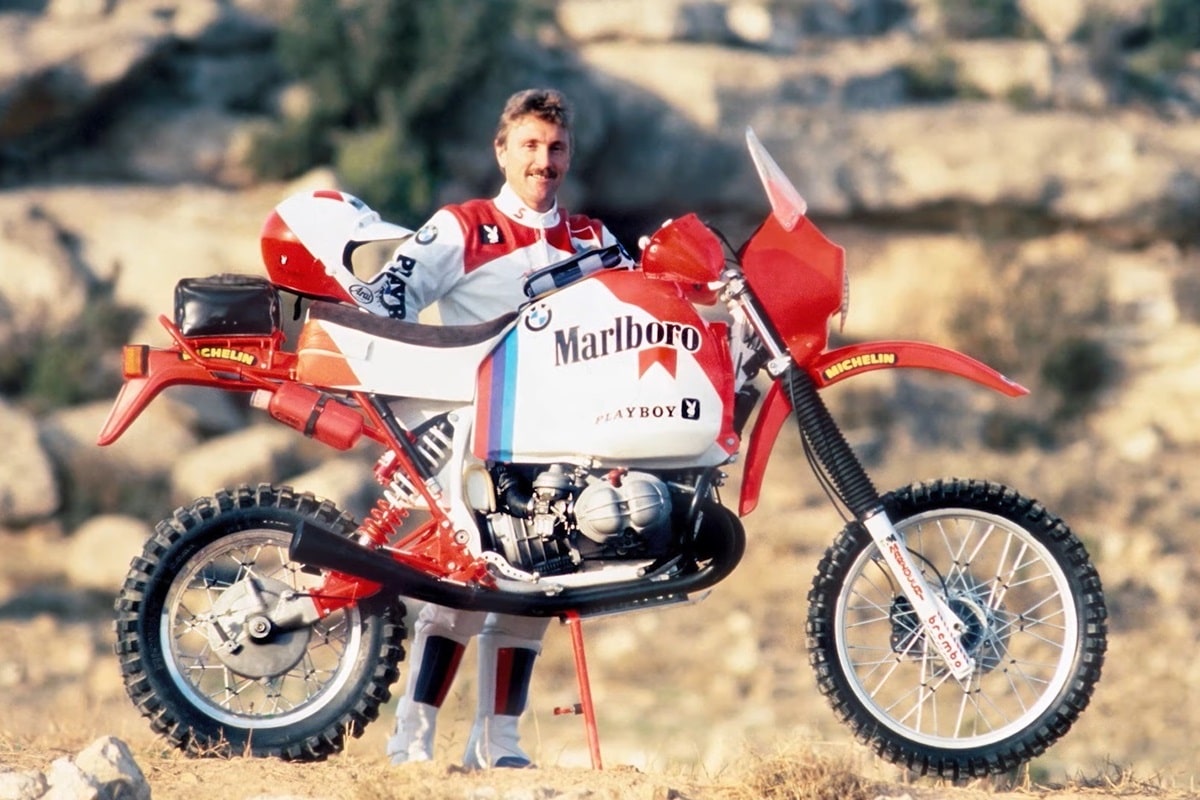
China is where the most motorcycles, cars, trucks, and accessories are produced and sold on the planet. Its population would be delighted and dedicated, its leaders obey the decisions of the central power without question. TV schedules are not the best for the West, but that is not so dramatic currently, since all fans can watch delayed images at any time.
The history of the Dakar has been linked to the evolution of the different countries it has passed through and will continue to be so. It is not just another race, it is the competition that shows the most fascinating places in the world and although the landscapes take thousands of years to change, geopolitical issues change with astonishing speed.