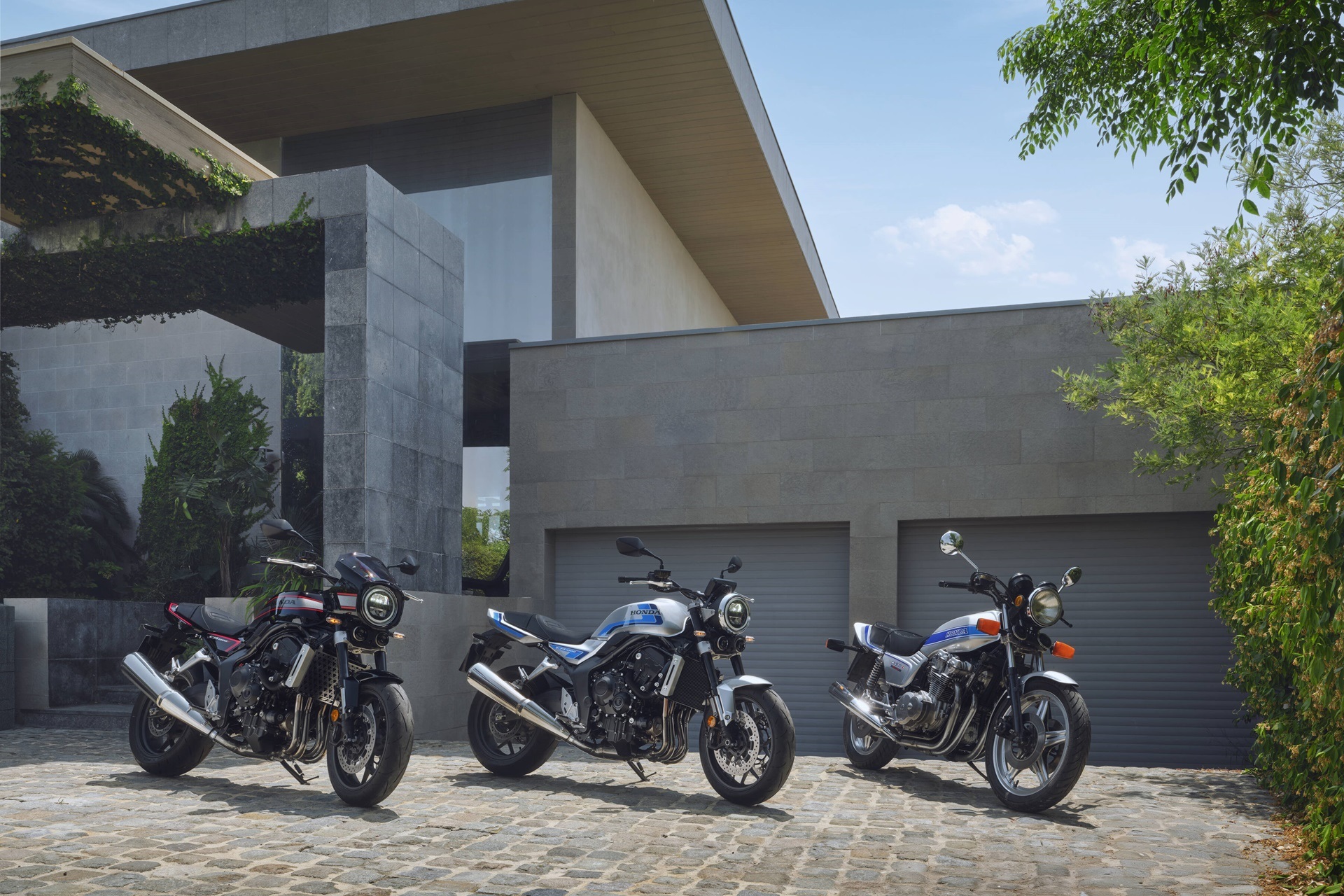
When Freddie Spencer and Honda participated in the 1981 AMA Superbike Championship with the CB750, Takayuki Haramoto I was just a child. Today, he has become the Large Project Leader at Honda and has overseen the development of the CB1000F, a naked full of retro essence that takes as inspiration the iconic racing motorcycle from “Fast Freddie”.
“With the CB1000F, directly replicating the CB750/900F was not the main goal,” explains Haramoto-San. “We developed the CB1000F as the reference standard naked for Japan; a versatile and versatile motorcycle, suitable for any situation. When imagining the future of the CB range, and specifically the ideal shape of a basic roadster and naked for Japan, we took as a reference the design motifs of the F family.”

A reinterpretation of the CB750F and CB900F
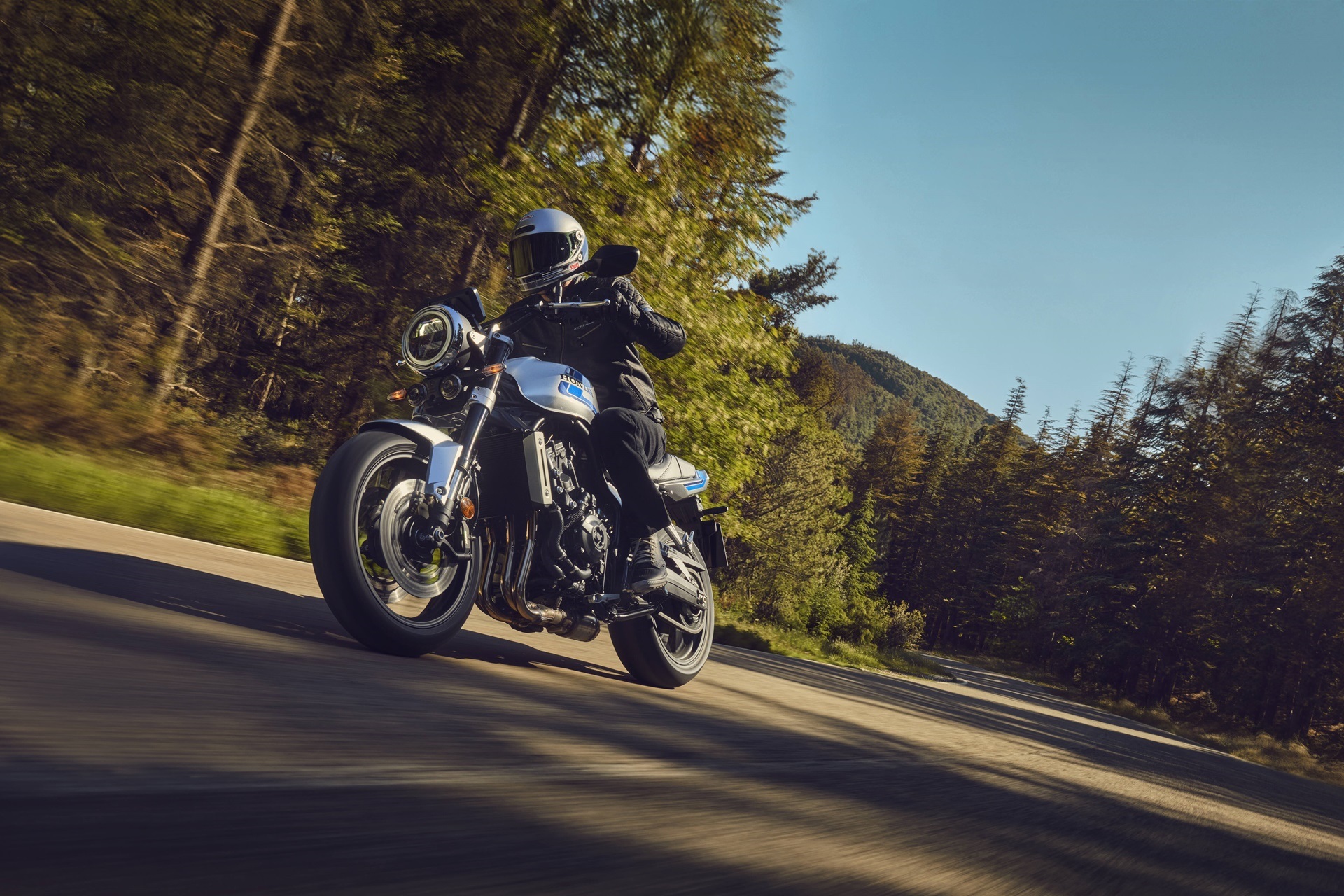
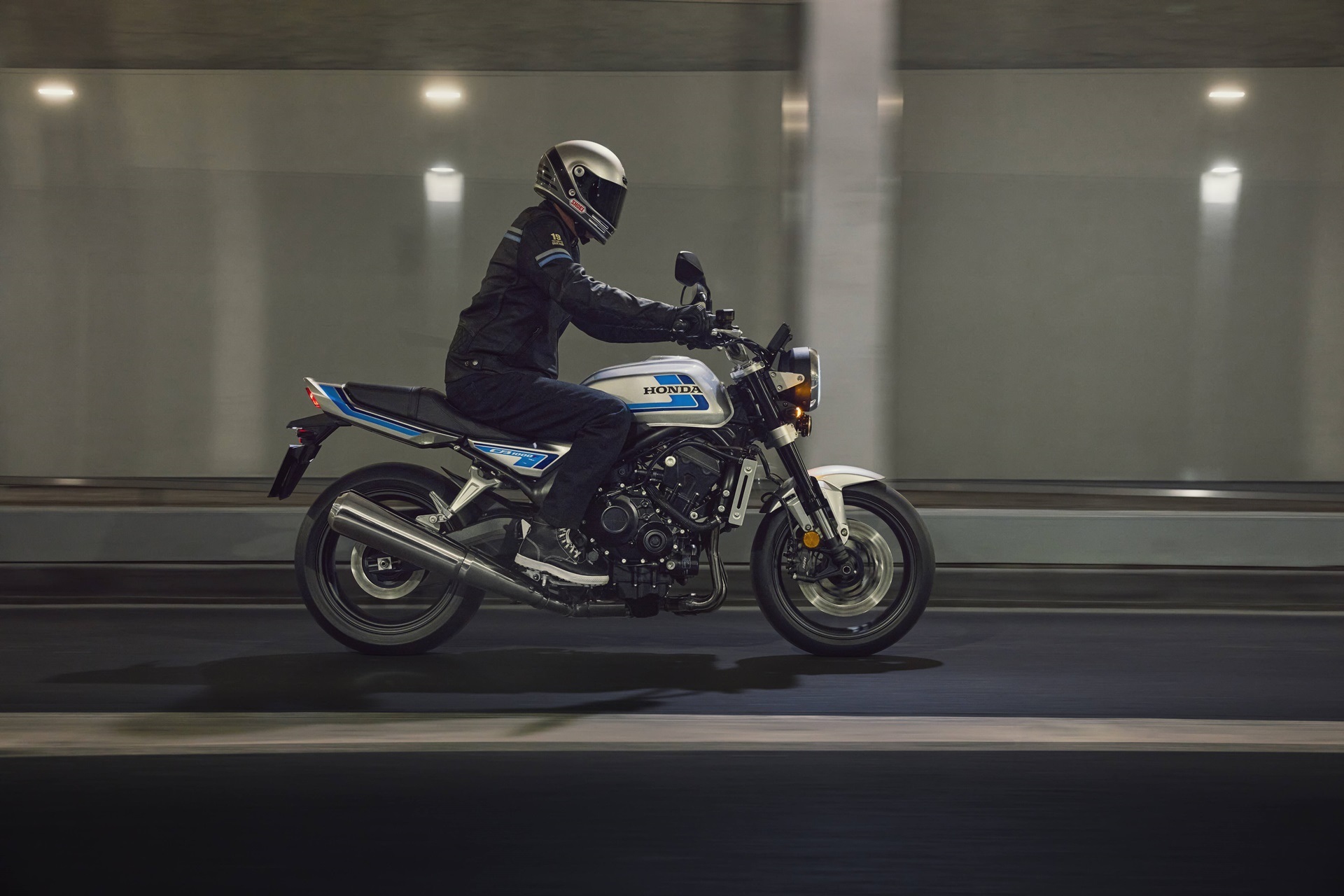
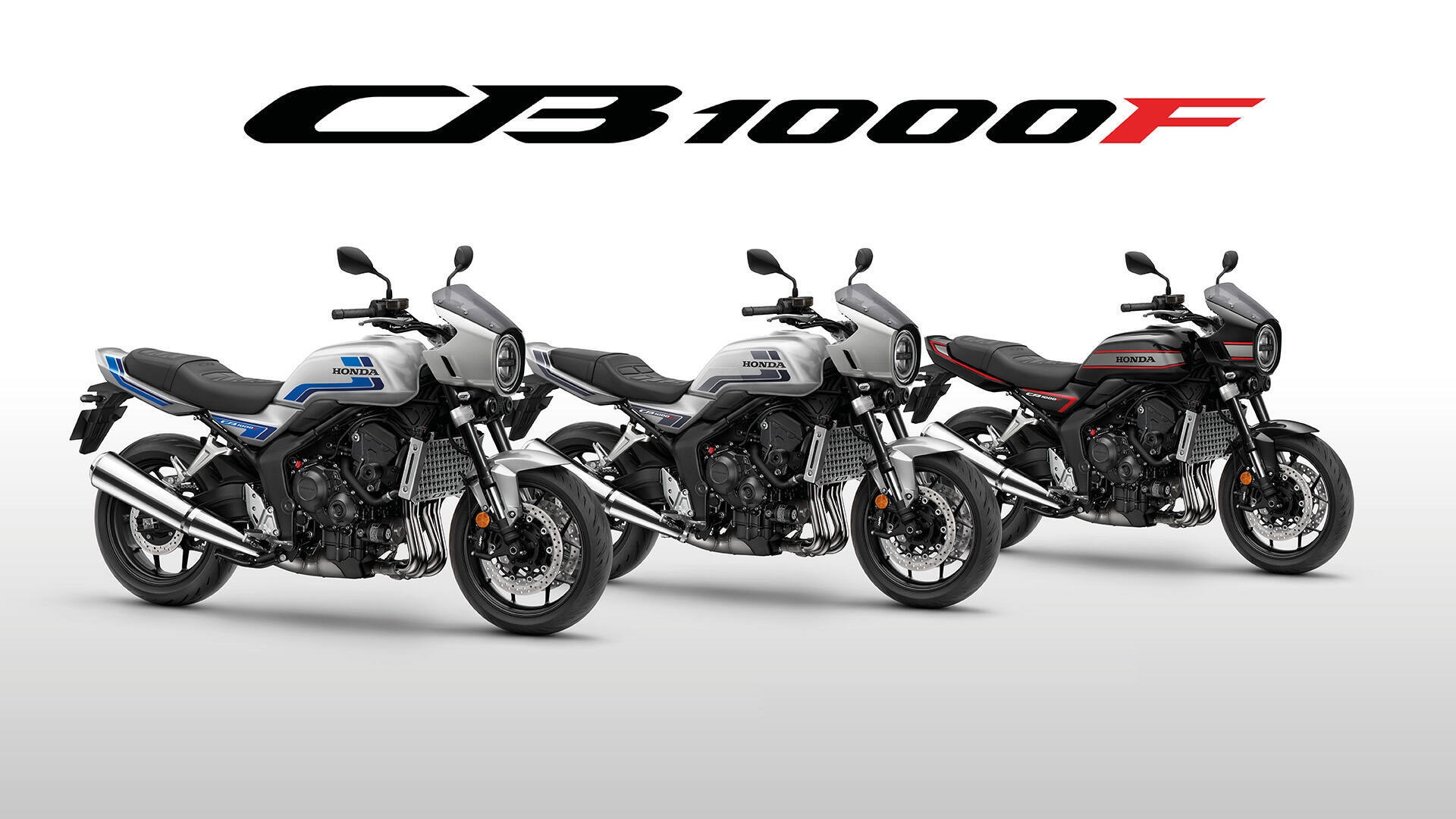
There’s no doubt that the CB1000F oozes 80s style, it’s not just a nostalgic recreation. It offers completely contemporary performance thanks to an engine derived from the Fireblade, a modern frame, state-of-the-art suspension components and the most advanced technologies, elements that posed significant challenges to the development team.
Historically The design pattern of the CB-F range is based on the Bol d’Or style. The CBs of the 1970s and 1980s offered riders a cafe racer-style motorcycle built around a powerful engine with authentic racing heritage. “The CB750F and CB900F are, of course, fascinating. Especially their elegant and dynamic styling, which treats the entire assembly, from the fuel tank to the tail, as a single integrated shape, representing a turning point in motorcycle design”explains Haramoto-San.
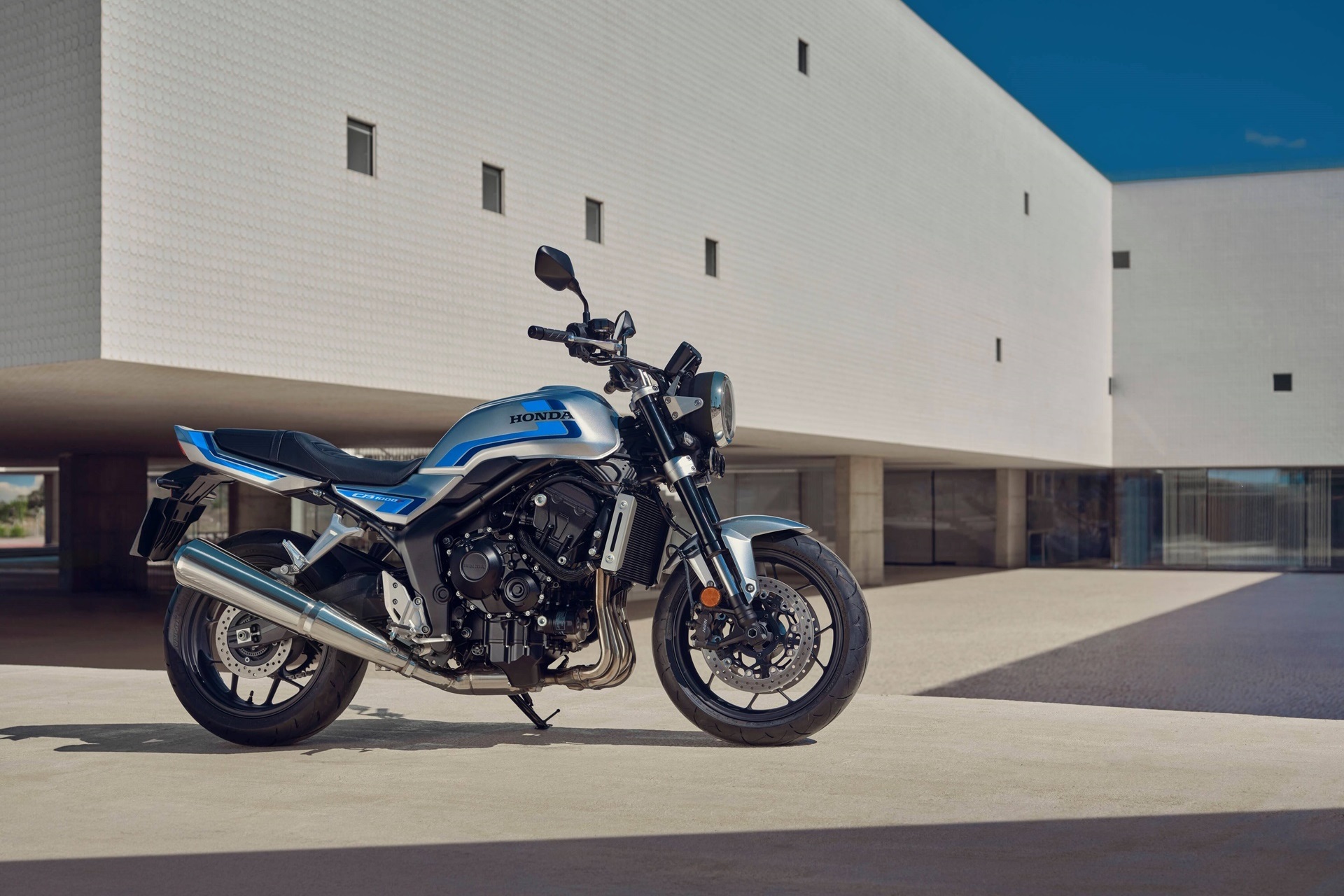
“They remain distinctive and attractive even today. Their color schemes are also unique and gorgeous. Additionally, I find it especially attractive that they were Supersport models that incorporated technology from the RCB1000 endurance bike into a production motorcycle.” The effort to reinterpret the CB750F and CB900F began with a question as simple as it was ambitious: How to transfer the appeal of these machines to 2025 without losing what made them icons?
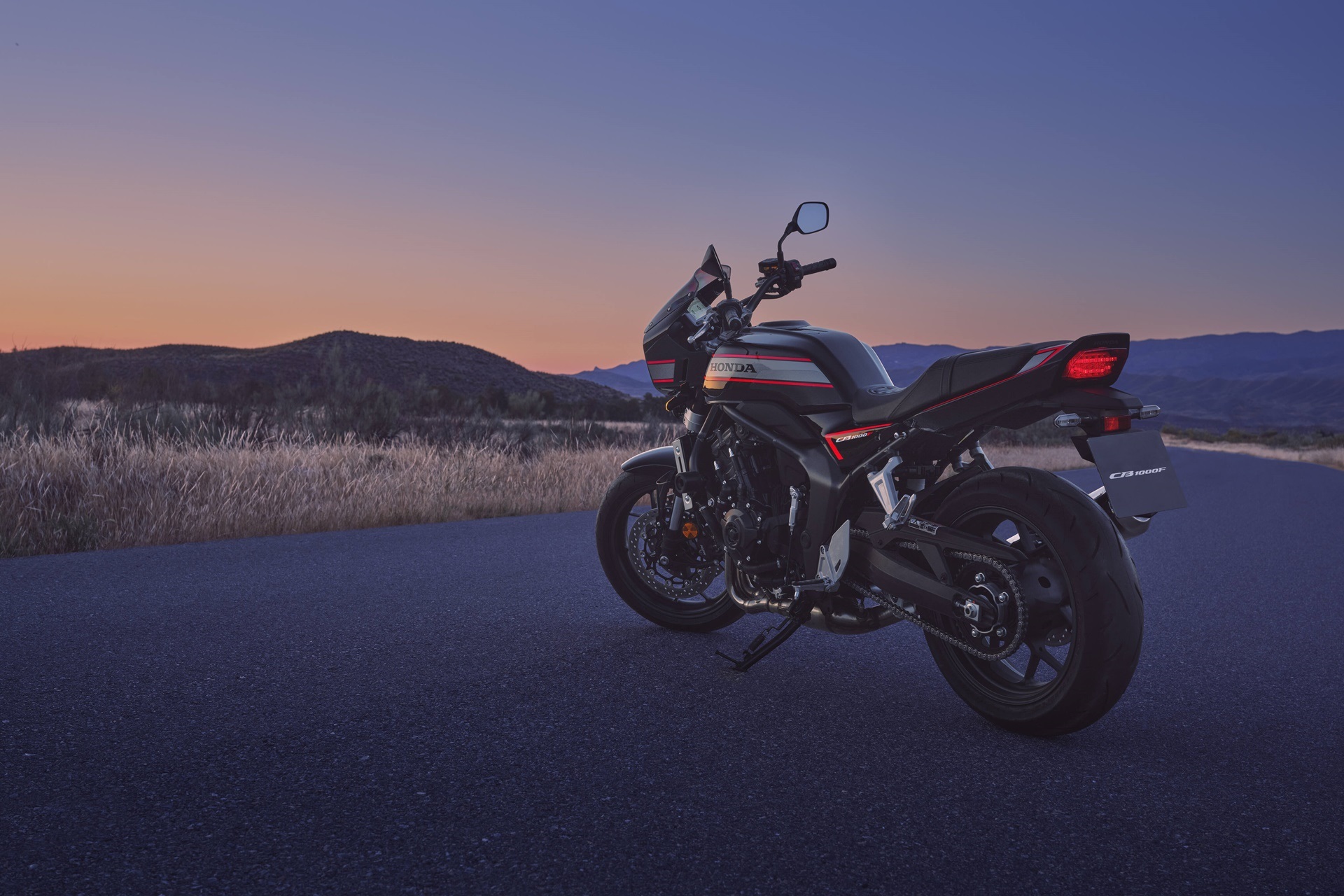
“The starting point was how to translate that timeless and universal appeal, such as its simple shapes and clean surfaces, to the modern era”explains Haramoto-San. As a result, the team approached the development of the CB1000F with the same philosophy, conceived from the beginning as a continuous and single shape, treating the entire assembly, from the tank to the tail, as an integrated line, exactly as the original models did with such conviction.
Striking the balance between heritage and innovation
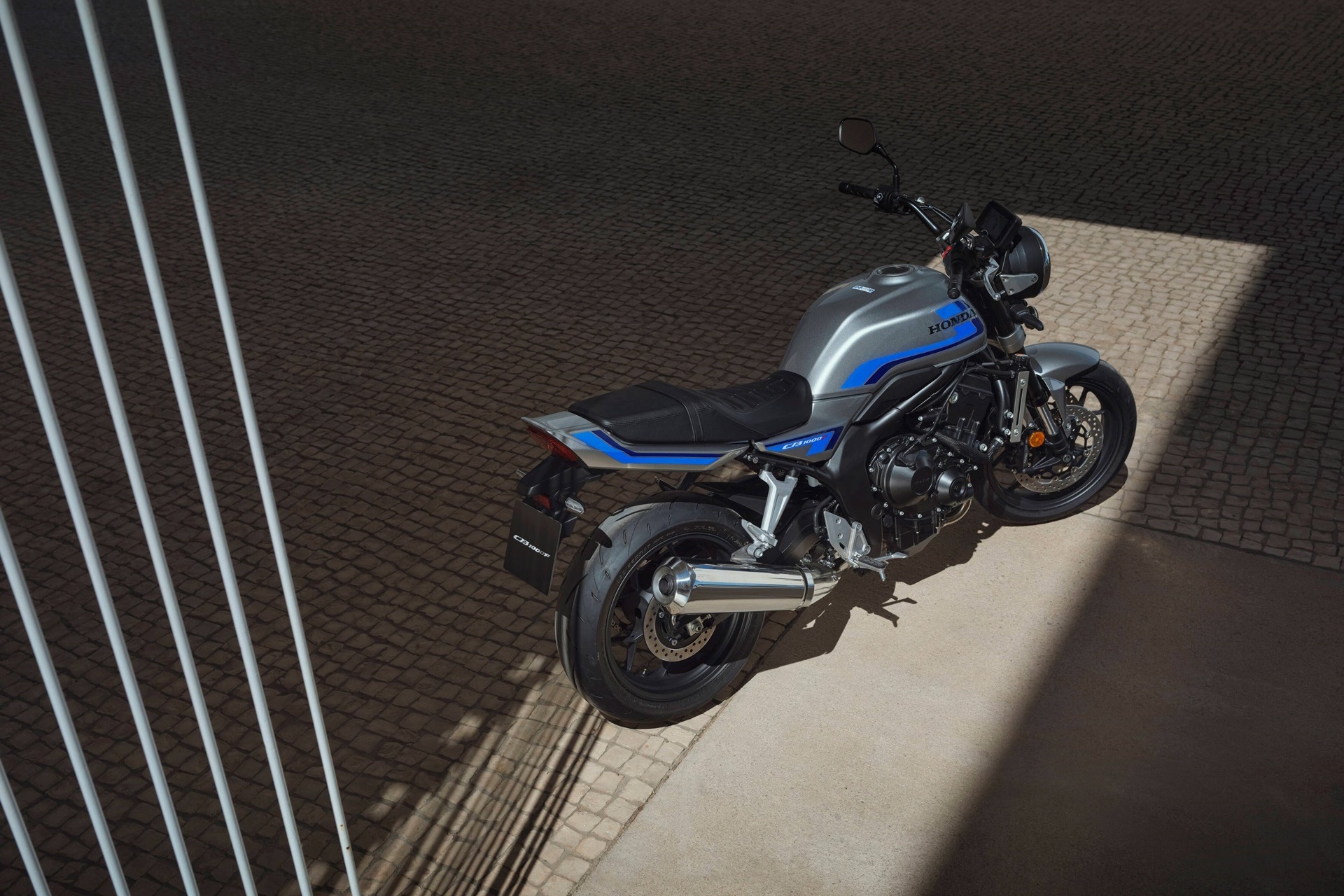
This required taking a certain distance from nostalgia. “Before thinking about the ‘F’, we reflected on what the CB should be in the future, imagining the ideal shape of a basic roadster,” states Haramoto-San. The objective was to provide the motorcycle with “the distinguished presence of a large displacement motorcycle”while maintaining the ease of driving that has always characterized the CB saga.
The result was a design built on contrast: “a powerful and compact front” combined with “a light and versatile rear”. On this modern basis, Haramoto-San adds, they took special care to “convey the essential appeal inherent to the ‘F’: its simple shapes and clean surfaces.”
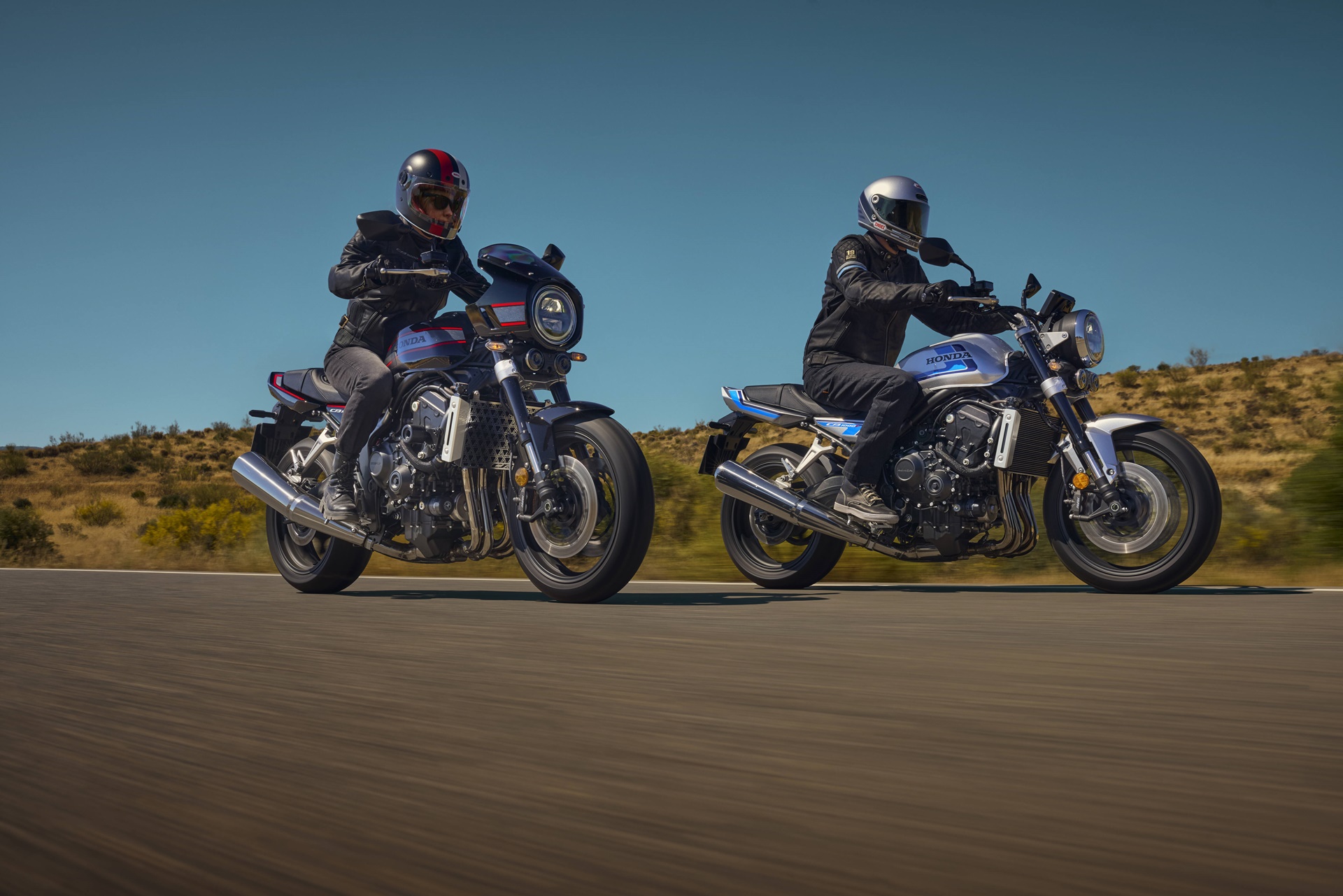
Resurrecting a motorcycle with decades of history entailed significant technical challenges. The original models from the late 1970s and early 1980s differed significantly in their engineering from the current CB1000F. “We encounter difficulties derived from the differences between the components of the 1979 and the 1980s models”Haramoto-San remembers.
A very studied development process
Early versions used a double cradle frame, a horizontal intake and minimal electrical equipment, while the contemporary platform is based on a diamond frame, a downflow intake and much more complex electronics. “The differences in the frame structures were especially complicated when shaping the iconic fuel tank,” Haramoto-San points out.
This highlights that even the seemingly simplest and most recognizable details had to be completely rethought and redesigned from the inside. With the creation of the CB1000F, Haramoto-San’s career seems to have come full circle. His personal relationship with motorcycles began long before he entered the industry.
Haramoto-San an irreplaceable piece in the project
“My first fascination arose when driving my father’s Monkey.”he remembers with evident affection. His interest grew even more thanks to reading the manga Baribari Densetsu, whose protagonist begins his story at the controls of a CB750F, and soon after he was exploring mountain roads on his own.
Several key moments marked the course of his career. “As LPL, the development of the 2023 CB750 Hornet and the Transalp were very important milestones”he explains. He also speaks with special respect of Masatoshi SatoLPL of those same models and the CBR1000RR Fireblade. “I learned a lot from Mr. Masatoshi Sato… both as a designer and in my role at LPL.”
Unlike many professionals in his position, Haramoto-San does not mention a long list of designers or brands as references for youth. “Coming from an engineering (design) background rather than design itself, there are no specific designers or brands that come to mind”he admits.
His tastes and influences stem mainly from his own hobbies, drawing inspiration from classic Fender instruments such as Stratocasters and Jazz Bass. In the world of vehicles, he has always admired the machines featured in the 1988 animated film Akira. “That’s why I drive an NM4”he adds between smiles.
Outside of work, Haramoto-San’s interests remain tied to movement, sound, and exploration. “I enjoy quiet motorcycle rides, playing the guitar and experimenting with modular synthesizers”he says, noting that they may not be particularly surprising hobbies, but that they all keep him connected to the things he is truly passionate about.
When asked what motorcycle from any era he would like to ride, he answers without hesitation: “I would love to experience the atmosphere and sensations of riding a Z1/Z2 or a CB750/900F from the seventies during their golden racing era”.
Driving one today, he says, would simply be like riding an old motorcycle. What you really want to experience is not just the motorcycle, but also the era and energy that surrounded it. Very much in line with the CB1000F: a machine that represents much more than just the return of a legendary name.