It’s hard to get an idea of what the motorcycle weighs in the economy until someone puts a figure on it. Oxford Economics has done it, and the result is this: in 2024, the sector contributed 35.1 billion euros to the GDP of the European Union and the United Kingdom, supported 481,600 jobs and generated 20.6 billion in taxes. The study was presented at the last EICMA by ACEM, the European Motorcycle Manufacturers Association, and Confindustria ANCMA.
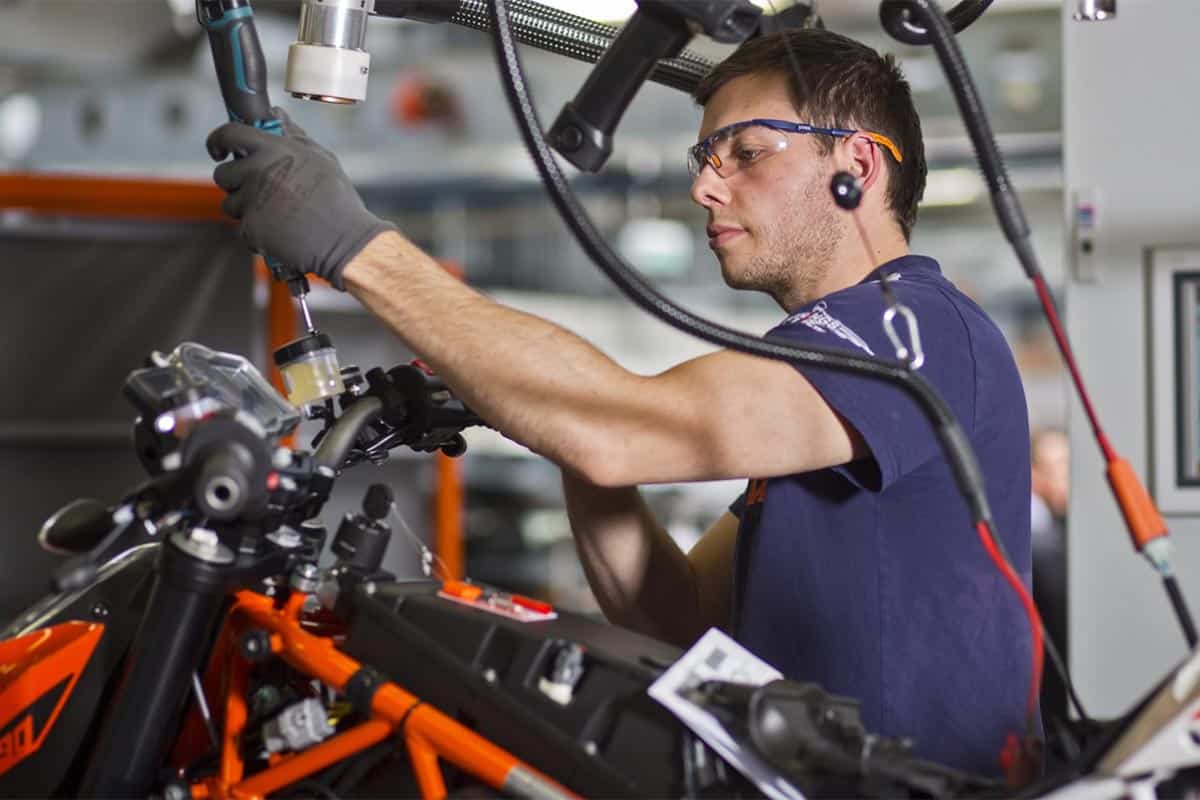
It must be said that, according to this study, most of the money comes from manufacturing, selling and repairing motorcycles and components, with 26.7 billion and 356,700 jobs. But not everything is in the factories and workshops but also in a powerful auxiliary industry. The helmet, the jacket, the gloves and the rest of the equipment we carry add another 5.7 billion and almost 89,000 jobs, and the races, fairs and brand events, 2.7 billion and about 36,000 more jobs. Only 208,900 of these jobs are direct, while the rest are in companies that work for the sector or depend on it, at a rate of 1.3 jobs for each direct one.

Within the specific weights of each country in this global it must be said that Spain contributes 7% of the total. Ahead are Italy and Germany, with 23% each, France, with 13%, and the United Kingdom, with 9%. Just behind comes Austria, with 5%.
The motorcycle is a great tool to get to work
Another important fact that this study shares is that some 42 million motorcycles circulate on European roads, which represents 11% of the motorized fleet, and 6.4 million people use them every day to go to work. According to the study, their journeys are a third shorter than by car and save them about 580 euros per year. And then there is the parking: a car occupies about 11.5 square meters and a motorcycle, 2.9. Where one car fits, four motorcycles fit.
If these figures in themselves are already striking, the report also makes an estimate of what would happen if 5% of those who go by car to work switched to motorcycles. On paper, a total of 28 million days of travel per year would be saved, valued at 8.6 billion euros, in addition to another 3.9 billion in usage costs. CO₂ emissions would decrease by 2.6 million tons annually and 124 square kilometers of parking would be free, more than 17,000 football fields. Obviously this is theory, but it gives an example of the potential that the motorcycle can have in much more sustainable, economical mobility and the great impact on quality of life that European cities would gain, and only with 5%.
The harsh reality of the import vs. export balance: there is more and more deficit
Not all European industry accounts are good. According to the latest data from ACEM, exports of motorcycles and components fell by 22% in 2025, while imports rose by 12%. The trade deficit already reaches 1.9 billion euros, almost double that of 2024. In other words, Europe sells fewer motorcycles and components abroad than are manufactured in our territory, and buys more.
That is why manufacturers are asking for more balanced commercial conditions and more weight for motorcycles in mobility policies. Antonio Perlot, general secretary of ACEM, wants motorcycles to be “fully integrated into urban mobility planning” and that industrial investments can continue in Europe.
To end with a better taste in the mouth, we must point out that the 35.1 billion we talked about at the beginning could fall short. Oxford Economics recognizes that it has not been able to include motorcycle tourism, insurance, driver training or delivery services, services that are linked to motorcycles and that, evidently, also generate employment and wealth in our country and our continent.