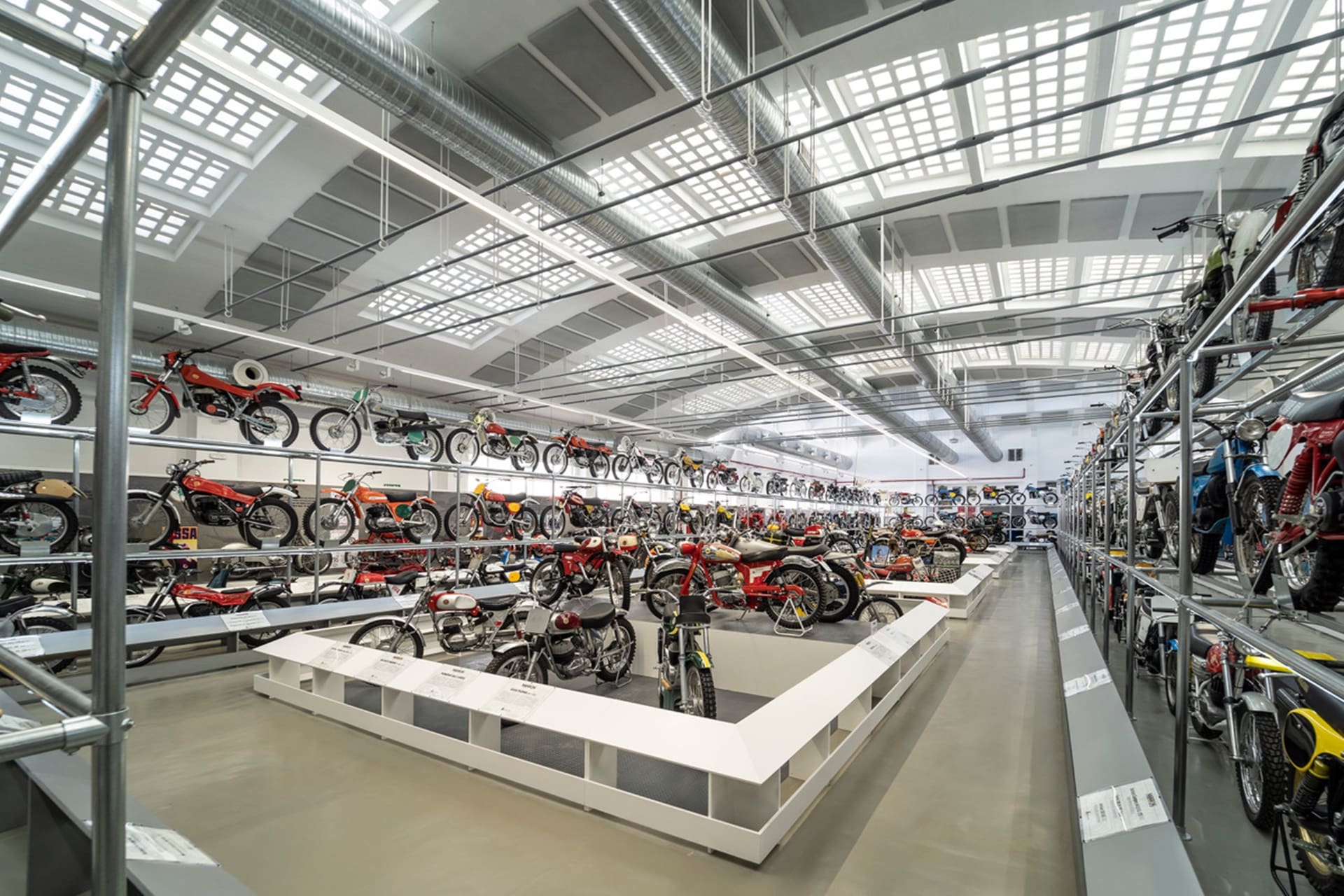
He Spanish Motorcycle Museum Made in Spain has hosted the meeting of the FIVA motorcycle division, the International Federation of Antique Vehiclesin an event that elevates the museum as a pole of attraction and a reference space within the world of classic motorcycles, also on an international level.

The Spanish Motorcycle Museum converted into a meeting place
The choice of this space as the venue for the meeting has placed the museum at the center of a European-wide work meeting and has once again highlighted its role as a reference place for the conservation, dissemination and projection of Spanish motorcycling heritage.
The holding of an event of this level in Alcalá de Henares confirms the growing relevance of the Made in Spain Museum within the field of historical vehicles and, in a very special way, in the universe of classic motorcycles. The event brought together international representatives linked to FIVA and allowed them to show, first-hand, the historical, industrial and cultural dimension that the Spanish motorcycle had.
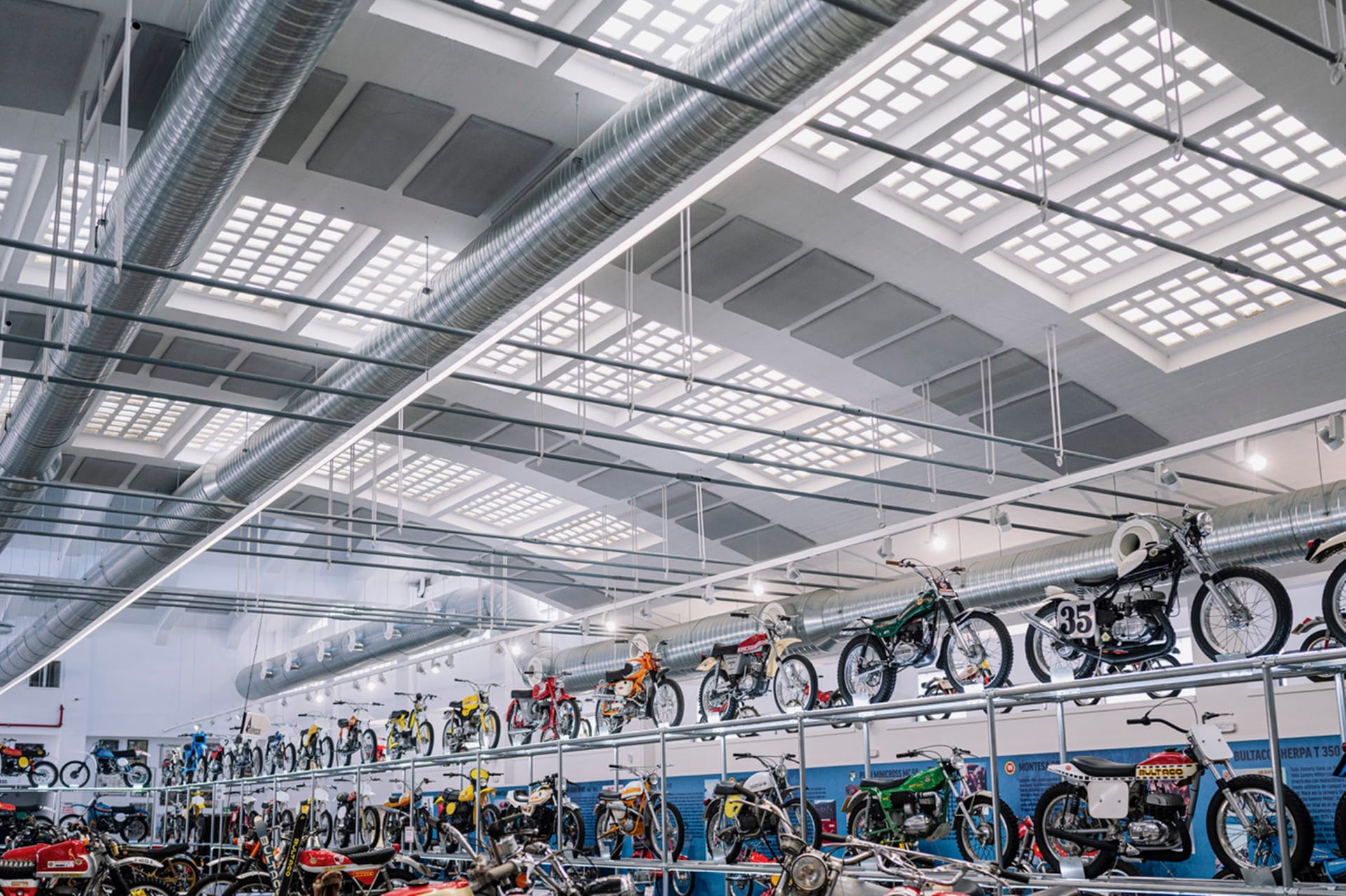
After the meeting, attendees took a guided tour of about two hours through the museum, on a tour focused on the evolution of our motorcycle industry and the relevance that Spanish ingenuity achieved in this sector. The value of the meeting was also reinforced by the profile of the participants.
The president of the FIVA motorcycle commission, Keith Gibbinsexpressed his gratitude to FEVA, the museum and all the people involved in the organization and hosting of the day. Among the international attendees there were also representatives from countries such as Greece, Germany and Norway, several of them personally linked to motorcycles manufactured in Spain.
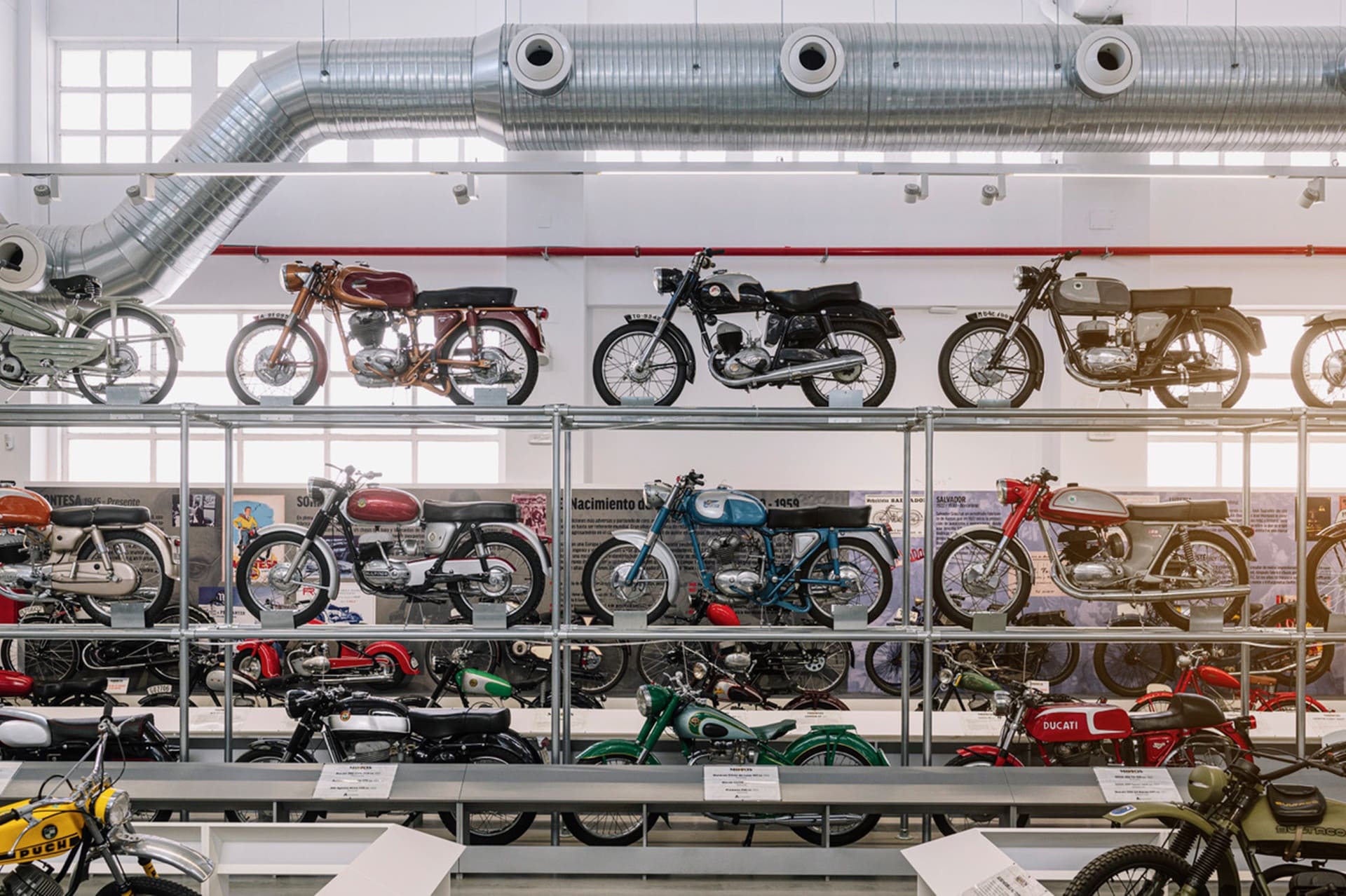
One of the participants even recalled having learned to ride a motorcycle on a Derbi, a revealing detail of the reach and footprint our brands left outside our borders. The Made in Spain Museum has also hosted the annual meeting of FEVA, the Spanish Federation of Antique Vehicles, in which the different commissions presented the balance of their actions during 2025 and their objectives for 2026.
This is an event that once again highlights the role of the museum not only as an exhibition space, but also as a meeting point for institutional activity linked to the conservation, defense and dissemination of the historic vehicle.
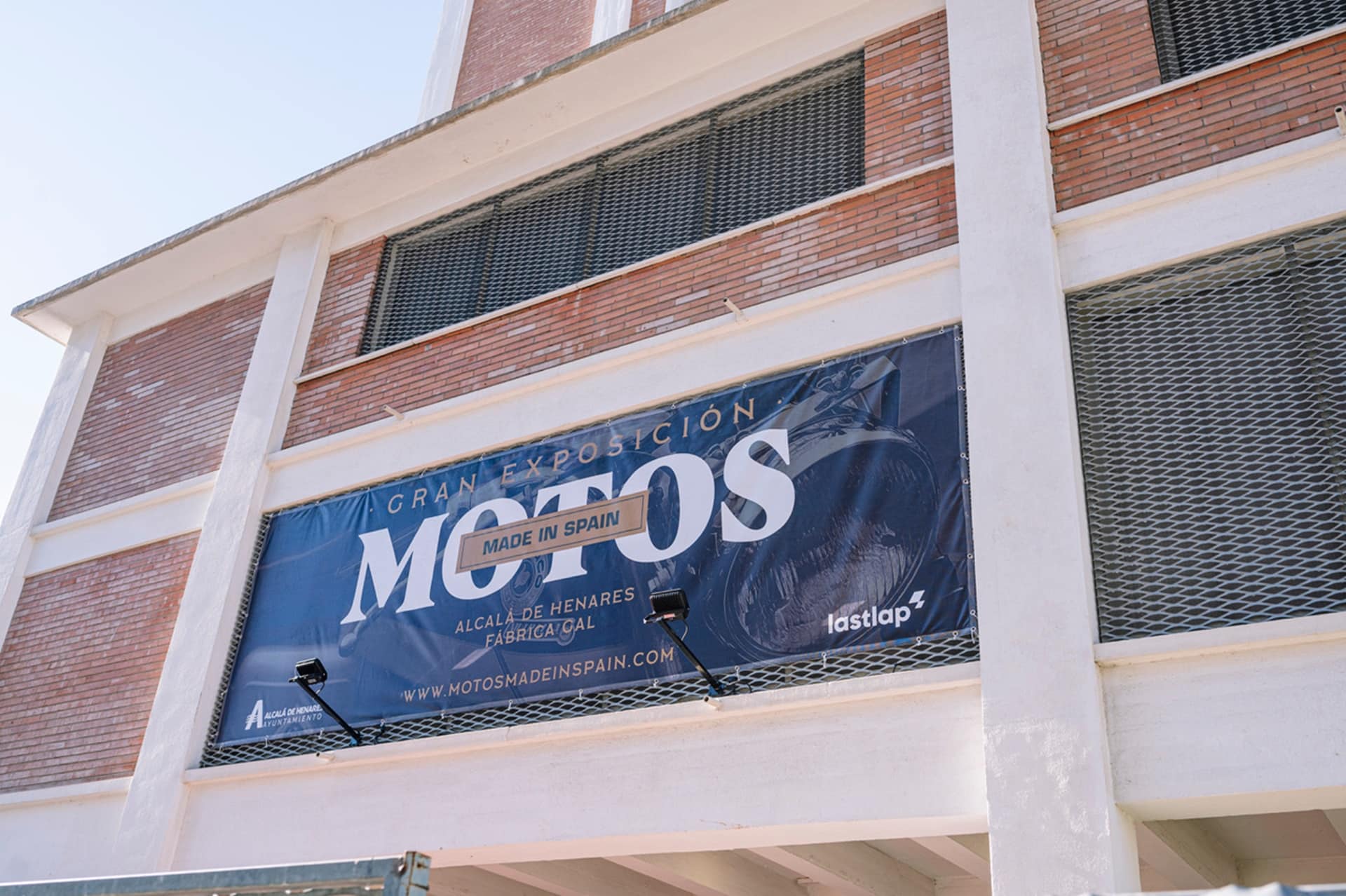
The hosting of both events by the Made in Spain Museum reinforces the value of this space not only as an exhibition venue, but also as a meeting point for institutions, experts and fans linked to the conservation of classic motorcycles. The choice of the museum for an international meeting of this level confirms its growing relevance as a reference center for the history and culture of the Spanish motorcycle.