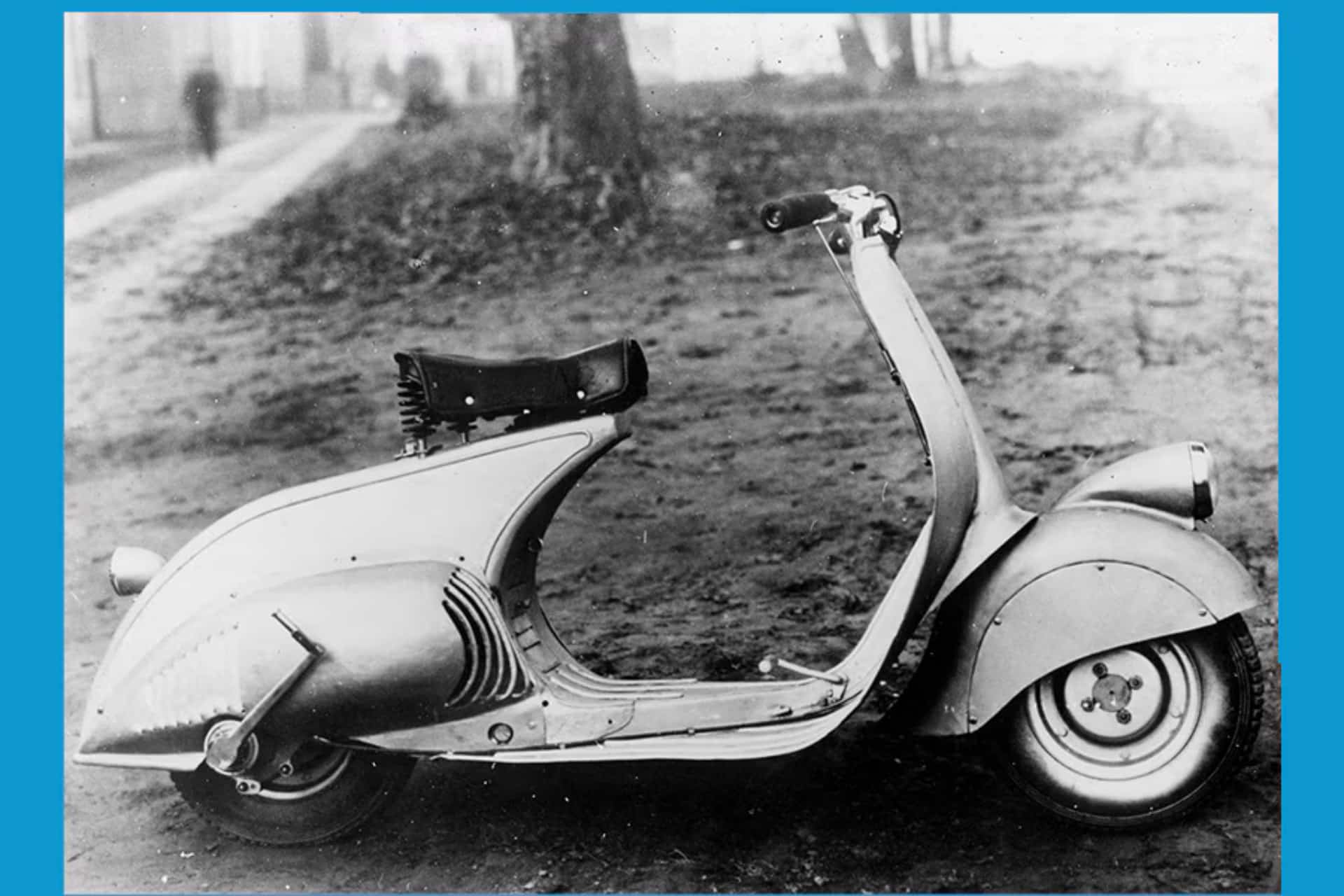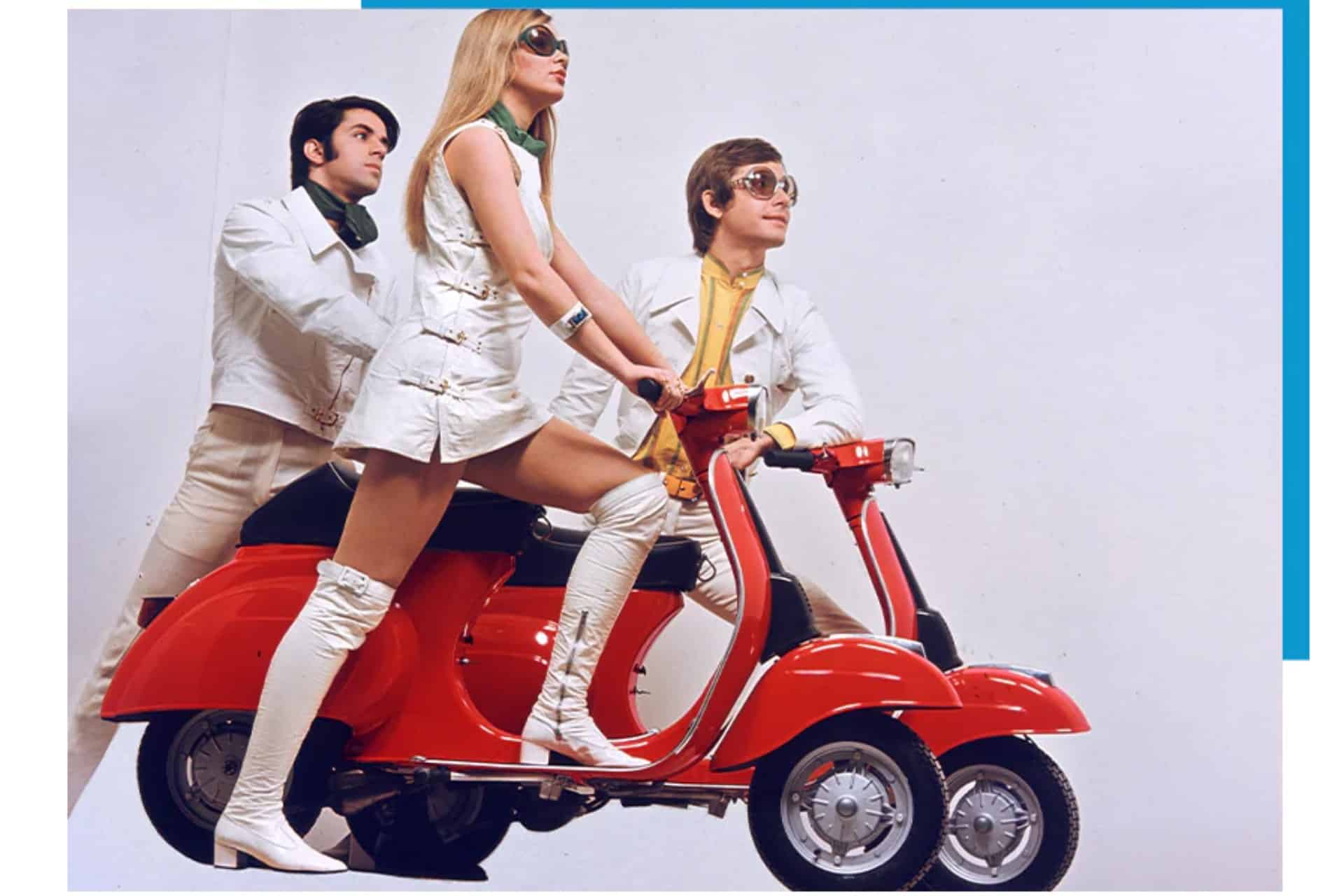
As we all know, the history of Vespa It began when World War II ended and Italy needed to get back on track. Infrastructure was severely damaged, public transportation was barely functioning, and millions of people were looking for an affordable and reliable way to get around. And, in that context, Piaggio He had to face an enormous challenge. And boy did he do it!
The company had dedicated a good part of its activity to the manufacture of airplanes and aeronautical components during the conflict, so it had to completely reconvert its facilities to produce goods for civilian life. That’s when Enrico Piaggio commissioned a very specific project. He wanted a cheap vehicle, easy to use, with reduced consumption and within reach of any budget.

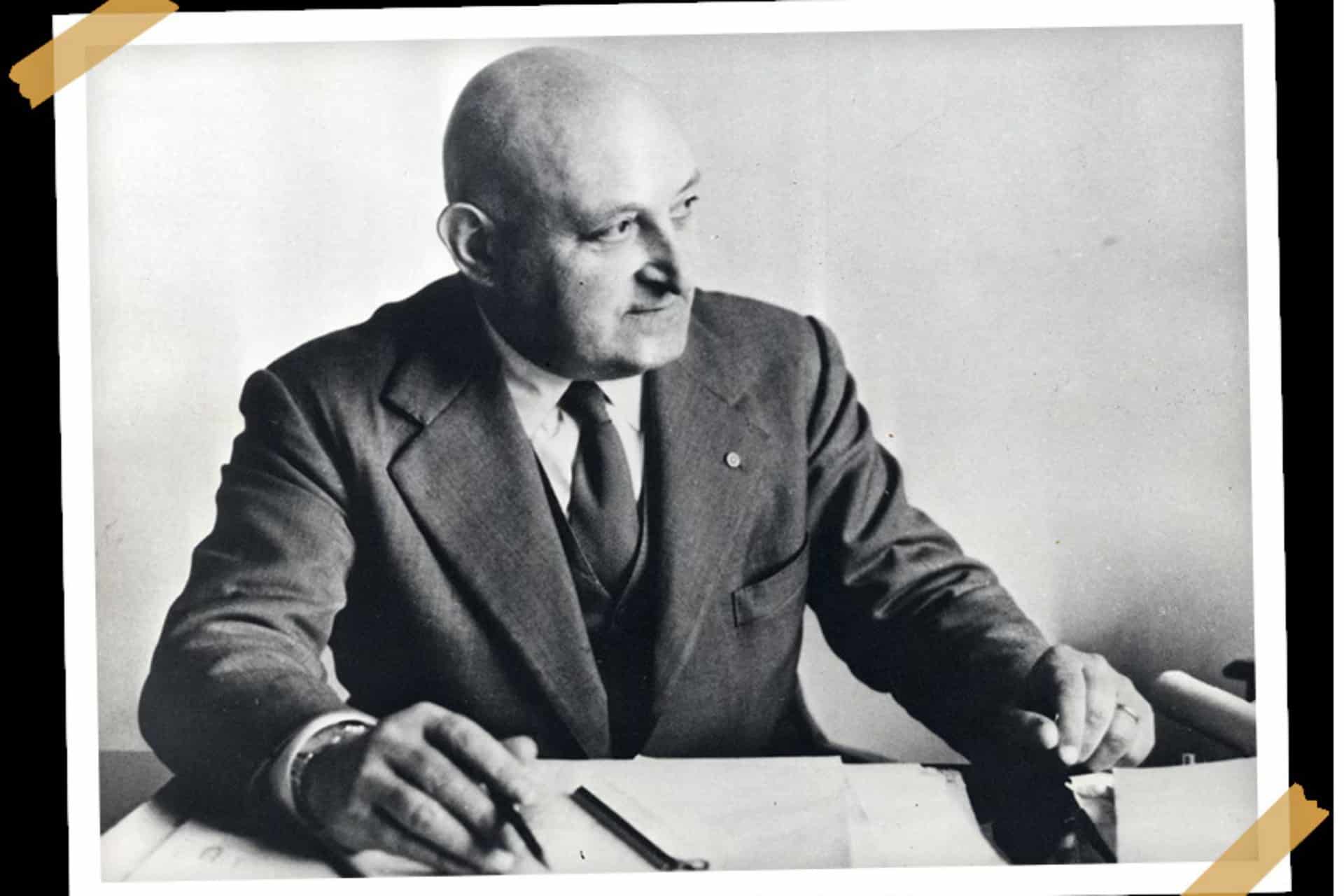
The choice of the person responsible for the project was probably one of the keys to success. He Mr. Corradino D’Ascanio He wasn’t a motorcycle designer. In fact, his specialty was aeronautical engineering and he accumulated extensive experience in the development of helicopters, propellers and light structures for aviation.
Paradoxically, this lack of knowledge of the world of traditional motorcycles ended up working in favor of the project. Instead of improving what existed, he decided to start practically from scratch. Their goal was not to build a machine for experienced motorcyclists, but rather a vehicle capable of convincing even those who had never ridden a motorcycle in their lives.
While most manufacturers followed the classic schemes of the motorcycles of the time, D’Ascanio He took the car as a reference. It sought a comfortable driving position, adequate protection against dirt and intuitive use, eliminating many of the inconveniences that kept a large part of the public away from traditional motorcycles.
That philosophy gave rise to a completely different concept that would end up defining the scooter segment for the following decades. One of the most important decisions was to eliminate the traditional central tube over which the pilot had to put his leg to sit. In its place, an open frame appeared that allowed getting on and off the vehicle with complete ease.
That solution made daily use easier, allowed driving in street clothes, coats or even a skirt, and made driving much more accessible for men and women. And, although today it seems common, in 1946 it was a real revolution. Another of the most remembered innovations was the single-sided front suspension, directly inspired by airplane landing gears. This solution greatly simplified the removal of the front wheel and its handling.
Furthermore, the first Vespa They incorporated a spare wheel located next to the front shield, allowing a puncture to be solved in a few minutes, something very important at a time when the roads were much worse and punctures were very frequent.
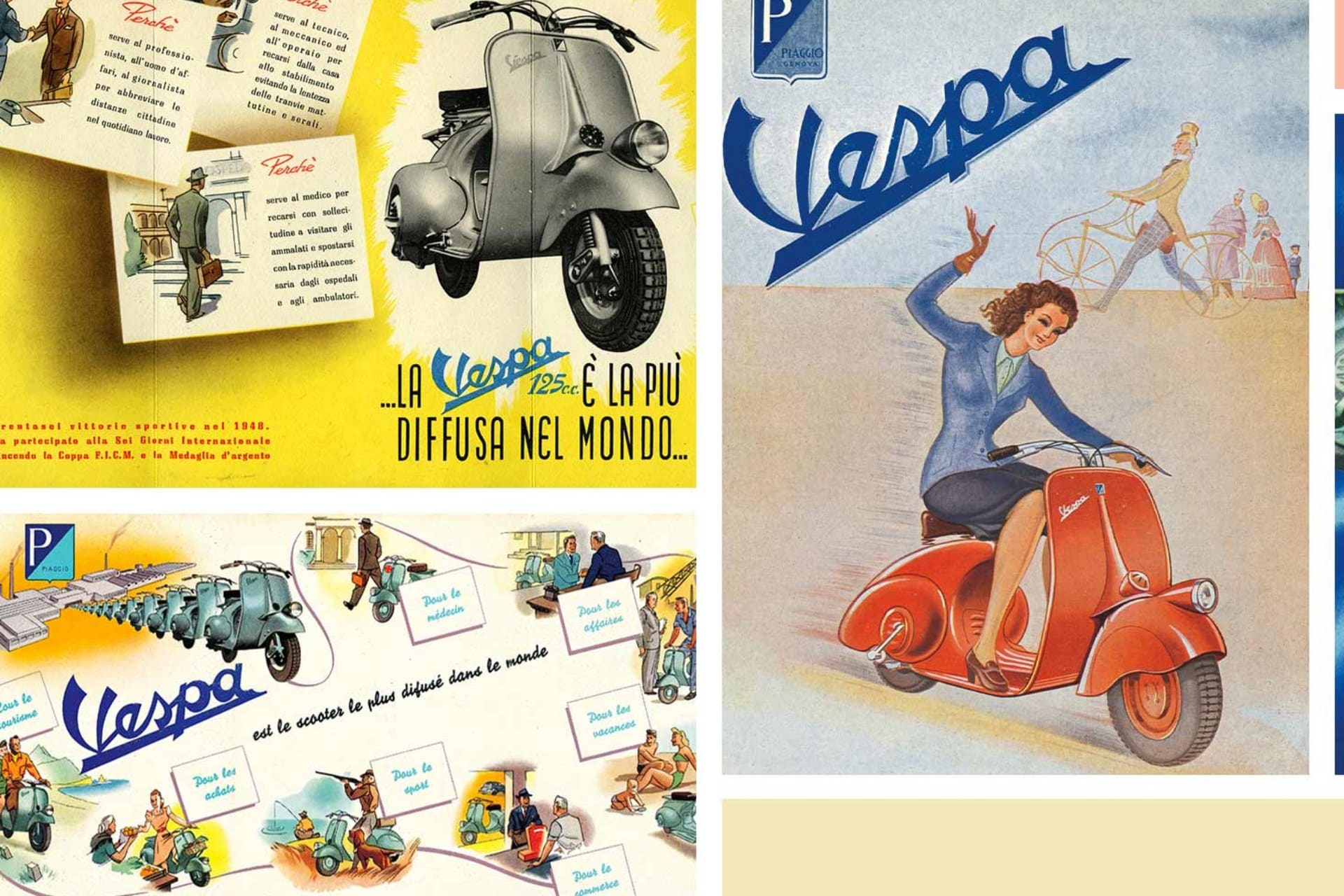
Vespa, a clean and protected engine
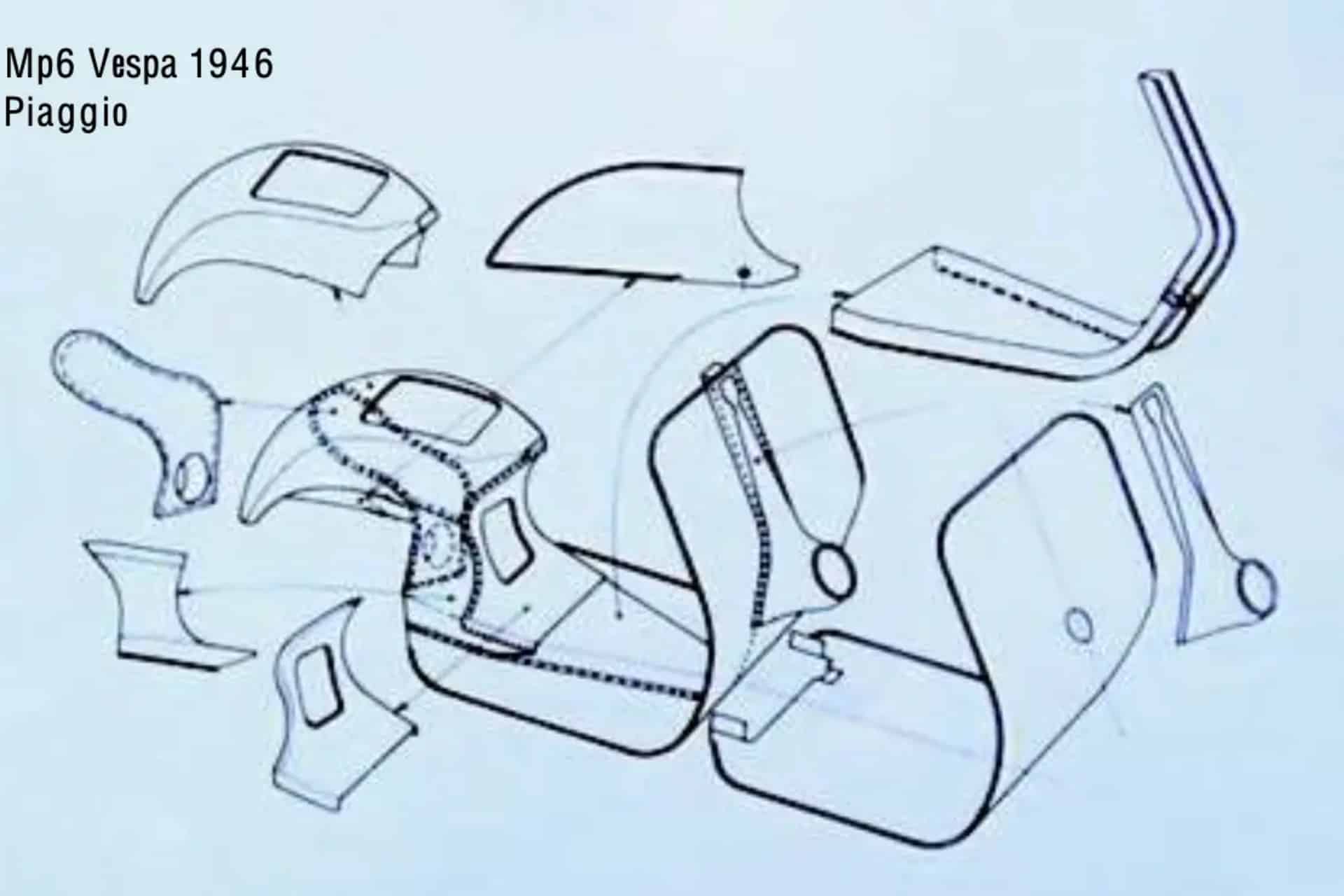
In case you didn’t know, motorcycles from the mid-20th century used to leak oil and fuel that ended up dirtying the driver’s clothes. D’Ascanio He wanted to put an end to that problem by moving the engine away from the pilot and enclosing it under a metal body. It also eliminated the chain transmission, replacing it with an integrated assembly where the engine, gearbox and rear wheel formed a single mechanical unit.
This reduced maintenance, increased cleanliness and improved the reliability of the assembly. Furthermore, many motorcycles of the time still used gear levers located next to the tank or on the side of the vehicle, forcing the driver to remove one hand from the handlebars. D’Ascanio He considered this to be an inconvenience, especially for those who had no experience on two wheels.
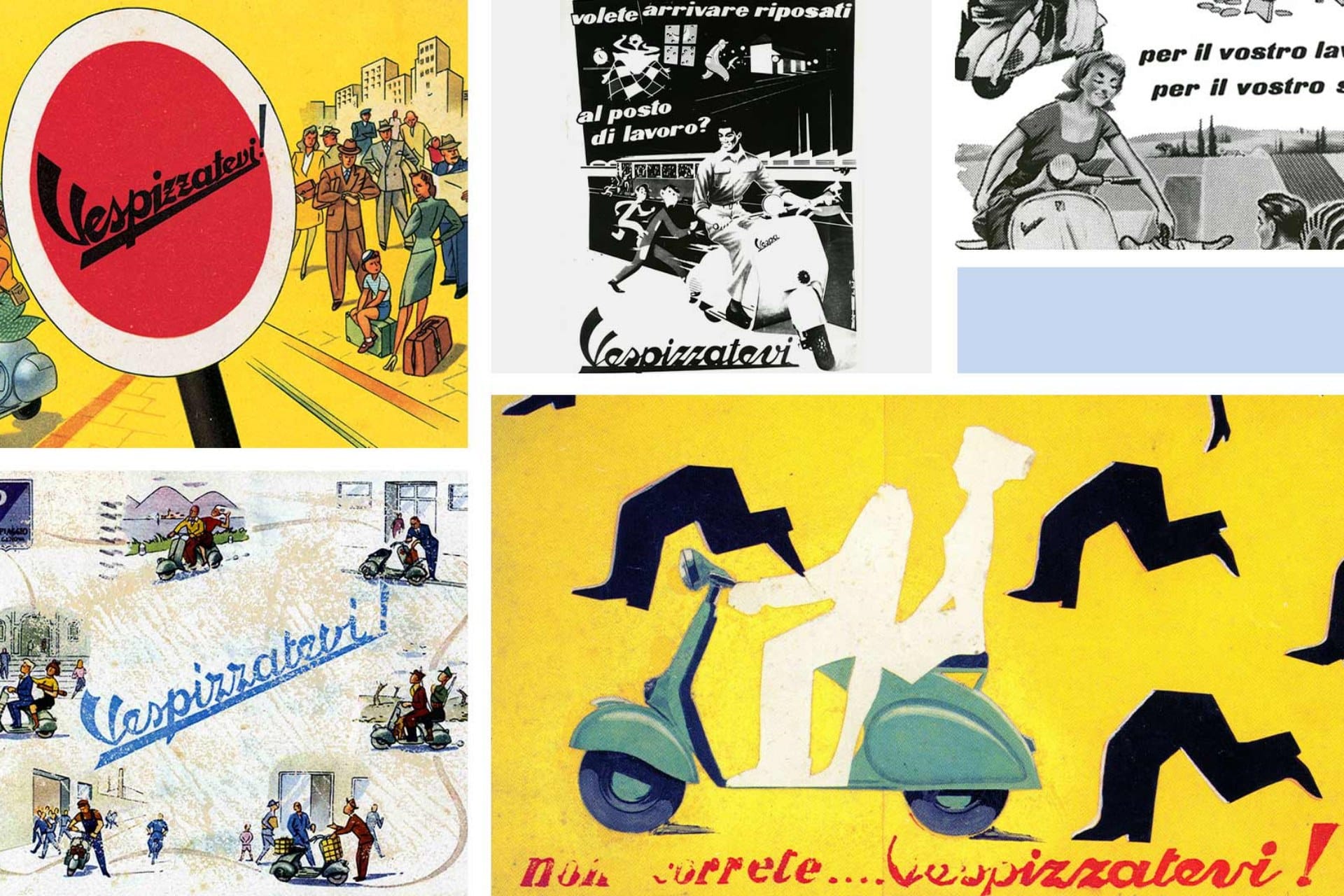
The solution was to move the change to the left handlebar grip using a rotating system that allowed gears to be selected without ever releasing both hands from controlling the vehicle. This system would end up becoming one of the hallmarks of Vespa for generations.
The aeronautical experience of the Italian engineer was also noticeable in numerous structural aspects. For example, in the use of a self-supporting stamped steel body instead of the classic tubular chassis, which made it possible to obtain a light, rigid and very resistant assembly. This design, in addition to providing enormous aesthetic personality, facilitated mass production and increased the durability of the vehicle.
After numerous prototypes and tests, in April 1946 the first production units began to leave the Pontedera factory. That motorcycle was named Vespa due to its peculiar silhouette and the sound of its small engine, which were reminiscent of a wasp. Nobody could imagine then that this vehicle would end up becoming one of the greatest symbols of Italian industrial design, with millions of units sold around the world and an image that is still fully valid 8 decades later.
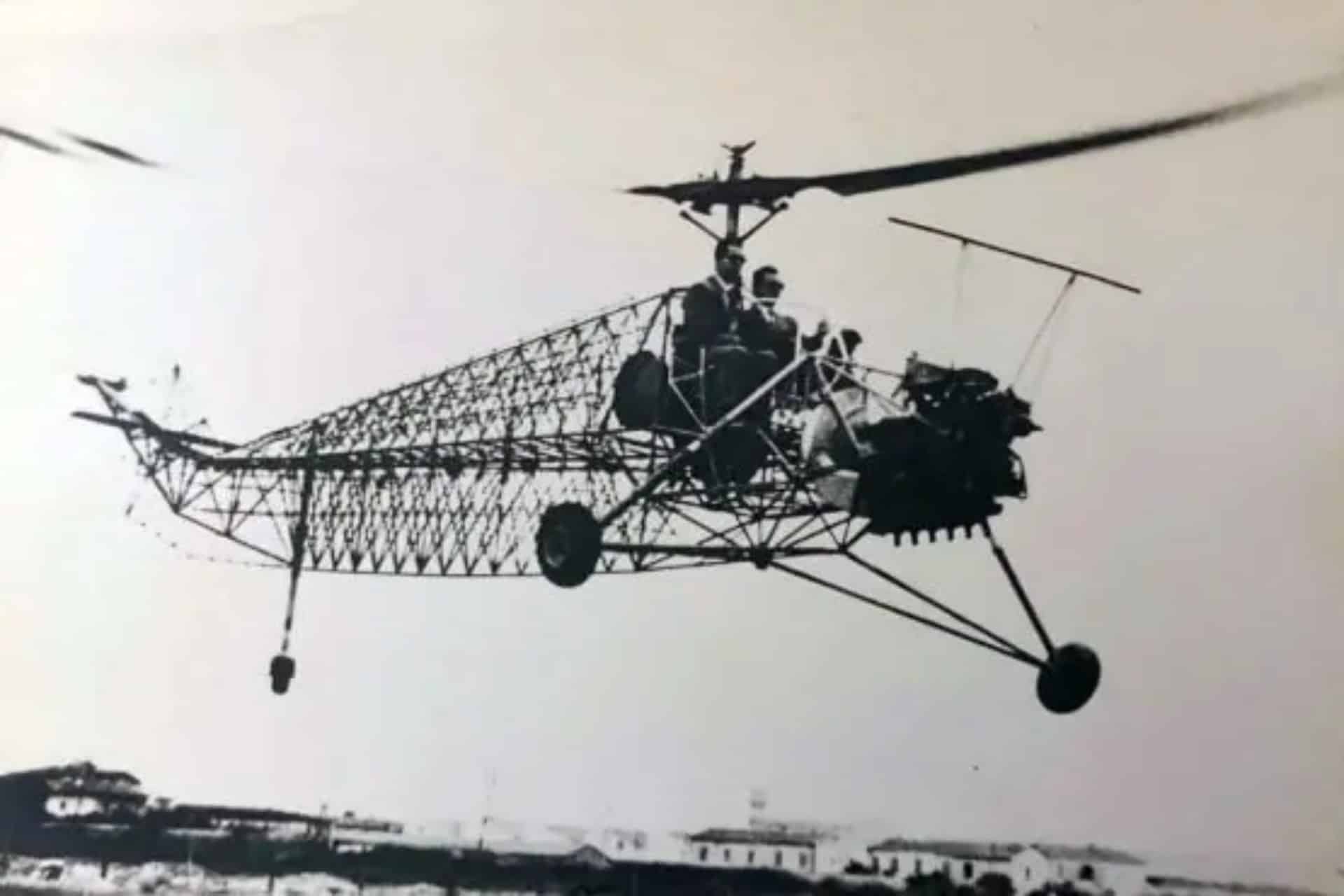
Now, let’s do a little more history. Born in 1891 in Popoli, in the Italian region of Abruzzo, Corradino D’Ascanio He developed a brilliant career as an aeronautical engineer before becoming the father of Vespa. Among his achievements are important research on helicopters, several aeronautical records and a long period as a university professor, in addition to his work for Piaggio and, later, for the aeronautical company Agustawhich would later give rise to MV Agusta in the field of motorcycles.
However, as we all know, the project that ended up immortalizing his name was that small scooter born in post-war Italy. A vehicle designed to solve everyday problems that ended up marking a before and after in the history of mobility and becoming one of the most recognizable industrial icons of the 20th century.