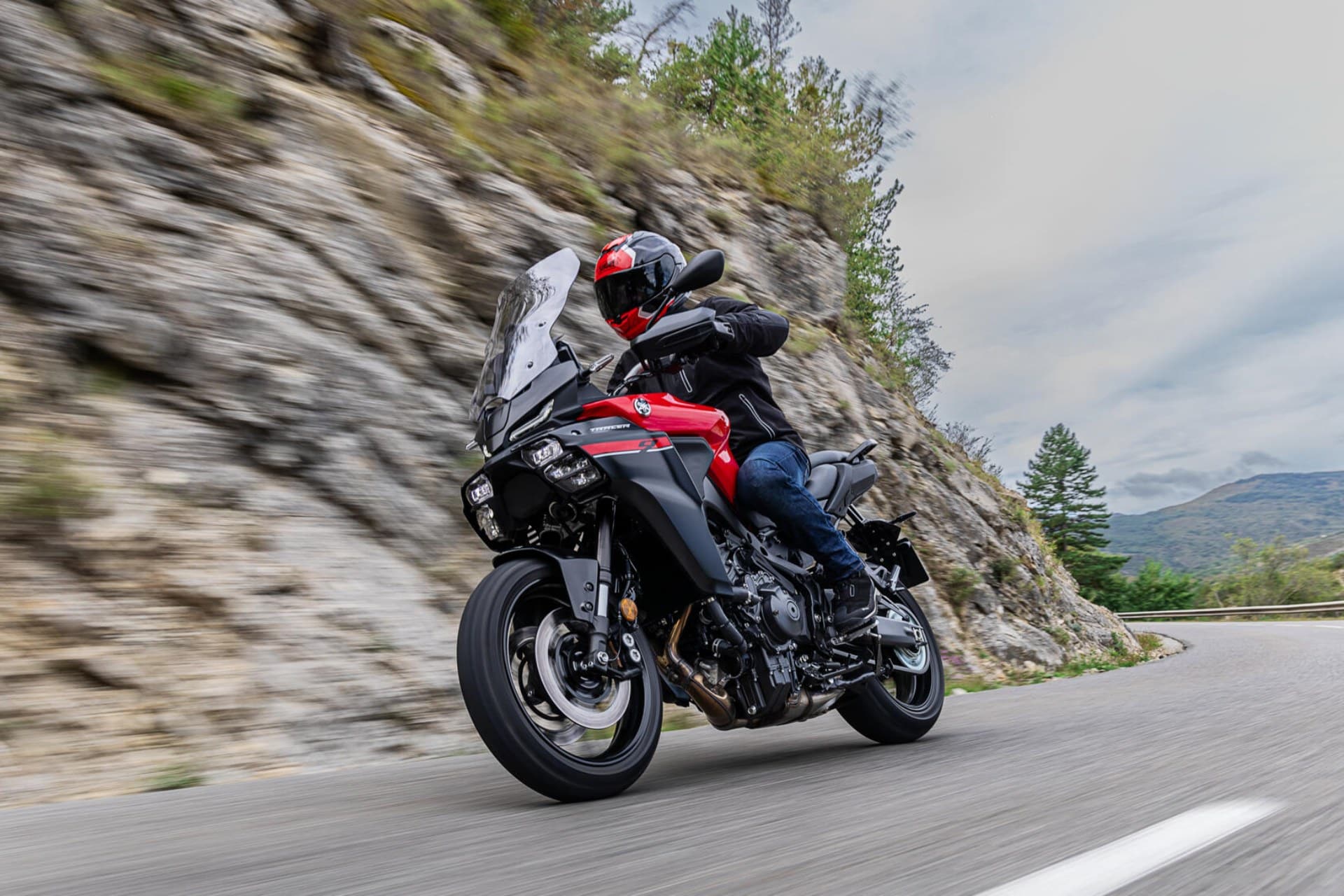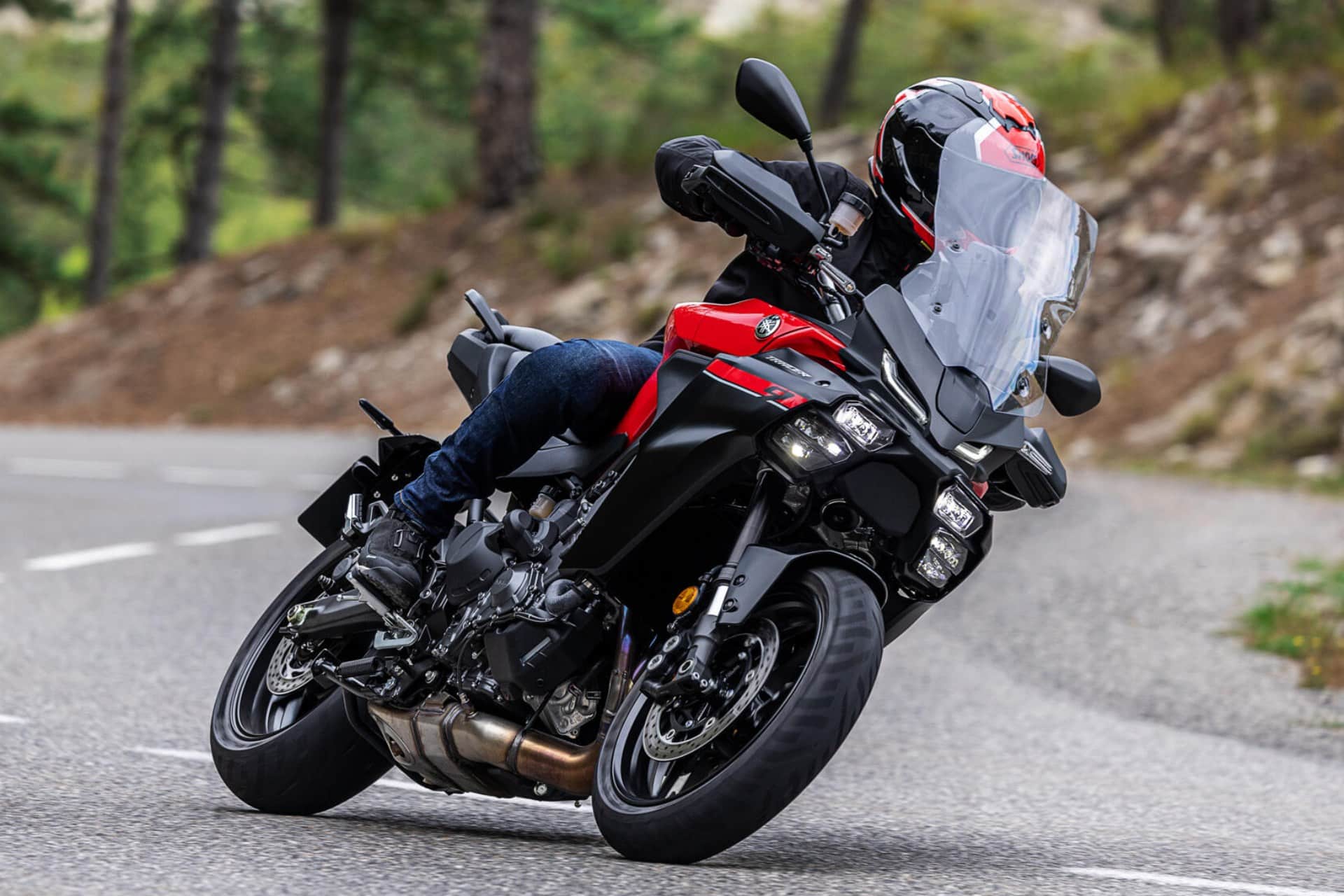
The technological evolution of motorcycles is advancing at great speed and yamaha seems determined to occupy a leading position in this transformation. Thus, a recent patent application registered by the Japanese firm shows a new electronic system that combines 2 technologies that are increasingly present in the sector: front radars and semi-automatic transmissions.
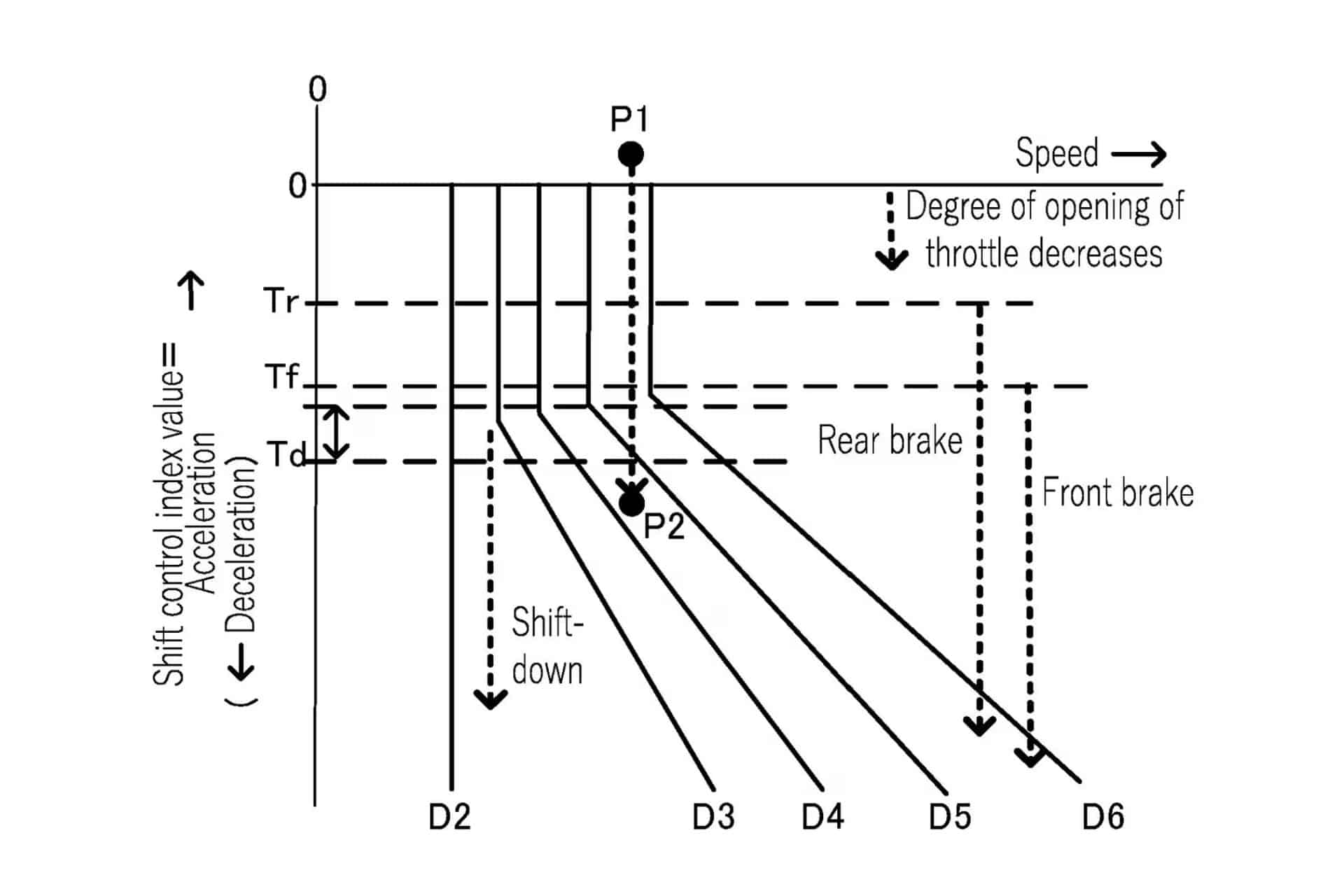
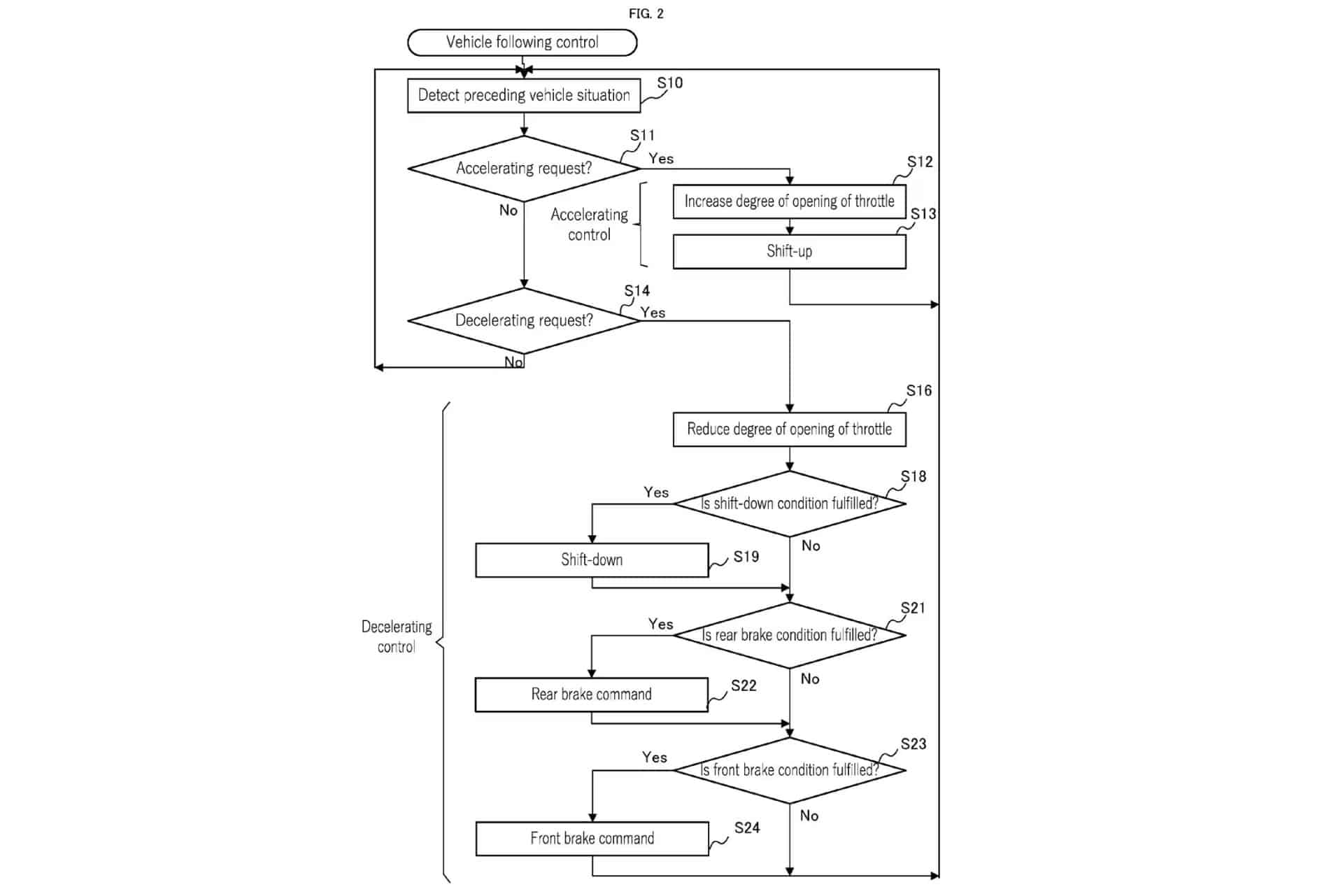
The main idea behind this Japanese development is relatively simple to understand, although technically it is much more complex to execute. yamaha It seeks to ensure that motorcycles equipped with adaptive cruise control can automatically reduce gears when the system detects that it is necessary to decelerate to maintain a safe distance from the vehicle in front. Easy, right?

Today, many models with front radar are already capable of automatically accelerating or braking to maintain a constant speed and separation from traffic. However, yamaha wants to go one step further by also incorporating intelligent transmission management.
This is how the Yamaha system would work
The patent shows how the system would act in a very similar way to that of an experienced pilot. When the motorcycle needs to reduce speed, in addition to intervening on the brakes, the electronics would select lower gears to take advantage of the engine braking and stabilize the motorcycle during deceleration.
In practice, this operation would allow braking forces to be better distributed, reduce sudden weight transfers to the front wheel and maintain greater stability, especially in intense or emergency braking situations.
Furthermore, all of this would be integrated with other electronic systems already present in some of the latest generation models of yamahasuch as semi-active suspension or automated unified braking. In fact, the Yamaha Tracer 9 GT+equipped with the Y-AMT system, is one of the best examples of this new technological philosophy of the Japanese brand. For example, in this model, adaptive cruise control already works together with electronic brakes and suspensions to improve safety and comfort while driving.
Now, as we are telling you, this new patent expands those capabilities even further. The system would be capable of simultaneously coordinating the accelerator, brakes, suspension and transmission to automatically manage complex traffic situations, minimizing the possibilities of destabilization of the motorcycle. And, although these types of solutions will initially continue to be reserved for premium and large-displacement motorcycles, everything indicates that they will end up progressively extending to more accessible segments.
Front-facing radars, automated gearboxes and electronic assistants are becoming cheaper to produce thanks to their massive implementation in the automotive industry.
Precisely, the automobile sector could also mark the legislative path for the world of 2 wheels. In Europe, certain automatic assistance and emergency braking systems are already mandatory in new cars, and the US will apply similar measures starting in 2029. Therefore, it is not unreasonable to think that in the future motorcycles should also incorporate technologies capable of avoiding collisions or reducing their consequences automatically.