We all know it: for years, talking about a highway or highway in “Spain” has been synonymous with driving at 120 km/h. Yes, in Spain, because in other European countries, like France, for example, that limit is 130 km/h and, in Germany, better not to mention it. But let’s go back to the “bull skin”. This threshold, set in the General Traffic Regulations by the DGThas set the benchmark for millions of drivers for years. However, the reality of the road is changing, and with it the way speed limits are managed.
Far from applying a general reduction, the DGT is betting on a much more precise strategy. And it is acting on specific sections where the risk is greater. Thus, factors such as the condition of the asphalt, visibility, the presence of demanding curves, unevenness or the history of accidents are decisive when it comes to lowering the maximum speed allowed.

The objective of the DGT It’s clear. Reducing from 120 to 100 km/h not only improves the driver’s reaction time, but also significantly reduces the severity of accidents. It is a measure that, although it may seem conservative, is supported by international studies such as those promoted by the United Nations, which point to speed as one of the key factors in road mortality.
In this context, speed reduction is no longer a one-off exception but has become a common tool within road safety policy for 2026. A trend that is also increasingly supported by technology and intelligent traffic management.
Sections where the DGT requires driving at 100 km/h
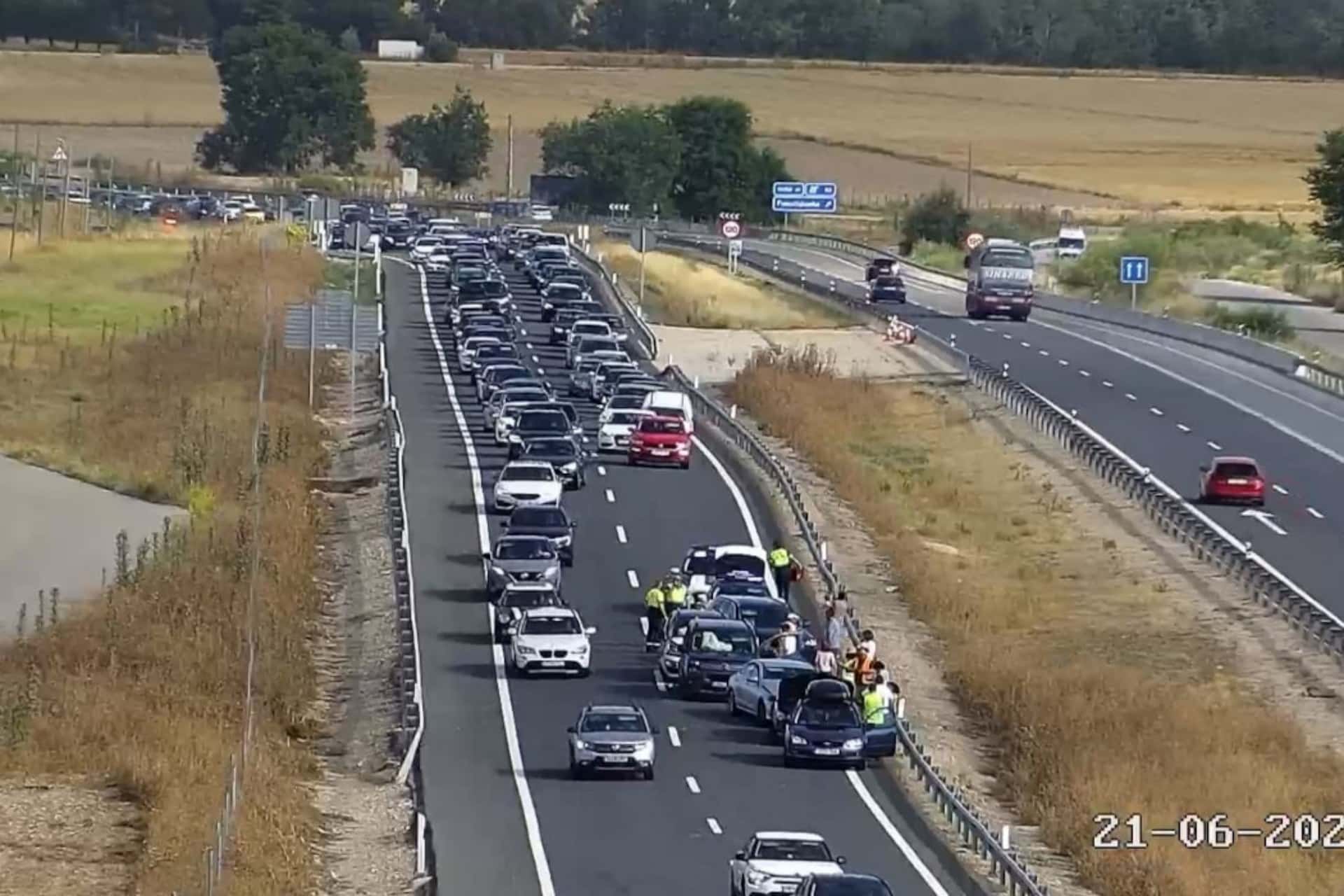
Although there is no rule that imposes this limit in a general way, there are already multiple examples where 100 km/h is a consolidated reality. One of the most representative cases is the AG-55in Galicia, where several sections have had their limits permanently reduced due to their complex layout, with curves, slopes and limited visibility. In addition, section radars have been installed in these areas to reinforce compliance.
In the north, the AP-8 also adds to this trend. This highway, one of the busiest in the Basque Country, will incorporate several sections with a limit of 100 km/h, especially in points where serious accidents have been recorded.
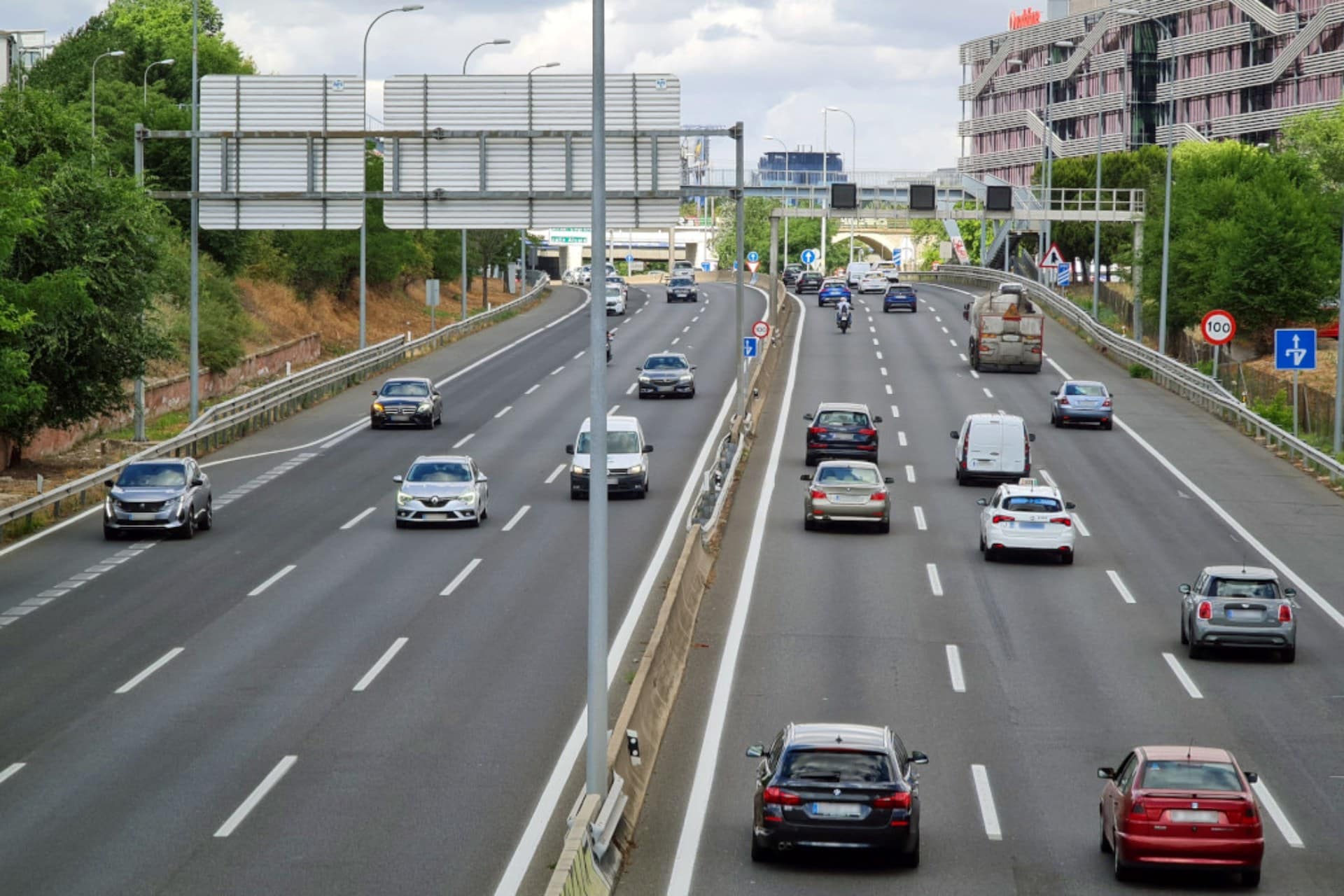
For its part, the AP-7 in Catalonia it introduces a different approach. This is not a fixed limit, but a dynamic one. Thanks to intelligent management systems, the maximum speed is adapted in real time depending on traffic, weather conditions or the state of the road. In practice, this has made 100 km/h common at many times of the day. Everything indicates that this type of measures will increase in the coming years. The DGT It thus moves away from general decisions such as the temporary reduction to 110 km/h applied in the past, to focus on actions based on real data.
For drivers, this implies an important change: it is no longer enough to assume that all highways allow driving at 120 km/h. Paying attention to the signs and understanding the reason for these limits will be key not only to avoid penalties, but also to contribute to safer driving, adapting the speed to the reality of each road.