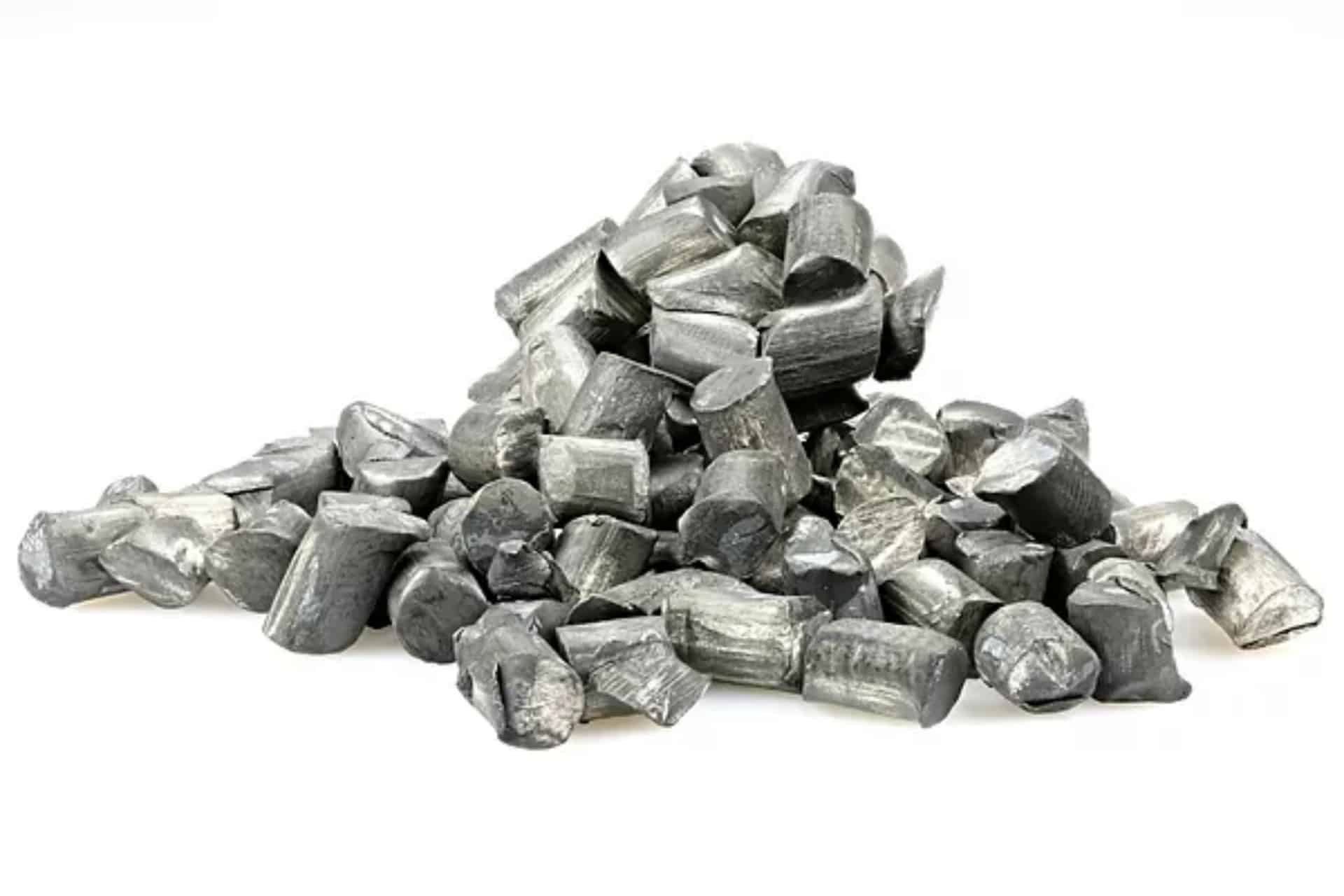
Europe could be sitting on one of the most strategic resources of the 21st century… and, worst of all, still not knowing how to take advantage of it. Lithium, key to batteries and electric mobility, has appeared in large quantities in both Germany and Italy. But, as we are telling you, the problem is not finding it, but extracting it.
Because unlike other large global producers, where the mineral is obtained with already consolidated methods, in Europe the deposits present a technical complexity that, for now, prevents converting that potential into real production.
The most striking case is in northern Germany, where one of the largest lithium deposits in the world has been identified. It is estimated that it contains about 43 million tons of lithium carbonate equivalent, but with a peculiarity that changes everything: it is not in solid rock, but dissolved in deep waters.

What happens with lithium in Europe?
These reserves are found between 3,000 and 5,000 meters deep, trapped in geological formations for millions of years. Extracting this lithium involves pumping brines from great depths and processing them on the surface, a technically complex process still full of unknowns.
But to try to solve them, the RoLiXX project has been launched, which studies the chemical behavior of the mineral with advanced techniques. One of the main risks is that, when rising to the surface, the compounds solidify and end up blocking installations and pumping systems.
Added to this is another key factor: the environmental impact. Extracting lithium in the heart of European territory means complying with much stricter regulations than in other regions of the world, which adds both technical and economic pressure.
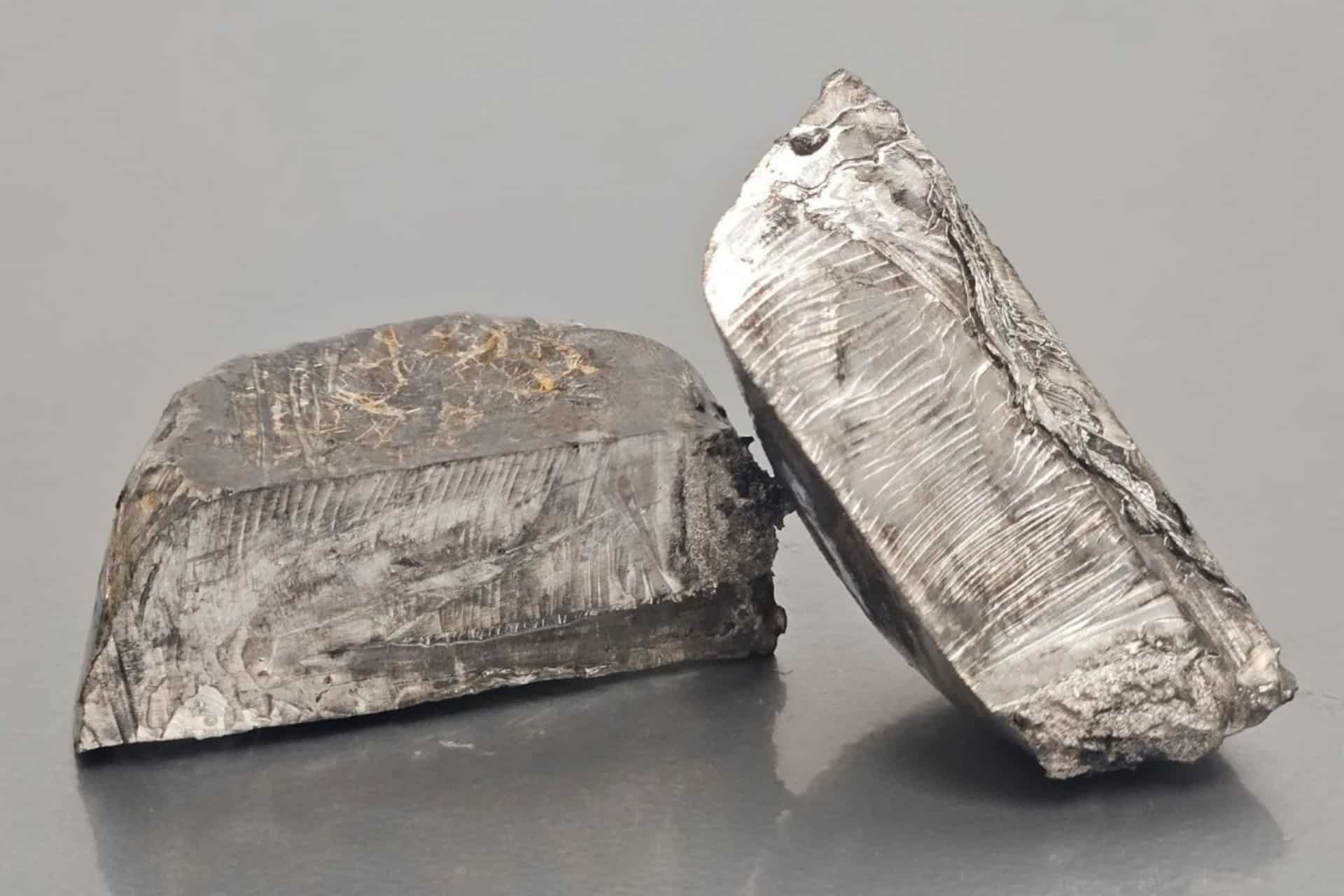
But while Germany deals with depth, Italy stands out for another reason: the concentration of lithium. In regions such as Tuscany, Lazio or Campania, as well as on the Adriatic slope of the Apennines, fluids have been detected with levels of up to 480 mg/l, figures well above the international average, which rarely exceeds 200-250 mg/l. These deposits, associated in many cases with volcanic activity or sedimentary formations, present very favorable conditions in terms of mineral wealth. However, the problem is the same again: technology.
These are resources considered “unconventional”, whose exploitation requires methods such as direct lithium extraction (DLE), still in the development phase and with high costs. To date, Italy has not started large-scale production, despite its enormous potential. The global context explains why this issue is so relevant. Currently, lithium production is dominated by countries such as Australia and several regions in South America, while China controls much of the processing and supply chain.
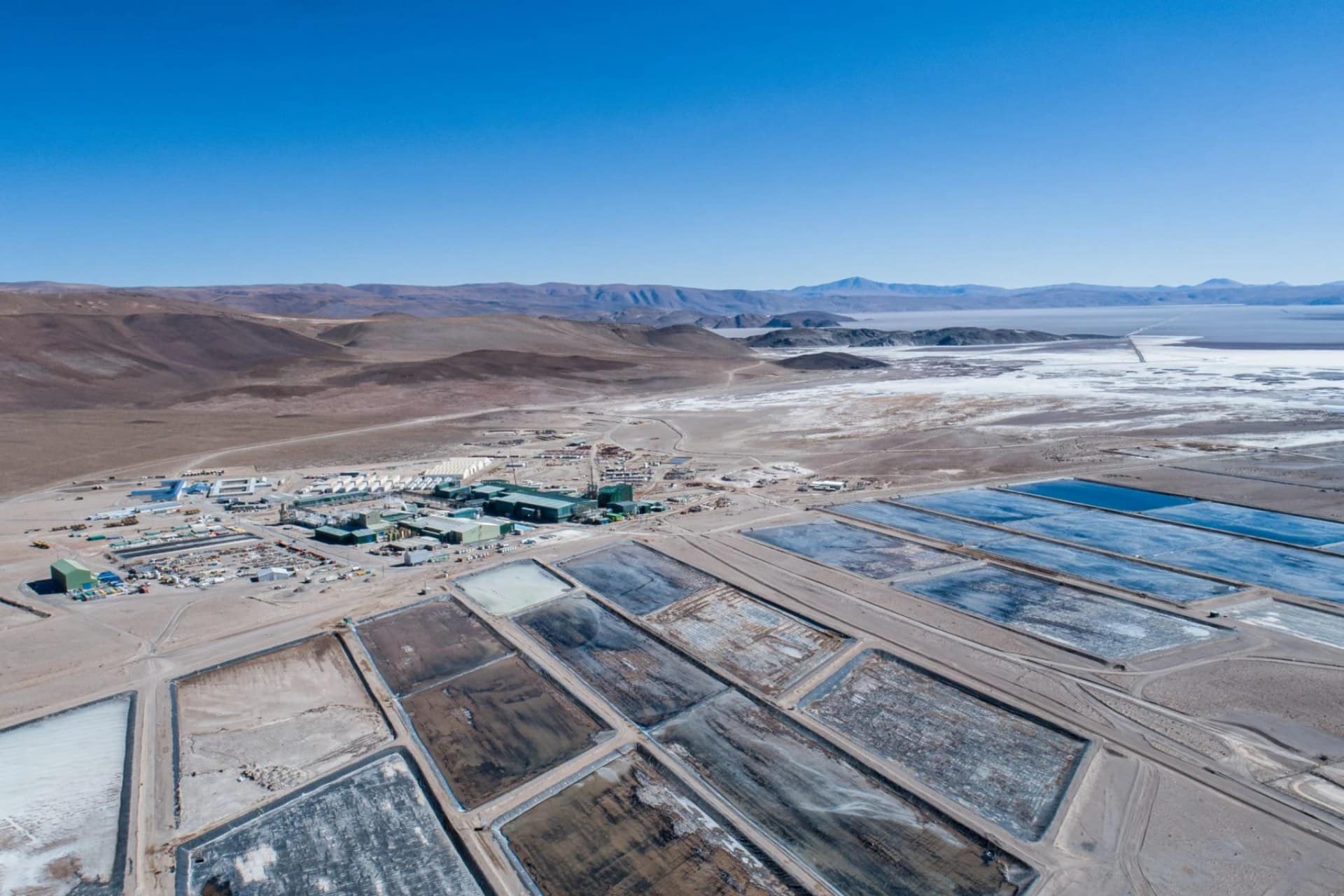
To reduce this dependence, the European Union has promoted initiatives such as the Critical Raw Materials Law, approved in 2023, with the aim of promoting the extraction and development of its own resources. But between potential and reality there is a considerable gap.
Europe has lithium, and in significant quantities. What it doesn’t yet have is a clear, profitable and sustainable way to extract it on a large scale. And as long as that equation is not resolved, autonomy in batteries (and by extension in electric mobility) will continue to be more of an aspiration than a reality.