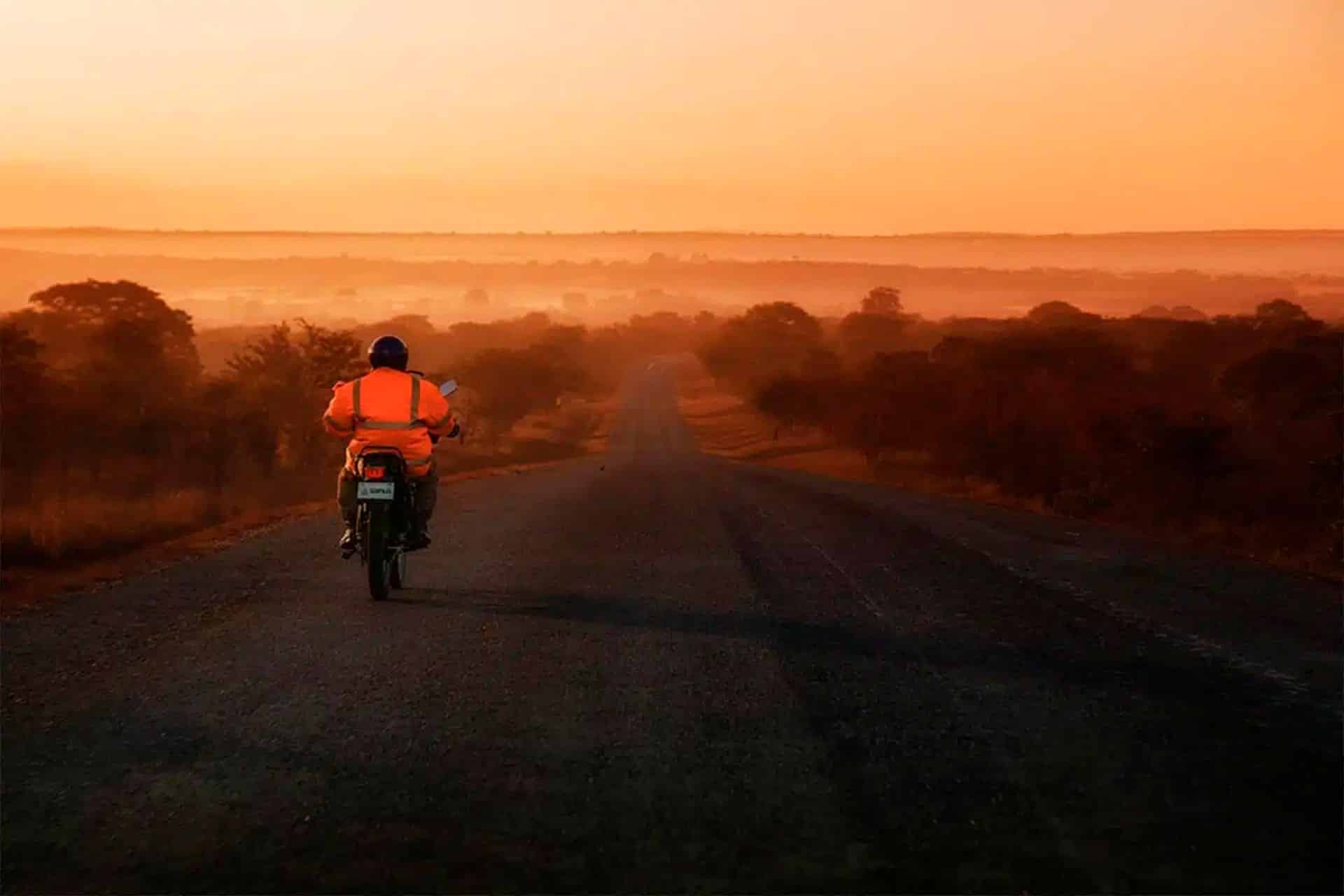
When summer arrives, many fans take advantage of the long days and good weather to accumulate km. However, the intense heat represents one of the most undervalued risks of motorcycle driving. Unlike what happens inside a car, the motorcyclist is directly exposed to the sun, hot air and the heat given off by the asphalt itself, a combination that can take its toll much sooner than we imagine.
Guide to safe driving during the summer
Obviously, the loss of concentration, the premature tiredness or slower reflexes are some of the consequences of prolonged exposure to heat. Therefore, in addition to enjoying the road, it is advisable to adopt certain measures to keep the body in good condition throughout the route.

Hydration starts before starting
One of the most common mistakes is waiting until you are thirsty to drink water. Sports medicine specialists remember that the feeling of thirst appears when the body has already begun to lose a significant amount of fluids.
In one hot day, especially during long trips, the dehydration It can appear progressively without the rider being fully aware. It is advisable to start the day well hydrated and continue drinking small amounts of water regularly throughout the route.
Hydration backpacks have become one of the favorite solutions for many travelers, as they allow you to drink without having to constantly stop.
More breaks and fewer kilometers in a row
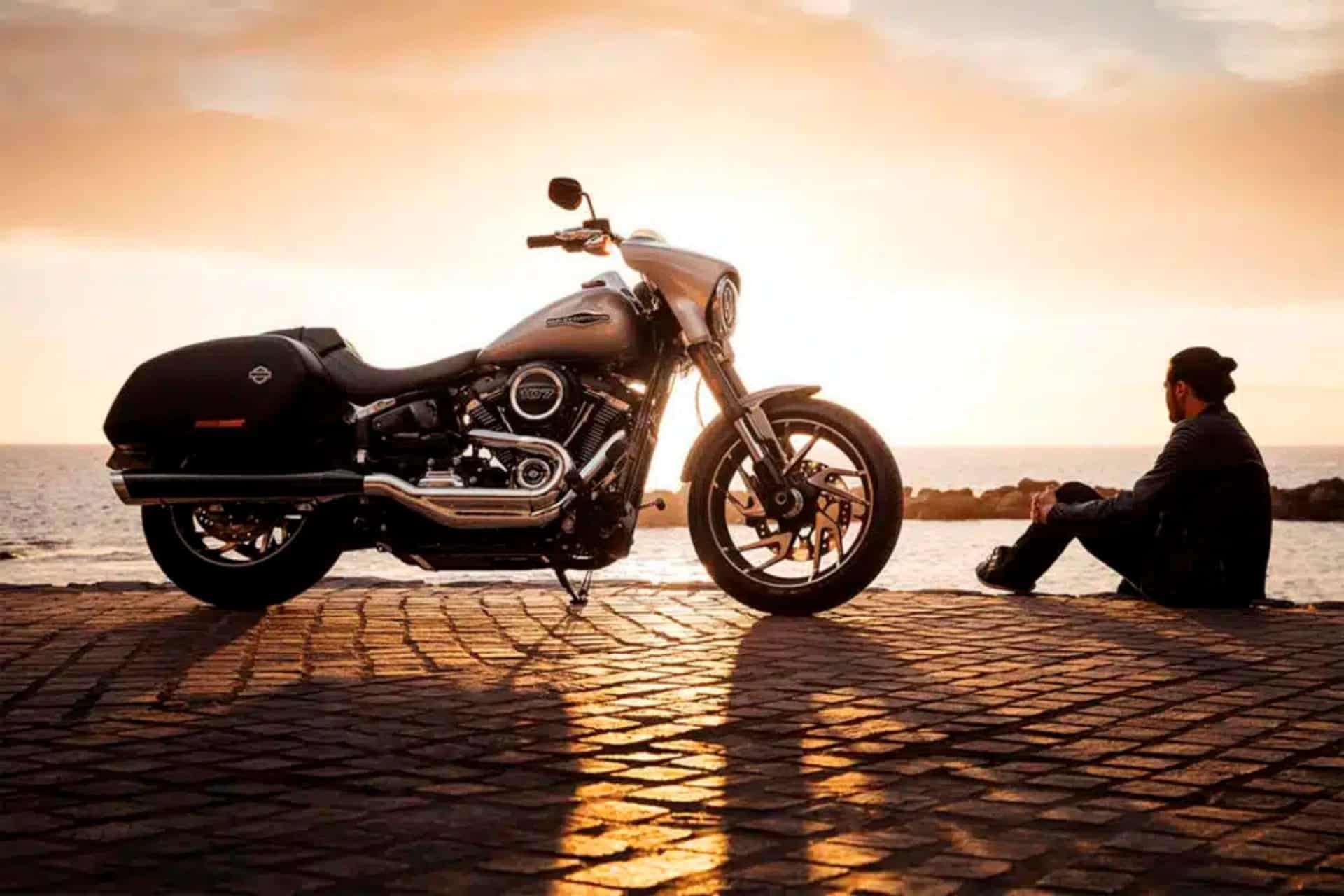
Summer is not the best time to chain hundreds of km without barely getting off the bike. Taking frequent breaks helps reduce fatigue and allows the body to regain temperature.
Find a shaded area, take off your helmet for a few minutes and take advantage to drinking water can make a big difference at the end of the day. Yes, on especially hot days, many experienced motorcyclists recommend stopping approximately every hour.
Equipment is still essential
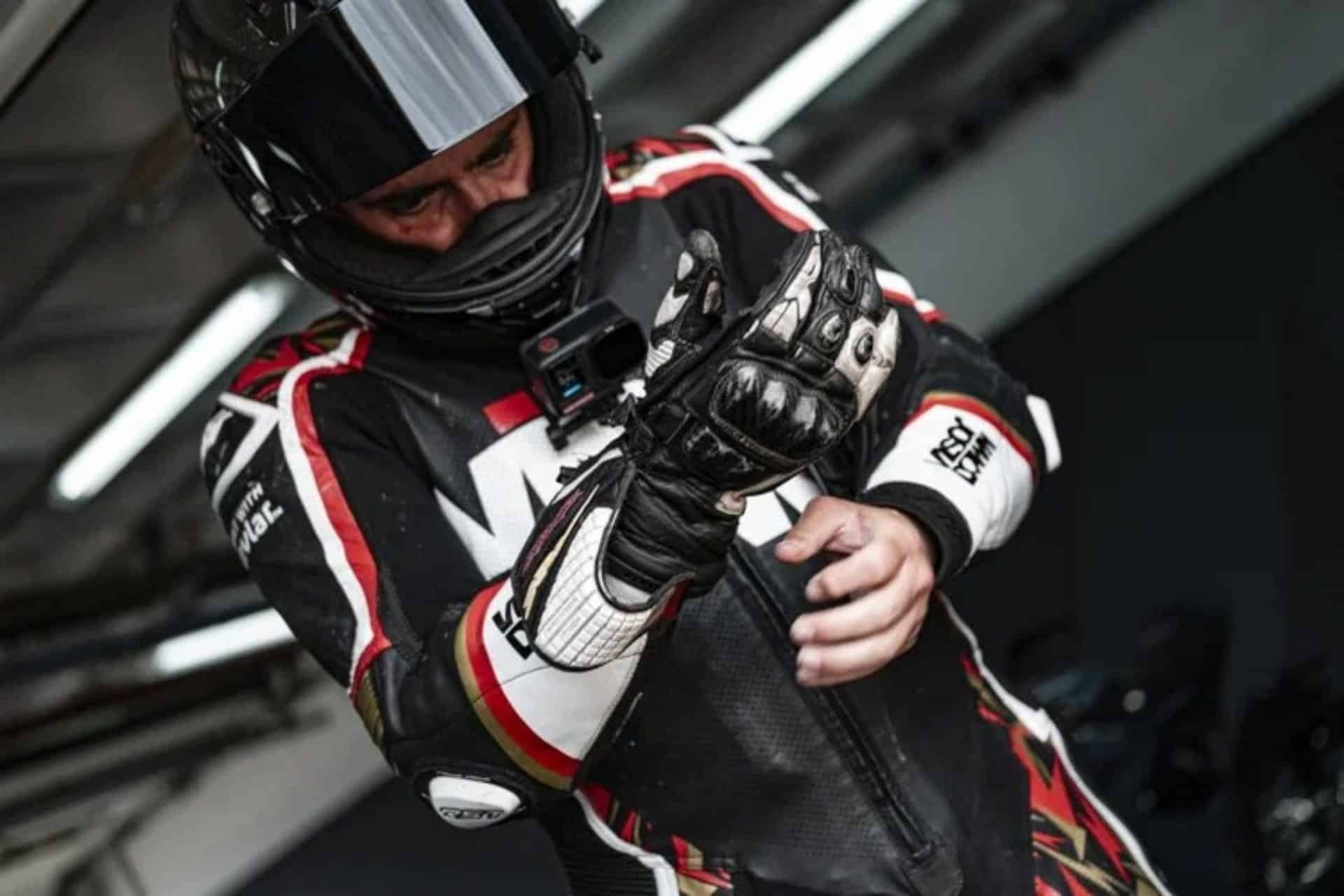
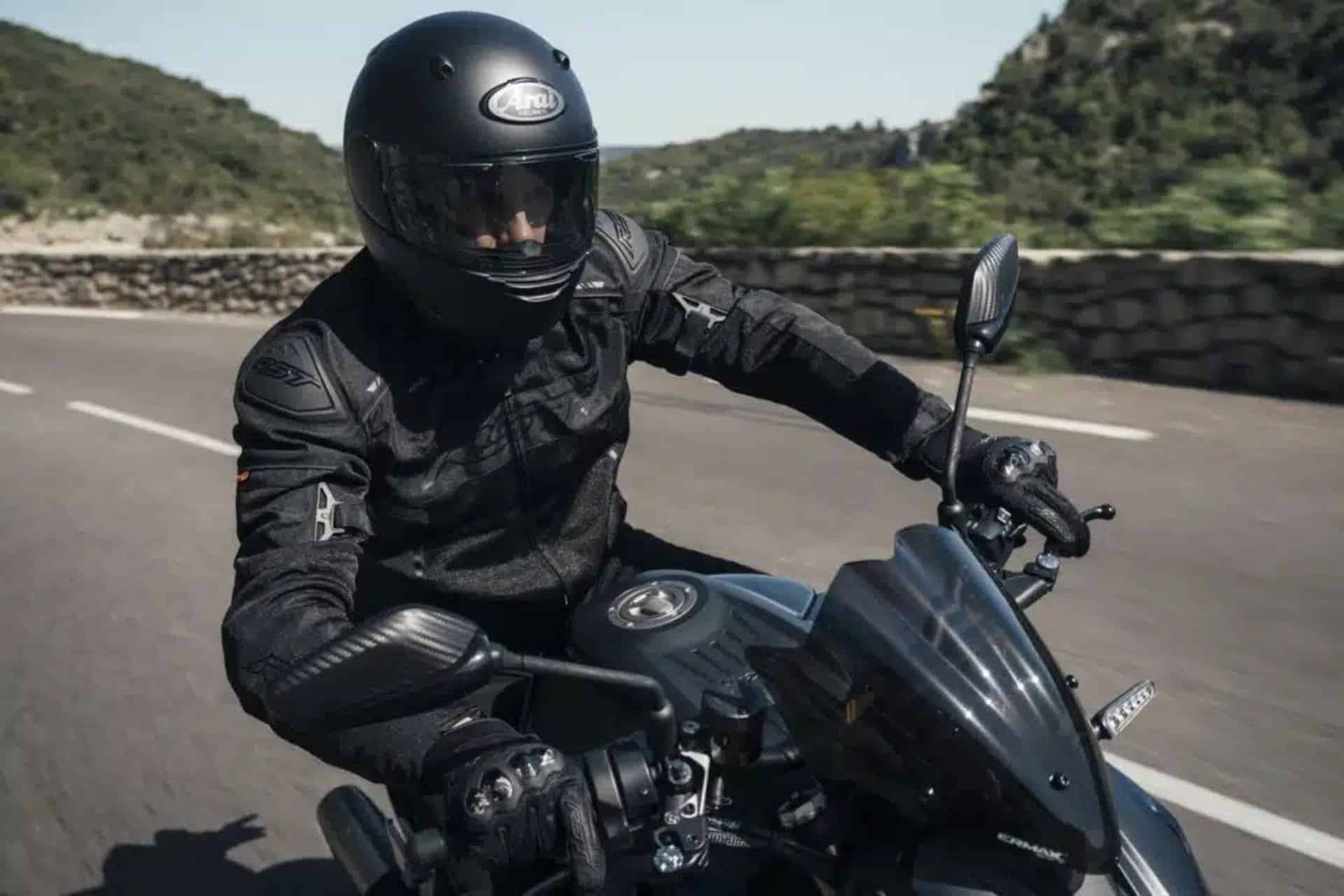
But, every summer the same debate returns: is it better to drive with less clothing to be less hot? The answer is clear. Riding in a T-shirt, shorts or without gloves not only drastically reduces protection in the event of an accident, but also does not guarantee greater sensation of freshness.
In fact, modern technical garments are designed precisely to facilitate ventilation and better manage body humidity. Mesh jackets, breathable fabrics and summer-specific base layers help maintain a more stable temperature without sacrificing safety.
Take advantage of all the available ventilation
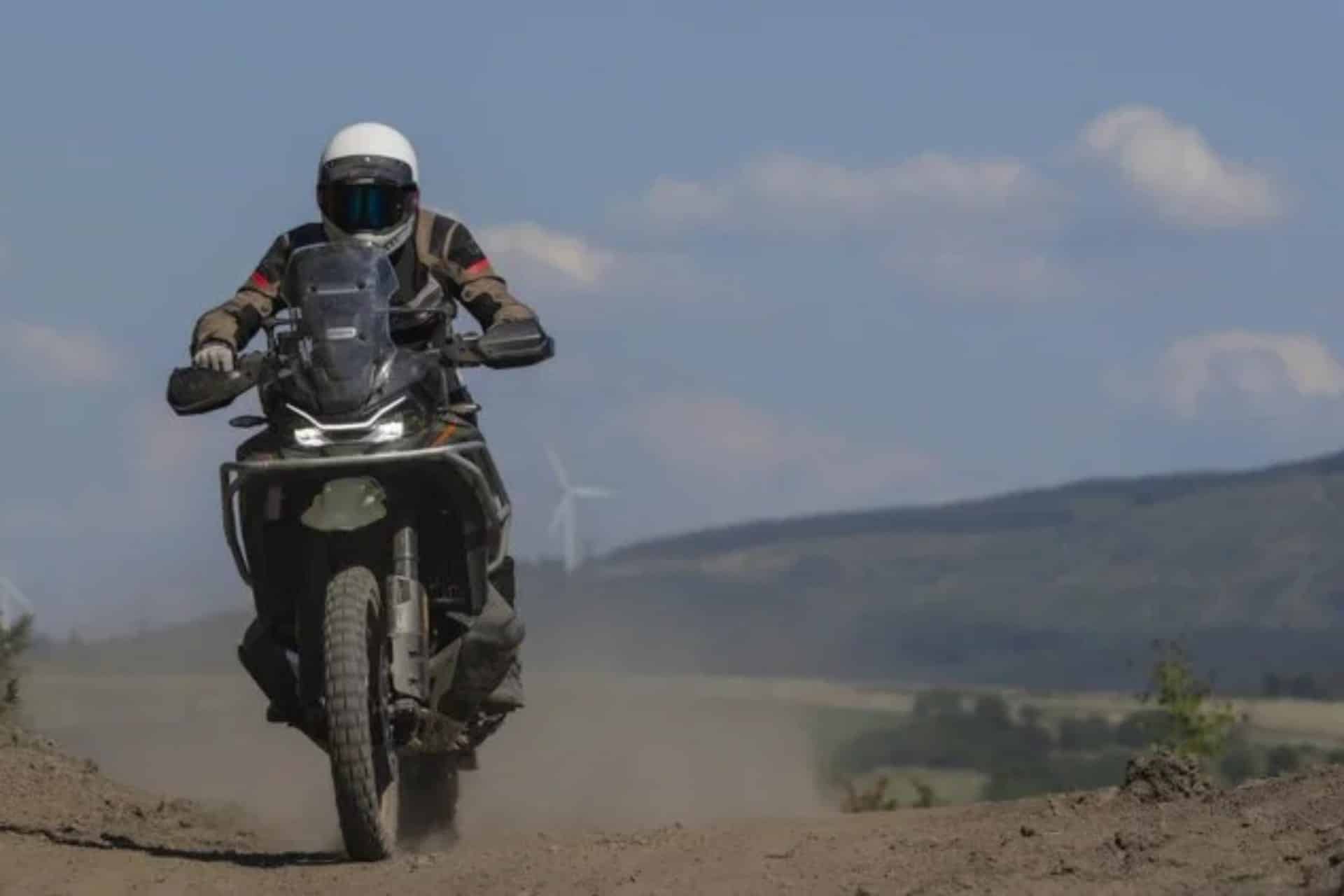
As we all know, helmet and equipment manufacturers have been perfecting ventilation systems for years. When the heat is high, it is advisable to use all available air inlets and outlets.
The helmet’s vents promote air circulation around the head, while the jacket’s vents help evacuate heat accumulated in the torso. Although they may seem like small details, the difference on long routes can be considerable.
The first hours of the day are your allies
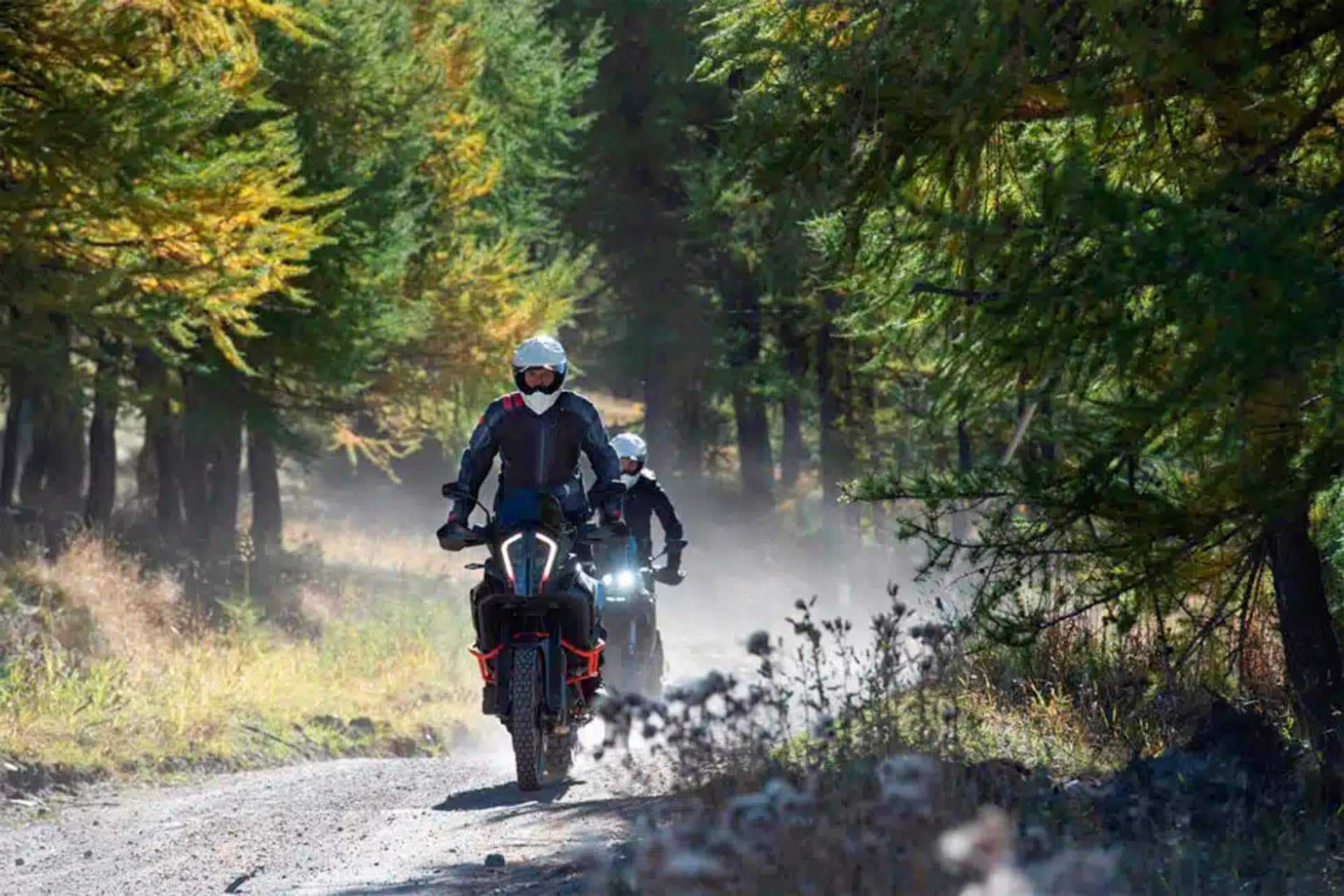
If there is the possibility of choosing a time, getting up early and leaving early is usually one of the best decisions. The milder temperatures early in the morning allow for much more comfortable driving, in addition to less congested roads. Likewise, the late afternoon hours tend to offer more pleasant conditions than the central part of the day.
Between 2 and 6 in the afternoon is when the asphalt and the air usually reach their temperatures maxims, especially during heat waves which are increasingly common in Spain.
Avoid traffic jams whenever you can
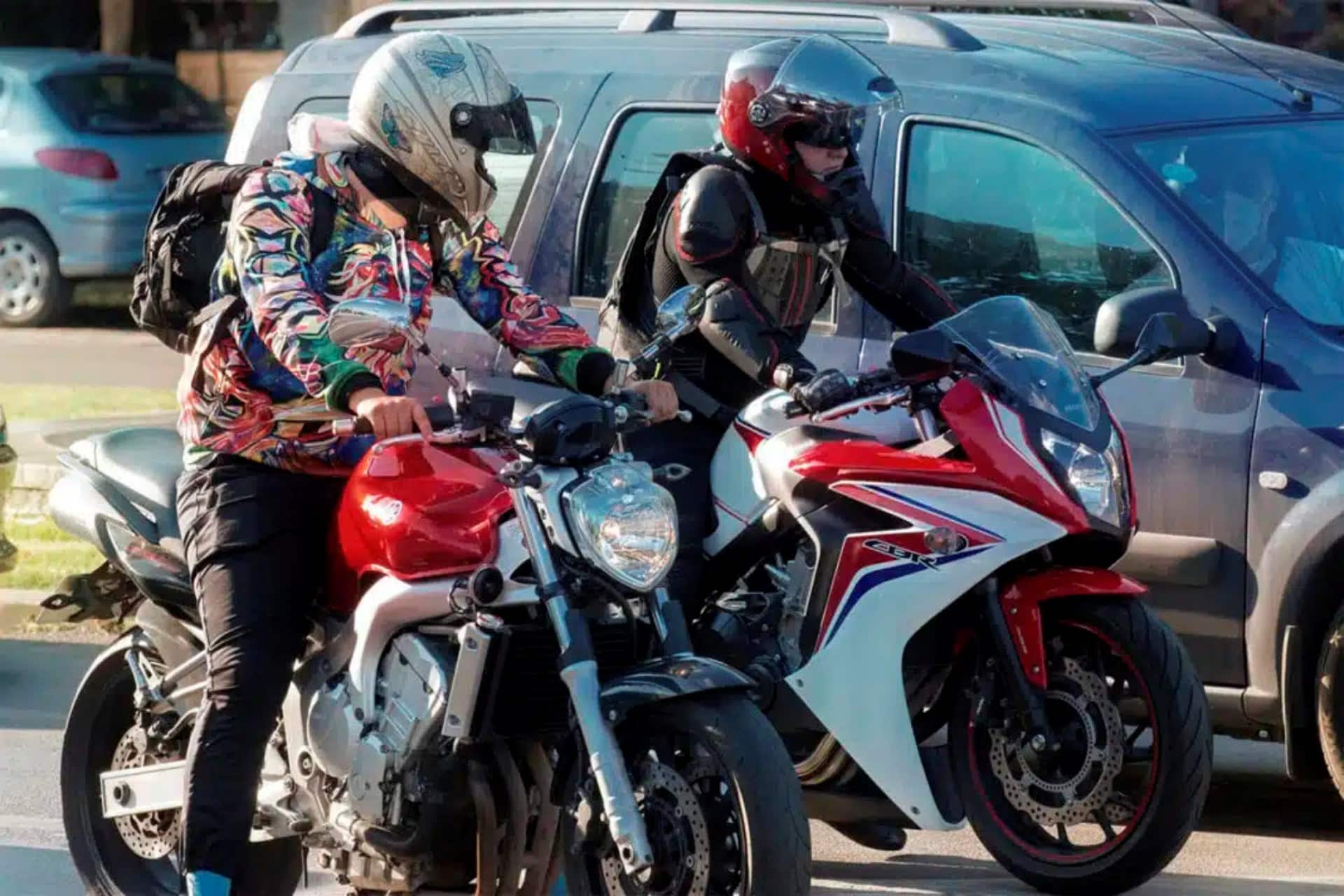
When the bike is moving, the airflow helps dissipate part of the body heat. The problem appears when traffic forces you to remain stopped for long periods. A horror.
In addition to withstanding the ambient heat, the rider receives heat from the engine and the asphalt. Therefore, planning alternative routes or avoiding peak times can significantly improve comfort during the trip.
Learn to identify warning symptoms
Heat can affect the body quickly. Dizziness, headache, muscle cramps, nausea, excessive tiredness, or difficulty breathing keep focused These are signs that should never be ignored.
When faced with any of these symptoms, the most prudent thing to do is to stop immediately in a safe place, seek shade, hydrate and rest. Continuing to drive in these conditions can seriously compromise safety.
Enjoying the trip also means slowing down
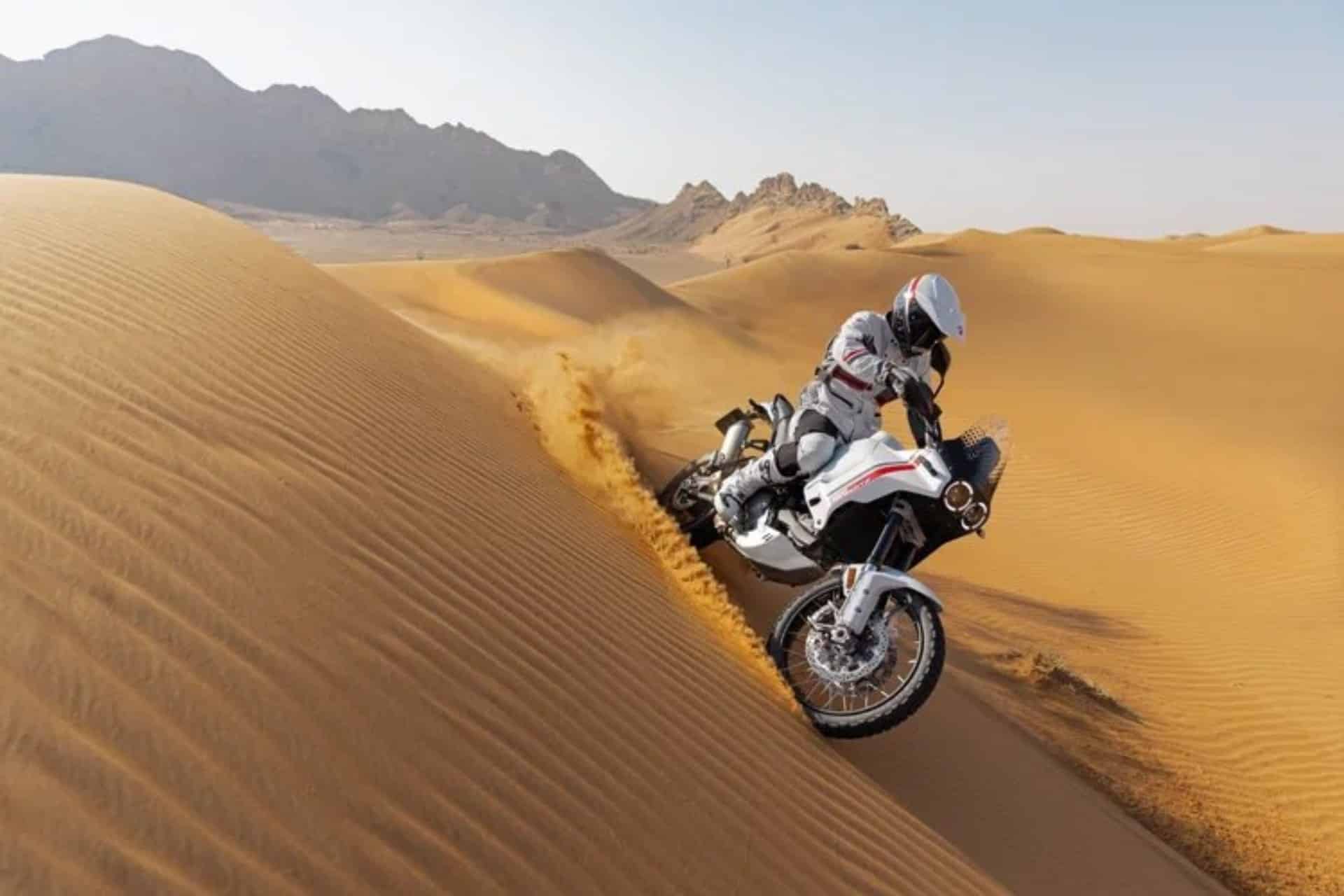
Clear roads and good weather usually invite you to accelerate your pace, but during the hottest days it is better to adopt a more relaxed driving style.
Slightly reducing the intensity of the trip helps reduce physical fatigue, allows you to better anticipate risks and turns the route into a much more pleasant experience. After all, the objective of a summer outing is not to arrive sooner, but to enjoy each km safely.
Frequently asked questions
How does heat affect motorcycle riding?
Heat can reduce concentration, increase fatigue and slow down the rider’s reflexes. In summer, direct exposure to the sun, hot air and the heat of the asphalt can cause fatigue much earlier than usual.
How often should you stop on a motorcycle route during the summer?
On very hot days, it is advisable to take frequent breaks, even approximately every hour. Stopping in a shaded area, removing your helmet for a few minutes, and drinking water helps reduce fatigue and maintain safety.
Is it advisable to ride a motorcycle in a t-shirt during the summer?
No. Riding in a T-shirt, shorts or without gloves greatly reduces protection in the event of a fall and does not always improve the thermal sensation. The safest thing is to use technical summer equipment, with ventilated and breathable fabrics.
What is the best time to go out on a motorcycle in summer?
The early morning and late afternoon hours are usually the most recommended. On the other hand, it is advisable to avoid the central part of the day, especially between 2:00 p.m. and 6:00 p.m., when the heat and asphalt temperature are usually highest.
What symptoms may indicate heat stroke on a motorcycle?
Dizziness, headache, nausea, cramps, extreme tiredness, or difficulty concentrating can be warning signs. When faced with any of these symptoms, the most prudent thing is to stop in a safe place, seek shade, hydrate and rest.