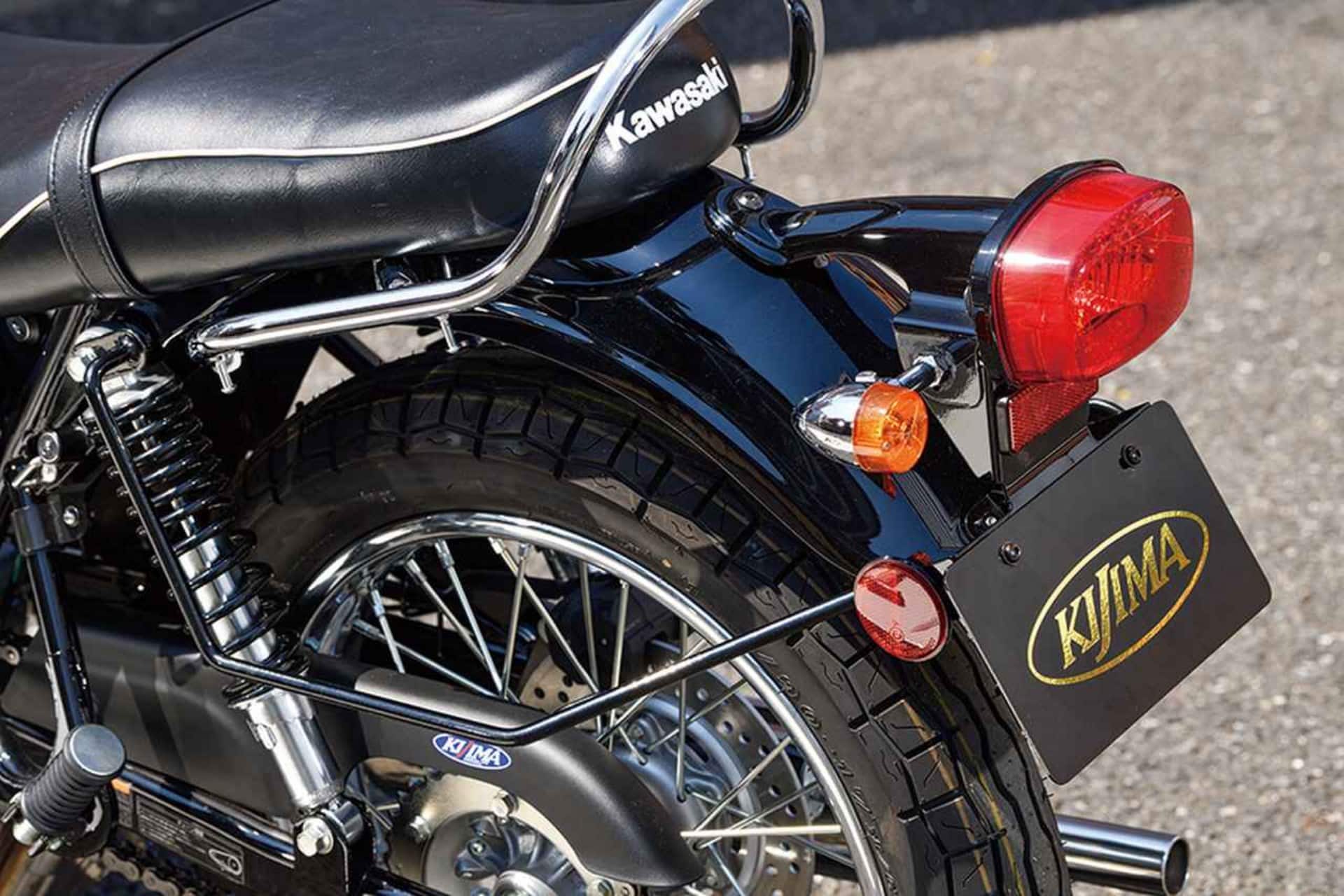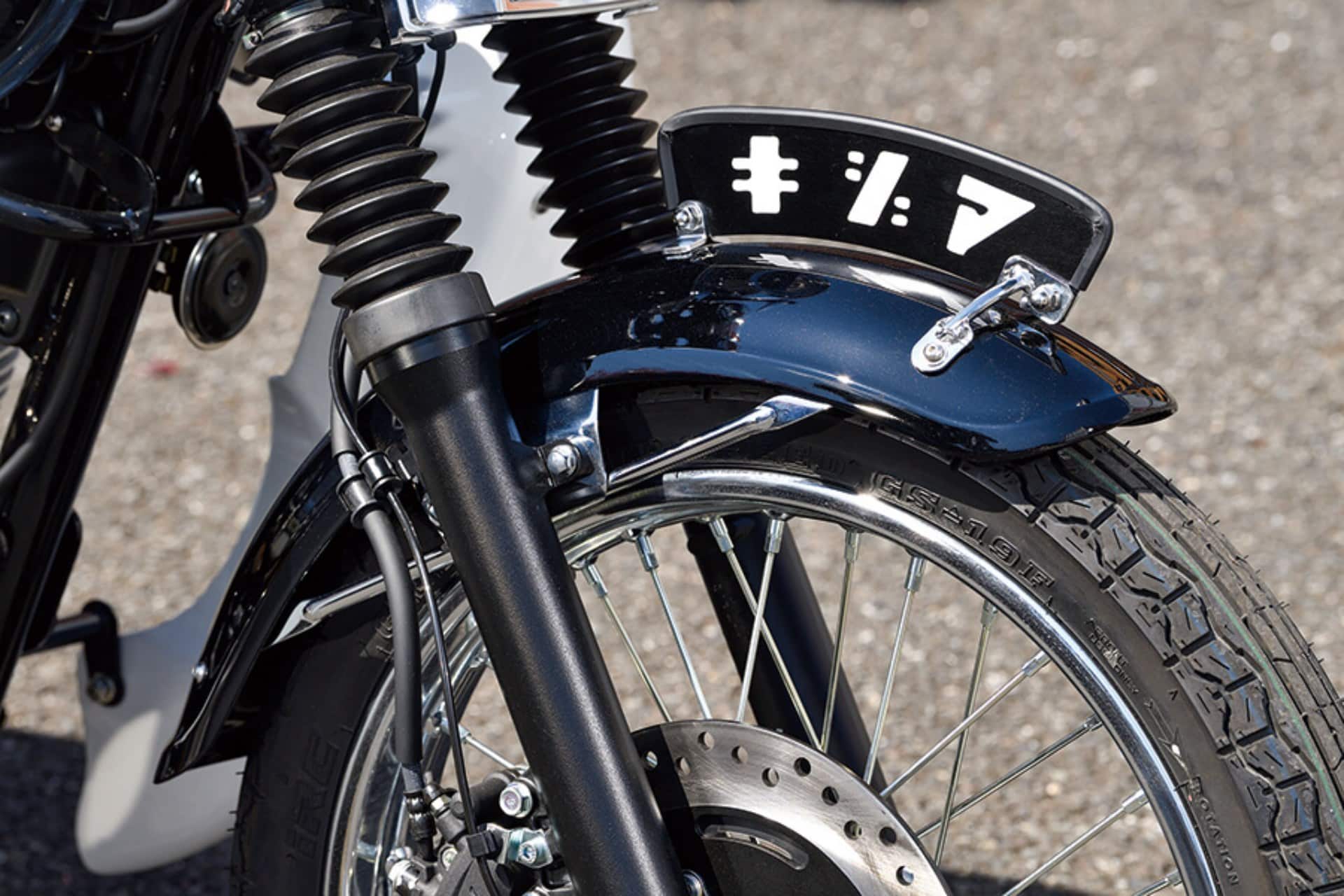
The proposal of Kijima from the Japanese show, not only recovers visual elements from the past, but also poses a direct reflection on how motorcycle design has changed in recent decades, increasingly conditioned by aerodynamics, electronics and efficiency, and much less by the visual emotion of exposed metal and pure shapes.
As we all know, at the end of the 20th century motorcycle design took a radical turn. The influence of wind tunnels, emissions regulations and the search for aerodynamic efficiency pushed brands towards more complex fairings, closed surfaces and increasingly angular shapes. The result was a functional aesthetic, but in many cases far from the character that defined classic motorcycles.

And, as we are seeing, the retro, vintage, or whatever you want to call it, movement has gained strength in recent years, precisely as a reaction to that evolution. Models like the GB350C wave Meguro S1 They represent a modern reinterpretation of that philosophy, where the engine, chassis and metal details are once again the protagonists.
It is precisely there where Kijima comes into play, taking that language a step further with pieces that not only evoke the past, but reinterpret it.
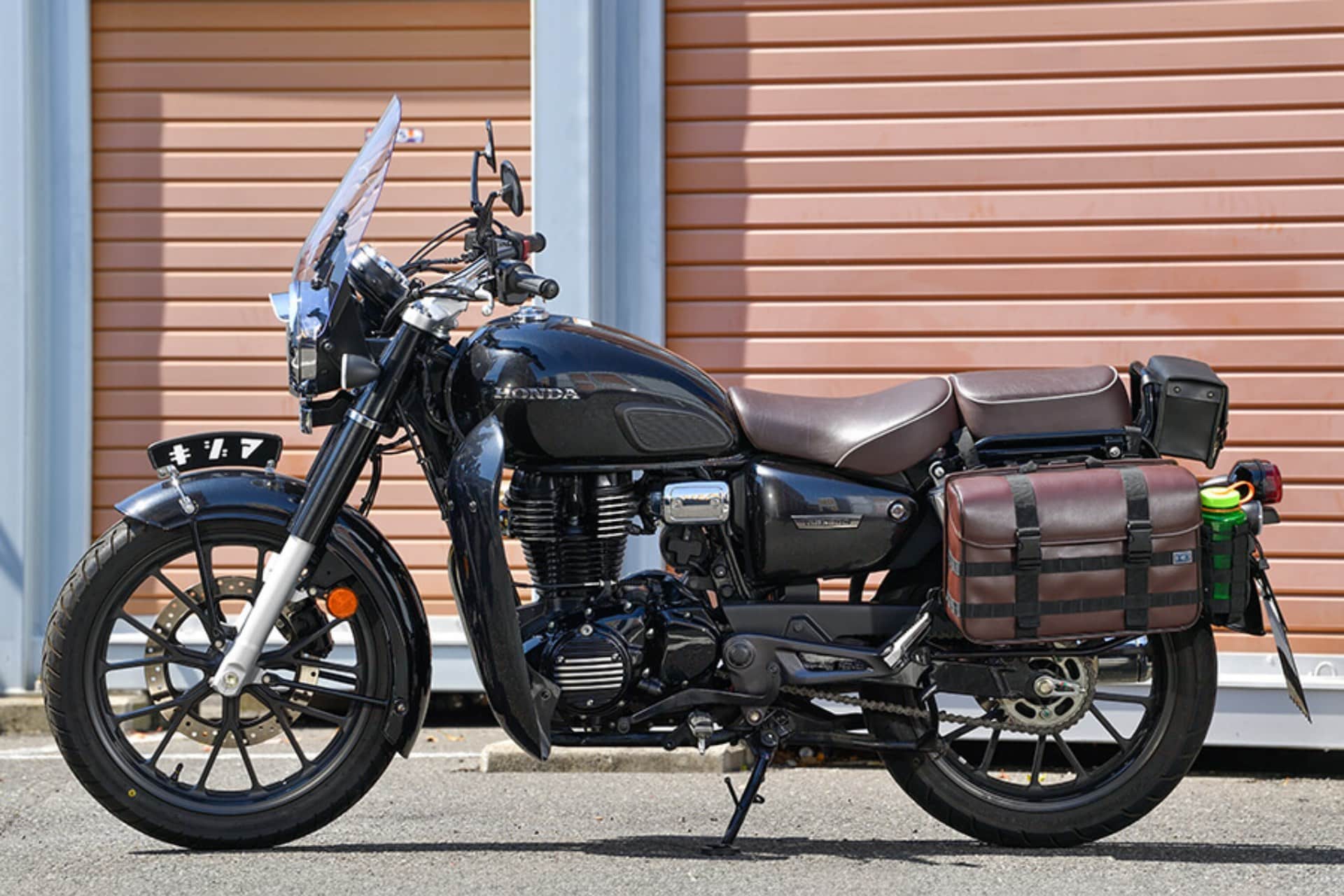
Honda GB350C Kijima
The first kit developed by Kijima about the Honda GB350C is articulated around the idea of “Romance“A term that, in this case, does not refer to sentimentality in the strict sense, but to the direct connection between pilot, machine and environment.
The kit includes large leg protectors inspired by those used on urban motorcycles of the “” era.Showa“, originally designed to protect from cold, rain and mud. Added to this are machined aluminum elements that simulate engine cooling fins, a leather tool bag and side supports for saddlebags.
The result transforms the GB350C on a motorcycle with a clearly touring vocation, without losing its single-cylinder essence. The idea of Kijima It is not to alter the technical base, but to reinforce its visual and practical character with direct mounting accessories, without the need to permanently modify the motorcycle.
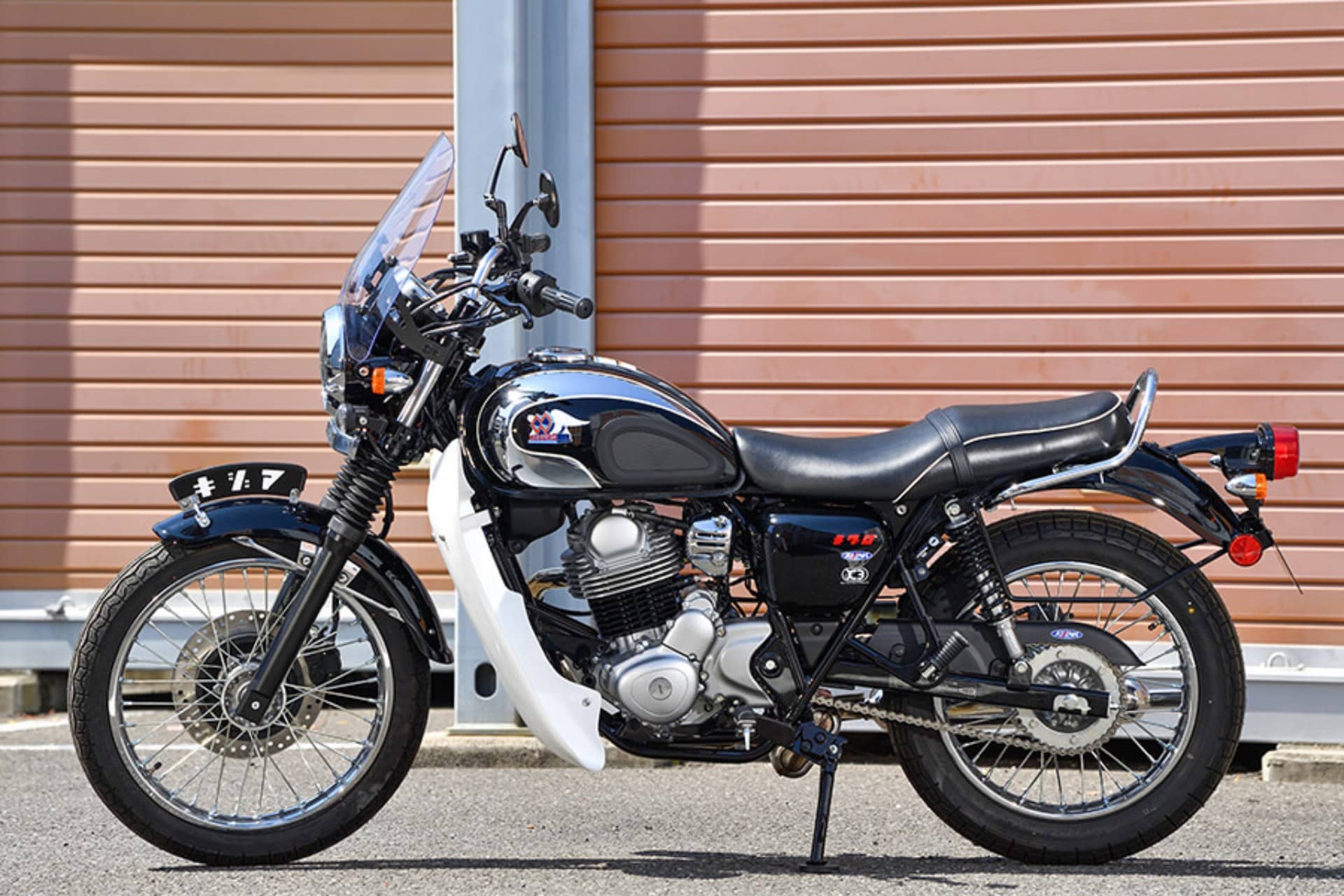
Kawasaki Meguro S1 Kijima
The second kit focuses on the Kawasaki Meguro S1along with its design philosophy based on “melancholia“. Here, Kijima It does not seek to recreate the trip, but rather the memory of the trip. Memories, as we see, take on crucial importance.
The most striking element of the kit is a decorative metal plate mounted on the front fender, inspired by the classic emblems of Meguro. These types of details, common on Japanese motorcycles from past decades, reappear as a tribute to a time when chrome and craftsmanship had a much greater weight in the final design.
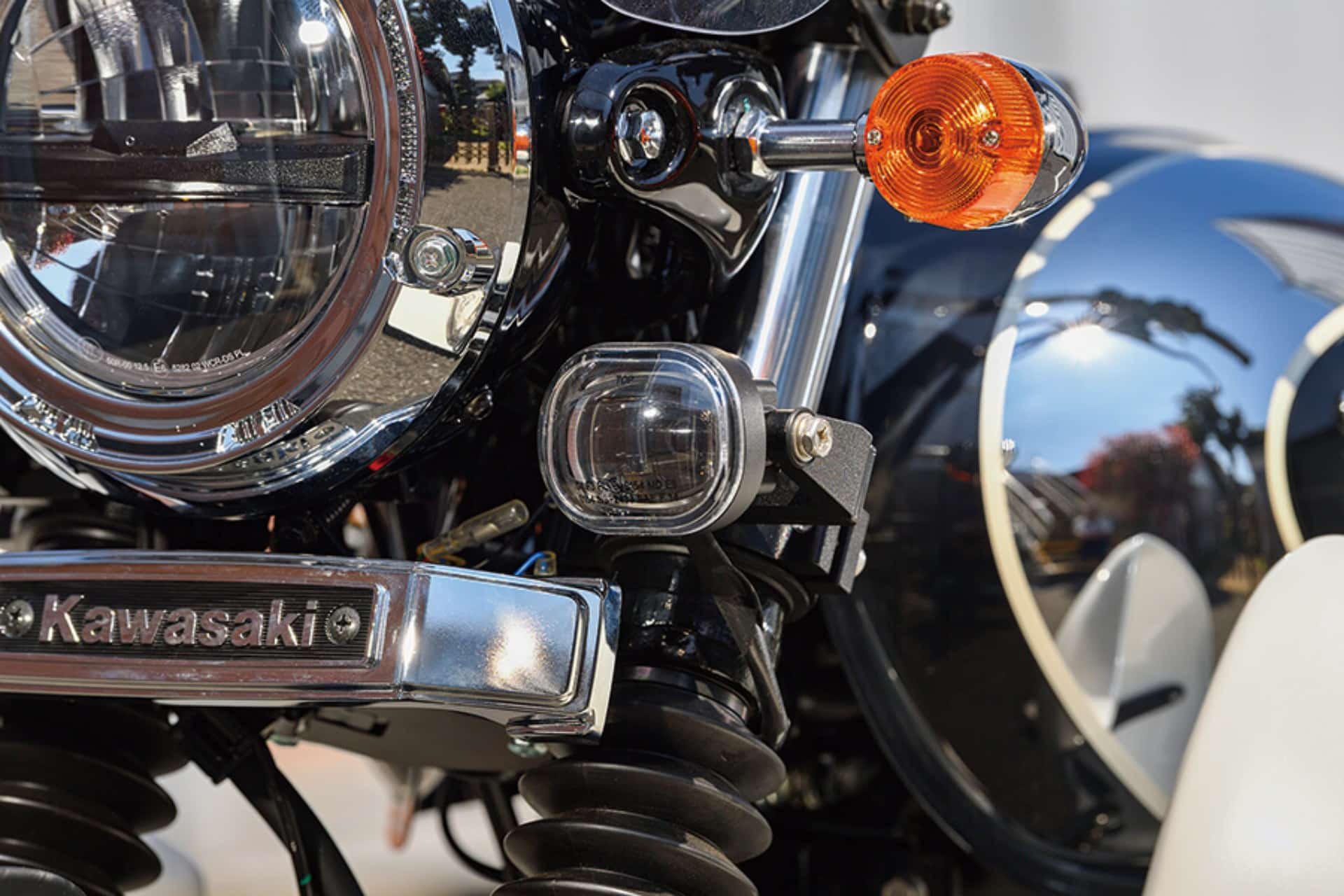
On a functional level, the set incorporates a particularly interesting solution: an LED fog light system discreetly integrated under the indicators. A combination that maintains the retro aesthetic without giving up today’s safety requirements.
Kijima offers a bridge between two ways of understanding the motorcycle
What you propose Kijima With these 2 projects it is not only a line of accessories, but a different reading of motorcycle design. Faced with the dominant trend of increasingly aggressive and technological forms, the GB350C and the Meguro S1 They serve as a basis to recover a more visible, mechanical and, as we will get tired of repeating, emotional aesthetics.
Kijima It does not look only at the past, but rather poses a question to the present of the 2-wheeled world:how much emotion has been lost on the path to efficiency, and how much of that character can still be recovered without giving up today’s technology?