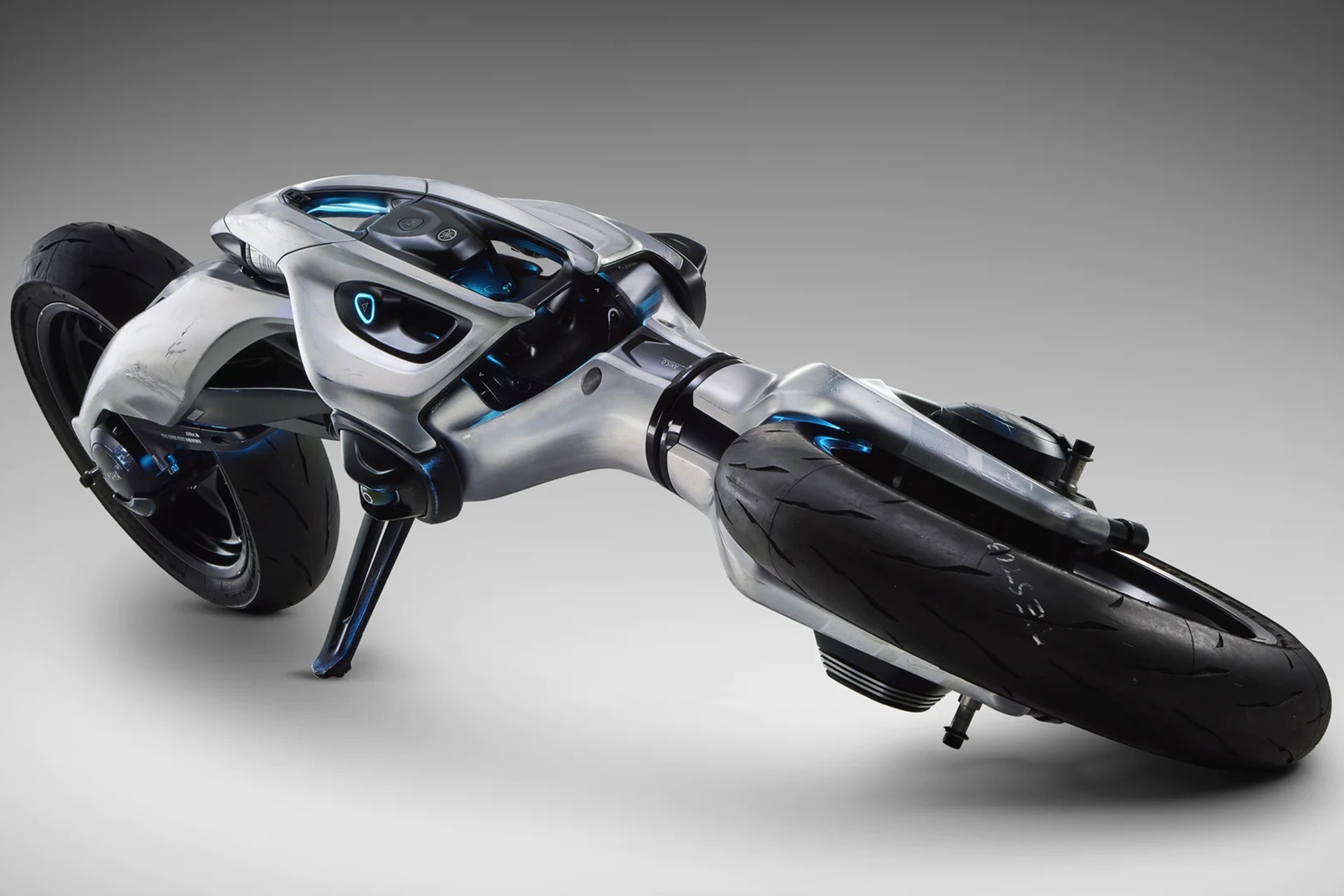
Yamaha Motor has recently announced its new recognition within the prestigious international Red Dot Award: Design Concept 2026. Its conceptual model MOTOROiD: Λ once again becomes one of the main protagonists of the event. This is part of the original MOTOROiD project, launched in 2017, to explore new possibilities in the relationship between humans and machines.
MOTOROiD: Λ presents its latest evolution
This is the sixth time that Yamaha Motor has received an award in the Conceptual Design category, following the &Y01 (Andy 01) in 2017 (created in collaboration with Yamaha Corporation), the original MOTOROiD in 2018, the YNF-01 in 2019, the e-plegona in 2024 (created in collaboration with Yamaha Corporation) and the MOTOROiD2 in 2025.
The award-winning MOTOROiD: Λ was presented in 2025 as a conceptual prototype designed to learn and evolve autonomously, showing its growth process and including its failures. Its objective is to create a new dynamic in which people and machines share time, learning and growing together.
As the brand itself explains, this vision is materialized through three key elements:
- AI-based reinforcement learning
- Design and colors that value even failure
- Chassis designed to allow movements beyond imagination.
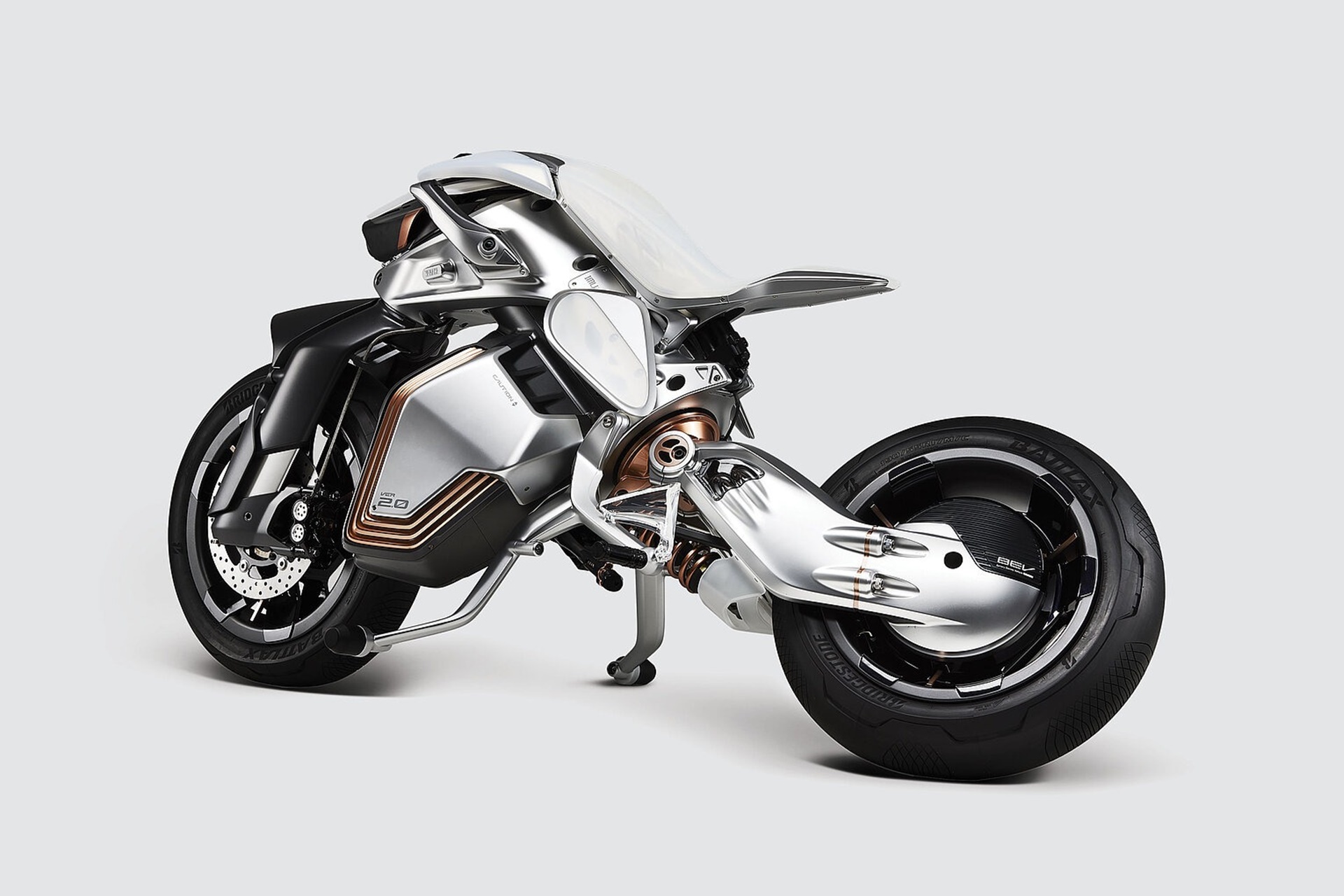
A motorcycle that “breathes” technology
With MOTOROiD:Λ, Yamaha Motor says it offers “a new perspective on durable goods, where products acquire greater value over time thanks to a long-term relationshipLikewise, thanks to reinforcement learning and the application of Sim2Real techniques, the MOTOROiD: Λ trains in virtual environments and applies what has been learned in the real world, developing organic movements optimized by AI.
Its light and resistant exoskeleton is designed to withstand the impacts of the learning process, symbolizing the joint evolution between person and technology. The result is a motorcycle that not only moves, but also seems to “breathe” technology. Yamaha defines this design language as a “emotional fusion between matter and movement”where artificial intelligence is not an addition, but an essential part of the soul of the vehicle.
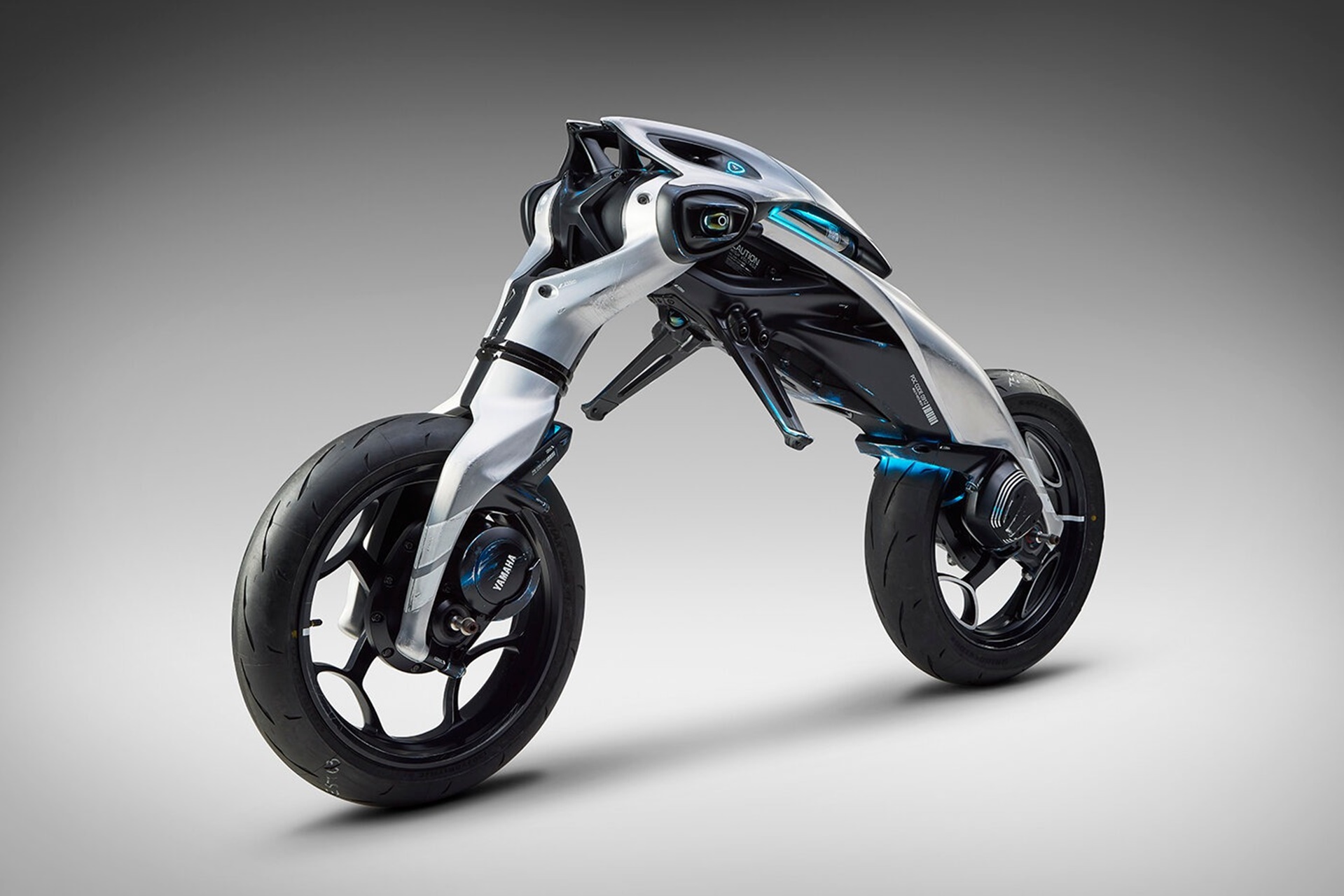
In its version last year it showed us how, at low speeds, the self-balancing technology it uses allows the driver to get on and off the motorcycle effortlessly and even control it with the upper part of the body leaning away from the machine, which allows a more relaxed driving posture. At higher speeds, the “blade” in the center of the chassis becomes an interface, rising to meet the driver’s chest.
The system detects the driver’s weight and hand gestures and reacts accordingly to steer. The areas in contact with the driver use a translucent silicone material that not only allows light to pass through, but also absorbs shocks and vibrations. Finally, when the driver and the machine communicate, they visually transmit the motorcycle’s reactions.
Without a doubt, a true technological compendium that makes us wonder: are we facing a new era of completely autonomous models?